作者: admin

  • Ahmed bin Saeed launches Al Jalila Foundation’s ‘The Cancer Fund’

    Ahmed bin Saeed launches Al Jalila Foundation’s ‘The Cancer Fund’

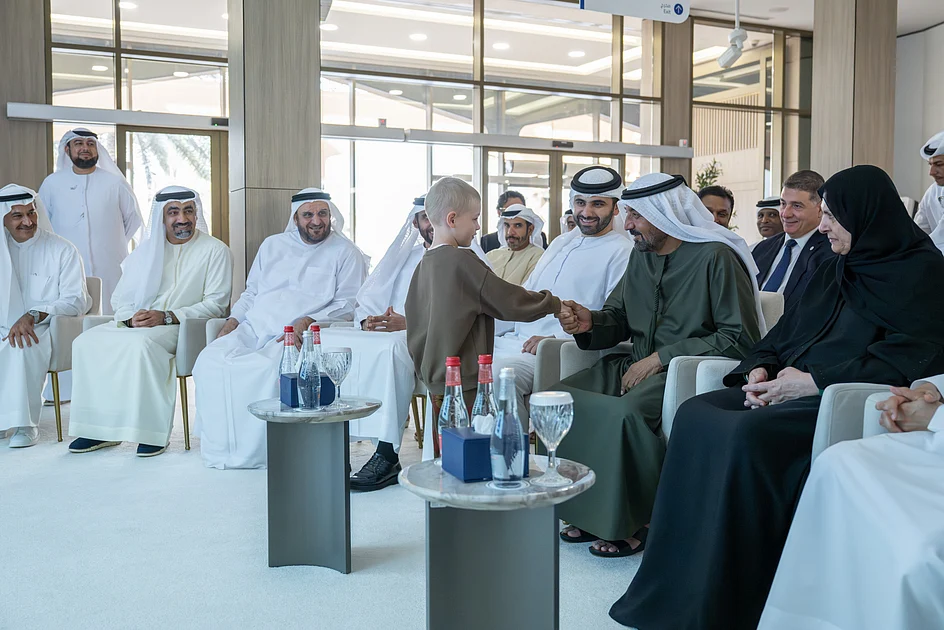
    In a significant development for healthcare philanthropy, Sheikh Ahmed bin Saeed Al Maktoum, Chairman of the Dubai Health Board of Directors, has officially launched ‘The Cancer Fund’ under the Al Jalila Foundation. The ceremony, held at Dubai Hospital, was attended by Sheikh Mansoor bin Mohammed bin Rashid Al Maktoum, Vice Chairman of the Dubai Health Board of Directors, alongside senior officials and dignitaries.

    The newly established fund represents a strategic initiative designed to provide crucial financial assistance for cancer treatment throughout patients’ recovery journeys. By mitigating the substantial economic pressures associated with cancer care, the fund ensures continuous treatment access regardless of patients’ financial circumstances.

    Concurrently, Sheikh Ahmed unveiled ‘The Giving Wall’ at Dubai Hospital, a permanent installation recognizing the generosity of donors who have supported the hospital’s treatment programs. This visual tribute highlights the community’s collective commitment to healthcare advancement.

    During the launch event, Sheikh Ahmed emphasized the UAE’s deeply ingrained cultural values of generosity and compassion, noting that current leadership continues to build upon this legacy by prioritizing citizen health and wellbeing. He praised the collaborative efforts of individuals and institutions whose contributions strengthen community philanthropic initiatives.

    Dr. Raja Easa Al Gurg, Member of Dubai Health Board of Directors and Chairperson of Al Jalila Foundation, described the fund as “a strategic step towards building a sustainable support system for patients” that represents “a forward-looking model of collaboration” between community and institutional giving. She emphasized the role of sustainable philanthropy in creating a more cohesive society.

    Dr. Amer Al Zarooni revealed that the foundation’s Ramadan 2026 campaign will be dedicated to The Cancer Fund, building upon previous success that saw AED43 million in contributions through the ‘A’awen’ program, which provided care to 650 cancer patients over the past year. The foundation now encourages individuals and organizations to support this vital initiative through various donation channels.
  • Trump vows new tariffs, attacks Supreme Court justices for ruling

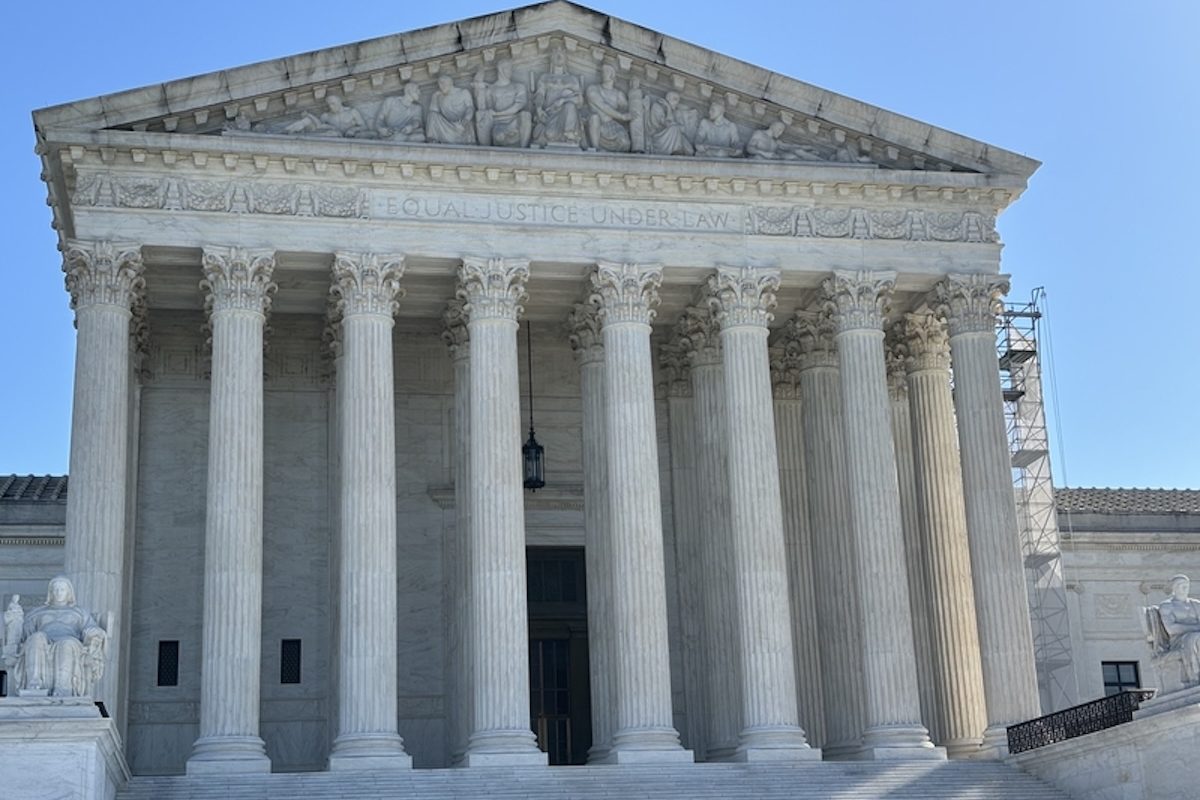
    Trump vows new tariffs, attacks Supreme Court justices for ruling

    WASHINGTON — In a striking defiance of judicial authority, former President Donald Trump announced his intention to preserve existing tariff structures through alternative legal mechanisms after the Supreme Court declared his previous use of presidential powers unconstitutional.

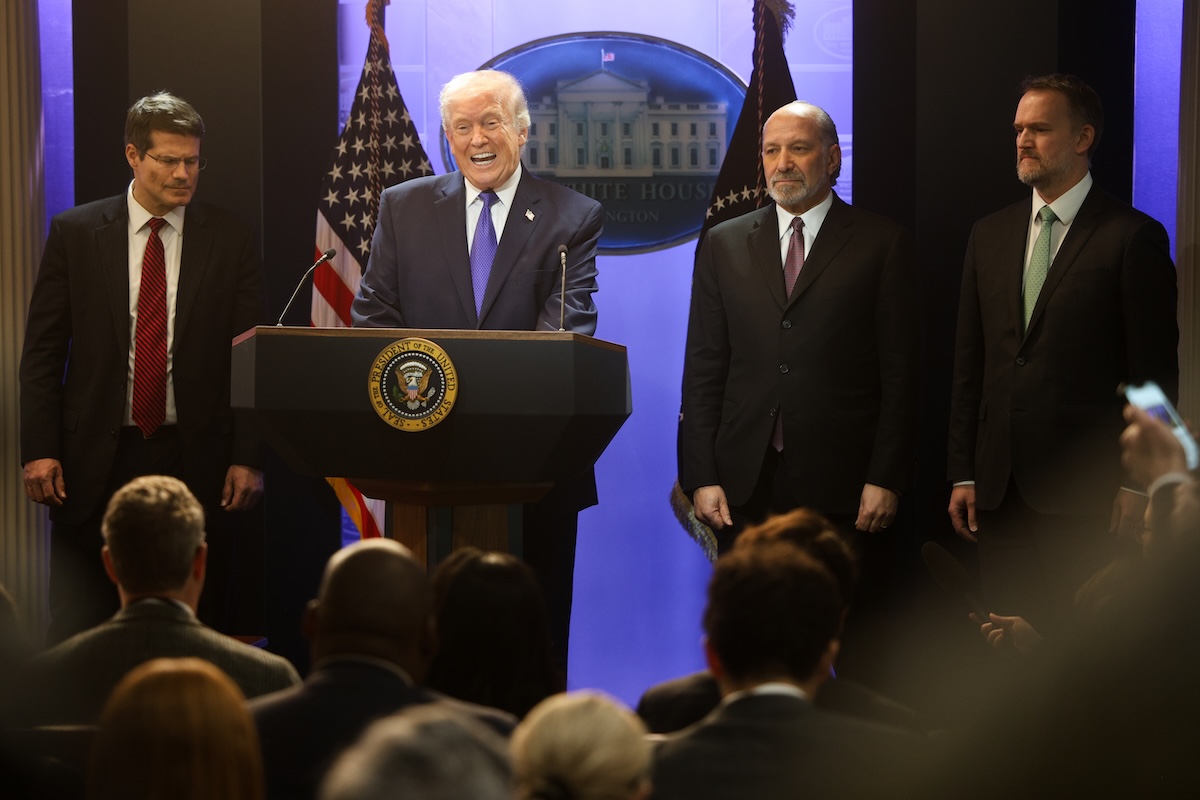
    The landmark 6-3 ruling determined that Trump had overstepped his authority under the International Economic Emergency Powers Act (IEEPA) when implementing tariffs. During an impassioned press conference at the White House briefing room, Trump delivered scathing criticism toward the six justices who formed the majority opinion, expressing profound disappointment in their decision.

    “The Supreme Court’s ruling on tariffs is deeply disappointing, and I’m ashamed of certain members of the Court—absolutely ashamed—for lacking the courage to do what’s right for our nation,” Trump stated. His condemnation extended specifically to Chief Justice John Roberts and Justices Amy Coney Barrett, Neil Gorsuch, Ketanji Brown Jackson, Elena Kagan, and Sonia Sotomayor, whom he described as “a disgrace to our nation” and “unpatriotic and disloyal to our Constitution.”

    Despite the judicial setback, Trump revealed plans to implement identical tariff measures under Section 122 authorities, asserting that alternative statutory frameworks provide even stronger presidential powers than IEEPA. He announced intentions to sign an executive order imposing a 10% global tariff overlay atop existing tariff structures.

    When questioned about restitution for billions collected under the invalidated tariffs, Trump indicated no immediate plans for reimbursement, noting that the Court’s opinion omitted specific guidance on redress. The matter would likely require extended litigation, potentially spanning years.

    The former president dismissed any necessity for congressional authorization, maintaining that existing statutes provide sufficient authority for tariff implementation. This development occurs amidst preparations for Trump’s upcoming address to a joint session of Congress, where several Supreme Court justices traditionally attend. Trump expressed indifference toward their potential attendance, suggesting they were “barely” still invited despite having no constitutional authority to exclude legislative branch guests.

  • US ambassador Huckabee says Israel has right to take over ‘all’ of Middle East

    US ambassador Huckabee says Israel has right to take over ‘all’ of Middle East

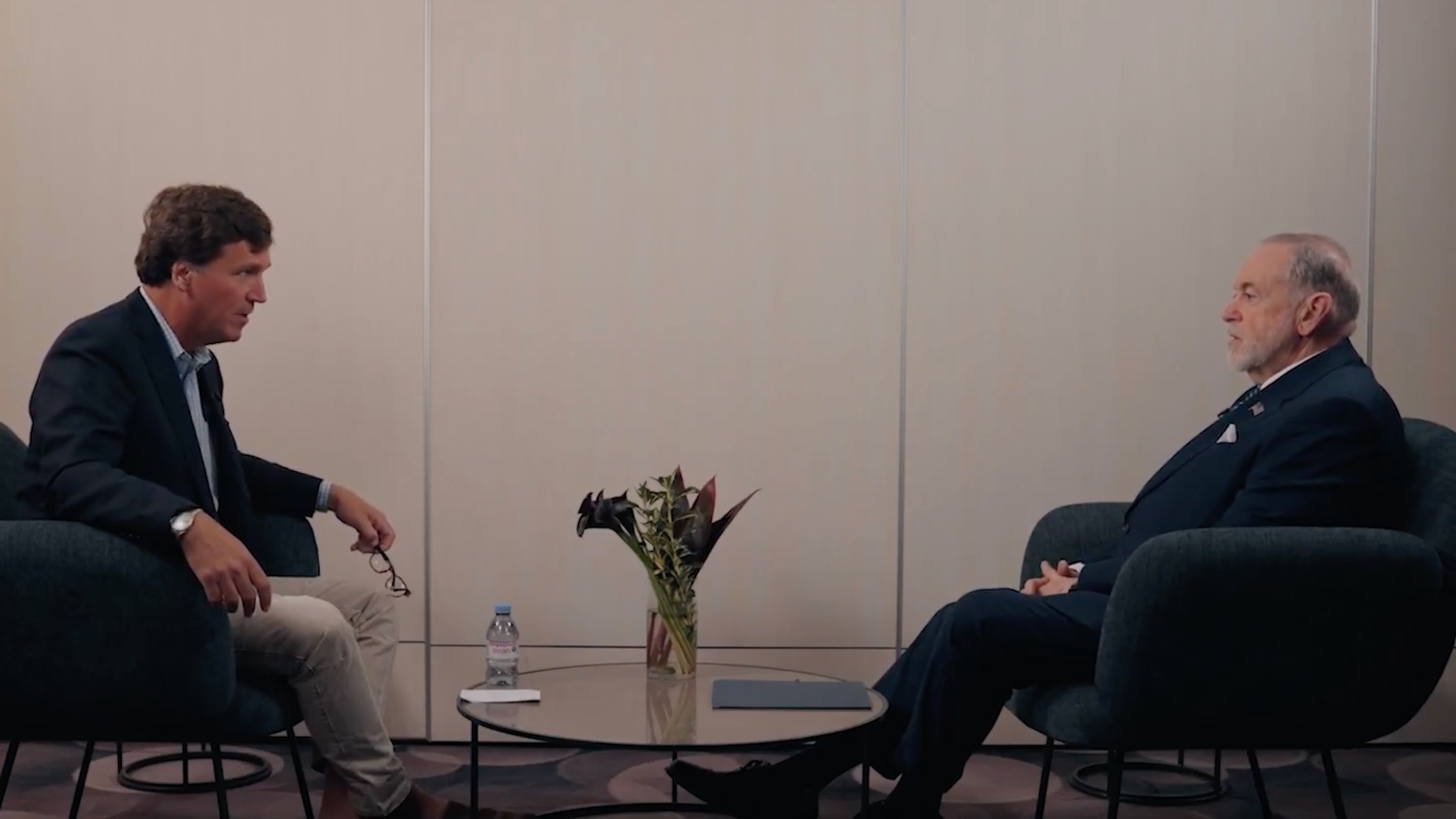
    In a televised exchange that has ignited significant controversy, US Ambassador to Israel Mike Huckabee engaged in a theological and geopolitical debate with conservative commentator Tucker Carlson regarding Israel’s territorial rights. The discussion, aired on Friday’s episode of The Tucker Carlson Show, centered on biblical interpretations of land promised to the Jewish people.

    Carlson directly questioned Huckabee about the boundaries described in Genesis 15, which references territory spanning from the Nile to the Euphrates rivers—encompassing approximately five modern nations alongside currently occupied Palestinian territories. When pressed on whether Israel held divine entitlement to this extensive region, Huckabee responded that “it would be fine if they took it all,” though he subsequently characterized this as “somewhat of a hyperbolic statement.

    The ambassador later clarified his position, asserting that Israel seeks only to protect its citizens rather than actively conquer neighboring states. However, he notably added that if Israel were attacked and subsequently victorious in such conflicts, the acquisition of additional territory would become “a whole other discussion.”

    This exchange occurs against the backdrop of Huckabee’s June statements to Bloomberg News, where he declared that establishing a Palestinian state in the occupied West Bank no longer represents US policy objectives. The ambassador suggested instead that Israel’s “Muslim neighbours” might surrender land to facilitate Palestinian statehood.

    The interview concluded with unexpected consequences for Carlson’s production team. Following his sit-down with Huckabee in Israel, Carlson reported that Israeli security officials detained him and confiscated passports, questioning his executive producer about the interview’s content. Carlson subsequently criticized both Israeli authorities and the American embassy for their handling of the incident, asserting that American citizens cannot expect their government to prioritize their interests over those of the Israeli government.

    The full 165-minute interview, released Friday, has sparked renewed debate about Christian Zionism, US foreign policy in the Middle East, and the appropriate role of religious texts in modern geopolitical discourse.

  • How will Trump’s new 10% global tariffs work and what’s next?

    How will Trump’s new 10% global tariffs work and what’s next?

    In a landmark constitutional decision, the U.S. Supreme Court has delivered a significant check on presidential authority, ruling 6-3 that former President Donald Trump exceeded his executive powers when implementing sweeping global tariffs. The February 20th ruling specifically addressed tariffs enacted under the International Emergency Economic Powers Act (IEEPA) of 1977, which Trump had invoked citing national emergencies including fentanyl trafficking and the U.S. trade deficit.

    The court’s majority opinion emphasized that Congress alone holds the power to create new taxes, determining that IEEPA authorization for trade regulation did not extend to revenue-raising measures. This decision potentially opens the door to refund claims totaling approximately $130 billion collected through these tariffs, though the high court provided no specific guidance on reimbursement procedures, likely setting the stage for extended legal battles.

    Within hours of the ruling, President Trump issued a proclamation utilizing Section 122 of the 1974 Trade Act—a previously unused provision—to implement a new 10% temporary tariff on imports from nearly all trading partners. This emergency measure can remain in effect for 150 days before requiring congressional approval, creating a temporary solution while the administration explores permanent alternatives.

    The White House indicated that even countries with existing trade agreements (including the UK, EU, and India) would be subject to the new blanket tariff rather than their negotiated rates. Certain exemptions apply for critical materials including pharmaceuticals, electronics, vehicles, aerospace products, and agricultural commodities deemed essential to the U.S. economy.

    Treasury Secretary Scott Bessent projected that combining Section 122 tariffs with enhanced duties under Section 232 (national security) and Section 301 (unfair trade practices) authorities would essentially offset revenue losses from the overturned IEEPA tariffs. The administration continues to investigate additional legal avenues for maintaining its protectionist trade agenda.

    The ruling represents a substantial judicial constraint on Trump’s economic nationalism agenda, though numerous industry-specific tariffs implemented under other statutes remain unaffected. Business communities expressed cautious optimism while acknowledging potential complications from the new temporary tariffs and uncertain refund processes that may disadvantage smaller enterprises lacking legal resources.

  • Supreme Court says little about redress for Trump tariff damages

    Supreme Court says little about redress for Trump tariff damages

    In a landmark 6-3 ruling on Friday, the US Supreme Court declared that former President Donald Trump overstepped his executive authority by invoking emergency powers to impose sweeping global tariffs. Chief Justice John Roberts, writing for the majority, asserted that the 1977 International Emergency Economic Powers Act (IEEPA) contains no provision granting unilateral tariff-imposing power to the president.

    The decision in Learning Resources, Inc. v. Trump represents a severe judicial blow to Trump’s signature trade policy, which triggered international trade conflicts and imposed substantial financial burdens on American consumers and businesses. The ruling specifically invalidates two major tariff categories: country-specific ‘reciprocal’ tariffs (ranging from 34% on China to 10% baseline rates) and a 25% levy on certain goods from Canada, China, and Mexico related to fentanyl policy disputes.

    According to congressional Democratic analysis released following the verdict, the average American family has absorbed over $1,700 in additional costs since the implementation of these tariffs during Trump’s second term. The policy also failed to achieve its stated economic objectives, with manufacturing jobs declining by approximately 108,000 in the first year of implementation and no measurable improvement in the US trade deficit.

    While businesses may pursue tariff refunds through lengthy administrative processes, consumers face minimal prospects for recovering their increased expenses. Policy experts warn that economic repercussions will persist for years, with Groundwork Collaborative’s Alex Jacquez noting that ‘any consumer looking for relief from tariff-driven price hikes did not find it at the Supreme Court today.’

    The ruling has prompted immediate evaluation of alternative legal mechanisms within the Trump administration, including Section 122 of the Trade Act of 1974, which provides broader tariff authority with fewer procedural constraints. Congressional Democrats have expressed concern that the decision may merely redirect rather than eliminate Trump’s tariff ambitions, with Representative Brendan Boyle warning of continued ‘unhinged economic sabotage’ through alternative statutory pathways.

  • Trump pushes back against Supreme Court ruling, says will impose 10% more global tariffs

    Trump pushes back against Supreme Court ruling, says will impose 10% more global tariffs

    In a defiant response to a recent Supreme Court decision, former US President Donald Trump has announced his intention to impose a new 10% global tariff, leveraging alternative legal mechanisms to circumvent judicial limitations on his trade agenda.

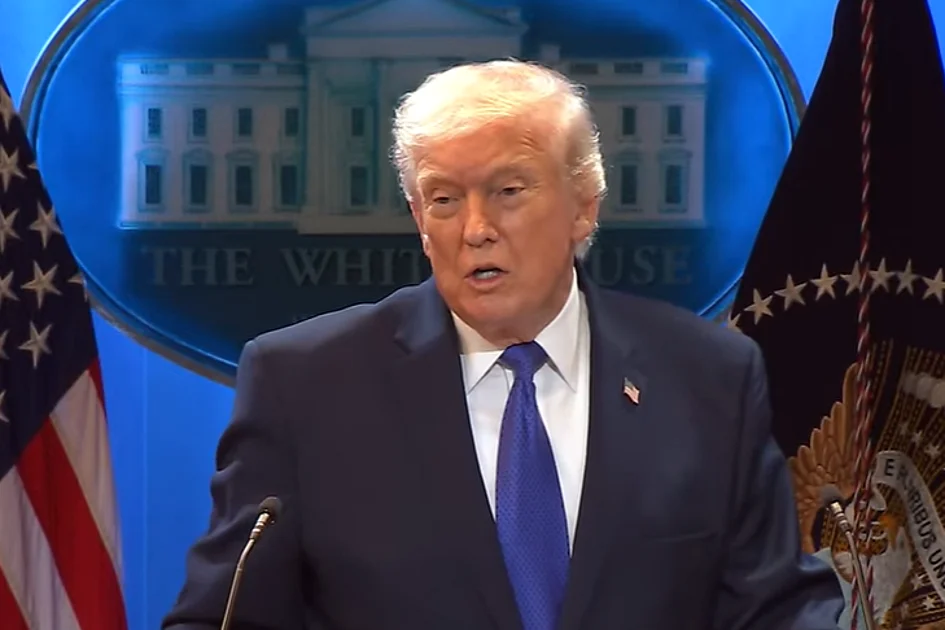
    Speaking at a press conference on Friday, Trump characterized the Court’s 6-3 ruling against his previous sweeping tariffs as “deeply disappointing,” expressing particular dismay with the justices who formed the majority. The Court’s decision specifically invalidated the use of the International Emergency Economic Powers Act (IEEPA) as the legal basis for those tariffs.

    Undeterred, Trump revealed his administration’s alternative strategy: implementing the new across-the-board levy under Section 122 of the Trade Act of 1974. This statute empowers the president to impose duties of up to 15% for 150 days to address “large and serious” balance of payments deficits. “We have alternatives that could bring us more money,” Trump stated, emphasizing that “the Supreme Court did not overrule tariffs, they only overruled a particular use of IEEPA tariffs.”

    Addressing potential financial repercussions from the overturned tariffs, Trump suggested refund litigation could extend over five years. Concurrently, his administration is initiating multiple Section 301 investigations targeting alleged unfair trade practices by foreign nations and corporations, signaling an intensified approach to trade enforcement despite judicial constraints.

  • Anna Murdoch-Mann, mother of News Corp heir, dies aged 81

    Anna Murdoch-Mann, mother of News Corp heir, dies aged 81

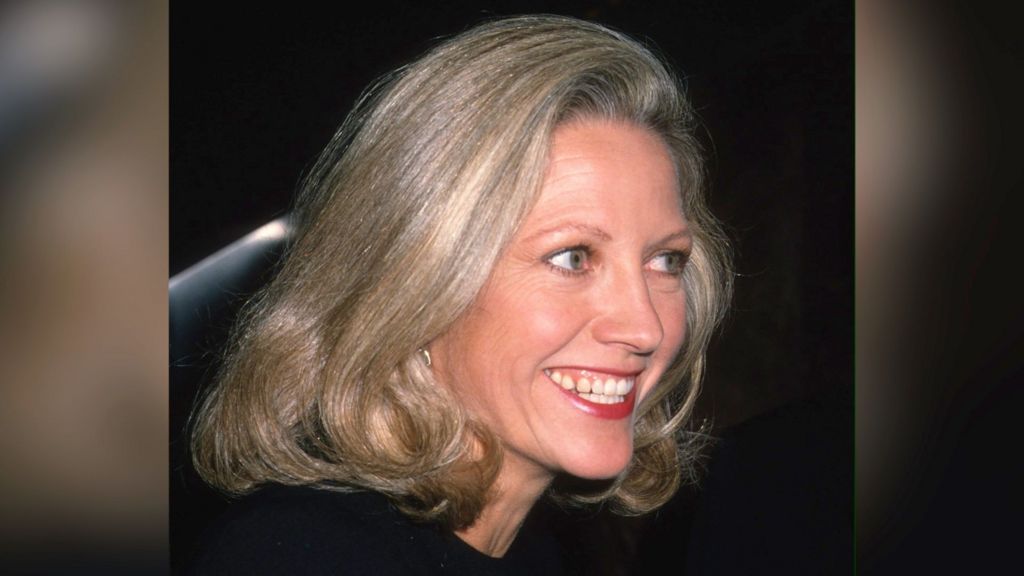
    Anna Murdoch-Mann, the esteemed journalist and former spouse of media magnate Rupert Murdoch, has passed away at age 81. Her death on February 17th at her Palm Beach residence marked the conclusion of an extraordinary life journey that spanned continents and encompassed remarkable professional achievements.

    Born Anna Torv in Glasgow and raised within the Catholic faith, she relocated to Australia at nine years old. Following her parents’ separation, she remarkably assumed responsibility for raising her younger siblings—an early demonstration of the resilience that would characterize her life.

    Her journalistic career at Sydney’s Daily Telegraph and Daily Mirror newspapers brought her into contact with Rupert Murdoch, commencing a 31-year marriage described by Murdoch’s New York Post as an ‘active partnership’ in building the News Corp empire. The Australian newspaper noted that Murdoch ‘never made a major business decision without her input.’

    During their marriage, Murdoch-Mann balanced corporate responsibilities with literary pursuits, authoring several novels including the 1988 publication ‘Family Business,’ which explored multi-generational media dynasties—a subject she knew intimately.

    The couple’s life together included dramatic chapters, notably the 1969 abduction and murder of Muriel McKay in Hertfordshire, England—a case of mistaken identity where kidnappers targeted McKay believing she was Murdoch-Mann.

    Their 1999 divorce resulted in one of history’s most substantial settlements at $1.7 billion. Seventeen days later, Rupert Murdoch married his third wife, Wendi Deng.

    In a post-divorce interview with Australian Women’s Weekly, Murdoch-Mann presciently observed that succession planning for Murdoch’s media empire would create ‘heartbreak and hardship,’ adding that her children faced ‘pressure that they needn’t have had at their age.’ These dynamics later inspired the television series ‘Succession’ and culminated in her son Lachlan assuming control of the news conglomerate.

    Beyond her corporate and literary accomplishments, Murdoch-Mann distinguished herself as a dedicated philanthropist, serving on the boards of children’s hospitals in Los Angeles and Haiti. In 1998, Pope John Paul II recognized her humanitarian work by appointing her a Dame of the Order of St Gregory.

    She is survived by her third husband, Ashton dePeyster, along with ten grandchildren and one great-grandchild. Her legacy endures through her children Elisabeth, James, and Lachlan Murdoch, and stepdaughter Prudence.

  • UK to consider removing Andrew from royal succession line, official says

    UK to consider removing Andrew from royal succession line, official says

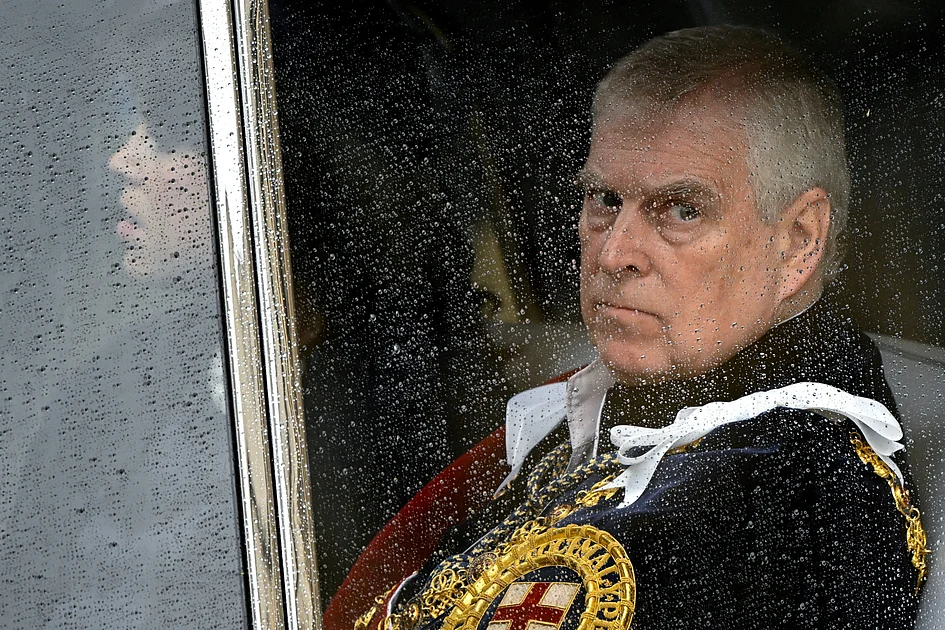
    The British government is preparing to initiate unprecedented constitutional proceedings that could permanently remove Prince Andrew from the royal line of succession, according to an official statement released on Friday. This extraordinary measure, which would represent one of the most significant modifications to royal succession protocols in modern history, awaits the conclusion of the ongoing police investigation into the Duke of York’s associations with convicted sex offender Jeffrey Epstein.

    A senior UK official, speaking on condition of anonymity, revealed that legislative action would be contemplated once law enforcement authorities complete their examination of Andrew’s connections to the disgraced financier. The potential removal of a direct heir to the throne requires navigating complex constitutional channels, including obtaining consensus from all Commonwealth realms where King Charles III serves as head of state.

    This development marks a dramatic escalation in the royal crisis surrounding Prince Andrew, whose public standing has deteriorated substantially since his association with Epstein became subject to criminal investigation. The proposed legislative measure underscores the seriousness with which the government approaches the allegations and their potential impact on the monarchy’s integrity.

    The constitutional process involves intricate diplomatic coordination across multiple sovereign nations, including Australia, Canada, and New Zealand, all of which must ratify any alterations to the established line of succession. This multinational requirement reflects the complex nature of the Commonwealth’s shared constitutional monarchy system.

    The government’s consideration of this extraordinary step demonstrates the increasing pressure on the royal institution to address the controversies surrounding Prince Andrew’s conduct and associations. While the palace has previously distanced itself from the Duke’s activities, this potential constitutional action represents an unprecedented formal response to the ongoing scandal.

  • ‘Board of Peace’ debut sparks fears for Gaza’s future

    ‘Board of Peace’ debut sparks fears for Gaza’s future

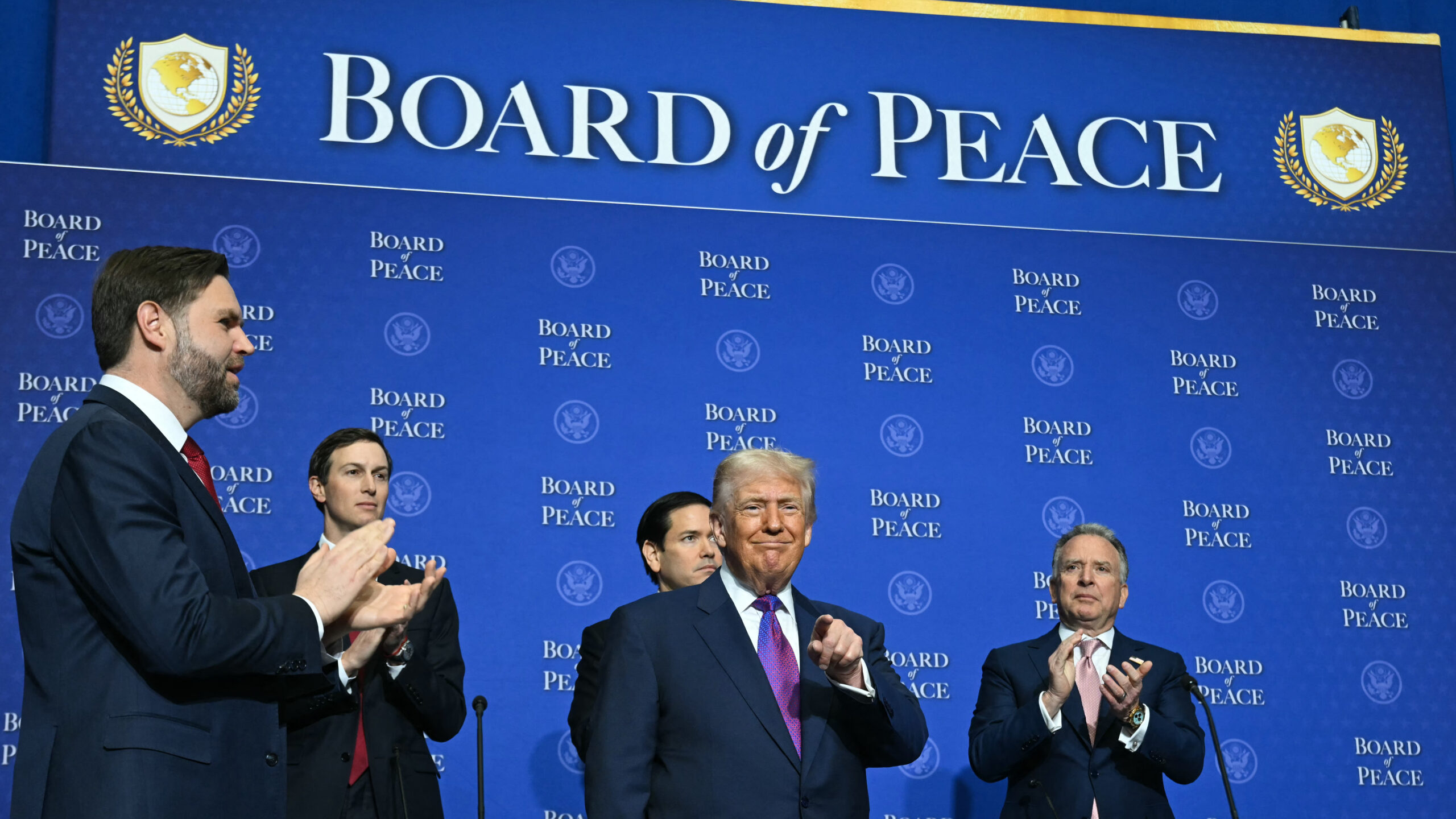
    The inaugural session of the Trump-proposed Board of Peace for Gaza convened Thursday at the newly renamed Donald J Trump Institute for Peace in Washington DC, generating immediate controversy across multiple fronts. President Trump, designated as the board’s lifetime chairman, presided over a meeting that outlined a $7 billion commitment from nine nations toward Gaza relief efforts and revealed plans for a controversial $10 billion allocation of U.S. taxpayer funds for the board’s broader operations.

    Bulgarian diplomat Nickolay Mladenov, appointed to oversee Gaza’s demilitarization, reported that police recruitment with 2,000 Palestinian enlistments was already underway, emphasizing that reconstruction would not commence until Hamas was fully disarmed. The proceedings were immediately met with fierce criticism from lawmakers and social media users who questioned the legality of allocating federal funds without Congressional approval.

    The meeting featured several controversial moments, including Jared Kushner’s assertion that no participants would “personally” profit from Gaza’s reconstruction—a statement many observers found deliberately misleading given Kushner’s unofficial role as a government volunteer. Billionaire Apollo Global Management CEO Marc Rowan raised additional concerns by quantifying Gaza’s coastline as “$50 billion of value alone” that needed “unlocking and financing.”

    International reactions drew particular scrutiny, with Pakistan’s Prime Minister Shehbaz Sharif labeling Trump the “saviour of South Asia” and Kazakhstan’s president presenting an award to Trump—gestures critics described as “beyond parody” and emblematic of a servile diplomatic culture. The absence of any mention of “Gaza” or “Palestinian” in the board’s charter, combined with the seating of Palestinian representative Ali Shaath without an identified title, further fueled accusations that the initiative disregarded Palestinian interests.

    Palestinian journalist Motasem Dalloul, reporting from Gaza, condemned the proceedings as primarily benefiting Israel while ignoring essential issues like ending the siege, allowing entry of food and medicine, and conducting reconstruction without “blackmail.” The meeting’s peculiarities—including Trump briefly falling asleep during speeches and the YMCA song playing during a group photo—added surreal elements to what many critics characterized as a potentially unlawful appropriation of public funds for private interests.

  • Catch of the day: Pictures from spectacular Nigerian fishing festival

    Catch of the day: Pictures from spectacular Nigerian fishing festival

    Northern Nigeria witnessed the spectacular revival of its renowned Argungu International Fishing and Cultural Festival last weekend, marking the event’s triumphant return following a six-year suspension due to pandemic restrictions and security challenges. Tens of thousands of participants and spectators gathered along the banks of the Matan Fada River in Kebbi State, where the ancient fishing competition resumed with unprecedented enthusiasm.

    The festival commenced with traditional ceremonies presided over by the Sarkin Ruwan (Custodian of the River), who performed sacred rituals to bless the waters and participants. Drummers from the Kabawa ethnic group established the rhythmic backdrop as fishermen positioned themselves along the riverbanks, their nets poised for the signal to begin.

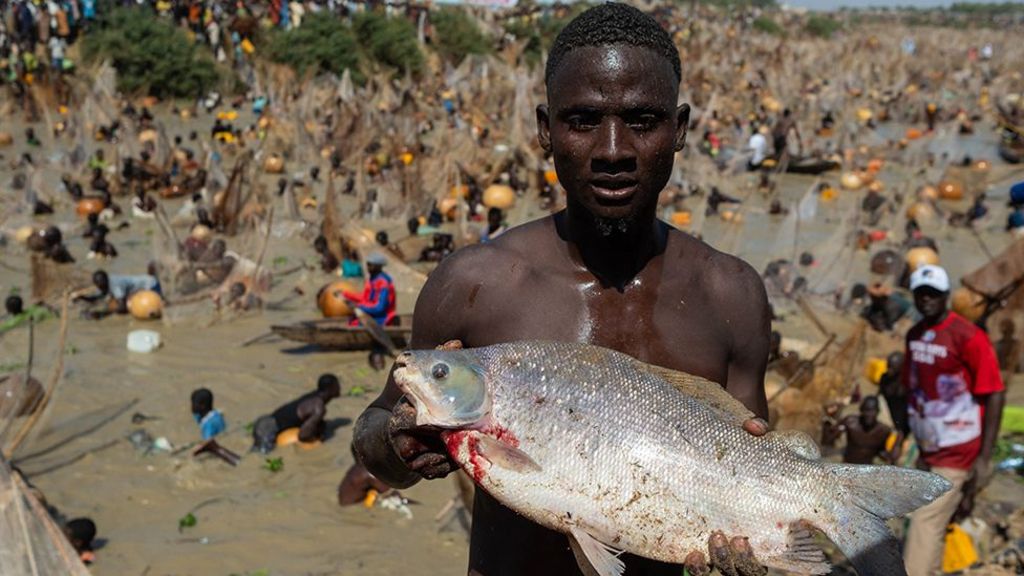
    This year’s event gained particular significance with the attendance of President Bola Tinubu, highlighting the government’s endorsement of cultural preservation and regional stability. The main fishing competition saw participants plunging into the river with large gourds serving as both buoyancy aids and containers for their catch. Fishermen navigated chest-deep waters, dragging nets along the riverbed in pursuit of the largest specimens.

    The competition culminated in an extraordinary catch—a massive croaker fish weighing 59 kilograms (130 pounds) secured by the grand prize winner, who received two automobiles and 1 million naira (approximately $740) in prize money. Judges meticulously weighed and verified each catch on traditional scales, with numerous other substantial fish being presented throughout the competition.

    Beyond the primary fishing event, the four-day festival featured diverse cultural activities including traditional archery, dambe (a indigenous combat sport where fighters wrap rope around their striking hand), wild duck-catching competitions, and bare-handed fishing demonstrations by younger participants. The event also showcased vibrant musical performances that echoed throughout the celebration grounds.

    With historical roots extending back a century, the Argungu Festival formally began in 1934 as a peace-building initiative between the Kebbi Kingdom and Sokoto Caliphate. UNESCO has recognized the festival as an intangible cultural heritage event, attracting international visitors from neighboring countries and beyond. Local organizers emphasized the festival’s role in promoting cross-cultural understanding and celebrating northern Nigeria’s rich traditions.