作者: admin

  • Wadan Developments introduces Tresora, marking another successful launch

    Wadan Developments introduces Tresora, marking another successful launch

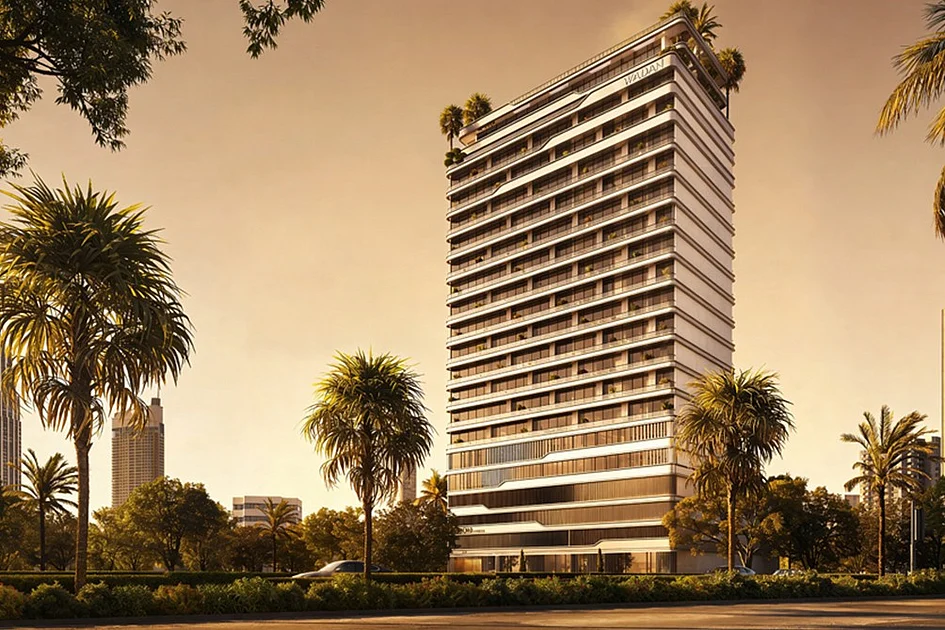
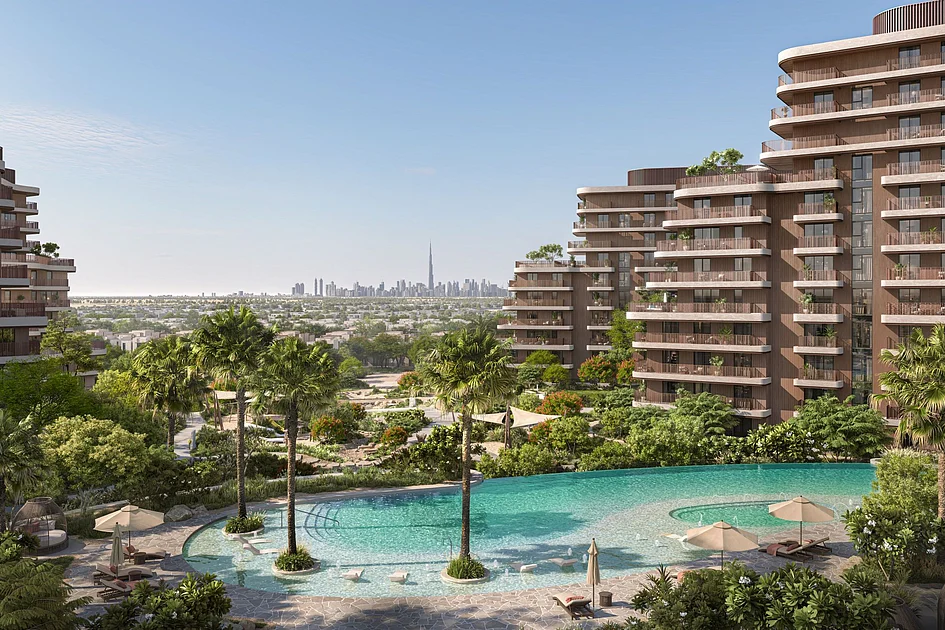
    Dubai’s real estate landscape welcomes another innovative development as Wadan Developments launches Tresora, its fourth major project, signaling continued expansion in the UAE property market. This 23-story integrated tower in Jumeirah Village Circle represents a sophisticated approach to urban living by combining residential, commercial, and office spaces within a single connected ecosystem.

    The strategically positioned development capitalizes on JVC’s status as one of Dubai’s most dynamic and centrally located communities. With upcoming metro infrastructure enhancing accessibility, Tresora promises unprecedented connectivity to key urban centers while maintaining the appeal of a established residential neighborhood. This transit-oriented development strategy positions Tresora for long-term valuation growth and sustained market relevance.

    Architecturally, Tresora employs a vertically layered design philosophy with retail and commercial establishments at the foundation levels, contemporary office spaces in the middle tiers, and residential apartments occupying the upper floors. This intentional spatial organization creates a self-contained microenvironment where professional, commercial, and domestic activities seamlessly intersect.

    Residential units feature intelligent space optimization with premium finishes and minimalist aesthetics, emphasizing functional elegance over mere ornamentation. The development incorporates advanced smart-home technology through the proprietary Wadan App, enabling residents to control environmental systems and access building services via mobile devices.

    Amenities include comprehensive wellness facilities with a fully-equipped fitness center, swimming pool, and dedicated relaxation areas. Community spaces have been carefully curated to foster social interaction, featuring children’s play zones and collaborative work environments. Additional premium services include secured parking, elegantly appointed lobbies, and professionally managed common areas.

    The project launch event at Wadan’s sales gallery demonstrated strong investor confidence and industry support, highlighting Tresora’s strategic positioning and investment potential. This successful unveiling marks Wadan’s fourth consecutive project launch, underscoring the developer’s operational capacity and market understanding.

    Tresora embodies Wadan’s brand philosophy of ‘A Vision Beyond Luxury,’ focusing on practical sophistication, locational advantage, and genuine quality of life enhancements rather than superficial extravagance. The development represents the evolving paradigm in urban property development where integrated living solutions take precedence over isolated residential concepts.
  • Abu Dhabi’s Aldar issues $1 billion hybrid notes to Apollo

    Abu Dhabi’s Aldar issues $1 billion hybrid notes to Apollo

    In a landmark financial maneuver, Abu Dhabi’s premier real estate developer, Aldar Properties, has successfully executed a $1 billion private placement of subordinated hybrid notes with global asset management titan Apollo Global Management. This strategic transaction, finalized on February 20, 2026, now stands as the single largest corporate hybrid private placement ever recorded within the region.

    The sophisticated capital restructuring initiative involves the issuance of notes at the parent company level. The net proceeds are subsequently being channeled as an equity infusion into Aldar Investment Properties (AIP), the entity responsible for managing Aldar’s portfolio of income-generating real estate assets. A significant component of this arrangement includes the full repayment of $500 million in perpetual subordinated notes previously held by Apollo in AIP, which originated from the asset manager’s initial $1.4 billion investment into Aldar back in 2022.

    This latest financial injection elevates the total capital commitment from Apollo-managed affiliates, funds, and clients to approximately $2.9 billion over a four-year period, significantly deepening the strategic partnership between the two firms. The transaction is meticulously designed to fortify the capital structures of both Aldar and AIP, providing enhanced balance sheet resilience and bolstering the company’s capacity to pursue its ambitious growth agenda. Consequently, Aldar’s ownership stake in its lucrative AIP subsidiary has increased to a commanding 90%, with Apollo retaining a 10% share.

    Faisal Falaknaz, Group Chief Financial and Sustainability Officer at Aldar, emphasized the strategic value of the deal, stating it provides ‘long-term, flexible capital’ that empowers the company to capitalize on compelling market opportunities. He further highlighted that the move amplifies Aldar’s share of stable, recurring income derived from AIP’s high-quality and diversified portfolio, which is poised for further expansion through acquisitions and a substantial develop-to-hold pipeline valued at nearly $5 billion.

    Echoing the sentiment, Jamshid Ehsani, a Partner at Apollo, commended the transaction as a testament to Apollo’s expertise in structuring adaptable capital solutions that align with the objectives of corporate clients and investors alike. He praised Aldar’s ‘robust performance and portfolio expansion’ under experienced management and reaffirmed Apollo’s sustained commitment to the Abu Dhabi market and the broader Middle East region. The hybrid notes feature a long-term structure with an extended non-call period of 10.25 years, mirroring the terms of a recent public issuance by Aldar.

  • In war-weary Kyiv, wounded Ukrainian veterans turn epic poetry into living testimony

    In war-weary Kyiv, wounded Ukrainian veterans turn epic poetry into living testimony

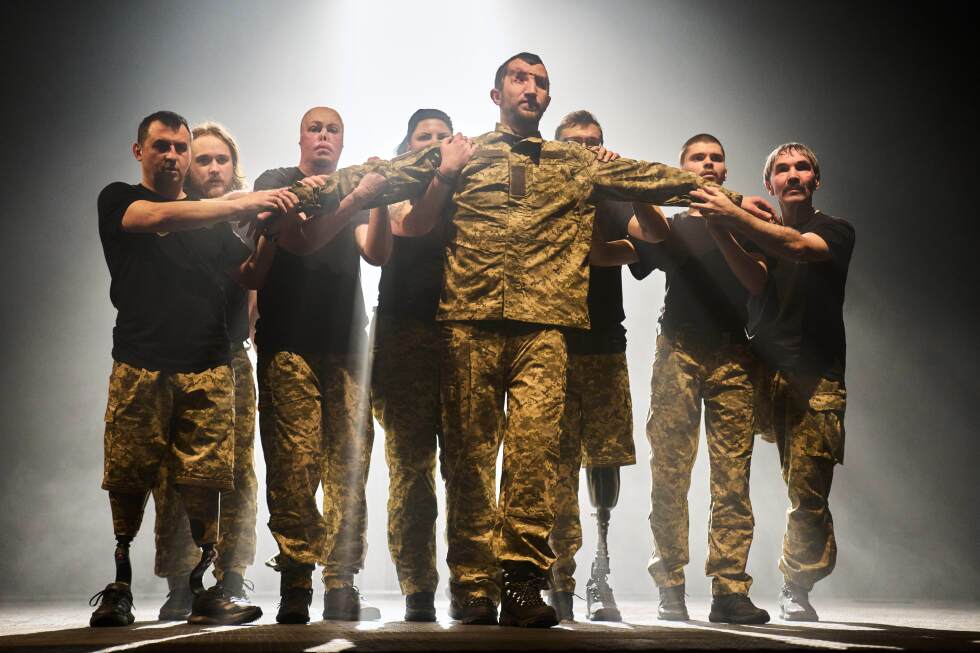
    KYIV, Ukraine — In an extraordinary fusion of classical literature and contemporary reality, Ukrainian military veterans and drama students have collaboratively brought to life a groundbreaking theatrical production. The performance, an adaptation of Ivan Kotliarevskyi’s 18th-century work ‘Eneida’ itself based on Virgil’s ‘Aeneid,’ serves as both artistic expression and therapeutic rehabilitation for participants bearing the physical and psychological scars of Russia’s ongoing invasion.

    Directed by Olha Semioshkina, the production at Kyiv’s National Academic Molodyy Theatre features a cast ranging from their 20s to 60s, including veterans who sustained amputations, severe burns, and vision loss during combat. The year-long preparation process involved not only theatrical training but fundamental physical and emotional rehabilitation, with participants spending months learning to communicate, move, and exist with their changed bodies before even beginning script work.

    Semioshkina’s conceptual framework transforms every male actor into Aeneas and every female actor into Dido, mirroring the epic journey of Virgil’s hero who wanders after tragedy in search of a new homeland. In this modern interpretation, the Trojan hero becomes a Cossack—raw, resilient, and profoundly human—while the veterans’ real experiences blur the lines between myth and reality.

    The performance reaches its emotional zenith when actors break character to share personal testimonies: accounts of drone strikes, occupation, loss of comrades, and returning to war despite advanced age. Yehor Babenko, a border service veteran with severe burns, delivers darkly humorous lines about shared experiences with being ‘burned out,’ while Andrii Onopriienko, who lost his sight in an artillery strike, provides resonant narration despite initially doubting his ability to contribute.

    The production’s technical elements incorporate prosthetic limbs and metal rods that serve both as theatrical props and practical supports, creating a visual language that acknowledges rather than hides the actors’ conditions. Even the performance itself faced wartime realities when a power outage during the premiere required actors to continue under flashlight illumination, creating an unplanned but profoundly symbolic moment of perseverance.

    The standing ovation that greeted the cast affirmed not only their artistic achievement but the production’s deeper message about veteran resilience and community support. As Semioshkina emphasized, the production serves as an invitation to all veterans to reconnect with life beyond their trauma: ‘Come out. You can do something. Live. Don’t close yourself off. Live every single minute.’

  • Keeping calm and carrying on, the royal family weathers worst crisis in generations

    Keeping calm and carrying on, the royal family weathers worst crisis in generations

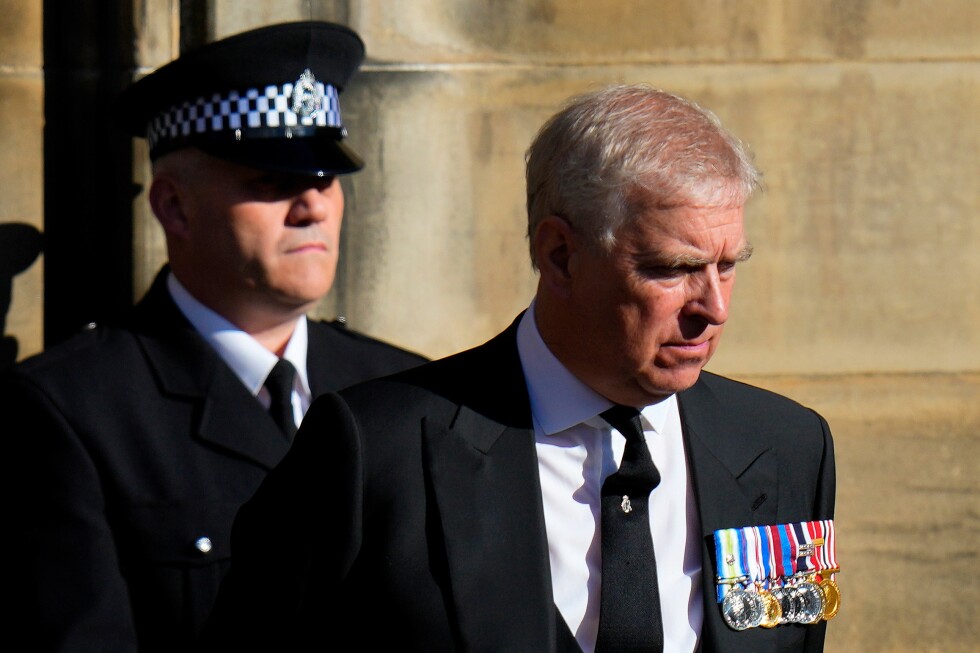
    Buckingham Palace faces its most severe constitutional crisis in nearly a century following the dramatic arrest of King Charles III’s brother, Andrew Mountbatten-Windsor, on allegations of misconduct in public office. The 66-year-old royal was detained for eleven hours before being released under ongoing investigation, creating unprecedented turmoil within the House of Windsor.

    Despite the seismic developments, senior royals maintained their public engagements with remarkable composure. King Charles attended London Fashion Week openings while Queen Camilla proceeded with a scheduled concert appearance. Princess Anne continued her duties with a prison visit, demonstrating the monarchy’s determination to project stability amid growing scandal.

    Historical parallels are being drawn to the 1936 abdication crisis of Edward VIII, though commentators note the current situation lacks clear resolution pathways. The crisis stems from recently released U.S. Justice Department documents detailing Andrew Mountbatten-Windsor’s relationship with convicted sex offender Jeffrey Epstein during his tenure as Britain’s special trade envoy.

    The palace has attempted institutional damage control by stripping the former prince of his titles and royal privileges. However, constitutional experts note he remains eighth in line to the throne unless Parliament passes specific legislation for his removal. At least eight British police forces are now examining evidence contained within the Epstein documents.

    Royal historian Ed Owens observes this crisis differs fundamentally from previous scandals: “There’s no blueprint to follow in terms of how the monarchy and associated organizations deal with these allegations.” The institution faces mounting pressure for transparency regarding what family members knew about Andrew’s activities during his controversial association with Epstein.

    This represents the first major test of King Charles’s reign, occurring amidst rapidly evolving public expectations for accountability from leadership figures. The monarchy’s response will likely determine its relevance in modern British society, with critics arguing the institution was slow to address concerns about Andrew’s connections that have circulated for over a decade.

  • When in Rome: Budapest pizzeria offers time-travel twist with ancient Rome-inspired pie

    When in Rome: Budapest pizzeria offers time-travel twist with ancient Rome-inspired pie

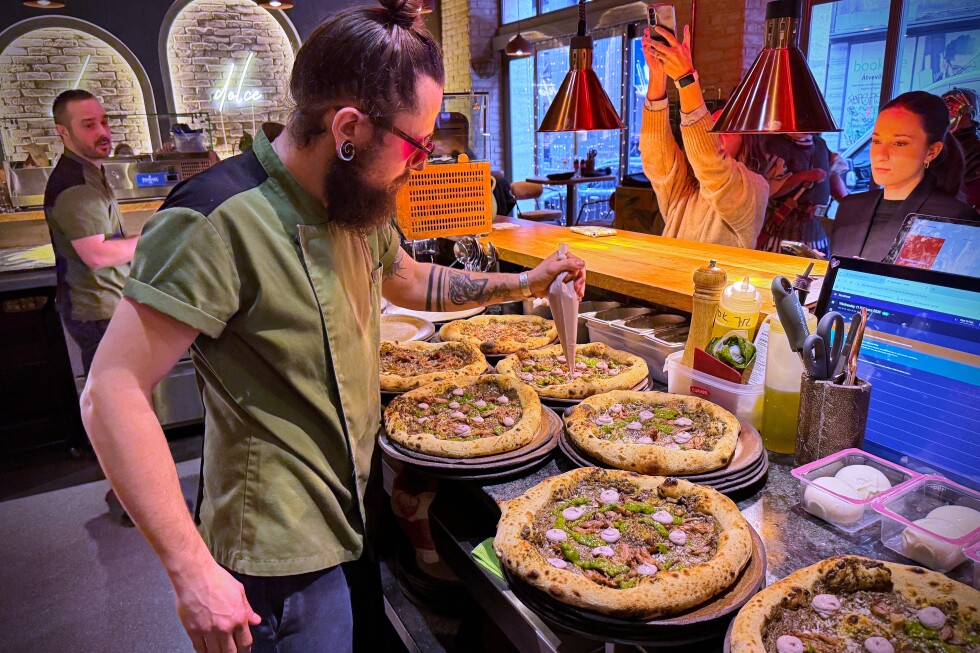
    BUDAPEST, Hungary — A pioneering pizzeria in the Hungarian capital is offering culinary adventurers a taste of ancient Rome with a historically inspired creation that predates the modern pizza by nearly two millennia. Neverland Pizzeria, located in central Budapest, has developed a limited-edition dish using exclusively ingredients available during the Roman Empire era, challenging conventional notions of what constitutes pizza.

    Founder Josep Zara explained that the project originated from a question about historical culinary practices. ‘Curiosity drove us to explore what pizza might have resembled in ancient times,’ Zara stated. ‘We journeyed back to the Roman Empire to investigate whether they consumed anything resembling pizza.’

    Historical accuracy required significant innovation since tomatoes and mozzarella—staples of contemporary pizza—were unavailable in Europe until centuries later. Archaeological discoveries, particularly a 2023 excavation in Pompeii that revealed frescoes depicting flatbreads with various toppings, provided inspiration for the culinary experiment.

    Zara conducted extensive research into Roman gastronomy, consulting with German historians and studying the ancient cookbook ‘De re coquinaria’ from the 5th century. This historical investigation yielded a list of authenticated ingredients that head chef László Bárdossy and his team incorporated into their creation.

    The development process presented substantial technical challenges. ‘We faced months of experimentation and several failed attempts,’ Bárdossy revealed. ‘The absence of modern water systems in Roman times complicated our dough preparation, as water constitutes over 80% of pizza dough.’

    The culinary team devised innovative solutions, including using fermented spinach juice as a leavening agent and incorporating ancient grains like einkorn and spelt that were commonly cultivated during the Roman period. The resulting dough possesses a denser texture than conventional pizza bases.

    The finished product features aristocratic Roman ingredients including epityrum (olive paste), garum (ubiquitous fermented fish sauce), confit duck leg, toasted pine nuts, ricotta cheese, and a grape reduction. While acknowledging the creation’s niche appeal, Bárdossy describes it as ‘something special’ that blends historical authenticity with modern culinary accessibility.

    The project reflects Neverland Pizzeria’s commitment to balancing innovation with tradition, though Zara humorously noted one modern boundary they maintain: ‘We definitely do not use pineapple.’

  • Ahmed bin Saeed launches Al Jalila Foundation’s ‘The Cancer Fund’

    Ahmed bin Saeed launches Al Jalila Foundation’s ‘The Cancer Fund’

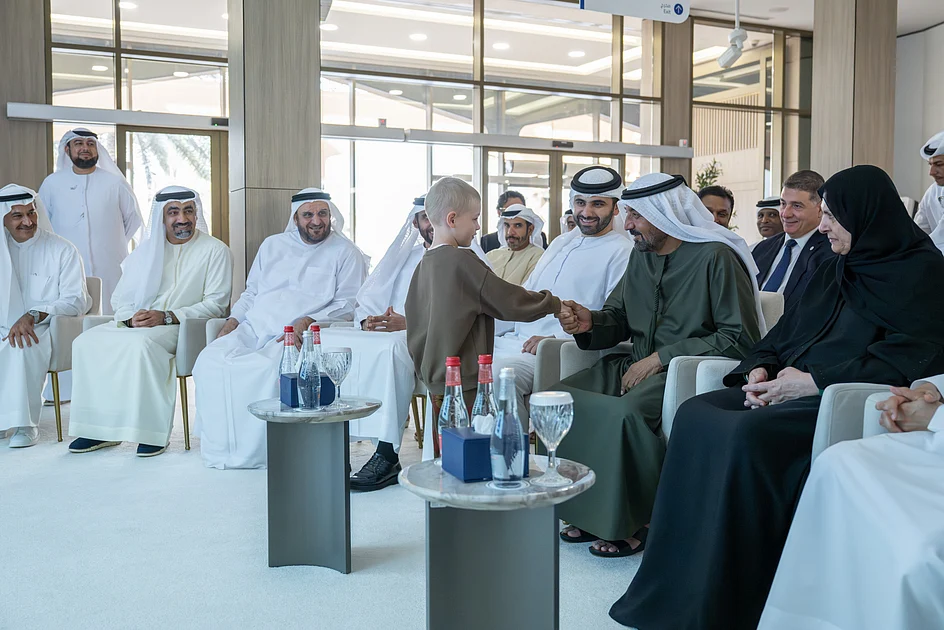
    In a significant development for healthcare philanthropy, Sheikh Ahmed bin Saeed Al Maktoum, Chairman of the Dubai Health Board of Directors, has officially launched ‘The Cancer Fund’ under the Al Jalila Foundation. The ceremony, held at Dubai Hospital, was attended by Sheikh Mansoor bin Mohammed bin Rashid Al Maktoum, Vice Chairman of the Dubai Health Board of Directors, alongside senior officials and dignitaries.

    The newly established fund represents a strategic initiative designed to provide crucial financial assistance for cancer treatment throughout patients’ recovery journeys. By mitigating the substantial economic pressures associated with cancer care, the fund ensures continuous treatment access regardless of patients’ financial circumstances.

    Concurrently, Sheikh Ahmed unveiled ‘The Giving Wall’ at Dubai Hospital, a permanent installation recognizing the generosity of donors who have supported the hospital’s treatment programs. This visual tribute highlights the community’s collective commitment to healthcare advancement.

    During the launch event, Sheikh Ahmed emphasized the UAE’s deeply ingrained cultural values of generosity and compassion, noting that current leadership continues to build upon this legacy by prioritizing citizen health and wellbeing. He praised the collaborative efforts of individuals and institutions whose contributions strengthen community philanthropic initiatives.

    Dr. Raja Easa Al Gurg, Member of Dubai Health Board of Directors and Chairperson of Al Jalila Foundation, described the fund as “a strategic step towards building a sustainable support system for patients” that represents “a forward-looking model of collaboration” between community and institutional giving. She emphasized the role of sustainable philanthropy in creating a more cohesive society.

    Dr. Amer Al Zarooni revealed that the foundation’s Ramadan 2026 campaign will be dedicated to The Cancer Fund, building upon previous success that saw AED43 million in contributions through the ‘A’awen’ program, which provided care to 650 cancer patients over the past year. The foundation now encourages individuals and organizations to support this vital initiative through various donation channels.

  • Trump vows new tariffs, attacks Supreme Court justices for ruling

    Trump vows new tariffs, attacks Supreme Court justices for ruling

    WASHINGTON — In a striking defiance of judicial authority, former President Donald Trump announced his intention to preserve existing tariff structures through alternative legal mechanisms after the Supreme Court declared his previous use of presidential powers unconstitutional.

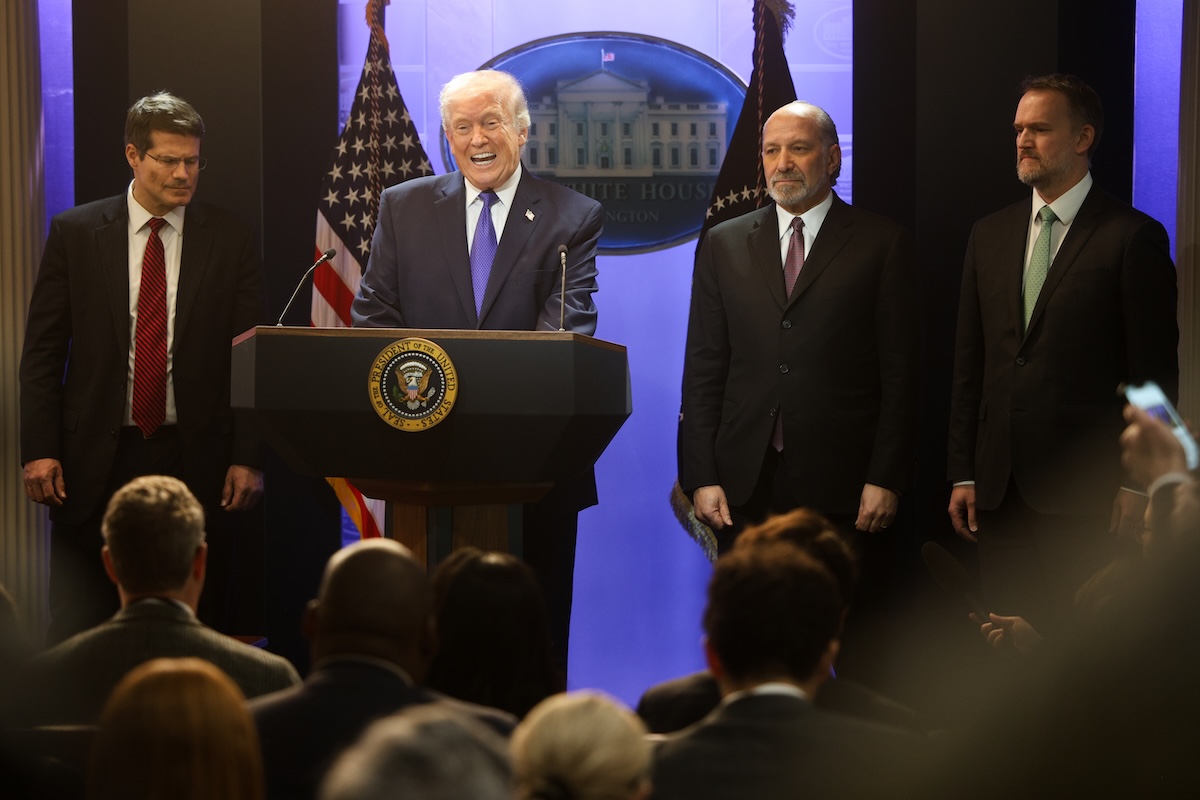
    The landmark 6-3 ruling determined that Trump had overstepped his authority under the International Economic Emergency Powers Act (IEEPA) when implementing tariffs. During an impassioned press conference at the White House briefing room, Trump delivered scathing criticism toward the six justices who formed the majority opinion, expressing profound disappointment in their decision.

    “The Supreme Court’s ruling on tariffs is deeply disappointing, and I’m ashamed of certain members of the Court—absolutely ashamed—for lacking the courage to do what’s right for our nation,” Trump stated. His condemnation extended specifically to Chief Justice John Roberts and Justices Amy Coney Barrett, Neil Gorsuch, Ketanji Brown Jackson, Elena Kagan, and Sonia Sotomayor, whom he described as “a disgrace to our nation” and “unpatriotic and disloyal to our Constitution.”

    Despite the judicial setback, Trump revealed plans to implement identical tariff measures under Section 122 authorities, asserting that alternative statutory frameworks provide even stronger presidential powers than IEEPA. He announced intentions to sign an executive order imposing a 10% global tariff overlay atop existing tariff structures.

    When questioned about restitution for billions collected under the invalidated tariffs, Trump indicated no immediate plans for reimbursement, noting that the Court’s opinion omitted specific guidance on redress. The matter would likely require extended litigation, potentially spanning years.

    The former president dismissed any necessity for congressional authorization, maintaining that existing statutes provide sufficient authority for tariff implementation. This development occurs amidst preparations for Trump’s upcoming address to a joint session of Congress, where several Supreme Court justices traditionally attend. Trump expressed indifference toward their potential attendance, suggesting they were “barely” still invited despite having no constitutional authority to exclude legislative branch guests.

  • US ambassador Huckabee says Israel has right to take over ‘all’ of Middle East

    US ambassador Huckabee says Israel has right to take over ‘all’ of Middle East

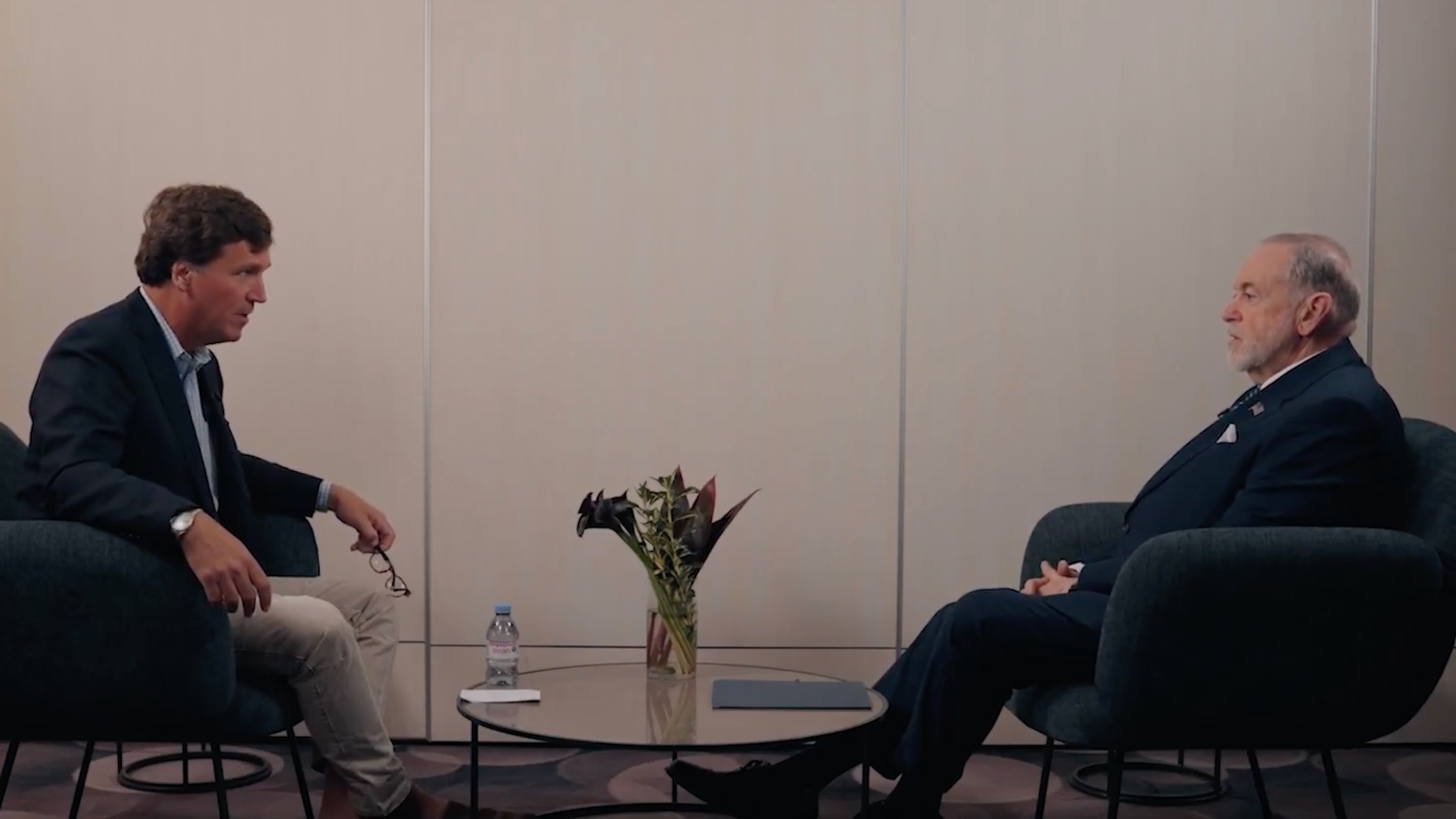
    In a televised exchange that has ignited significant controversy, US Ambassador to Israel Mike Huckabee engaged in a theological and geopolitical debate with conservative commentator Tucker Carlson regarding Israel’s territorial rights. The discussion, aired on Friday’s episode of The Tucker Carlson Show, centered on biblical interpretations of land promised to the Jewish people.

    Carlson directly questioned Huckabee about the boundaries described in Genesis 15, which references territory spanning from the Nile to the Euphrates rivers—encompassing approximately five modern nations alongside currently occupied Palestinian territories. When pressed on whether Israel held divine entitlement to this extensive region, Huckabee responded that “it would be fine if they took it all,” though he subsequently characterized this as “somewhat of a hyperbolic statement.

    The ambassador later clarified his position, asserting that Israel seeks only to protect its citizens rather than actively conquer neighboring states. However, he notably added that if Israel were attacked and subsequently victorious in such conflicts, the acquisition of additional territory would become “a whole other discussion.”

    This exchange occurs against the backdrop of Huckabee’s June statements to Bloomberg News, where he declared that establishing a Palestinian state in the occupied West Bank no longer represents US policy objectives. The ambassador suggested instead that Israel’s “Muslim neighbours” might surrender land to facilitate Palestinian statehood.

    The interview concluded with unexpected consequences for Carlson’s production team. Following his sit-down with Huckabee in Israel, Carlson reported that Israeli security officials detained him and confiscated passports, questioning his executive producer about the interview’s content. Carlson subsequently criticized both Israeli authorities and the American embassy for their handling of the incident, asserting that American citizens cannot expect their government to prioritize their interests over those of the Israeli government.

    The full 165-minute interview, released Friday, has sparked renewed debate about Christian Zionism, US foreign policy in the Middle East, and the appropriate role of religious texts in modern geopolitical discourse.

  • How will Trump’s new 10% global tariffs work and what’s next?

    How will Trump’s new 10% global tariffs work and what’s next?

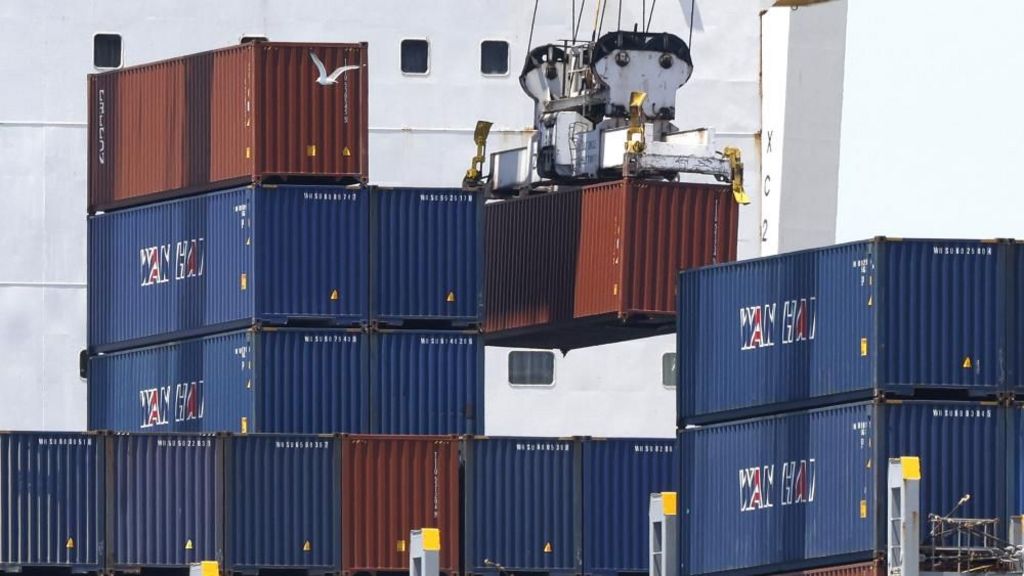
    In a landmark constitutional decision, the U.S. Supreme Court has delivered a significant check on presidential authority, ruling 6-3 that former President Donald Trump exceeded his executive powers when implementing sweeping global tariffs. The February 20th ruling specifically addressed tariffs enacted under the International Emergency Economic Powers Act (IEEPA) of 1977, which Trump had invoked citing national emergencies including fentanyl trafficking and the U.S. trade deficit.

    The court’s majority opinion emphasized that Congress alone holds the power to create new taxes, determining that IEEPA authorization for trade regulation did not extend to revenue-raising measures. This decision potentially opens the door to refund claims totaling approximately $130 billion collected through these tariffs, though the high court provided no specific guidance on reimbursement procedures, likely setting the stage for extended legal battles.

    Within hours of the ruling, President Trump issued a proclamation utilizing Section 122 of the 1974 Trade Act—a previously unused provision—to implement a new 10% temporary tariff on imports from nearly all trading partners. This emergency measure can remain in effect for 150 days before requiring congressional approval, creating a temporary solution while the administration explores permanent alternatives.

    The White House indicated that even countries with existing trade agreements (including the UK, EU, and India) would be subject to the new blanket tariff rather than their negotiated rates. Certain exemptions apply for critical materials including pharmaceuticals, electronics, vehicles, aerospace products, and agricultural commodities deemed essential to the U.S. economy.

    Treasury Secretary Scott Bessent projected that combining Section 122 tariffs with enhanced duties under Section 232 (national security) and Section 301 (unfair trade practices) authorities would essentially offset revenue losses from the overturned IEEPA tariffs. The administration continues to investigate additional legal avenues for maintaining its protectionist trade agenda.

    The ruling represents a substantial judicial constraint on Trump’s economic nationalism agenda, though numerous industry-specific tariffs implemented under other statutes remain unaffected. Business communities expressed cautious optimism while acknowledging potential complications from the new temporary tariffs and uncertain refund processes that may disadvantage smaller enterprises lacking legal resources.

  • Supreme Court says little about redress for Trump tariff damages

    Supreme Court says little about redress for Trump tariff damages

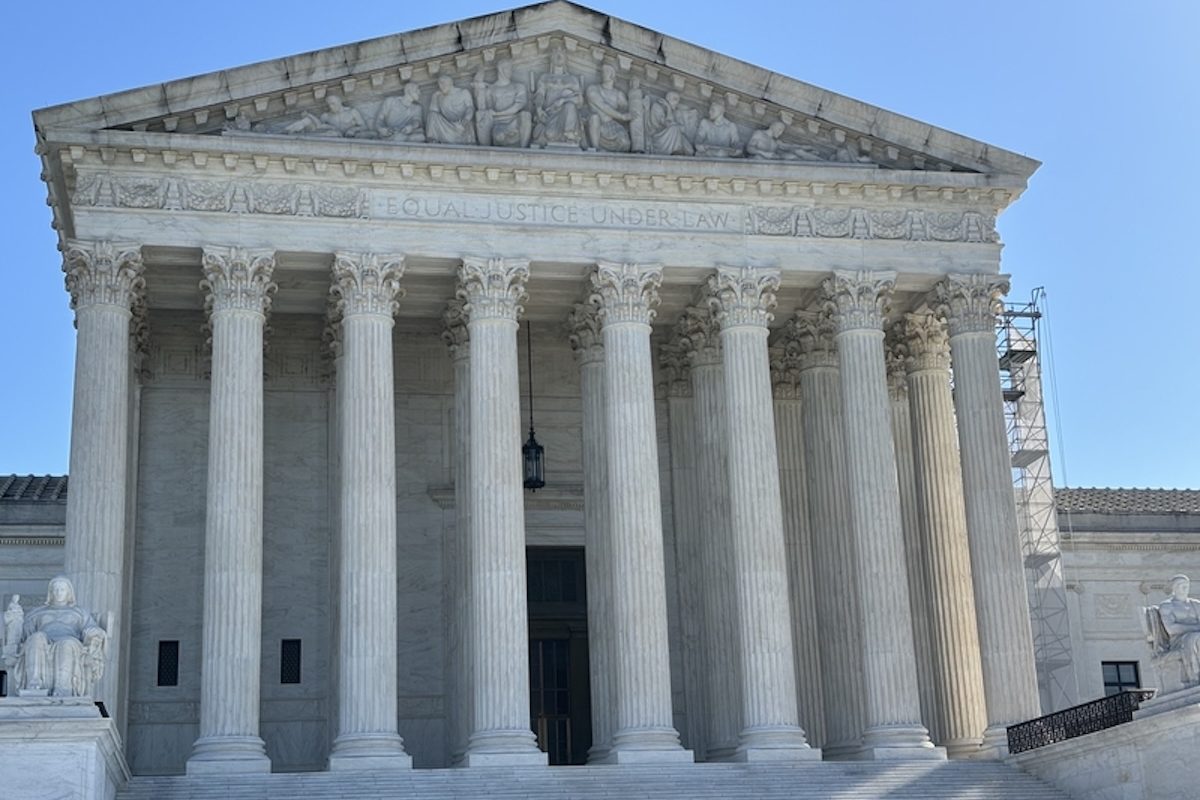
    In a landmark 6-3 ruling on Friday, the US Supreme Court declared that former President Donald Trump overstepped his executive authority by invoking emergency powers to impose sweeping global tariffs. Chief Justice John Roberts, writing for the majority, asserted that the 1977 International Emergency Economic Powers Act (IEEPA) contains no provision granting unilateral tariff-imposing power to the president.

    The decision in Learning Resources, Inc. v. Trump represents a severe judicial blow to Trump’s signature trade policy, which triggered international trade conflicts and imposed substantial financial burdens on American consumers and businesses. The ruling specifically invalidates two major tariff categories: country-specific ‘reciprocal’ tariffs (ranging from 34% on China to 10% baseline rates) and a 25% levy on certain goods from Canada, China, and Mexico related to fentanyl policy disputes.

    According to congressional Democratic analysis released following the verdict, the average American family has absorbed over $1,700 in additional costs since the implementation of these tariffs during Trump’s second term. The policy also failed to achieve its stated economic objectives, with manufacturing jobs declining by approximately 108,000 in the first year of implementation and no measurable improvement in the US trade deficit.

    While businesses may pursue tariff refunds through lengthy administrative processes, consumers face minimal prospects for recovering their increased expenses. Policy experts warn that economic repercussions will persist for years, with Groundwork Collaborative’s Alex Jacquez noting that ‘any consumer looking for relief from tariff-driven price hikes did not find it at the Supreme Court today.’

    The ruling has prompted immediate evaluation of alternative legal mechanisms within the Trump administration, including Section 122 of the Trade Act of 1974, which provides broader tariff authority with fewer procedural constraints. Congressional Democrats have expressed concern that the decision may merely redirect rather than eliminate Trump’s tariff ambitions, with Representative Brendan Boyle warning of continued ‘unhinged economic sabotage’ through alternative statutory pathways.