The ongoing military conflict in the Middle East has triggered severe disruptions across global energy markets and financial systems, with escalating tensions between the U.S., Israel, and Iran driving uncertainty and economic instability worldwide.
European and Asian equity markets witnessed sharp declines at the start of the week. London’s FTSE 100 dropped 1.4%, while Paris and Frankfurt indices fell 1.7% and 2.0% respectively, reflecting investor anxiety over geopolitical risks and potential supply chain interruptions.
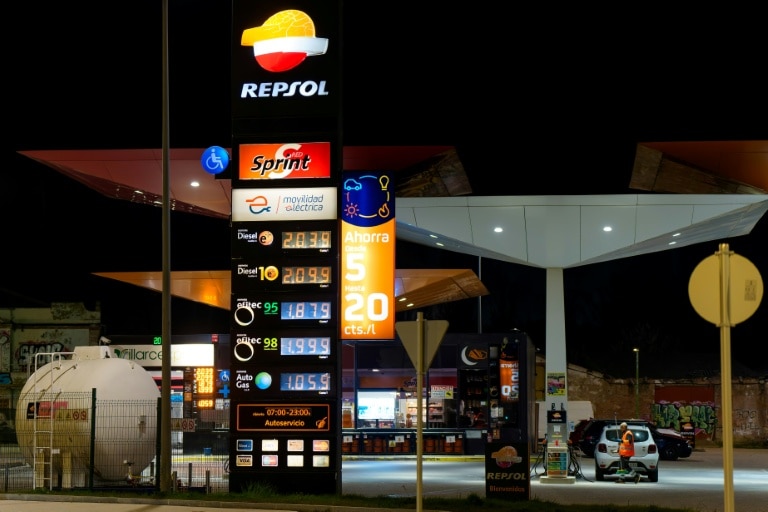
Oil prices surged significantly amid the turmoil. West Texas Intermediate crude breached the $100 per barrel mark, while North Sea Brent crude climbed above $113. These increases follow warnings from U.S. and Israeli officials that military operations against Iran may extend for several more weeks, directly impacting the critical Strait of Hormuz shipping corridor.
International Energy Agency Executive Director Fatih Birol issued a grave warning, stating the global economy faces a “major threat” from the energy crisis stemming from the conflict. He emphasized that “no country will be immune” to its effects, noting that at least 40 energy assets across nine regional nations have sustained severe damage.
Multiple nations are implementing emergency measures to mitigate economic fallout. Indonesia plans fuel-conservation strategies including remote work policies for government employees, anticipating savings up to $4.7 billion. Australia and Singapore have agreed to strengthen cooperation ensuring stable supplies of oil, LNG, and diesel amid shared concerns about regional energy security.
Industry leaders are gathering at the CERAWeek energy conference in Houston, where discussions are dominated by supply disruptions caused by the conflict. The event has taken on increased significance as fuel prices continue climbing since hostilities began in late February.
U.S. Treasury Secretary Scott Bessent defended the temporary suspension of sanctions on Iranian and Russian oil, arguing that allowing discounted sales to China prevented prices from spiking to $150 per barrel. Meanwhile, TotalEnergies CEO Patrick Pouyanne warned that a prolonged conflict exceeding six months would damage all global economies, though existing inventories might buffer shorter-term impacts.
In Southeast Asia, Cambodian energy supplier Sokimex announced it will temporarily suspend liquefied petroleum gas sales beginning April 1 due to supply chain disruptions caused by the war, highlighting the conflict’s far-reaching consequences on energy availability.