
Journalists in the Maldives are gearing up to challenge a controversial new media law in the country’s Supreme Court, claiming it threatens press freedom and imposes harsh penalties on violators. The Maldives Media and Broadcasting Regulation Bill, signed into law by President Mohamed Muizzu on Thursday, establishes a seven-member Maldives Media and Broadcasting Commission with extensive authority over media and social media platforms. The commission has the power to suspend media registrations, block websites, halt broadcasts, and impose fines ranging from MVR 5,000 ($325) to MVR 100,000 ($6,500) on journalists and outlets. Critics argue that the commission, with three members and its chair appointed by the president, is effectively government-controlled, undermining its independence. The Maldives Journalists Association (MJA) has condemned the law, asserting that media should be self-regulated and free from state interference. MJA President Naaif Ahmed vowed to challenge the legislation in court, stating, ‘We will not obey this law. We will go to the Supreme Court and ask it to dismantle this law.’ Meanwhile, Foreign Minister Abdulla Khaleel defended the law on social media, claiming it unifies oversight, ensures transparency, and modernizes media standards. The Maldives, a nation of 530,000 people, has faced political tensions and geopolitical competition between India and China in recent years. Despite having 200-300 registered media outlets, fewer than 100 are active, and the country ranks 104th on the 2025 World Press Freedom Index by Reporters Without Borders, reflecting ongoing challenges to press freedom.
作者: admin
-

Ukrainian military in counteroffensive on eastern front, Zelenskiy says
In a significant development in the ongoing conflict between Ukraine and Russia, Ukrainian President Volodymyr Zelenskiy announced on Thursday that Ukrainian forces have successfully reclaimed seven settlements in the eastern Donetsk region. Speaking during a visit to the front lines, Zelenskiy emphasized that the counteroffensive has disrupted Russia’s plans for a full-scale offensive operation. ‘Our forces are depriving the occupier of the opportunity to carry out their long-planned offensive,’ he stated in a video address. Since the operation began, Ukrainian troops have regained control of 160 square kilometers (62 square miles) and cleared over 170 square kilometers of Russian presence, including nine additional settlements. The President did not specify the exact start date of the operation but highlighted the intense fighting in areas such as Dobropillia and Pokrovsk, where Russian forces had made rapid advances in mid-August. The Donetsk region, partially occupied by Russia, remains a focal point of the conflict, with Moscow demanding Kyiv’s withdrawal as a precondition for any peace settlement. Tragically, a Russian guided bomb strike on Thursday killed five civilians in Kostiantynivka, located approximately 40 kilometers (25 miles) from Dobropillia. Russian forces have reportedly advanced to within 8 kilometers of the city, a critical logistics hub for Ukrainian defenses. The battlefield situation remains fluid, with Reuters unable to independently verify the latest developments in the war that began with Russia’s full-scale invasion in February 2022.
-
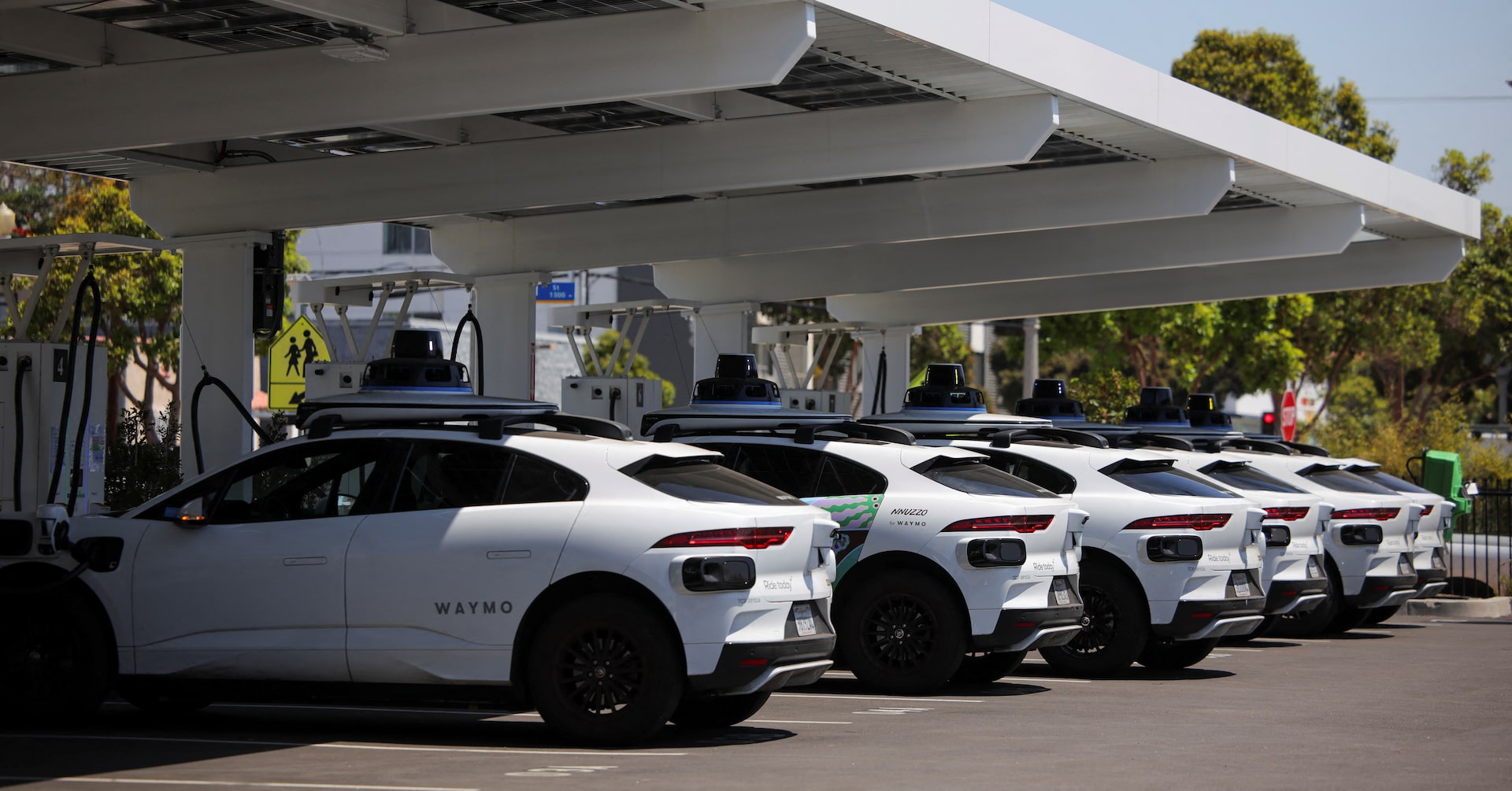
Waymo and Via to offer robotaxis for public transit, starting with Arizona
In a groundbreaking move, Alphabet’s autonomous vehicle subsidiary, Waymo, has announced a strategic partnership with Via Transportation, a leading public transit software provider. The collaboration will integrate Waymo’s self-driving vehicles into Via’s platform, starting with Chandler, Arizona’s on-demand public transit service, Chandler Flex, this fall. This initiative marks a significant step in making autonomous vehicles (AVs) accessible to millions of public transit users globally. Via’s technology powers public transportation systems in over 30 countries, and this partnership aims to enhance mobility, reduce operational costs, and improve safety outcomes. Daniel Ramot, Via’s co-founder and CEO, expressed enthusiasm about the collaboration, highlighting its potential to revolutionize public transit. Waymo has been expanding its footprint in the U.S., recently announcing plans to launch autonomous cab services in Nashville, Tennessee, in partnership with Lyft. Since its debut in Phoenix in 2020, Waymo has extended its paid driverless services to major cities, including San Francisco, Los Angeles, Austin, and Atlanta. Meanwhile, Tesla has also entered the robotaxi arena, launching a limited service in Austin in June, with plans to expand to the San Francisco Bay Area. This partnership underscores the accelerating race in the autonomous vehicle sector, with companies vying to integrate AVs into mainstream transportation systems.
-
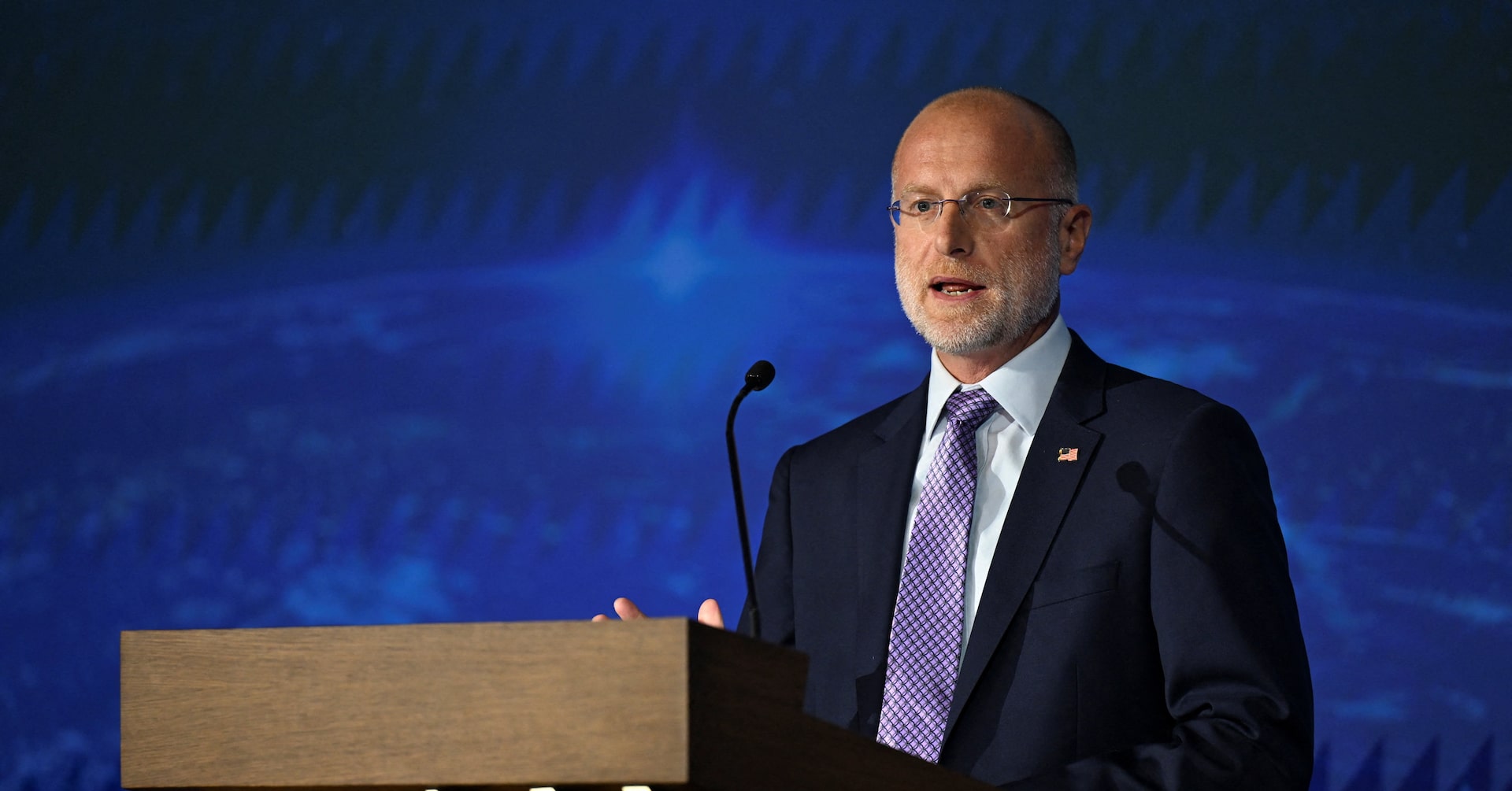
US House Democrats call on FCC chair to resign after pressuring Disney
In a dramatic escalation of tensions between Democratic leaders and the Federal Communications Commission (FCC), House Democratic Leader Hakeem Jeffries and other prominent figures have called for the resignation of FCC Chair Brendan Carr. The demand follows allegations that Carr pressured Walt Disney Co. and ABC affiliates to cease airing “Jimmy Kimmel Live” after the late-night host made controversial remarks about Charlie Kirk’s assassination. Jeffries accused Carr of “disgracing the office he holds by bullying ABC, the employer of Jimmy Kimmel, and forcing the company to bend the knee to the Trump administration.” This incident is the latest in a series of controversies surrounding Carr’s tenure. Earlier this year, congressional Democrats launched an investigation into what they termed “sham” probes targeting major media outlets, including CBS, NBC, and ABC, alleging these actions were designed to intimidate the press. The call for Carr’s resignation underscores the deepening rift between the FCC and Democratic lawmakers, who view his actions as a threat to media freedom and democratic principles.
-
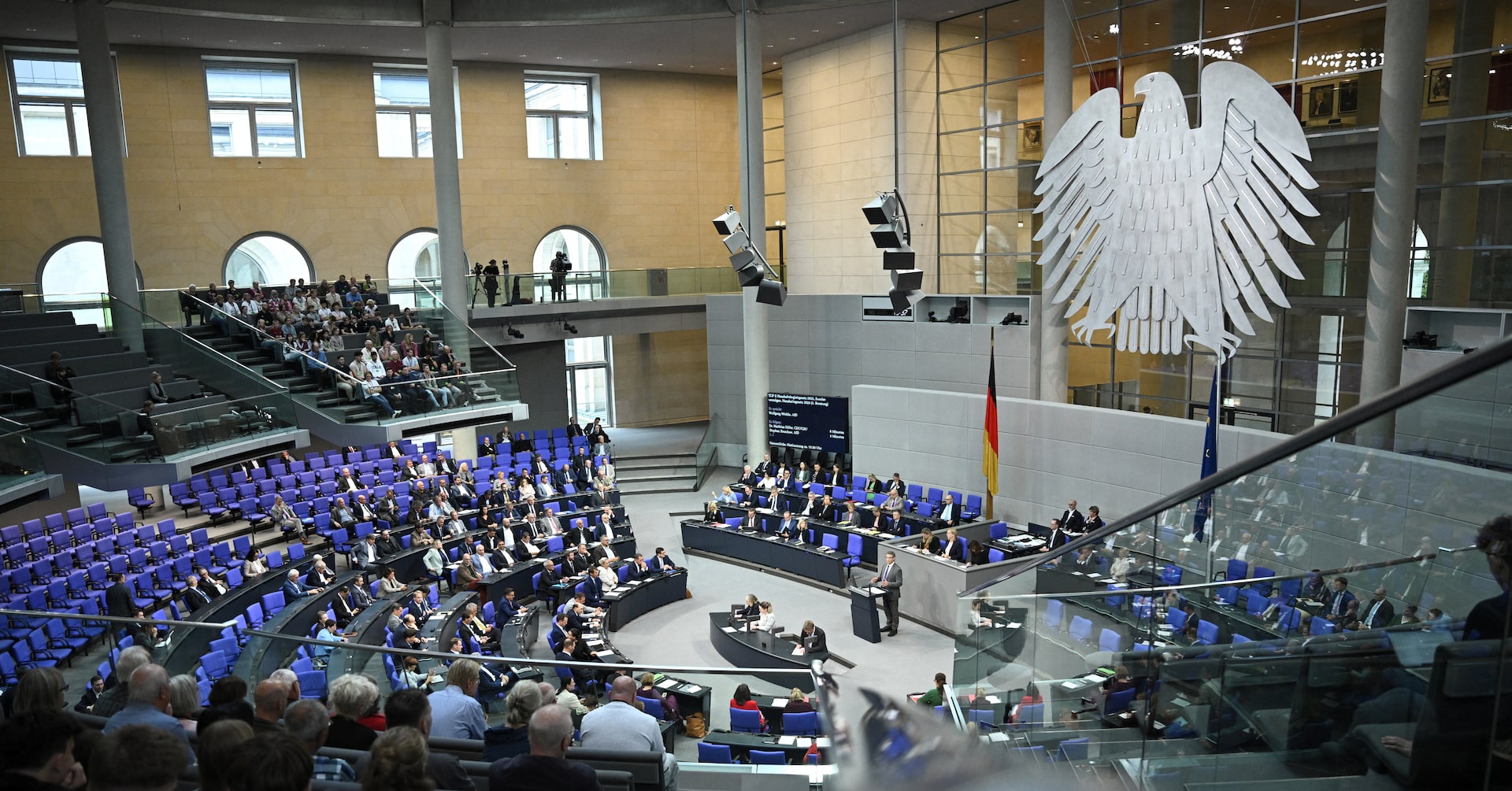
Germany approves 2025 budget, ushering in new era of spending
In a landmark decision, Germany’s Bundestag, the lower house of parliament, has approved the nation’s 2025 federal budget, marking a significant departure from decades of fiscal conservatism. The budget, passed on September 18, 2025, in Berlin, allocates a record €116 billion ($136.94 billion) in investments, enabled by a €500 billion infrastructure fund and exemptions from debt rules for defense spending, which were approved earlier in March. Finance Minister Lars Klingbeil hailed the budget as a ‘huge paradigm shift in German fiscal policy,’ emphasizing its role in revitalizing the economy and bolstering national defense. The budget reflects Germany’s commitment to increased military spending, particularly in support of Ukraine and NATO allies, while addressing the economic stagnation that has plagued Europe’s largest economy. The 2025 budget also includes a core borrowing plan of €81.8 billion, with total borrowing rising to €143.2 billion when accounting for special funds for infrastructure and defense. This fiscal shift comes after Germany operated on a provisional budget in 2024 due to the collapse of the former ruling coalition. Looking ahead, Chancellor Friedrich Merz’s coalition government faces challenges in balancing future budgets, particularly with a projected €30 billion shortfall in 2027. Difficult debates on welfare cuts and spending priorities are expected, as the coalition seeks to reconcile differing views between conservative and Social Democrat partners. Parliament is set to begin discussions on the 2026 budget next week, with final approval anticipated in November.
-
South African central bank maintains key rate in split decision
In a closely watched decision, the South African Reserve Bank (SARB) maintained its benchmark interest rate at 7% during its latest Monetary Policy Committee (MPC) meeting on Thursday. The outcome followed a split vote, with four members advocating for unchanged rates and two pushing for a 25 basis point reduction. This decision comes as headline inflation in South Africa unexpectedly decelerated to 3.3% year-on-year in August, down from 3.5% in July, hovering near the lower end of the central bank’s 3%-6% target range. Economists had anticipated a tight call between a rate hold and a modest cut, reflecting the delicate balance between supporting economic growth and managing inflationary pressures. In July, the SARB had reduced its policy rate by 25 basis points, signaling a shift in its inflation targeting strategy from aiming for the midpoint (4.5%) to the lower bound (3%) of its target range. The central bank’s cautious approach underscores its commitment to stabilizing inflation while navigating economic uncertainties. The decision is expected to influence borrowing costs, consumer spending, and investor confidence in Africa’s largest economy.
-

Former chief of UK directors’ lobby group banned for COVID loan abuse
Anna Daroy, a former director general of the Institute of Directors (IoD), has been disqualified from holding company directorships for 11 years after exploiting the UK government’s Bounce Back Loan Scheme during the COVID-19 pandemic. The 61-year-old, who was once shortlisted for the ‘Businesswoman of the Year’ award, secured two £50,000 loans for her management consultancy, Globepoint Associates Ltd, in 2020, despite the scheme’s rule limiting companies to a single loan. The Insolvency Service, which announced the ban on Thursday, stated that Daroy should have repaid one of the loans, which were obtained from separate banks within five days. Globepoint Associates Ltd went into liquidation in March 2023 with both loans unpaid. Kevin Read, chief investigator at the Insolvency Service, criticized Daroy’s actions, emphasizing that the loans were intended to support struggling businesses, not to be misused. Daroy, who served as interim chief operating officer and interim director general of the IoD from October 2018 to November 2019, has not publicly commented on the matter. The Insolvency Service has disqualified over 2,400 directors for similar abuses of COVID financial support schemes. The IoD reiterated its commitment to high standards of conduct and stated that any member disqualified as a director would have their membership terminated.
-
US holiday shopping growth to cool this year, Mastercard forecasts
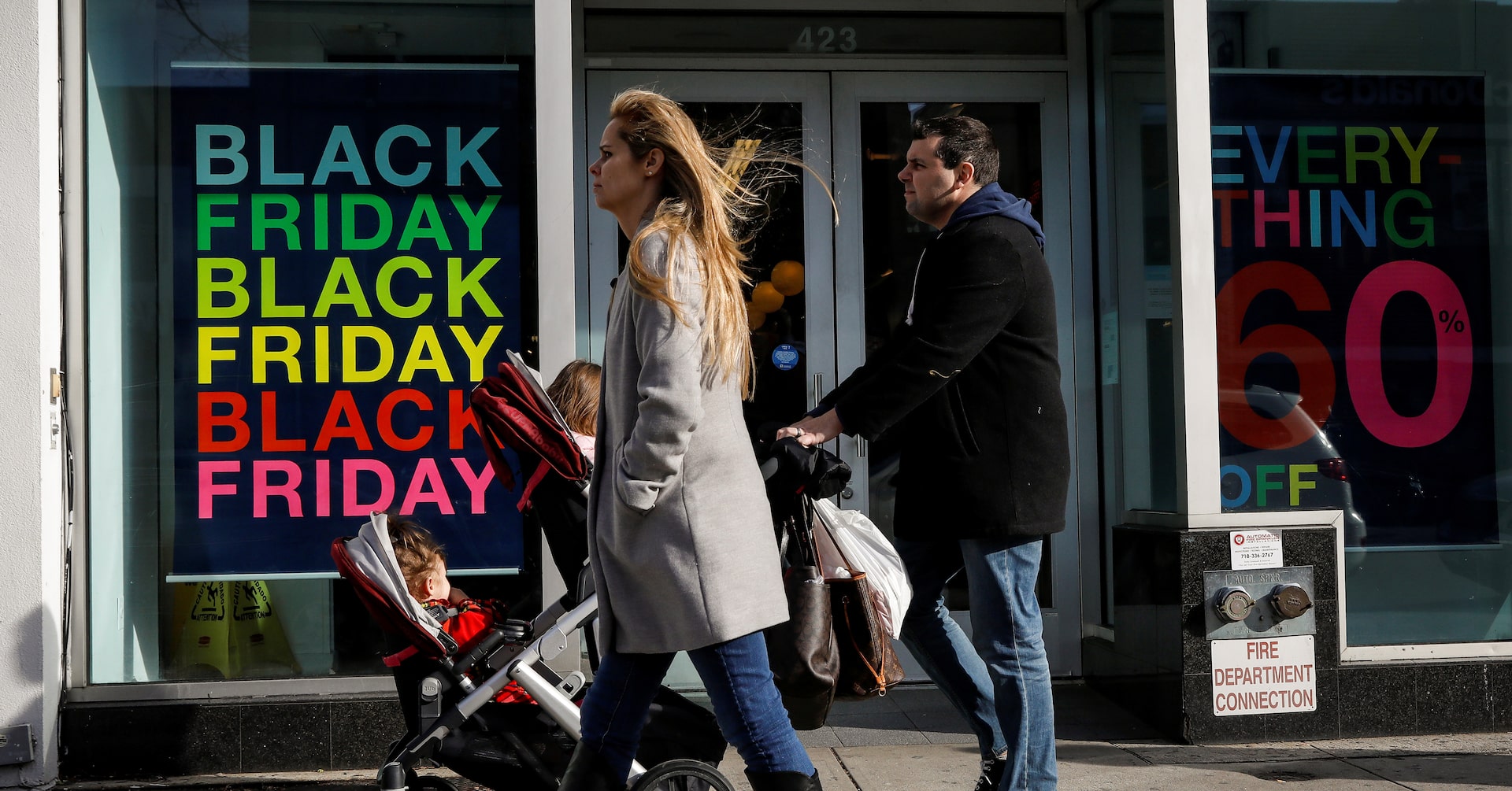
The U.S. holiday shopping season is anticipated to experience a moderated growth in sales this year, according to a recent forecast by Mastercard. The Mastercard Economics Institute projects a 3.6% increase in retail sales from November 1 to December 24, a decline from the 4.1% growth recorded during the same period last year. This slowdown is attributed to consumers prioritizing discounts and promotions in response to persistent inflation and broader macroeconomic uncertainties. The report highlights that the Trump administration’s fluctuating trade policies have escalated the costs of goods, further dampening consumer demand. Additionally, the shortened interval between Thanksgiving and Christmas this year, coupled with the early rollout of promotions, is expected to bolster online sales at the onset of December. Michelle Meyer, Chief Economist at Mastercard Economics Institute, emphasized that while the total spending may not differ significantly from last year, the composition of spending will shift, with pricing becoming a more critical factor due to the impact of tariffs. Online sales are forecasted to rise by 7.9%, a slight decrease from the 8.6% growth observed last year, while in-store sales are projected to grow by 2.3%, down from 2.8% in the 2024 holiday season. Mastercard’s forecast, derived from SpendingPulse insights, which track in-store and online retail sales across all payment methods excluding automotive sales, aligns with recent subdued projections from Salesforce and mixed forecasts from major retailers. Target and Best Buy have maintained their annual forecasts, whereas Walmart and Macy’s have raised theirs. Conversely, toymaker Mattel has reduced its forecast. As retailers navigate these challenges, the holiday shopping season remains a pivotal driver of annual sales, albeit under more constrained economic conditions.
-

China’s DeepSeek says its hit AI model cost just $294,000 to train
In a groundbreaking revelation, Chinese AI developer DeepSeek disclosed that it spent a mere $294,000 to train its R1 model, a figure significantly lower than the costs reported by its U.S. counterparts. This disclosure, published in a peer-reviewed article in the journal Nature on September 18, 2025, is poised to reignite discussions about China’s role in the global AI race. The Hangzhou-based company, which has largely remained out of the public eye since its January 2025 announcement of lower-cost AI systems, detailed that the R1 model was trained using 512 Nvidia H800 chips over 80 hours. The article, co-authored by DeepSeek founder Liang Wenfeng, also revealed that the company utilized Nvidia A100 GPUs in the preparatory stages of development, a fact that had not been previously disclosed. This revelation comes amidst ongoing scrutiny from U.S. companies and officials regarding DeepSeek’s access to advanced AI chips, particularly after the U.S. imposed export controls on high-performance chips to China in October 2022. Despite these challenges, DeepSeek has managed to attract top talent in China, partly due to its operation of an A100 supercomputing cluster, a rarity among domestic firms. The company’s cost-effective approach to AI development has already had a significant impact on global markets, prompting investors to reevaluate the dominance of established AI leaders like Nvidia.
-
US weekly jobless claims fall, but labor market softening
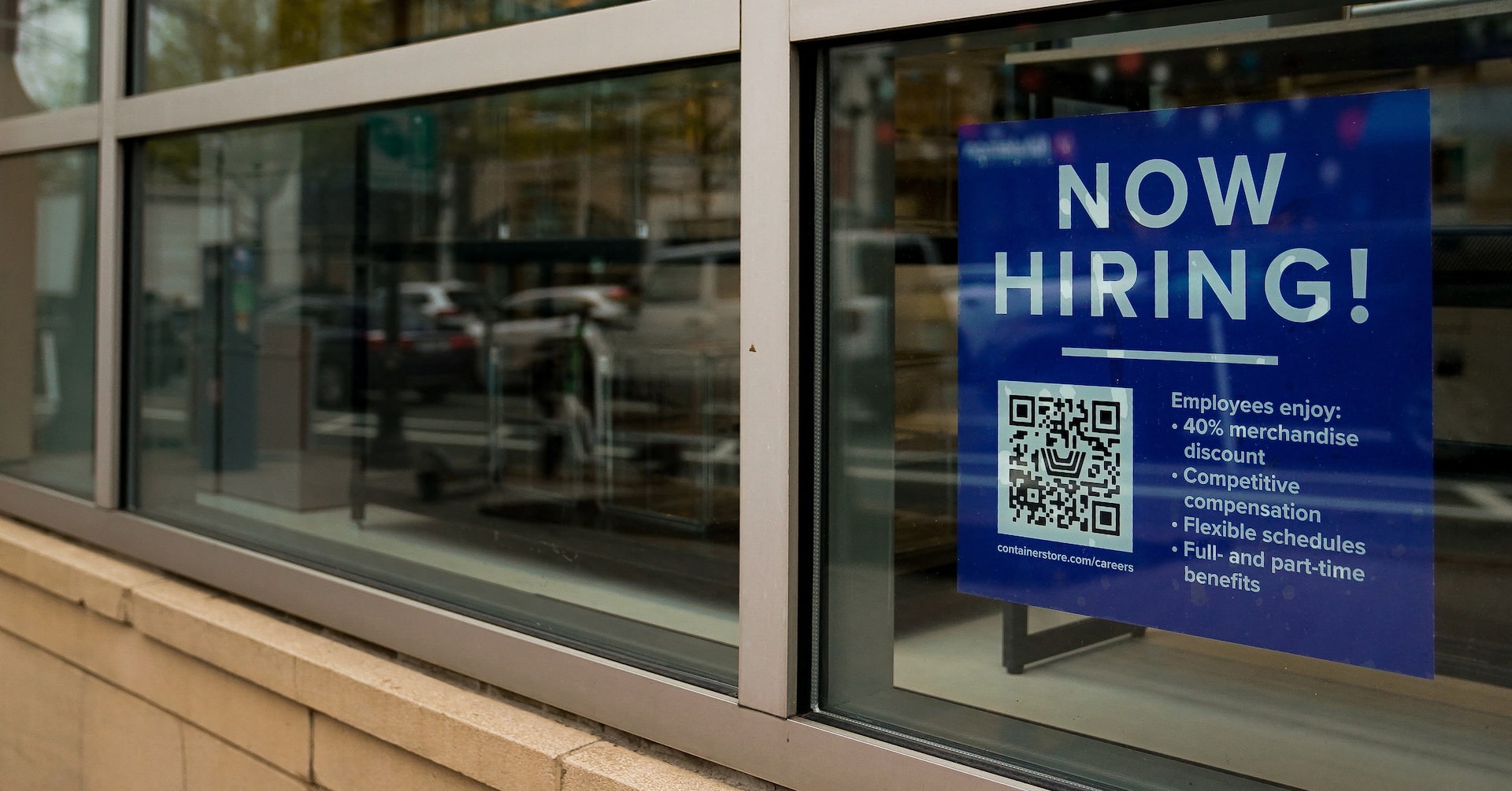
The U.S. labor market is showing signs of softening as both the demand for and supply of workers have diminished, according to recent data. Initial claims for state unemployment benefits dropped by 33,000 to a seasonally adjusted 231,000 for the week ending September 13, partially reversing a surge from the previous week. However, the hiring side of the market has nearly stalled, with payrolls increasing by only 22,000 jobs in August and averaging 29,000 positions per month over the last three months. The unemployment rate is nearing a four-year high of 4.3%, and the average duration of joblessness has risen to 24.5 weeks, the longest since April 2022. Economists attribute the slowdown in hiring to uncertainty caused by import tariffs and a reduction in labor supply due to stricter immigration policies. Federal Reserve Chair Jerome Powell described the situation as a ‘curious balance,’ where both supply and demand have sharply declined. In response, the Fed cut its benchmark interest rate by a quarter-percentage-point to a 4.00%-4.25% range and projected further reductions for the rest of 2025 to support the labor market. Despite low layoffs, those who lose their jobs are facing prolonged unemployment due to the sluggish pace of hiring.