作者: admin

  • Greece’s Golden Visa: A prime opportunity for UAE investors

    Greece’s Golden Visa: A prime opportunity for UAE investors

    Greece has positioned its Golden Visa Programme as Europe’s most accessible residency-by-investment scheme, offering multiple pathways for foreign investors seeking European residence rights. With investment thresholds starting at €250,000 for real estate, the program provides significant advantages for UAE investors looking to diversify their international portfolio.

    The program’s flexibility stands out among European alternatives, permitting investments through various channels including €500,000 fixed-term deposits with capital guarantee, €350,000 mutual fund share purchases, or €350,000 allocations to Alternative Investment Funds. The residence permit obtained through this program grants visa-free access throughout the Schengen area, with no minimum stay requirements beyond the initial biometrics appointment.

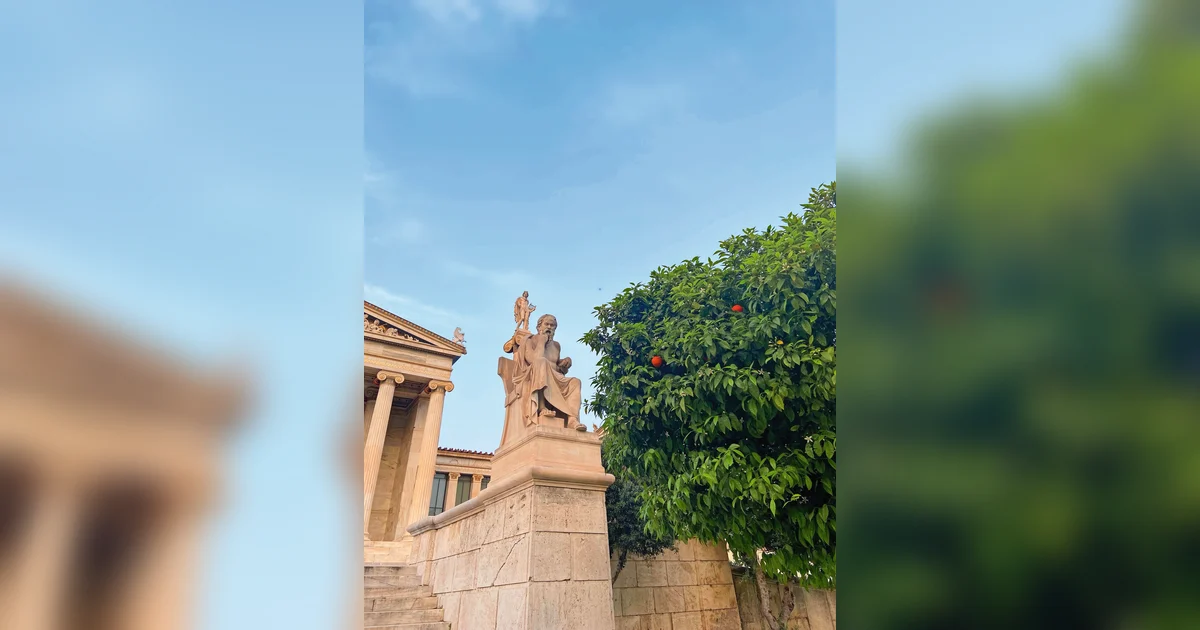
    Current market conditions present particularly favorable opportunities in the Athenian real estate sector. While certain central districts now require €800,000 investments for properties exceeding 120m², converted industrial and commercial properties as well as renovated listed buildings remain available at the €250,000 minimum threshold without surface area restrictions. These properties typically come fully remodeled with clear title deeds and minimal development completion risks.

    The processing efficiency represents another significant advantage, with specialized legal firms capable of reducing the typical bureaucratic delays. Through strategic affiliations with various consular services in Athens, some providers can guarantee residency permit issuance within approximately three months from the final sales agreement execution.

    Prospective investors are advised to engage independent local legal counsel for proper due diligence during property selection and banking procedures, rather than relying on all-inclusive promoter packages that may not adequately protect purchaser interests.

  • Dominica’s citizenship programme boosts tourism and investment

    Dominica’s citizenship programme boosts tourism and investment

    The Commonwealth of Dominica, celebrated as the ‘Nature Isle’ for its distinctive volcanic landscapes and ecological diversity, is experiencing remarkable economic transformation through its innovative Citizenship by Investment Programme (CIP). This strategic initiative has positioned the island nation as an emerging hub for global investors and luxury travelers alike.

    Since its establishment in 1993 and expanded in 2015, Dominica’s CIP offers two primary investment pathways: a $200,000 contribution to the government fund or equivalent investment in approved real estate developments. The program grants successful applicants full citizenship rights, enhanced global mobility, and multi-generational transfer benefits, establishing Dominica as a competitive player in the investment migration industry.

    The economic impact extends beyond direct revenue generation. Tourism infrastructure is undergoing significant enhancement with a new international airport scheduled for completion by 2027 and a super yacht marina development in the island’s northern region. These projects coincide with record-breaking visitor numbers in 2025, with notable recognition from prestigious travel publications including The New York Times and National Geographic.

    Recent program enhancements include mandatory interviews for applicants and revised eligibility criteria for dependents, strengthening the program’s integrity while maintaining its accessibility. Post-citizenship support services provide comprehensive assistance with tax registration and social security integration, particularly appealing to sophisticated investors seeking advantageous estate planning solutions.

    Authorized agents like Vardikos & Vardikos, operating since 2005 with international offices and promoter networks, facilitate streamlined application processes typically completed within four months. This efficient framework has made Dominica’s CIP one of the Caribbean’s most cost-effective citizenship solutions, simultaneously driving infrastructure development, tourism growth, and economic diversification for the island nation.

  • Greece working with another 4 European countries to set up migrant deportation hubs outside EU

    Greece working with another 4 European countries to set up migrant deportation hubs outside EU

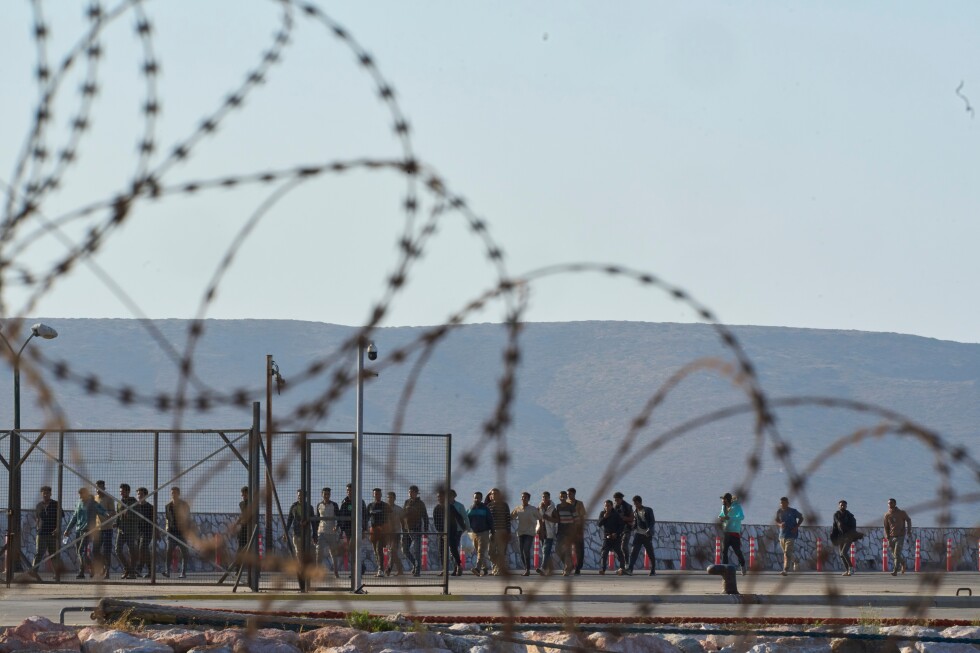
    In a significant hardening of European migration policy, Greece has joined forces with four other EU member states to establish deportation facilities in third countries, with African nations emerging as the preferred location. Greek Migration Minister Thanos Plevris confirmed the collaborative effort with Germany, the Netherlands, Austria, and Denmark during a national television broadcast on Wednesday.

    The initiative, described as moving from theoretical discussion to practical implementation, aims to create ‘return hubs’ for migrants whose asylum claims have been denied and whose countries of origin refuse repatriation. Minister Plevris revealed that technical teams from the five nations will convene next week to advance the plan, following preliminary ministerial discussions. While emphasizing the African continent as the preferred location, Plevris noted this selection remains ‘not binding’ and indicated that larger European partners are leading negotiations with potential host countries.

    The proposed centers would serve dual purposes: processing individuals ineligible for asylum while simultaneously functioning as a deterrent to prospective migrants with weak protection claims. Although the minister projected an initial framework within months, specific operational timelines remain undetermined.

    This development occurs against the backdrop of Greece’s strategic position as a primary EU entry point for those fleeing conflict and poverty across the Middle East, Africa, and Asia. Tens of thousands undertake perilous sea journeys annually, either from Turkey to nearby Aegean islands or via the longer Mediterranean route from North Africa to southern Greek islands.

    Athens has increasingly adopted stringent migration measures, despite allegations from human rights organizations regarding illegal pushback operations—claims the government vehemently denies. Minister Plevris cited a 21% reduction in illegal arrivals for 2025 compared to 2024, representing 13,000 fewer migrants, alongside a 40% decrease over the past five months.

    The European context further solidified last week when EU lawmakers approved new immigration policies permitting member states to deny asylum and deport migrants originating from designated safe countries or those who could seek protection in nations outside the bloc.

    With Greece currently processing 5,000-7,000 annual returns against 40,000-50,000 new arrivals—approximately half resulting in rejected applications—Plevris acknowledged existing repatriation rates as insufficient. The minister will travel to Rome next week for trilateral discussions with Italian and Spanish counterparts, including a scheduled meeting with Pakistani officials to enhance cooperation with countries of origin.

  • Dubai’s Al Rowaiyah Street now open; set to link E311 with Nadd Hessa, DSO

    Dubai’s Al Rowaiyah Street now open; set to link E311 with Nadd Hessa, DSO

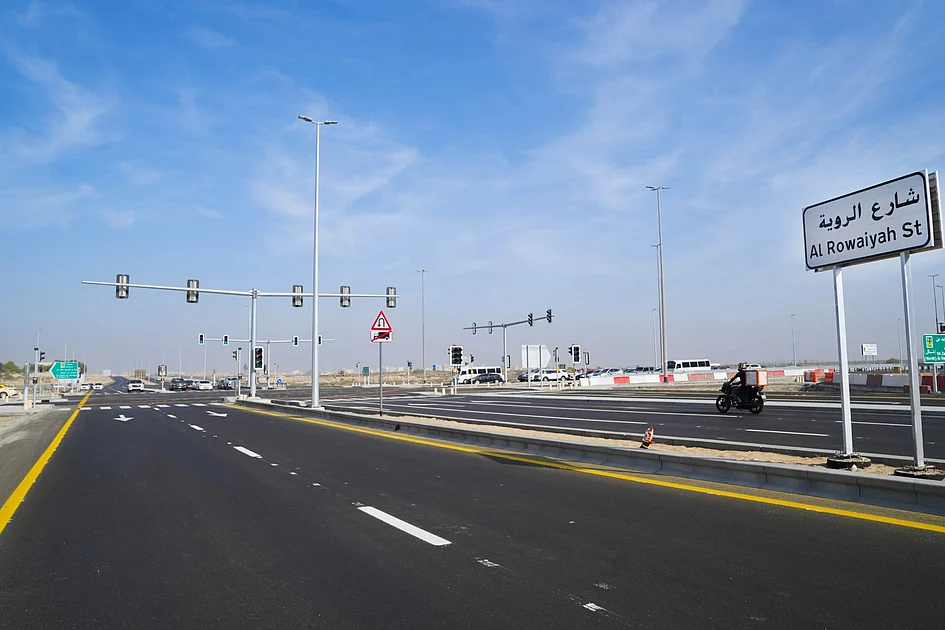
    Dubai’s Roads and Transport Authority (RTA) has officially announced the completion and opening of the transformative Al Rowaiyah Street project, marking a significant advancement in the emirate’s urban infrastructure network. The newly developed 3.5-kilometer arterial road establishes a vital direct connection between Sheikh Mohammed bin Zayed Road (E311) and Sheikh Zayed bin Hamdan Al Nahyan Street, dramatically improving accessibility to four key districts: Nadd Hessa residential area, Dubai International Academic City, Dubai Silicon Oasis, and Warsan 4.

    The comprehensive infrastructure development included the strategic conversion of the previously problematic Knowledge and Human Development Authority roundabout into a modern signalized intersection, significantly enhancing traffic safety measures at this crucial junction. In alignment with Dubai’s commitment to sustainable urban development, the project incorporated an extensive 2-kilometer dedicated cycling track network designed to promote healthy lifestyle choices and encourage the adoption of soft mobility transportation alternatives.

    The transportation enhancements deliver substantial practical benefits, with capacity on Sheikh Zayed bin Hamdan Al Nahyan Street increasing by approximately 40 percent. Commuters will experience dramatically reduced travel times, with journeys to Sheikh Mohammed bin Zayed Road now taking just 4 minutes compared to the previous 10-minute duration—representing a 60 percent improvement in transit efficiency. These infrastructure upgrades are projected to benefit over 80,000 residents by 2030 while supporting smoother traffic circulation and enhanced mobility throughout the connected districts.

  • Turkey’s president rejects Israel’s recognition of Somaliland

    Turkey’s president rejects Israel’s recognition of Somaliland

    Turkish President Recep Tayyip Erdogan has publicly denounced Israel’s formal recognition of Somaliland as an independent state during his official visit to Ethiopia. Speaking at a joint press conference with Ethiopian Prime Minister Abiy Ahmed in Addis Ababa, Erdogan characterized the recognition as potentially destabilizing for the volatile Horn of Africa region.

    The diplomatic development comes after Israel became the first nation to acknowledge Somaliland’s sovereignty in December, three decades after the territory declared independence from Somalia. The move has drawn sharp criticism from Mogadishu, which maintains Somaliland remains an integral part of Somali territory.

    Erdogan positioned Turkey as a advocate for regional self-determination, stating: ‘The Horn of Africa should not become the battlefield of foreign forces. We believe that countries of the region should address their problems through dialogue and cooperation.’

    The visit highlighted Turkey’s growing geopolitical influence in East Africa, with Erdogan having previously mediated tensions between Ethiopia and Somalia in 2024 when Addis Ababa attempted to lease coastline territory from Somaliland for port access.

    Meanwhile, Prime Minister Abiy utilized the diplomatic platform to advocate for Ethiopia’s maritime aspirations, describing the nation’s landlocked status as ‘geographical imprisonment’ for its 130 million citizens. Abiy specifically requested Turkish diplomatic support in securing peaceful access to sea ports, notably referencing Eritrea’s southern port of Assab located approximately 60 kilometers from Ethiopia’s border.

    The discussions occur against a backdrop of escalating tensions in Ethiopia’s northern Tigray region, where reports indicate military buildups and growing civil unrest. The complex regional dynamics are further complicated by shifting alliances and the legacy of the 1998-2000 border war between Ethiopia and Eritrea that resulted in over 100,000 casualties.

  • Intl audience spellbound by gala’s Hefei presentation

    Intl audience spellbound by gala’s Hefei presentation

    The ancient city of Hefei, capital of Anhui province, achieved unprecedented global recognition on February 16th as it served as a distinguished sub-venue for China’s 2026 Spring Festival Gala broadcast. The cultural showcase transformed the typically industrial city into an international stage, mesmerizing viewers worldwide with its unique presentation that blended traditional Chinese elements with modern technological displays.

    Foreign residents and previous visitors to Hefei expressed their fascination with the city’s gala performance, noting how the event dramatically altered their perception of the regional hub. Through exclusive interviews, international audience members revealed their renewed appreciation for Hefei’s cultural depth and contemporary vibrancy as portrayed during the broadcast. The gala presentation effectively served as both entertainment and cultural diplomacy, introducing global viewers to Hefei’s distinctive charm and developmental achievements.

    The successful inclusion of Hefei in China’s most-watched television event signals a strategic effort to promote regional cities on the international stage. The gala’s producers masterfully wove Hefei’s local culture into the broader tapestry of Chinese New Year celebrations, creating a multimedia experience that resonated across cultural boundaries. This showcase not only celebrated the Year of the Horse but also demonstrated China’s ongoing initiative to highlight diverse regional identities within its national cultural narrative.

  • FS1, FS2 admissions in UAE: Schools start parent consultations under revised age rules

    FS1, FS2 admissions in UAE: Schools start parent consultations under revised age rules

    Educational institutions across the United Arab Emirates are implementing a transformed approach to early childhood admissions following the Ministry of Education’s updated age eligibility framework. The revised guidelines, specifically addressing children born between September 1 and December 31, 2022, introduce unprecedented flexibility for the 2026-2027 academic year.

    School administrators nationwide report the new policy facilitates more transparent and productive dialogues with families concerned about developmental appropriateness rather than mere chronological placement. This paradigm shift enables educators and parents to collaboratively determine whether Foundation Stage 1 (FS1) or Foundation Stage 2 (FS2) represents the optimal educational environment for each child’s unique needs.

    Lee Hole, Principal of Dubai British School, emphasized the institutional commitment to thorough implementation: “Our admissions teams have diligently aligned our procedures with the updated framework. The essential objective remains ensuring children are positioned where they can genuinely flourish—considering educational appropriateness, developmental readiness, and family expectations collectively.”

    At GEMS Wellington Academy – Silicon Oasis, Primary Principal Michael Stewart confirmed comprehensive reviews of admission processes to maintain compliance with the new expectations. “Our established Foundation Stage structure, featuring multiple FS1 and FS2 classes, positions us advantageously to accommodate admissions pattern shifts. Placement decisions remain thoughtfully collaborative, centered on each child’s readiness and wellbeing,” Stewart elaborated.

    The policy clarification arrives as a temporary measure to ease the transition into revised age cutoff parameters, particularly comforting families apprehensive about premature advancement. Schools now employ multifaceted assessment approaches including readiness evaluations, transitional visits, and sustained communication to determine optimal placement.

    Natalia Svetenok, Principal of Woodlem British School in Ajman, highlighted the multidimensional nature of school readiness: “Chronological age alone proves insufficient for determining preparedness. We holistically examine academic, social, and emotional development through constructive dialogue with parents, implementing additional support mechanisms when necessary.”

    This progressive approach signifies a broader educational philosophy prioritizing developmental appropriateness over rigid administrative convenience, ensuring children commence their educational journeys with confidence and emotional security.

  • Louvre official says fraud ‘inevitable’ at large museums as France probes multimillion euro scheme

    Louvre official says fraud ‘inevitable’ at large museums as France probes multimillion euro scheme

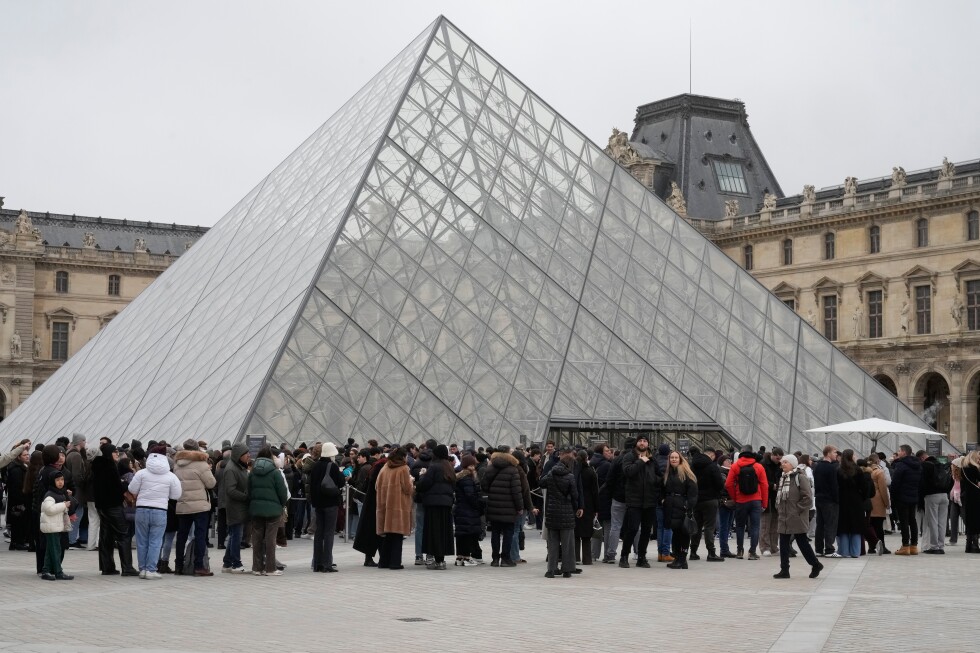
    The Louvre Museum in Paris, renowned as the world’s most visited cultural institution, faces mounting operational challenges following the exposure of an elaborate ticket fraud scheme. Museum administrator Kim Pham acknowledged the institution’s unique vulnerability due to its massive scale, describing fraud as “statistically inevitable” for an establishment welcoming 9 million annual visitors across 86,000 square meters of exhibition space.

    French prosecutors recently revealed that nine individuals, including two Chinese tour guides, have been formally charged in connection with a sophisticated operation that allegedly reused tickets multiple times for different visitor groups. The scheme, which investigators believe operated for over a decade, potentially cost the museum approximately €10 million ($11.8 million) in lost revenue. Court documents indicate the network may have facilitated entry for up to 20 guided groups daily through fraudulent means.

    The scandal emerges amid broader institutional challenges for the Louvre, including last year’s high-profile theft of the French Crown Jewels valued at €88 million, water damage incidents affecting priceless artifacts, and repeated staff strikes citing understaffing and overwhelming tourist numbers.

    Pham defended the museum’s operational integrity while acknowledging systemic complexities. “The Louvre is the biggest museum in the world,” he stated, noting its architectural evolution since the 13th century creates inherent management difficulties. He emphasized that the museum proactively alerted authorities to the fraud rather than having it discovered externally.

    In response to the scheme, the Louvre has implemented enhanced security protocols, limiting individual tickets to two validation scans and group tickets to a single use. Pham highlighted that 90% of modern fraud occurs through digital channels, including stolen credit card purchases and counterfeit ticket operations exacerbated by post-pandemic visitor caps that create artificial scarcity.

    Two Louvre employees have been temporarily suspended during the ongoing investigation, though Pham stressed the presumption of innocence until judicial proceedings conclude. The museum continues to balance its role as a global cultural destination with the operational realities of managing a historic institution in the digital age.

  • ‘Dates over chocolates’: Abu Dhabi schools ready for healthy food as deadline nears

    ‘Dates over chocolates’: Abu Dhabi schools ready for healthy food as deadline nears

    Abu Dhabi’s educational institutions are demonstrating exemplary readiness as the March enforcement deadline for the emirate’s stringent school nutrition regulations approaches. Multiple schools report having implemented comprehensive healthy food systems years in advance of the official mandate, with education and consistent enforcement proving crucial to their success.

    The Abu Dhabi Department of Education and Knowledge (ADEK) introduced updated nutritional guidelines that prohibit processed foods, sugar-laden beverages, and high-fat items from school premises, including homemade lunches. This initiative forms part of a broader strategy to cultivate healthier dietary habits among students from an early age.

    At Al Bashaer Private School, environmental health and safety officer Heba Abu Yakeen revealed that the institution banned fried and high-fat foods several years ago, transitioning to certified healthy catering services post-pandemic. ‘Our primary challenge involved parental education rather than food procurement,’ she noted. The school maintains strict protocols during celebrations, providing parents with prohibited food lists and returning non-compliant items. Despite initial resistance, parents have adapted remarkably, substituting traditional sweets with dates and oat maamoul.

    National celebrations presented particular challenges, with the school implementing complete food bans on such occasions and exclusively providing canteen-sourced meals. Students have increasingly internalized these guidelines, with even group iftar participants inquiring about permissible items.

    Liwa International School in Al Ain commenced implementation of their nutritional framework in 2023, according to occupational safety officer Mohammed Sayed. The institution partners with licensed caterers who provide detailed nutritional labeling including calorie counts, ingredient lists, sugar content, and expiration dates. Teachers actively monitor lunch boxes, confiscating prohibited items like sweets and soft drinks while providing replacement meals at school expense. ‘Our objective centers on safety rather than punishment,’ Sayed emphasized, reporting current compliance rates exceeding 80-85%.

    Rosary School’s Vice Principal Sister Colette Jamal Bader disclosed that their institution has championed healthy eating for over fifteen years through multifaceted awareness campaigns involving brochures, classroom sessions, and morning announcements. The school employs positive reinforcement through themed events and student-led discussions, temporarily confiscating non-compliant foods without permanent confiscation. ‘We strive to foster genuine appreciation for healthy nutrition rather than inspection anxiety,’ she explained.

    With operational systems firmly established, schools now focus on maintaining consistency and continuing parental collaboration as the March deadline approaches. The successful transition demonstrates how regulatory measures coupled with educational initiatives can effectively transform institutional food culture.

  • Can you lose weight during Ramadan? Experts say yes ‘with simple changes’

    Can you lose weight during Ramadan? Experts say yes ‘with simple changes’

    As the UAE commences the holy month of Ramadan, medical and fitness experts reveal how the traditional dawn-to-dusk fasting period can be transformed into an effective weight management strategy rather than a metabolic challenge.

    According to Dr. Jyoti Upadhyay, Specialist Internal Medicine at Aster Hospital, Mankhool, Ramadan fasting represents a structured form of time-restricted eating that can serve as a metabolic reset when approached correctly. “The extended fasting hours facilitate decreased insulin levels, enabling the body to utilize stored glucose and fat reserves more efficiently,” Dr. Upadhyay explained. “This provides the digestive system with predictable rest periods, potentially improving gut function and reducing reflux symptoms when meals are properly balanced.”

    The medical expert cautioned, however, that these benefits can be quickly negated by common practices. “The therapeutic value of fasting diminishes when followed by calorie overload, excessive sugar consumption, heavy meals, and sleep deprivation,” she noted. Common complaints during Ramadan include acid reflux, bloating, constipation, and even gallbladder symptoms resulting from excessively fatty meals.

    Fitness professional Reem Backer emphasizes that Ramadan creates a natural rhythm conducive to building sustainable health habits. “The structured eating windows and calming evenings foster increased bodily awareness,” Backer stated. She advises against extreme approaches, recommending instead consistent, moderate activity. “Short strength sessions, post-iftar walks, or light stretching performed regularly prove more beneficial than intense workouts that lead to exhaustion.”

    The growing recognition of Ramadan’s health potential has prompted fitness establishments across the UAE to offer specialized programs. Veo Fitness provides membership discounts of up to 15% for new members and 25% for renewals, while Roar Fitness has developed a six-week body transformation program specifically designed around Ramadan’s unique schedule.

    Both experts concur that Ramadan presents a dual opportunity for spiritual reflection and lasting lifestyle improvement. Dr. Upadhyay concludes: “The habits cultivated during this period—mindful portion control, reduced sugar intake, and regular meal timing—can yield health benefits extending far beyond the holy month.”