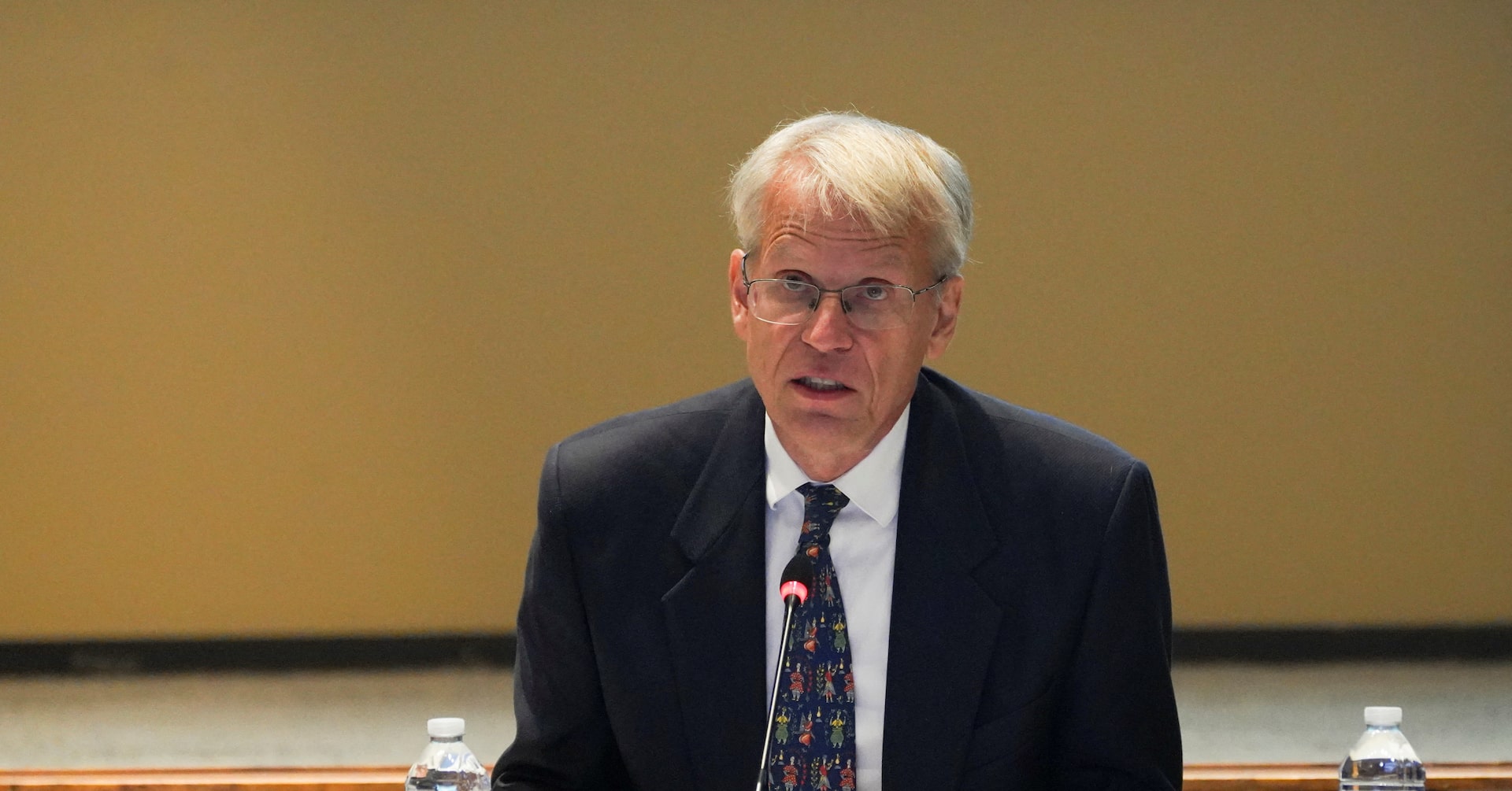
In a significant move to enhance vaccine research and policy, the U.S. Centers for Disease Control and Prevention (CDC) has formed two new specialized working groups. These teams will focus on vaccines during pregnancy and the childhood immunization schedule, as announced by Dr. Martin Kulldorff, chair of the Advisory Committee on Immunization Practices (ACIP), on September 18, 2025. The working groups, composed of ACIP members, CDC staff, and external experts, aim to address critical gaps in vaccine safety and efficacy for these vulnerable populations. The initiative underscores the CDC’s commitment to advancing public health through targeted, evidence-based strategies. The announcement follows a series of meetings held in Atlanta, Georgia, where Dr. Kulldorff and other experts discussed the evolving landscape of immunization practices. This development is expected to have far-reaching implications for healthcare policies and maternal and child health outcomes in the United States.
作者: admin
-

Trump says TV networks ‘against’ him should ‘maybe’ lose licence, after Kimmel suspension
In a recent development, former U.S. President Donald Trump has urged the Federal Communications Commission (FCC) to consider revoking the licenses of television networks that provide predominantly negative coverage of him. This statement came amidst the controversy surrounding the suspension of ABC host Jimmy Kimmel, who was taken off air indefinitely following his remarks about the murder of conservative influencer Charlie Kirk. Kimmel had suggested that the suspect was a Maga Republican, despite authorities stating the alleged gunman was influenced by leftist ideology. Trump, speaking to reporters aboard Air Force One, criticized the media’s portrayal of him, claiming that 97% of network coverage was negative, yet he won the election decisively. He questioned why such networks should retain their broadcasting licenses. FCC Chairman Brendan Carr supported the suspension of Kimmel, emphasizing the need for broadcasters to adhere to public interest standards. However, legal experts argue that the First Amendment protects free speech, making it unlikely for the FCC to revoke licenses based on political disagreements. The incident has sparked a broader debate on cancel culture and free speech, with prominent figures like former President Barack Obama condemning the suspension as a dangerous escalation of regulatory threats against media. Meanwhile, others, including media personalities like Piers Morgan and Greg Gutfeld, have criticized Kimmel’s comments as misleading and offensive. The controversy continues to unfold, raising questions about the balance between accountability and censorship in media.
-
Bulgaria’s government survives fifth no confidence vote
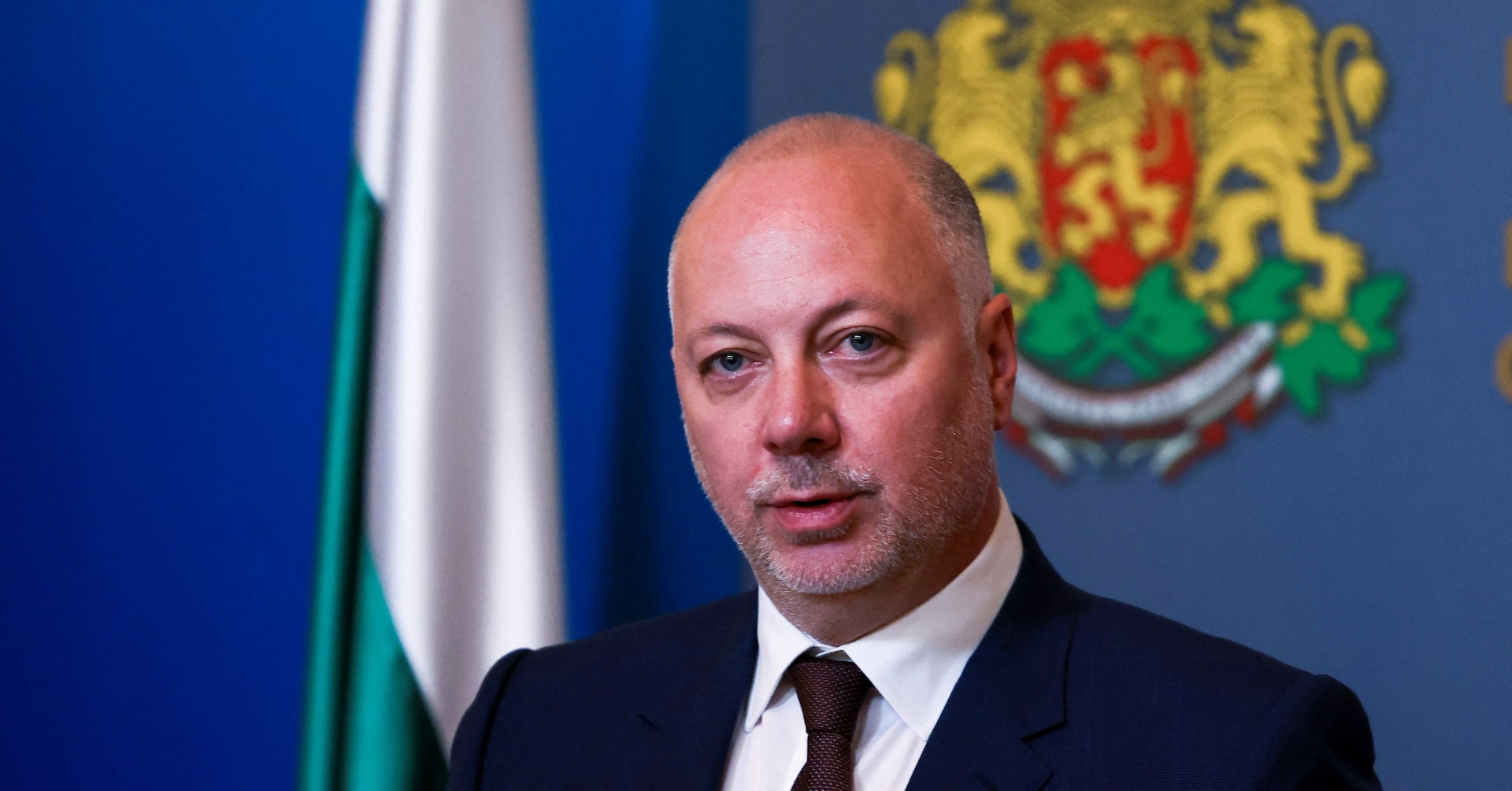
The Bulgarian government, led by Prime Minister Rosen Zhelyazkov, successfully weathered its fifth no-confidence vote on Thursday, as reported by the BTA news agency. The motion, initiated by the opposition, accused the government of failing to implement crucial reforms in the justice and security sectors, which are vital for combating corruption in the EU and NATO member state. The vote concluded with 101 lawmakers supporting the motion and 133 opposing it, with no abstentions. A majority of the 240-seat parliament would have been required for the motion to pass. This latest political challenge comes as Bulgaria prepares to adopt the Euro in 2026, aiming to become the 21st country in the single currency area. The government’s resilience in the face of repeated no-confidence votes underscores the ongoing political tensions and the critical need for reform in key sectors.
-
Russia dismisses Yale report on Ukrainian children as fake propaganda
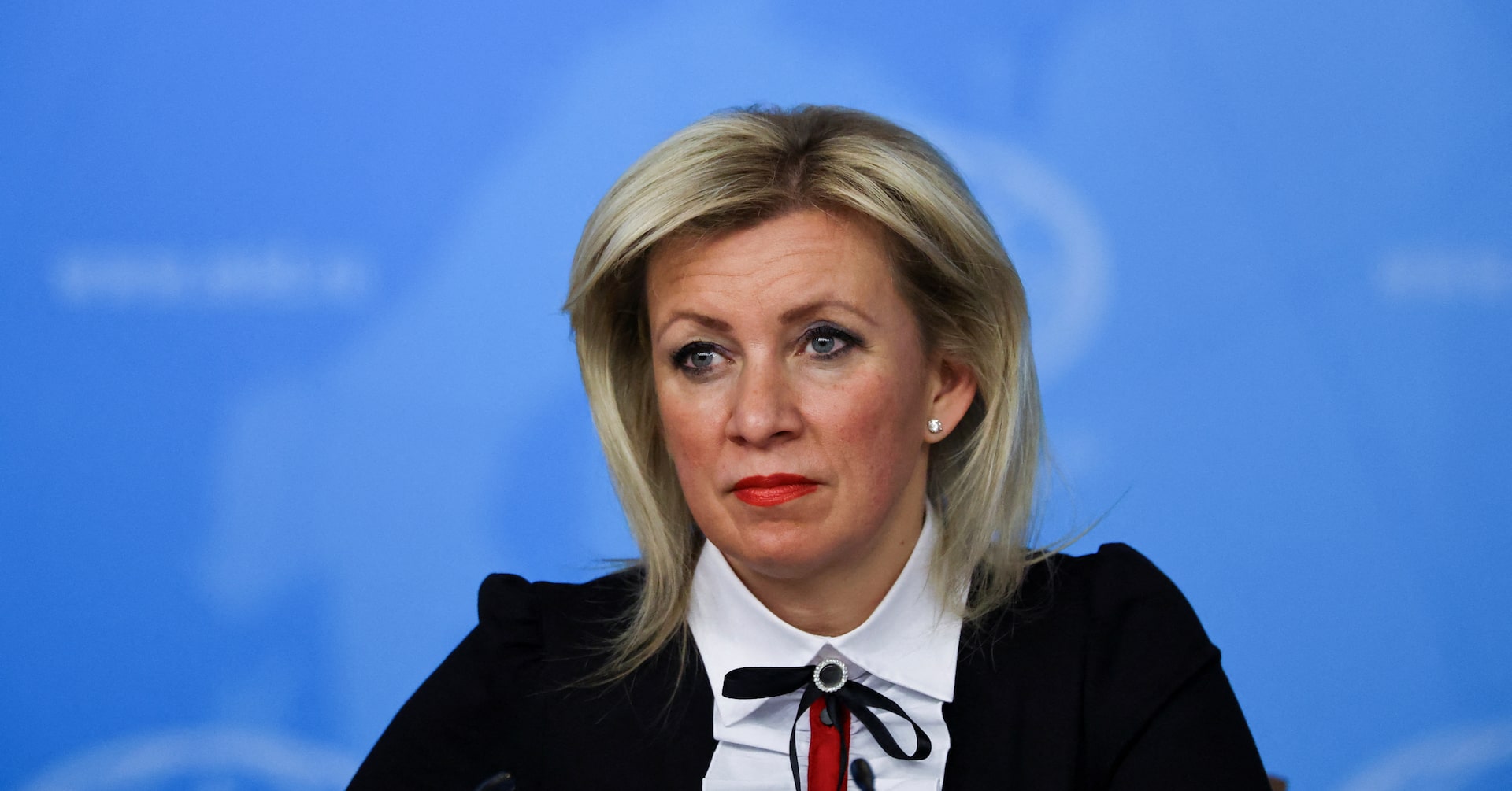
MOSCOW, Sept 18 (Reuters) – Russia’s Foreign Ministry has vehemently rejected a report from Yale’s School of Public Health, labeling it as anti-scientific propaganda filled with baseless claims and dubious data. The report, published earlier this week, alleged that over 210 sites in Russia are being used for the forced re-education of Ukrainian children, including military training and drone manufacturing, as part of a large-scale deportation program. Maria Zakharova, the ministry’s spokesperson, dismissed the findings during a press briefing, questioning the methodology and integrity of the data collection. She specifically criticized Yale’s estimate that 35,000 Ukrainian children had been illegally deported or displaced, calling it ‘fake fabrications’ and accusing the institution of failing to verify its claims. Zakharova further suggested that the report was part of a broader Western propaganda campaign aimed at justifying the seizure of Russian assets. Ukraine, however, maintains that over 19,500 children have been forcibly relocated to Russia and Belarus, a violation of the Geneva Conventions. Zakharova noted that the only official list of children provided to Russia contained 339 names, shared during negotiations in Istanbul in June 2025. The escalating dispute highlights the ongoing tensions between Russia and the West over the treatment of Ukrainian children amidst the conflict.
-
Over 30 people have died from Ebola in Congo, says World Health Organization
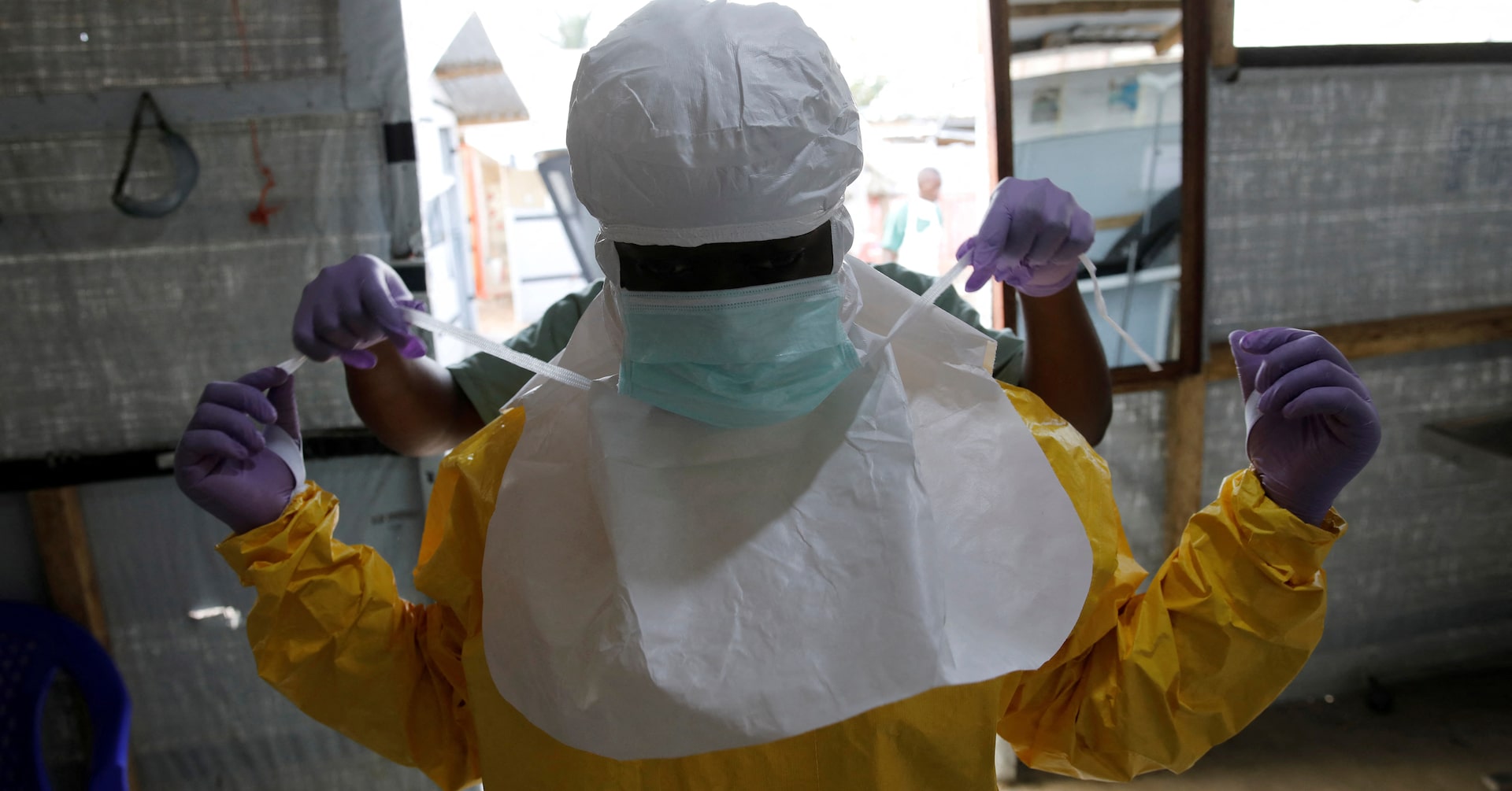
The World Health Organization (WHO) has reported a concerning escalation in the Ebola outbreak in the Democratic Republic of Congo (DRC), with 48 confirmed cases and 31 fatalities as of Thursday. WHO Director-General Tedros Adhanom Ghebreyesus disclosed the figures during a press briefing held via video link from the organization’s headquarters in Geneva. The outbreak, declared by the DRC government two weeks prior, has raised alarms within the global health community. Health workers at the ALIMA (The Alliance for International Medical Action) Ebola treatment center in Beni are seen donning protective gear before entering the Biosecure Emergency Care Unit (CUBE), highlighting the rigorous measures being taken to contain the virus. The situation underscores the persistent threat of Ebola in the region and the critical need for international support and resources to combat the spread of the disease.
-
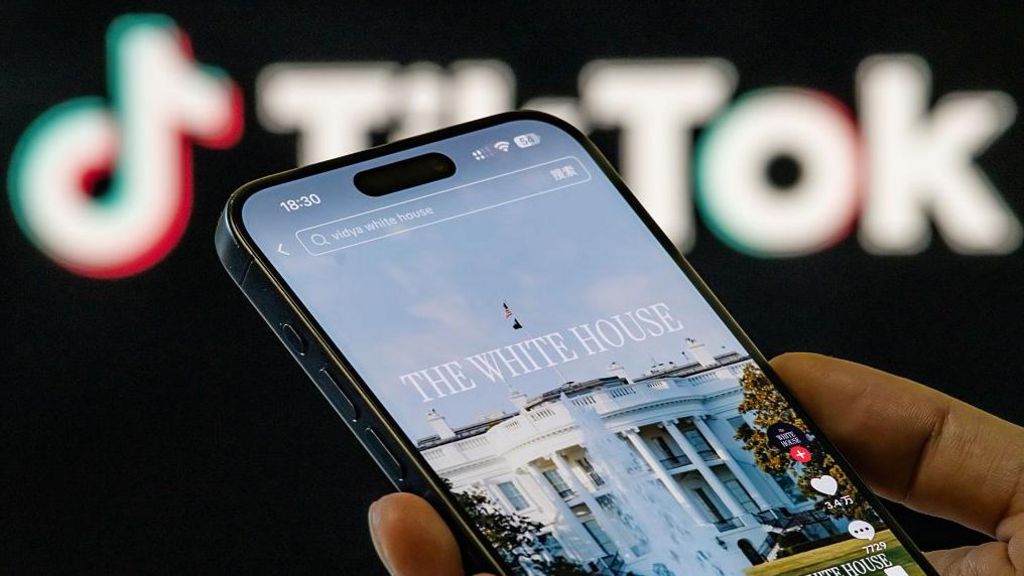
Trump’s TikTok deal may be close. But what’s in it for China?
A landmark agreement over TikTok’s US operations is on the horizon, with US President Donald Trump and Chinese President Xi Jinping poised to discuss final terms this Friday. This follows a framework agreement reached by top officials from both nations earlier this week, which could see TikTok’s US operations acquired by a consortium of American firms, including tech giant Oracle and investment firms Andreessen Horowitz and Silver Lake. The deal, described by experts as a “rare breakthrough” in US-China trade relations, aims to resolve a long-standing issue that has dominated headlines for years. Chinese state media has hailed the potential agreement as a “win-win” for both countries, while Trump has emphasized its importance for younger users. However, critical details remain unclear, particularly regarding TikTok’s algorithm—the core technology driving its success. ByteDance, TikTok’s Chinese parent company, has been reluctant to part with its prized algorithm, but Beijing has signaled a willingness to allow licensing rather than outright transfer. This marks a significant shift from China’s previous hardline stance. Experts warn that a “stripped-down” version of the app in the US could impact user experience, though it would allow ByteDance to retain its competitive edge. The deal must still navigate political hurdles in the US, with lawmakers expressing concerns over Chinese influence. Despite these challenges, the agreement could set a precedent for other Chinese tech companies seeking to enter the US market, potentially easing broader trade tensions between the two nations.
-

Barcelona’s epic Sagrada Familia could be finished in 10 years
Barcelona’s iconic Sagrada Familia, the masterpiece of renowned architect Antoni Gaudi, is inching closer to its long-awaited completion. Project leaders announced on September 18, 2025, that the modernist basilica could be finalized within the next decade, marking over a century since Gaudi’s death in 1926. Esteve Camps, the project’s chairman, expressed cautious optimism during a press conference, acknowledging delays caused by the COVID-19 pandemic, which severely impacted visitor revenues and pushed the completion timeline beyond the initial 2026 target. Camps emphasized that under normal circumstances, the project could be finished in approximately 10 years, though uncertainties remain. Next year, to commemorate the centenary of Gaudi’s death, the team aims to complete the external aspects of the basilica’s main 172.5-meter tower, dedicated to Jesus Christ, which will become Barcelona’s tallest structure. The completed Sagrada Familia will feature three facades and 18 towers. Pope Leo has been invited to lead a commemorative mass and opening ceremony for the tower in June 2026, with a response from the Vatican expected soon. Meanwhile, local authorities are yet to approve plans for a large staircase outside the basilica’s main gate, a proposal that has sparked protests due to potential residential demolitions. Despite challenges, Camps remains confident in the project’s progress, though he acknowledged that negotiations and legal disputes may arise. The basilica, a major tourist attraction, welcomed a record 4.9 million visitors last year, highlighting its enduring global appeal. However, officials note that even after completion, the site’s maximum capacity will remain unchanged.
-
S.Korea c.bank to expand forward guidance on policy rate path
The Bank of Korea (BOK) is set to revolutionize its monetary policy communication strategy by introducing a dot plot system to illustrate the projected path of future interest rates. Governor Rhee Chang-yong announced this initiative during a speech at the International Monetary Fund’s Camdessus Central Banking Lecture on Thursday. The new system will expand on the current forward guidance framework, where Rhee verbally shares the conditional views of the six Monetary Policy Board members over a three-month horizon during post-policy review press conferences. The dot plot, currently in pilot testing, will graphically represent each board member’s rate projections for the upcoming year, offering a clearer and more transparent outlook for market participants. While the system is currently for internal use, Rhee emphasized plans to refine it into an effective communication tool to enhance public understanding of the BOK’s policy decisions. This move aligns with the bank’s broader efforts to improve transparency. Notably, the BOK maintained its benchmark interest rate at 2.50% during its August 28 meeting, a decision that was widely anticipated. The pilot system also allows board members to plot two to three dots per horizon to indicate probabilistic rate views, further enriching the data available for policy analysis.
-
Top brokerages eye consecutive Fed rate cuts after policy meeting
The U.S. Federal Reserve is expected to implement further rate cuts this year, according to major brokerages. Following the central bank’s widely anticipated 25-basis-point reduction, firms such as Nomura and KBW have forecasted an additional rate cut in October. Fed Chair Jerome Powell, speaking after the recent two-day monetary policy meeting, hinted at further easing, citing concerns over the softening job market as a key factor influencing the Fed’s decisions. While BofA Global Research and HSBC do not anticipate a rate cut at the next meeting, they noted that worsening jobs data could prompt an earlier reduction. Brokerages have also begun to outline their forecasts for 2025, with UBS Global Research and UBS Global Wealth Management providing distinct perspectives. The ongoing economic uncertainty continues to shape the Fed’s policy trajectory, with market participants closely monitoring upcoming data releases.
-
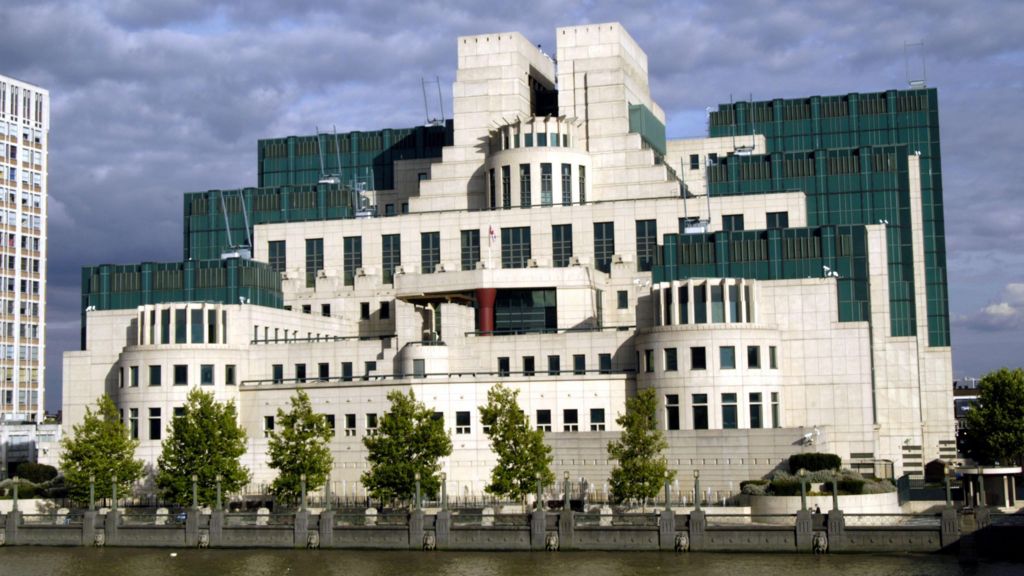
MI6 launches dark web portal to attract spies in Russia
In a bold move to enhance national security, the UK’s Secret Intelligence Service, MI6, is set to unveil a dedicated portal on the dark web aimed at recruiting new spies, particularly from Russia. The initiative, named ‘Silent Courier,’ is designed to streamline the process of identifying and engaging potential agents worldwide. The announcement is expected to be confirmed by outgoing MI6 chief Sir Richard Moore during a speech in Istanbul on Friday morning. Sir Richard is scheduled to hand over his role to Blaise Metreweli later this month. Foreign Secretary Yvette Cooper emphasized the importance of this initiative, stating, ‘National security is the first duty of any government. As threats evolve, we must ensure the UK remains ahead of its adversaries. Our intelligence agencies are at the forefront of this effort, and this new technology will bolster their capabilities.’ The portal, accessible from Friday, will allow individuals to securely share sensitive information related to terrorism or hostile intelligence activities. Instructions for using the portal will be available on MI6’s verified YouTube channel, with recommendations to access it via secure VPNs and untraceable devices. This strategy mirrors the CIA’s 2023 campaign to recruit Russian spies through social media videos. However, the CIA faced significant setbacks when its dark web connections were compromised by China’s Ministry of State Security, leading to one of the most severe security breaches in recent years.