作者: admin

  • Researchers conclude Antarctic sea survey

    Researchers conclude Antarctic sea survey

    China’s polar research icebreaker Xuelong has successfully concluded its comprehensive oceanographic survey mission in Antarctica’s Amundsen and Ross Seas, marking a significant milestone in the nation’s 42nd Antarctic expedition. The scientific team deployed cutting-edge domestically developed technologies to conduct extensive research in one of the planet’s most climate-vulnerable regions.

    The expedition, organized by China’s Ministry of Natural Resources, focused on the western Antarctic waters where ice sheets and shelves are experiencing accelerated melting due to global climate change. From January 2nd, researchers aboard the Xuelong (Snow Dragon) conducted multidisciplinary investigations encompassing hydrological conditions, marine biology, chemical composition, atmospheric conditions, and penguin habitats despite confronting severe weather challenges including intense winds, dense fog, and treacherous ice conditions.

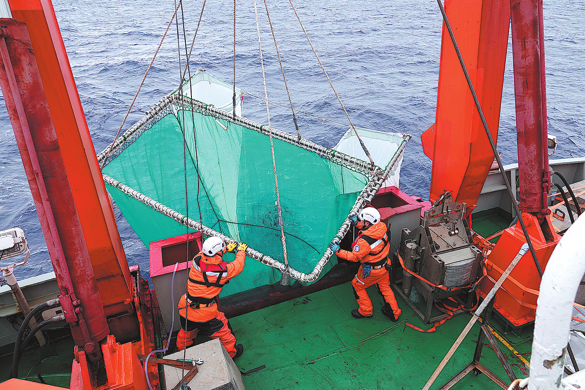
    Scientific leader Zhang Haifeng reported that the team executed sophisticated operations including the deployment and retrieval of moored buoy systems, innovative krill trawling techniques, and advanced conductivity-temperature observations. The research yielded particularly valuable specimens of Antarctic krill, midwater fish species, and deep-sea benthic organisms that will enable scientists to map the trophic structure of critical marine species and monitor population dynamics.

    Team member Li Shuai highlighted technological breakthroughs including China’s indigenously developed polar ecological mooring system equipped with acoustic and optical detection modules capable of sustained underwater observation beneath ice cover. The expedition also introduced a newly enhanced multilayered krill trawl design that significantly improved catch efficiency and provided unprecedented data on krill distribution across water columns.

    The 31-member scientific team, representing 12 Chinese research institutions and universities, will now proceed to Hobart Port in Australia before returning to China. Meanwhile, the Xuelong icebreaker continues to Zhongshan Station for additional research assignments, continuing China’s eight-year continuous multidisciplinary monitoring program in the Amundsen Sea that began in 2018.

    Chief scientist Wei Fuhai emphasized that these long-term observational capabilities are essential for understanding the complex, rapid marine transformations occurring in this climate-sensitive region. The collected data will contribute significantly to global assessments of how climate change impacts polar marine ecosystems.

  • Trump signs 10 percent global tariff on all countries

    Trump signs 10 percent global tariff on all countries

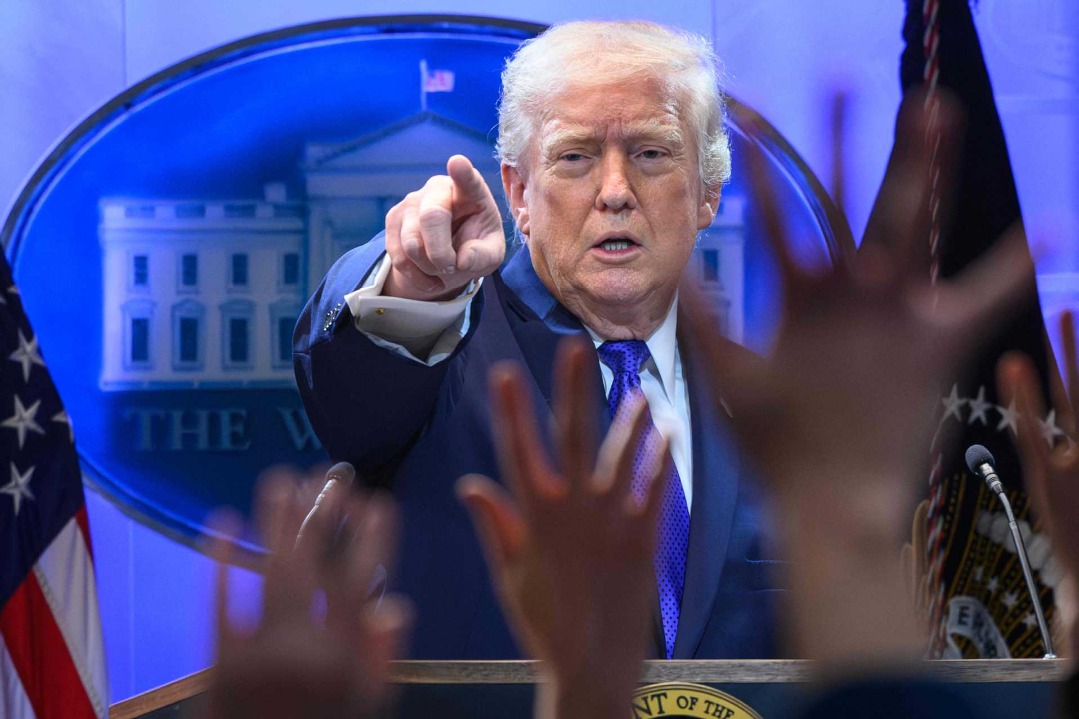
    In a landmark economic policy shift, former President Donald Trump has enacted a comprehensive 10% tariff on imports from all trading partners worldwide. The sweeping measure, signed on February 21, 2026, represents one of the most extensive trade policy interventions in modern economic history, effectively applying uniform import duties across all nations without exemptions.

    The policy departure marks a significant escalation from previous targeted tariff approaches, establishing a blanket import tax that economists predict will trigger substantial adjustments in global supply chains and international trade relations. The uniform nature of the tariff structure eliminates country-specific trade preferences that have characterized international commerce for decades.

    Trade analysts anticipate immediate repercussions across multiple sectors, with consumer goods, automotive imports, and electronics expected to experience price increases. Manufacturing industries reliant on imported components face potential cost pressures, while domestic producers may benefit from reduced foreign competition.

    The implementation coincides with ongoing diplomatic engagements, as evidenced by recent high-level discussions between Chinese Foreign Ministry officials and European counterparts emphasizing cooperation. These parallel developments highlight the complex interplay between trade policy and international diplomacy in the current global landscape.

    Market observers are monitoring potential retaliatory measures from major trading partners, which could initiate a new phase of trade adjustments affecting trillions of dollars in global commerce. The policy’s long-term implications for inflation, economic growth, and international relations remain subjects of intense speculation among policymakers and economists worldwide.

  • Tumbler Ridge suspect’s ChatGPT account banned before shooting

    Tumbler Ridge suspect’s ChatGPT account banned before shooting

    In a significant revelation concerning AI platform accountability, OpenAI confirmed it had terminated a ChatGPT account belonging to Jesse Van Rootselaar approximately eight months prior to the devastating mass shooting in British Columbia. The artificial intelligence company disclosed that its internal monitoring systems identified the account in June 2025 through comprehensive abuse detection protocols designed to flag accounts potentially furthering violent activities.

    According to official statements, OpenAI opted against notifying law enforcement authorities at the time, determining that the account’s activity failed to meet the company’s threshold for credible or imminent threats of serious physical harm. Following the February 12th tragedy that claimed eight lives in rural Tumbler Ridge, OpenAI proactively reached out to Canadian police with relevant information about the suspect.

    The Wall Street Journal initially reported internal deliberations within OpenAI, revealing that approximately a dozen staff members had engaged in discussions regarding Van Rootselaar’s concerning posts. Some employees reportedly identified the suspect’s AI usage patterns as potential indicators of real-world violence and advocated for alerting authorities, though company leadership ultimately decided against taking this step.

    OpenAI maintains a policy of contacting authorities exclusively in cases presenting imminent risk, expressing concern that broader reporting could potentially cause unintended harm. The company emphasized its continuous efforts to train ChatGPT systems to discourage real-world harm when detecting dangerous situations and to refuse assistance for illegal activities.

    In the aftermath of Canada’s deadliest mass shooting in recent history, which left 27 additional individuals injured at Tumbler Ridge Secondary School, OpenAI has committed to reviewing its referral criteria with expert consultation. The suspect, who police confirmed was born male but identified as female, died from a self-inflicted gunshot wound at the crime scene. Among the victims were Van Rootselaar’s mother and step-brother, both discovered deceased at a local residence. Investigation into the motive continues as authorities work to comprehend the full circumstances surrounding the tragedy.

  • A Guangdong guide to festive giving wins hearts

    A Guangdong guide to festive giving wins hearts

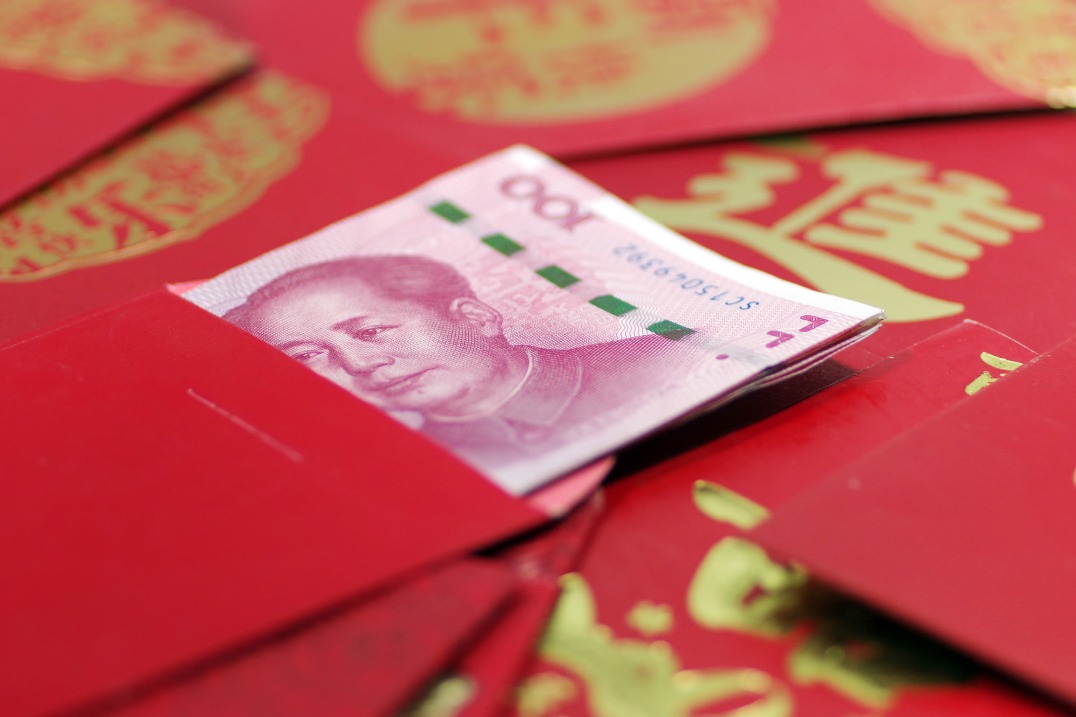
    As China welcomed the Year of the Horse with vibrant red lanterns adorning urban thoroughfares and families gathering for heartfelt reunions, an unassuming chart from Guangdong province emerged as an unexpected cultural touchstone during the Spring Festival celebrations. This crowdsourced guideline, detailing appropriate monetary amounts for traditional red envelopes, has resonated deeply with citizens across the nation.

    The recommendation framework suggested 100 yuan ($14) for immediate family members, 50 yuan for close non-blood relatives, 20 yuan for cousins, 10 yuan for distant relatives, and merely 5 yuan for neighbors. Rather than establishing new standards, these figures reflect long-standing regional practices in Guangdong where the Cantonese tradition of ‘laisee’ emphasizes symbolic meaning over monetary value.

    The digital response to this guideline has been overwhelmingly supportive, with WeChat, Douyin, and Weibo users applauding the approach for helping the festival ‘return to its original significance’ while alleviating the financial pressures that often accompany seasonal gift-giving.

    The custom of red envelopes, historically known as ‘yasuiqian’ or ‘money to ward off evil spirits,’ traces its origins over a millennium to the practice of elders threading copper coins with red string to bless children with peace and safety. Southern folklore tells of a mythical creature called Nian Shou that would frighten children during the New Year, leading to the adoption of red decorations, bright lights, and firecrackers as protective measures. The red envelope consequently evolved into both protective talisman and generational blessing.

    The Cantonese term ‘laisee’ incorporates auspicious homophones meaning ‘good fortune’ and ‘smooth affairs,’ with the red paper conveying joy and prosperity while the enclosed money represents shared luck between generations.

    Despite the prevalence of digital transfers, many still cherish the tactile tradition of preparing crisp new banknotes for physical envelopes. Guangzhou retiree Wang Xiuying, 66, recently exchanged 2,000 yuan for new bills at her local bank, explaining that ‘giving hongbao to children is a must and a perfect gift for Spring Festival.’ For her, the envelopes represent familial blessings more than monetary value.

    The Guangdong guidelines have gained particular relevance as red envelope amounts have escalated in various regions, creating silent but substantial financial pressure. Office worker Cheng Qiongfang from Guangzhou noted that she maintained her practice of distributing envelopes containing 10 or 20 yuan, stating that ‘if hongbao becomes just a way to compete with others, it loses its original meaning.’

    Cultural observers suggest the guideline’s popularity reflects a broader societal desire for less burdensome celebrations focused on warmth rather than wealth. Within the rich tapestry of Chinese New Year traditions—from doorway couplets to family banquets—the red envelope remains one of the most intimate and enduring customs. This slender fold of paper containing modest sums carries centuries of cultural memory for those who appreciate its deeper significance.

    Through Guangdong’s understated laisee guide, many have discovered not merely a reference chart but a poignant reminder that the true value of a red envelope lies not in its denomination, but in the goodwill it conveys across generations.

  • ‘Emotional spending’ a touch of holiday luxury

    ‘Emotional spending’ a touch of holiday luxury

    A new consumer phenomenon dubbed ’emotional spending’ is transforming how Chinese citizens celebrate the Spring Festival holiday, with many opting for luxury purchases and personalized cultural experiences over traditional celebrations. This trend reflects a growing desire for meaningful consumption that provides emotional satisfaction and cultural connection during China’s most important family reunion period.

    Among the most popular emotional expenditures are professional photo sessions wearing traditional hanfu attire, premium tourism packages, and exclusive Lunar New Year’s Eve dining experiences. These activities, while often carrying substantial price tags, offer participants immersive cultural engagement and lasting memories beyond conventional holiday spending.

    Twenty-year-old Beijing undergraduate Zhang Xiaohan exemplifies this trend. She recently invested approximately 2,000 yuan ($288) in a comprehensive hanfu photography session in Xi’an, one of China’s ancient capitals. The package included traditional costume rental, professional makeup services, photography at historical sites, and entrance fees to cultural landmarks.

    “I’m deeply attracted to Chinese traditional culture, particularly the subtle elegance of classical clothing and architecture,” Zhang explained. “The experience at Grand Tang Dynasty Ever Bright City was particularly memorable—surrounded by red lanterns, beautiful architecture, and fellow hanfu enthusiasts, I felt completely immersed in the festive atmosphere.”

    While Zhang typically allocates around 1,000 yuan monthly for entertainment and cultural items, she considered the Spring Festival premium justified for the quality of experience received. The photographer enhanced the session with traditional props including Chinese paper-cuts and lanterns, creating images rich with cultural symbolism and holiday spirit.

    This shift toward experiential luxury spending during traditional holidays signals broader changes in Chinese consumption patterns, particularly among younger generations who increasingly value cultural authenticity and emotional fulfillment over material possessions alone.

  • Technology transforming creativity

    Technology transforming creativity

    At Malanshan Video Cultural and Creative Industrial Park in Changsha, Hunan province, a technological revolution is quietly transforming how Chinese cultural content reaches global audiences. Rows of screens display scripts translated into Arabic, Spanish, Thai, and French through advanced AI systems, while characters speak in flawless English despite originally performing in Mandarin just hours earlier.

    The transformation stems from China’s first large-scale intelligent translation and production center for short dramas, launched in April 2025 at the Malanshan Audio and Video Laboratory. This cutting-edge facility integrates large language models, speech recognition, voice cloning, and synthesis technologies to automate translation, dubbing, and subtitle generation across multiple languages.

    Laboratory director Tu Yongfeng highlights the dramatic efficiency gains: “Previously, manually translating a two-hour micro-drama required one to two weeks. Now the process completes within mere hours.” This technological leap has accelerated international distribution, with the laboratory already releasing over 3,000 works that have attracted tens of millions of overseas viewers while significantly reducing production costs.

    These developments align with China’s broader national strategy to integrate culture and technology—a priority emphasized by President Xi Jinping during his 2020 inspection tour in Changsha. President Xi described culture as a “sunrise industry” and stressed that deep integration with technology drives rapid growth while creating substantial talent reservoirs deserving sustained support.

    Dubbed “China’s V Valley,” the Malanshan park now hosts more than 4,000 culture and technology enterprises and over 64,000 professionals. From 2020 to 2024, companies in the park generated combined revenues of 277.1 billion yuan ($38.5 billion) with annual growth averaging over 11%.

    The laboratory serves as the core engine driving this transformation, focusing on technologies across the entire audio-video chain from production and editing to transmission and display. Innovations include set-top boxes delivering 4K ultra-high-definition images from devices no larger than USB drives, and AI dual-lens livestreaming cameras that respond to hand gestures and simulate cinematic depth of field.

    This technological advancement reflects national policy directions outlined during the third plenary session of the 20th Central Committee of the Communist Party of China, which called for exploring effective mechanisms to integrate culture with science and technology.

    The integration extends beyond micro-dramas to major cultural institutions nationwide. The Palace Museum in Beijing has embraced digital transformation through its digital mini-program, allowing millions to explore the former imperial palace via panoramic tours and interactive exhibitions. Meanwhile, the Mogao Caves in Gansu province have seen advanced scanning technologies digitally recreate the famed Library Cave, earning UNESCO recognition.

    According to Xu Guobao, vice-president of the China Culture Administration Association, deeper integration requires not only new technologies but also institutional mechanisms that improve innovation resource allocation. This approach stimulates creativity and accelerates new cultural business models while enhancing China’s cultural soft power globally.

    As AI tools continue maturing, researchers anticipate further improvements in accuracy and efficiency, providing Chinese cultural products increasingly natural pathways to global audiences while balancing development with necessary security measures and ethical oversight.

  • Spirit, stamina and survival: Svitolina conquers Gauff in Dubai epic

    Spirit, stamina and survival: Svitolina conquers Gauff in Dubai epic

    In a monumental display of resilience and athletic prowess, Ukrainian tennis star Elina Svitolina secured a hard-fought victory over American phenom Coco Gauff in the semifinals of the Dubai Duty Free Tennis Championships. The grueling encounter, which stretched to three hours and three minutes, culminated in a 6-4, 6-7 (13-15), 6-4 decision that showcased the finest elements of women’s tennis.

    The match reached its climax on Svitolina’s sixth match point, concluding with Gauff’s forehand return finding the net. An emotionally overwhelmed Svitolina immediately covered her face in disbelief after surviving what she described as a ‘high-intensity’ battle featuring ‘incredible shot-making’ from both competitors.

    This victory carries profound significance for the 29-year-old Ukrainian, who now stands one win away from securing her third Dubai title. A triumph in the final would place her alongside tennis legend Venus Williams as the second-most successful champion in the tournament’s history, trailing only Belgian great Justine Henin’s four titles.

    The path to victory was anything but straightforward. The match featured a spectacular 28-point second-set tiebreak where Gauff demonstrated remarkable composure, saving four match points to force a decisive third set. This resilience from the young American highlighted why she remains one of the sport’s most promising talents despite the semifinal setback.

    Svitolina now faces the challenge of physical and mental recovery before confronting world number five Jessica Pegula in Saturday’s final. The Ukrainian acknowledged Pegula’s formidable form after the American’s comeback victory against Amanda Anisimova in the other semifinal, emphasizing the need for peak physical condition given Dubai’s demanding playing conditions.

    For Gauff, the defeat marks another narrow loss to Svitolina following their Australian Open quarterfinal encounter just weeks earlier. Despite the disappointment, the world number four maintained perspective, noting her satisfaction with reaching the semifinals after initially aiming simply to win one match in the tournament.

    Svitolina’s achievement becomes more remarkable considering her recent return from maternity leave, with this final appearance representing her first in a WTA 1000 event in seven years—a testament to her dedication and the inspiring comeback she has engineered since becoming a mother.

  • Murky outlook for businesses after tariff ruling prompts countermoves by Trump

    Murky outlook for businesses after tariff ruling prompts countermoves by Trump

    The U.S. business community faces extended trade policy instability following a landmark Supreme Court decision that struck down presidential tariffs imposed under emergency powers. Despite the court’s ruling that President Donald Trump overstepped his authority, the administration immediately pledged to utilize alternative legal mechanisms to maintain import taxes, creating fresh uncertainty for American enterprises.

    Corporate leaders across multiple sectors expressed concern about the practical implications of the legal victory. While the Supreme Court determined that the International Emergency Economic Powers Act did not authorize presidential tariff imposition, the ruling affects only specific duties, leaving steel, aluminum, furniture, and cabinet tariffs intact. Within hours of the decision, President Trump announced plans to implement a comprehensive 10% tariff on all imports for 150 days while exploring additional trade remedies.

    Economic analysts warn that any potential relief from lowered tariffs may be negated by prolonged uncertainty. Michael Pearce of Oxford Economics noted, “With the administration likely to rebuild tariffs through other, more durable means, the overall tariffs rate may yet end up settling close to current levels.”

    The complex process of reclaiming an estimated $133-$175 billion in previously collected tariffs now deemed illegal favors large corporations with substantial legal resources, leaving small businesses and consumers unlikely to receive compensation. Industries including retail, technology, and agriculture have borne significant costs, with companies implementing price increases, supply chain diversification, and cost-cutting measures to offset tariff impacts.

    International trading partners reacted with skepticism to the development. Italian winemakers, European manufacturers, and Canadian exporters expressed concerns that alternative tariff mechanisms could maintain or exacerbate trade tensions. Lamberto Frescobaldi of Italian winemakers association UIV warned of “renewed uncertainty in commercial relations between Europe and the United States,” while ING economist Carsten Brzeski noted that alternative legal authority could produce identical or worse economic impacts.

    Business leaders across sectors emphasized the need for trade policy stability. Jonathan McHale of the Computer & Communications Industry Association stated, “With this decision behind us, we look forward to bringing more stability to trade policy,” echoing sentiments from retail, agricultural, and manufacturing representatives who have faced increased costs and operational challenges throughout the trade disputes.

  • Top-tier international schools drive 35% surge in Dubai villa prices

    Top-tier international schools drive 35% surge in Dubai villa prices

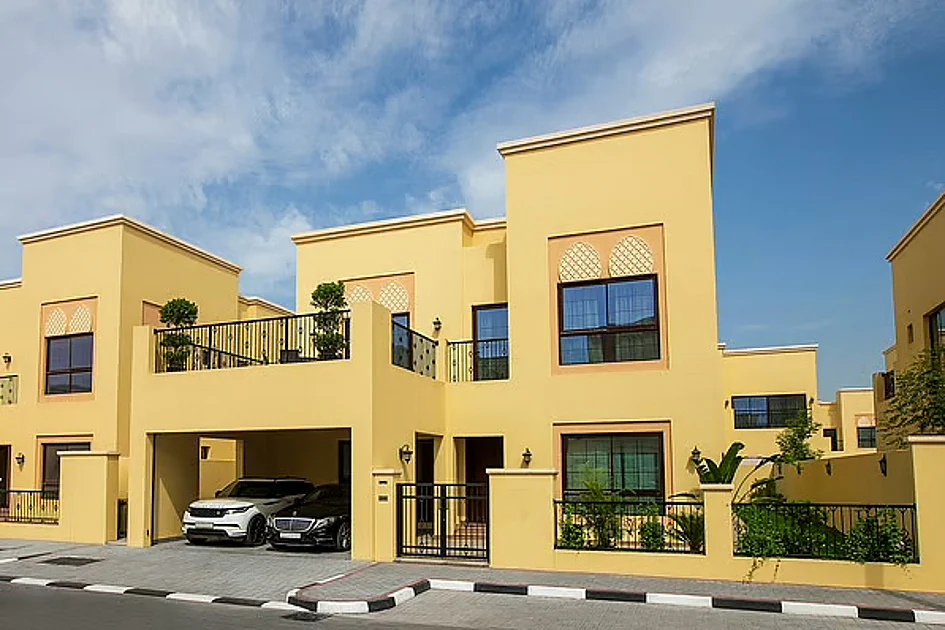
    Dubai’s residential real estate sector is experiencing a fundamental transformation as premium international schools emerge as the dominant factor driving capital appreciation in the villa market. According to comprehensive data from property advisory firm BlackBrick, established communities with superior educational access are significantly outperforming broader market trends.

    The Property Monitor Dynamic Price Index reveals that mature villa neighborhoods near top-tier international institutions are witnessing unprecedented price growth. Areas including Victory Heights, The Meadows, Jumeirah Islands, The Lakes, and The Greens have demonstrated the strongest appreciation metrics over the past twelve months, with some properties achieving remarkable 35% valuation increases.

    This trend reflects a structural shift in buyer behavior, with long-term resident families now dominating the villa segment and placing educational accessibility at the core of their property decisions. Industry analysts note that families are prioritizing convenience and lifestyle planning over short-term investment considerations, creating a more stable market foundation.

    Matthew Bate, Founder and CEO of BlackBrick, emphasized: ‘Dubai’s villa market is being driven by families planning five to ten years ahead, with education becoming a primary decision-making filter rather than a secondary consideration. School proximity is now materially influencing price performance as parents make property choices centered around the school run.’

    Victory Heights has emerged as a standout performer in this education-driven cycle, with non-renovated villas posting 25-35% annual appreciation. Even renovated properties have achieved 15-20% growth, while townhouses have seen more modest gains due to mortgage restrictions above the Dh5 million threshold.

    Arabian Ranches demonstrates similar resilience, supported by proximity to the prestigious Jumeirah English Speaking School (JESS). Despite slightly lower growth rates due to larger housing inventory, non-renovated villas have delivered solid 20-25% annual returns.

    The phenomenon mirrors established patterns in global markets like London and Singapore, where properties near elite educational institutions consistently command premium valuations. Knight Frank reports Dubai’s prime villa market maintained double-digit growth throughout 2025, driven primarily by end-user demand from expatriate families seeking long-term residency.

    Faisal Durrani, Partner and Head of Middle East Research at Knight Frank, observed: ‘The shift toward end-user driven buying is making the market more stable and sustainable. Communities offering lifestyle infrastructure including schools, parks, and retail are experiencing the strongest and most resilient price growth.’

    CBRE data corroborates this narrative, indicating Dubai’s average villa prices surged over 20% in 2025, substantially outpacing apartment growth. Taimur Khan, Head of Research for Middle East and Africa at CBRE, noted: ‘Villa communities with strong schooling options and established infrastructure continue to outperform, supported by limited supply and a growing base of long-term residents.’

    The education-driven dynamic is reinforcing market stability, with buyers committing to extended ownership horizons of five to ten years. This transition from speculative investment to genuine occupier demand reduces volatility and supports sustained capital appreciation, positioning Dubai’s established villa communities for continued price momentum through 2026 and beyond.

  • UAE non-oil GDP grows 6.1% in first nine months of 2025

    UAE non-oil GDP grows 6.1% in first nine months of 2025

    The United Arab Emirates has demonstrated remarkable economic resilience with its non-oil sector expanding by 6.1% during the first nine months of 2025, according to official data released by the Federal Competitiveness and Statistics Centre (FCSC). This robust performance contributed significantly to the nation’s overall GDP growth of 5.1% year-on-year, bringing total economic output to approximately Dh1.4 trillion.

    Minister of Economy and Tourism Abdulla bin Touq Al Marri announced on Friday that the non-oil sector’s value exceeded Dh1 trillion, highlighting the success of the country’s strategic diversification efforts. The minister credited this economic achievement to the UAE’s ongoing transition toward a knowledge-based economy supported by competitive legislative frameworks and business-friendly policies aligned with the ‘We the UAE 2031’ vision.

    Sectoral analysis reveals financial and insurance activities led the expansion with 9% growth, followed closely by construction at 8.7%, real estate at 7.9%, and manufacturing at 6.9%. In terms of overall contribution to non-oil GDP, wholesale and retail trade maintained the largest share at 16.1%, with manufacturing accounting for 13.9%, financial services 13.5%, and construction 11.9%.

    Hanan Ahli, Managing Director of the FCSC, emphasized that these results demonstrate the resilience of the UAE’s economic model amid global economic shifts. She noted that the integration of advanced technologies and artificial intelligence into national statistical systems has significantly enhanced policy efficiency and development planning capabilities. The sustained growth positions the UAE favorably to achieve its ambitious goal of doubling the national GDP to Dh3 trillion within the next decade.