作者: admin

  • Ukraine strikes a key industrial site deep inside Russia

    Ukraine strikes a key industrial site deep inside Russia

    In a significant escalation of cross-border operations, Ukrainian drones penetrated deep into Russian territory on Saturday, striking a strategic defense installation in the Udmurt Republic approximately 1,400 kilometers from the Ukrainian border. The attack resulted in eleven casualties, with three individuals requiring hospitalization according to regional health minister Sergei Bagin.

    Regional Governor Alexander Brechalov confirmed the drone assault via Telegram, acknowledging injuries and structural damage while withholding specific facility identification. Multiple Russian Telegram channels, including Astra and SHOT, identified the target as the Votkinsk Machine Building Plant—a critical state-owned defense enterprise responsible for producing Iskander ballistic missiles routinely deployed against Ukrainian targets, along with nuclear-capable intercontinental ballistic missiles.

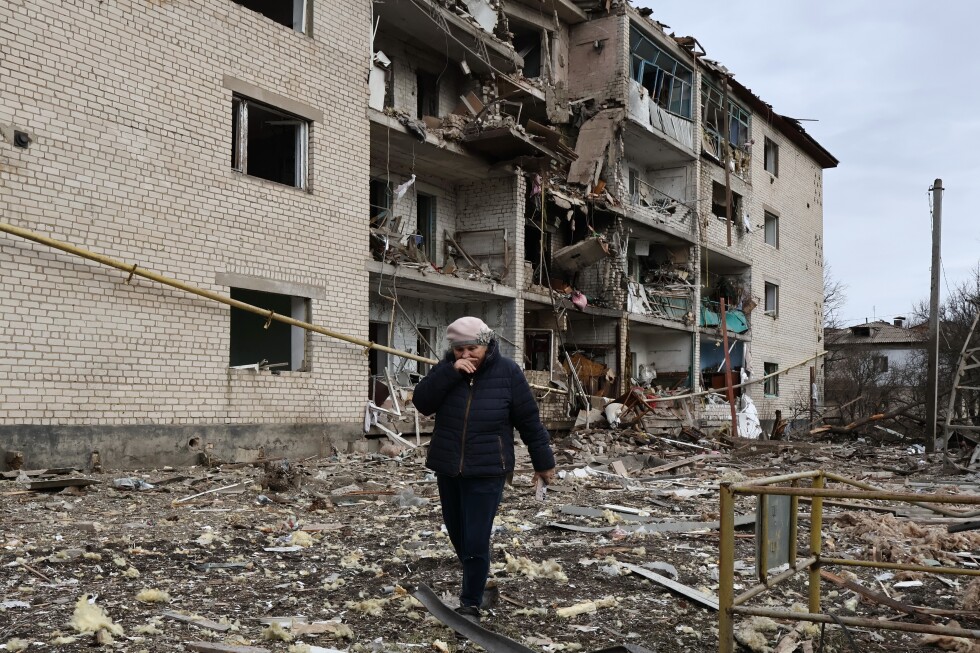
    Visual evidence circulated by Russian news outlets depicted substantial black smoke emanating from the industrial complex and structural damage including shattered windows following reported nocturnal explosions. Local residents described hearing at least three detonations accompanied by distinctive drone acoustics during the nighttime operation.

    The strike represents one of Ukraine’s deepest known penetrations into Russian territory since the conflict’s inception, targeting infrastructure directly linked to missile production used against Ukrainian cities. Ukrainian authorities maintained official silence regarding the operation, while the attack demonstrates Kyiv’s growing capability to project force against strategic military targets within Russia’s defense industrial base.

  • India ready to compete on same level as China, says Saudi businessman at Mumbai forum

    India ready to compete on same level as China, says Saudi businessman at Mumbai forum

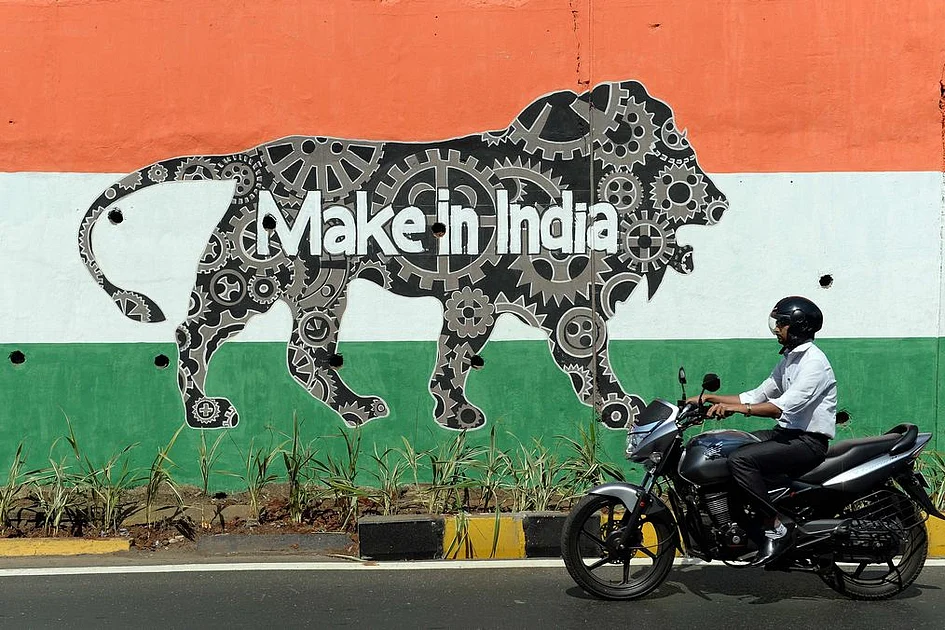
    MUMBAI – A prominent Saudi Arabian investor has positioned India as a peer competitor to China, citing its vast resources and execution capabilities, while calling for critical financial reforms to bolster its small and medium enterprise (SME) sector. The remarks were delivered by Ali Abdulla Ahmed Al Amoudi, Principal and co-founder of Al Almoudi Holdings, during the Global Economic Cooperation 2026 forum organized by the Indian Ministry of External Affairs.

    Al Amoudi articulated a robustly optimistic outlook for the Indian economy, describing it as a nation of ‘monumental opportunity’ equipped with the essential trinity for success: financial capital, an extensive workforce, and strategic know-how. ‘India possesses the necessary know-how and its people truly understand how to execute large-scale ambitions,’ he stated, forecasting the country’s continued ascent to a global standing comparable to China’s.

    However, his analysis included a crucial caveat. The executive identified prohibitively high interest rates as a significant impediment to inclusive growth. Expressing surprise that Indian SMEs face borrowing rates between 15-18%, Al Amoudi argued that such margins stifle expansion and prevent smaller companies from contributing to national infrastructure projects. He issued a compelling call to action for financial institutions to offer low-interest financing, asserting that supporting SMEs is fundamental to ensuring a healthy and stable national economy.

    The dialogue also underscored the deepening symbiotic economic relationship between the Gulf Cooperation Council (GCC) nations and India. Al Amoudi highlighted the reciprocal nature of this partnership, noting that while a vast Indian workforce supports the Gulf economy, Saudi and other GCC investors are increasingly channeling capital into Indian infrastructure. This dynamic, he suggested, is evolving from a history of joint ventures into long-term strategic partnerships.

    A significant shift in Gulf investment strategy was also outlined. Al Amoudi indicated that after a period of substantial internal investment, such as the hundreds of billions deployed in Dubai and the UAE, the region is now positioned to export its expertise and technical ‘know-how’ to partner nations. ‘We no longer view ourselves strictly as investors, but as partners,’ he explained, emphasizing that in an era of available capital, the true challenge lies in forming alliances based on mutual economic interest and expertise, rather than political benefit.

    Concluding with a macro-economic perspective, the businessman framed infrastructure investment as a non-optional imperative for global economic stability. He posited that nations are interconnected components of a global whole, and investing in each other’s critical infrastructure—from airports to hospitals—is essential for fostering future trade partners and ensuring collective prosperity.

  • US business groups, lawmakers welcome Supreme Court ruling against Trump tariffs

    US business groups, lawmakers welcome Supreme Court ruling against Trump tariffs

    In a landmark judicial decision with profound implications for executive power, the U.S. Supreme Court has invalidated former President Donald Trump’s utilization of emergency authorities to impose sweeping tariffs. The 6-3 ruling, delivered on Friday, represents a significant judicial check on presidential trade policy and has been met with widespread approval from business communities and legislators across the political spectrum.

    The court determined that the executive branch had significantly overstepped its constitutional boundaries by declaring national emergencies to justify tariffs against numerous trading partners. This judicial finding renders a substantial portion of tariffs enacted the previous year unlawful, potentially triggering billions in duty refunds to affected companies.

    Neil Bradley of the U.S. Chamber of Commerce characterized the decision as “welcome news for businesses and consumers alike,” highlighting how the tariffs had precipitated substantial cost escalations and severe supply chain disruptions throughout the American economy. The Chamber immediately called upon the administration to expedite reimbursement of unlawfully collected duties and undertake a comprehensive overhaul of national tariff policy to foster economic expansion and reduce household expenses.

    This sentiment was echoed by ‘We Pay the Tariffs,’ a coalition representing small business interests, which demanded “full, fast and automatic” refunds for its members who had paid billions in duties that were, according to the Court’s ruling, improperly levied.

    The decision received notable bipartisan support, with Republican Senator Mitch McConnell of Kentucky welcoming the judicial reaffirmation of congressional authority in trade matters. “The American people already understand that when Washington establishes artificial trade barriers, domestic construction and consumer purchasing become markedly more expensive,” McConnell stated.

    Foreign policy experts suggested the ruling could curtail the executive’s ability to deploy tariffs as a rapid-response geoeconomic instrument, though alternative statutory pathways for implementing tariffs through conventional trade negotiations remain available. Some industry representatives expressed lingering concerns about potential future tariff implementations through different legal mechanisms, indicating that certain policy uncertainties persist despite this decisive judicial intervention.

  • China launches emergency response for meteorological disasters

    China launches emergency response for meteorological disasters

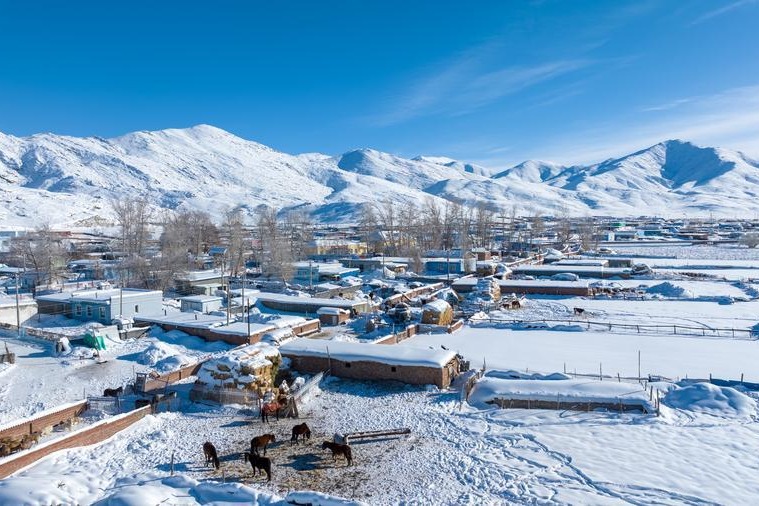
    Chinese meteorological authorities have initiated a Level-IV emergency response protocol on Friday as multiple northern provinces face imminent severe weather conditions. The China Meteorological Administration (CMA) announced the activation following forecasts predicting intense wind patterns and widespread sandstorms across northern territories from February 21st to 23rd, 2026.

    The National Meteorological Center concurrently issued yellow-level warnings for both strong winds and sandstorm events, supplemented by a blue alert for an approaching cold wave system. Affected regions include Xinjiang Uygur Autonomous Region, Inner Mongolia Autonomous Region, Gansu Province, Ningxia Hui Autonomous Region, Qinghai Province, Shaanxi Province, along with northern China, northeastern areas, and the Shandong Peninsula.

    Meteorological experts indicate these powerful wind currents will likely generate substantial blowing sand and floating dust particles across the mentioned regions and northern Henan Province. Certain areas are projected to experience full sandstorm conditions, with some locations facing severe sandstorm intensity.

    China’s sophisticated weather response mechanism operates through a four-tier classification system where red denotes the most critical conditions, followed by orange, yellow, and blue alerts. Similarly, the emergency response framework follows a four-level structure with Level I representing the highest emergency status. The current Level-IV activation demonstrates coordinated preparedness measures against potentially disruptive meteorological phenomena that could impact transportation, air quality, and daily activities across northern population centers.

  • Macron orders review of violent activist groups after fatal beating of far-right activist

    Macron orders review of violent activist groups after fatal beating of far-right activist

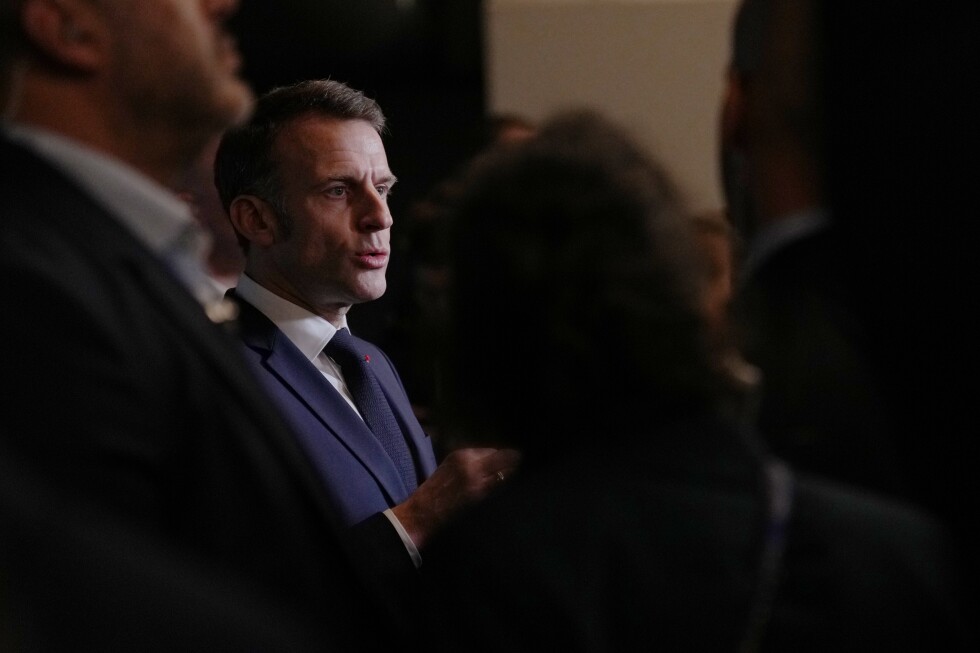
    French President Emmanuel Macron has announced an urgent governmental review of violent political activist groups following the fatal beating of a far-right student in Lyon, an incident that has intensified political hostilities ahead of France’s upcoming presidential election.

    Macron confirmed he will convene high-level meetings with ministers next week to evaluate extremist organizations with political affiliations, signaling potential disbandment of certain groups. “In the Republic, no violence is legitimate,” Macron declared during his appearance at the Paris agriculture fair. “There is no place for militias, wherever they come from. We must be absolutely uncompromising.”

    The crisis emerged after 23-year-old Quentin Deranque succumbed to brain injuries sustained during clashes between far-left and far-right activists outside a student event featuring far-left lawmaker Rima Hassan as keynote speaker. Seven individuals now face preliminary charges, with Lyon prosecutors seeking indictments for intentional homicide, aggravated violence, and criminal conspiracy. Six defendants face all three charges, while the seventh is charged with complicity.

    Deranque’s death has ignited fierce political recriminations, particularly targeting the France Unbowed party and its leader Jean-Luc Mélenchon. Among those implicated is a parliamentary aide to France Unbowed lawmaker Raphaël Arnault, who established the anti-fascist group The Young Guard. Opposition figures accuse the party of inciting violence through its confrontational far-left politics, though Mélenchon has vehemently denied responsibility and condemned the tragedy.

    The incident occurs against a backdrop of escalating political tensions, with municipal elections approaching next month and Macron’s final term concluding next year. Lyon, identified by intelligence services as the historical cradle of French far-right activism, has experienced increasing clashes between newly formed far-left groups and long-established far-right organizations.

    Despite planned memorial gatherings organized by far-right groups, Deranque’s parents have appealed for calm and declined participation. Authorities have permitted the demonstrations but will maintain significant police presence to prevent further violence.

  • Germany’s Johannes Lochner storms to a big lead midway through Olympic four-man bobsled

    Germany’s Johannes Lochner storms to a big lead midway through Olympic four-man bobsled

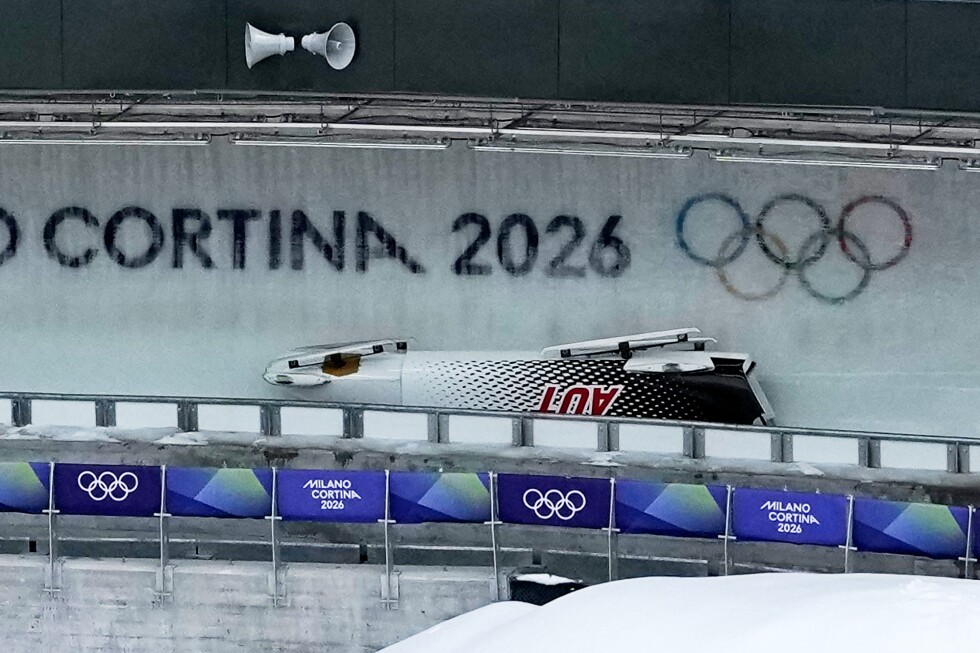
    CORTINA D’AMPEZZO, Italy — Germany’s Johannes Lochner has positioned himself as the commanding frontrunner after the initial two heats of the four-man bobsled competition at the Milan Cortina Winter Olympics. Lochner and his crew—Thorsten Margis, Jorn Wenzel, and Georg Fleischhauer—completed their Saturday runs with a combined time of 1:48.61, establishing a substantial 0.43-second advantage over compatriot Francesco Friedrich, the reigning four-time Olympic champion.

    Lochner acknowledged some technical difficulties during their second descent but expressed overall satisfaction with their performance. ‘The first run was exceptional,’ Lochner commented. ‘We encountered challenges during the second run, particularly at the start and through the mid-section. Nevertheless, we’re pleased with our current standing.’

    Germany currently occupies all three podium positions at the competition’s midpoint, with Adam Ammour sitting in third position, 0.59 seconds behind Lochner. Ammour’s impressive second-heat performance, which registered as the fastest time of that round, prevented Lochner from maintaining his perfect record at the Cortina track.

    For Team USA, Kris Horn made his Olympic debut after missing the two-man competition due to insufficient World Cup qualifications. Horn and his team of Caleb Furnell, Hunter Powell, and Carsten Vissering currently hold ninth position, precisely one second behind the leader but within striking distance of medal contention. ‘We had an extended break,’ Horn noted. ‘I was concerned about maintaining my driving form.’

    American flagbearer Frank Del Duca, who started from the disadvantageous 27th position, sits in 12th place with his team. Del Duca described the challenges of competing on deteriorated ice conditions: ‘The ice maintenance crew performs exceptionally, but with sleds weighing approximately 1,400 pounds generating over 4 Gs of force at 85 mph, the surface becomes significantly altered.’

    The competition witnessed concerning developments during the second heat when Austrian pilot Jakob Mandlbauer lost control of his sled, resulting in a crash that required medical evacuation. Austrian officials confirmed Mandlbauer maintained movement in his extremities while he underwent hospital evaluation. Additional crashes involved teams from France and Trinidad and Tobago, eliminating them from Sunday’s final heats.

    The medal-deciding runs scheduled for Sunday will determine whether Lochner can join the exclusive group of six pilots who have achieved Olympic gold in both two-man and four-man bobsled events during the same Games.

  • Philippine police assure peaceful observance of Ramadan and Lent

    Philippine police assure peaceful observance of Ramadan and Lent

    Philippine authorities have launched comprehensive security measures to ensure peaceful religious observances during the simultaneous occurrence of Ramadan and Lent. The Philippine National Police (PNP) has activated a nationwide security strategy characterized by heightened police visibility at critical locations including transportation hubs, worship sites, and popular tourist destinations.

    Police General Jose Melencio Nartatez, Jr., PNP Chief, emphasized that police visibility and community engagement form the cornerstone of their security approach. “We are deploying substantial personnel resources, including specialized Salaam Police Center units, to mosques and churches across the nation,” Nartatez stated. The security apparatus incorporates real-time adjustments and coordination with local religious leaders to manage crowds and prevent opportunistic criminal activities.

    Significantly, the Moro National Liberation Front (MNLF) has pledged support to government security forces during this period. Muslim Sema, MNLF chairman and Bangsamoro Labor Minister, affirmed: “Ramadan represents a sacred Islamic month. The MNLF will collaborate with police, military, and local government units to ensure peaceful observances.” This commitment extends to the Moro Islamic Liberation Front and various civilian officials who have vowed cooperation in maintaining order within Muslim communities throughout Ramadan.

    The Armed Forces of the Philippines Western Mindanao Command, under Lieutenant General Donald Gumiran, expressed appreciation for Muslim officials’ support while announcing community development projects for Muslim communities during the fasting season. The security measures include establishing 24/7 police assistance desks near major cathedrals and mosques to provide immediate support to worshippers.

  • Italian toddler dies after transplant with heart ‘burned by frostbite’

    Italian toddler dies after transplant with heart ‘burned by frostbite’

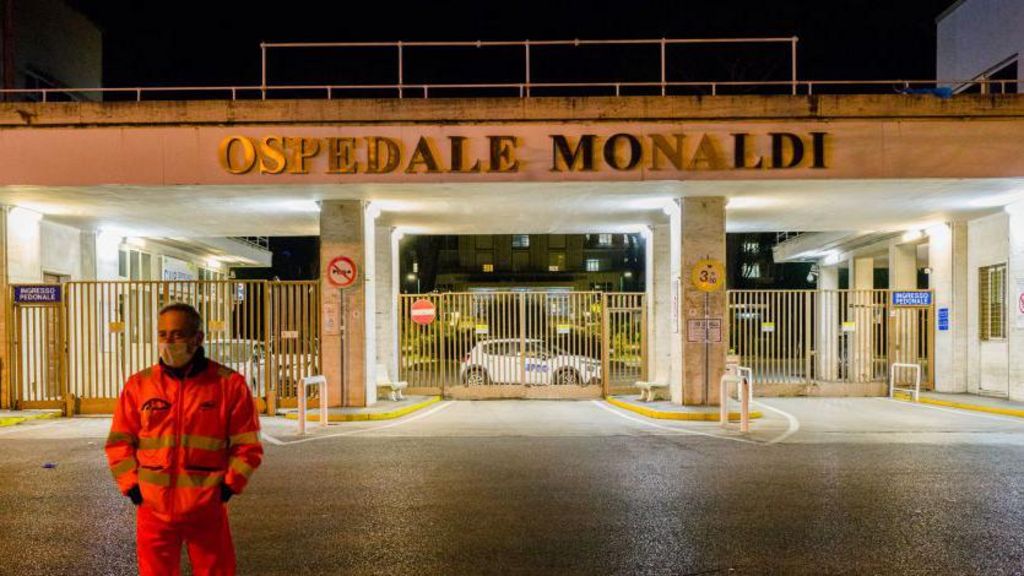
    A two-year-old Italian boy, Domenico, has tragically passed away following a transplant procedure involving a severely damaged donor heart. The child succumbed to his condition on Saturday morning at Naples’s Monaldi Hospital, where medical staff reported a sudden and irreversible deterioration in his clinical state.

    The incident, which has provoked national outrage and prompted an official investigation, centers on critical failures in organ transportation protocols. The donor heart, transported approximately 800 kilometers from Bolzano to Naples in late December, was allegedly placed in direct contact with dry ice inside an unsuitable container. This improper handling caused severe frostbite damage to the tissue, rendering the organ critically compromised upon arrival.

    Legal representative Francesco Petruzzi disclosed that the transportation unit lacked essential monitoring equipment, including a thermometer, which would have alerted the medical team to dangerously low temperatures. Following the botched transplant, Domenico remained on life support for nearly two months. A recent consensus among pediatric specialists concluded that his condition had deteriorated beyond the point of viability for another transplant attempt, with prolonged extracorporeal support having potentially caused damage to multiple organs.

    The case has drawn responses at the highest levels of Italian government, with Health Minister Orazio Schillaci vowing absolute clarity on the circumstances. Meanwhile, six medical professionals are under formal investigation as prosecutors examine potential negligence. The family’s legal team has emphasized their transition from hope to demanding accountability, seeking full access to all relevant medical documentation.

  • Chinese scientists develop AI model to push deep-space exploration

    Chinese scientists develop AI model to push deep-space exploration

    In a groundbreaking advancement for astronomical research, Chinese scientists have pioneered an artificial intelligence system that dramatically enhances humanity’s capacity to explore the deepest realms of the cosmos. The innovation, developed by a multidisciplinary team from Tsinghua University, represents a quantum leap in space imaging technology.

    The newly created ASTERIS model (Astronomical Spatiotemporal Enhancement and Reconstruction for Image Synthesis) employs sophisticated computational optics combined with advanced AI algorithms to overcome fundamental limitations in deep-space observation. Published in the prestigious journal Science, this technological breakthrough demonstrates unprecedented capability in extracting faint astronomical signals that have previously eluded detection.

    Traditional astronomical imaging faces significant challenges from background sky noise and telescope thermal radiation that obscure weak signals from distant celestial objects. Conventional noise-reduction techniques, which rely on stacking multiple exposures and assume uniform noise distribution, prove inadequate for the complex spatiotemporal variations present in deep-space data.

    ASTERIS addresses these limitations through its innovative ‘self-supervised spatiotemporal denoising’ methodology. The system reconstructs deep-space imagery as a three-dimensional spatiotemporal volume, enabling it to identify subtle noise fluctuations while preserving ultra-faint signals from distant stars and galaxies. This approach incorporates a ‘photometric adaptive screening mechanism’ that intelligently distinguishes between noise and genuine astronomical phenomena.

    The practical applications have already yielded remarkable results. When applied to data from the James Webb Space Telescope, ASTERIS extended observational coverage from visible light (approximately 500 nanometers) to mid-infrared (5 micrometers) while increasing detection depth by 1.0 magnitude. This enhancement effectively enables the telescope to identify objects 2.5 times fainter than previously possible.

    According to Associate Professor Cai Zheng from Tsinghua’s Department of Astronomy, the team has already identified over 160 candidate high-redshift galaxies from the ‘Cosmic Dawn’ period—approximately 200-500 million years after the Big Bang. This discovery triples the number of findings achieved through previous methodologies.

    The technology’s compatibility with multiple observational platforms positions it as a potential universal enhancement system for astronomical data processing. Professor Dai Qionghai from Tsinghua’s Department of Automation emphasized that the model can reconstruct faint celestial objects obscured by light noise with exceptional fidelity.

    Looking toward future applications, researchers anticipate deploying this technology on next-generation telescopes to address fundamental scientific questions regarding dark energy, dark matter, cosmic origins, and exoplanet research. Independent reviewers have recognized the work as highly relevant with potential for significant impact across multiple astronomical disciplines.

  • Xiplomacy: Xi’s letter renews American friends’ commitment to better China-US ties

    Xiplomacy: Xi’s letter renews American friends’ commitment to better China-US ties

    In a significant demonstration of personal diplomacy, Chinese President Xi Jinping has reinvigorated cross-Pacific relations through heartfelt correspondence with American friends in Iowa. The exchange, occurring during the Spring Festival celebrations, underscores Beijing’s commitment to people-to-people diplomacy as the cornerstone of international relations.

    President Xi’s carefully crafted response to Luca Berrone and other Iowa residents emphasized four fundamental pillars of Sino-American relations: the centrality of citizens, societal foundations, youth-oriented future, and subnational exchanges. This philosophical framework arrived alongside traditional Chinese New Year greetings, creating a powerful symbolic gesture during the Year of the Horse celebrations.

    The correspondence traces back to relationships established during Xi’s first visit to Muscatine, Iowa in 1985, when he was a county-level official. These connections have remarkably endured for over four decades, with figures like Sarah Lande and Gary Dvorchak maintaining ties that have now evolved into diplomatic channels. Dvorchak, whose family hosted the young Xi during that initial visit, noted the expanding circle of participants in these exchanges, growing from intimate gatherings to broader community involvement.

    Central to this diplomatic effort is the “50,000 in 5 Years” Initiative, which has enabled approximately 40,000 American students to experience China firsthand. Participants like Charlie and Avery have reported transformative experiences, with the latter describing the journey as “the experience of a lifetime” that genuinely touched their heart. The program represents a strategic investment in cross-cultural understanding, creating a generation of Americans with personal connections to China.

    Dan Stein, chairman of the Muscatine-China Initiatives Committee, characterized Xi’s engagement as energizing and meaningful, providing crucial momentum for local efforts to strengthen international bonds. The consistent nature of these exchanges—from replied letters to student delegations to festive card exchanges—demonstrates a sustained commitment to relationship-building that transcends political cycles and geopolitical tensions.

    This diplomatic approach recognizes that while government policies may fluctuate, the fundamental desire for mutual understanding between citizens remains constant. By investing in youth exchanges and personal connections, China is cultivating a foundation of goodwill that could withstand political challenges, ensuring that future generations inherit both the friendship and the responsibility of maintaining this critical international relationship.