作者: admin

  • Xinjiang county blends heritage, modern services for Spring Festival

    Xinjiang county blends heritage, modern services for Spring Festival

    Awat County in China’s Xinjiang Uygur Autonomous Region has successfully orchestrated a distinctive Spring Festival celebration that masterfully integrates traditional cultural preservation with contemporary community services. The event, organized on Tuesday as part of Aksu prefecture’s broader festive programming, represents an innovative approach to cultural continuity during the Lunar New Year period.

    The celebration featured immersive experiences with intangible cultural heritage, including hands-on workshops in traditional paper-cutting and calligraphy conducted by cultural volunteers and heritage inheritors. These activities provided residents with direct engagement with centuries-old artistic practices while ensuring their transmission to newer generations.

    Beyond cultural preservation, the event incorporated modern community services through sixteen volunteer teams offering practical assistance including policy consultations, legal guidance, and health assessments. This dual approach addressed both cultural and practical needs of community members.

    Artistic performances by local talents and community groups enhanced the festive atmosphere, with the broader cultural program continuing through March 3. This extended timeline allows for sustained community engagement and cultural participation across all ethnic groups in the region.

    The Awat County initiative demonstrates how traditional festivals can evolve to meet contemporary needs while maintaining cultural authenticity, effectively bridging historical traditions with modern community requirements during one of China’s most significant annual celebrations.
  • Viral monkey Punch rejected by mother given stuffed orangutan

    Viral monkey Punch rejected by mother given stuffed orangutan

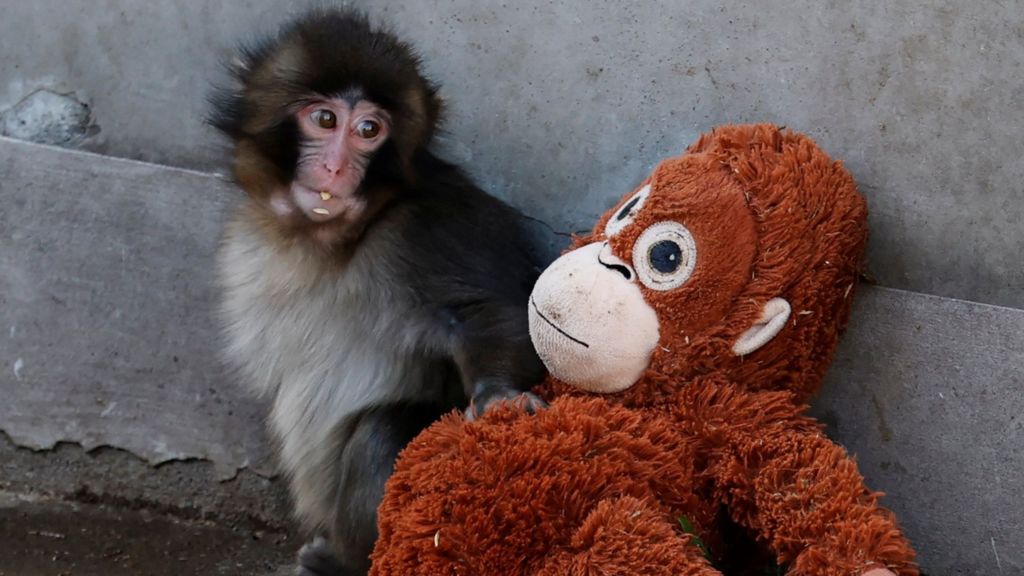
    A heartwarming narrative of interspecies compassion has emerged from Japan’s Ichikawa City Zoo, where a young Japanese macaque rejected by his biological mother has formed an extraordinary bond with an inanimate companion. The juvenile primate, whose early life was marked by maternal abandonment, has been provided with a carefully selected stuffed orangutan by attentive zookeepers seeking to address his emotional needs.

    This unconventional pairing has evolved into an international sensation after zoo visitors documented and shared footage capturing the monkey’s intricate interactions with his plush surrogate. The viral videos reveal astonishing behavioral patterns as the macaque engages in behaviors ranging from gentle grooming sessions to playful ambushes, demonstrating what primate experts identify as transference of natural social behaviors onto the artificial companion.

    Animal behavioral specialists observing the phenomenon note that such therapeutic interventions represent significant advancements in zookeeping practices, particularly regarding emotional support for socially deprived primates. The stuffed orangutan, selected for its size and texture similarities to actual primates, serves as an enrichment tool that provides continuous comfort while allowing the development of crucial social skills that may facilitate future integration with conspecifics.

    The global response has highlighted growing public fascination with animal emotional intelligence, with the zoo reporting increased visitor numbers and international inquiries about the primate’s wellbeing. This incident has simultaneously sparked broader conversations about ethical animal management and the psychological complexities of non-human species in captive environments.

  • Lebanon says 12 dead in Israeli strikes on east, south

    Lebanon says 12 dead in Israeli strikes on east, south

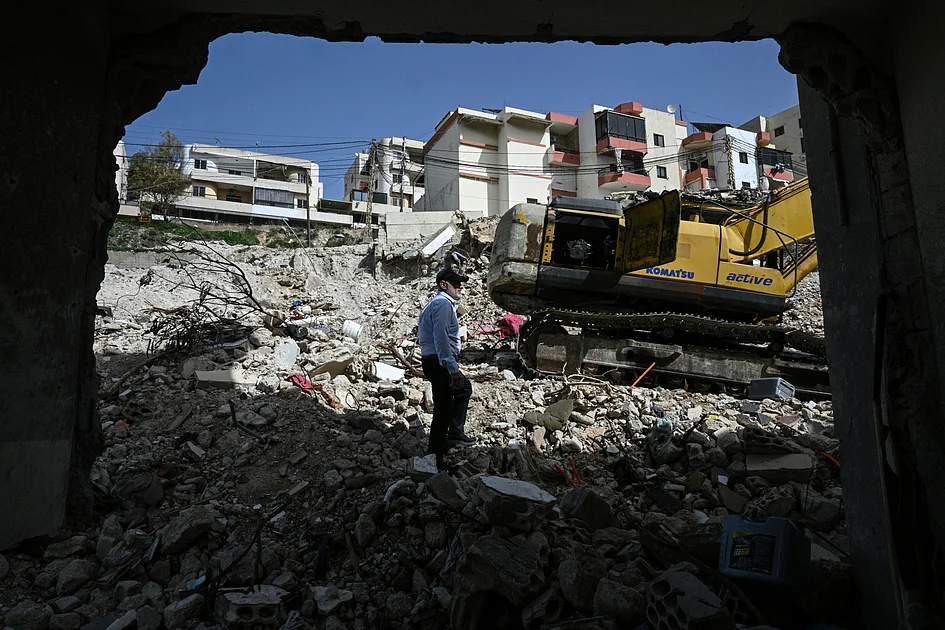
    Israeli military operations in eastern and southern Lebanon resulted in twelve fatalities on Friday, according to Lebanese health authorities. The strikes targeted multiple locations, including the Bekaa Valley and the Ain al-Helweh Palestinian refugee camp, marking a significant escalation in cross-border hostilities.

    The Lebanese Health Ministry reported that Israeli strikes in the Bekaa Valley killed ten individuals and left twenty-four wounded, including three children. Earlier reports from the National News Agency had indicated six fatalities with twenty-five injuries from what they described as ‘heavy strikes’ in the region.

    Israel’s military stated that the operations specifically targeted ‘Hezbollah command centers’ and Hamas infrastructure. A Hezbollah communiqué confirmed the death of one of its commanders in the Bekaa Valley raids, acknowledging the blow to its leadership structure.

    Separately, an Israeli drone strike targeted the densely populated Ain al-Helweh camp near Sidon, resulting in two additional deaths. An AFP correspondent observed smoke rising from damaged structures as emergency services rushed to the scene. Israel defended this operation as targeting a ‘Hamas command center from which terrorists operated,’ while Hamas officials denied any military presence in the camp and condemned what they called ‘civilian casualties.’

    These developments occur despite a November 2024 ceasefire agreement that had sought to de-escalate more than a year of hostilities between Israel and Hezbollah. The Lebanese government’s commitment to disarm Hezbollah, with the army completing the first phase of this plan near the Israeli border, has been met with skepticism from Israeli officials who accuse the group of rearming.

    The ongoing violence represents the most serious flare-up since the October 2023 outbreak of hostilities, when Hezbollah began rocket attacks in support of Hamas at the outset of the Gaza conflict, culminating in two months of intense warfare between Israel and the Iran-backed Lebanese group.

  • How viral photo of King Charles’ brother Andrew after his arrest was captured

    How viral photo of King Charles’ brother Andrew after his arrest was captured

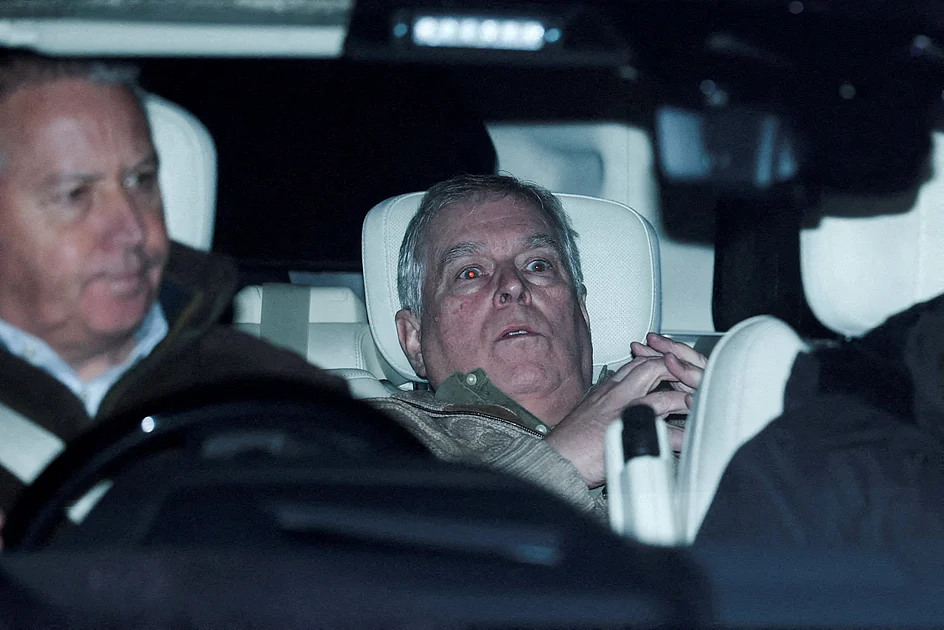
    In an unprecedented moment for the British monarchy, a Reuters photographer captured what would become a defining image of royal accountability. The photograph depicts Andrew Mountbatten-Windsor, younger brother of King Charles III, slumped in the backseat of his Range Rover moments after his release from Aylsham police station in Norfolk. The image, transmitted globally on Thursday evening, shows the once-titled “Playboy Prince” appearing visibly shaken following intensive questioning by Thames Valley Police.

    The investigation centers on allegations that the former prince transmitted confidential government documents to convicted sex offender Jeffrey Epstein. This marks the first instance in modern history where a senior royal has been subjected to criminal interrogation procedures typically reserved for ordinary citizens.

    Photographer Phil Noble’s pursuit of the story began with a six-hour drive from Manchester to Norfolk after news broke of the royal’s arrest. Journalists faced significant challenges in locating the interrogation site, with over twenty potential police stations across southeast England where the questioning might occur. Following an undisclosed tip, Noble and Reuters video journalist Marissa Davison positioned themselves at the Aylsham station.

    After six hours of waiting with minimal activity, Noble had nearly abandoned the vigil to check into a local hotel when Davison’s urgent call alerted him to the arrival of Mountbatten-Windsor’s vehicles. Rushing back, Noble managed to capture six frames as the convoy departed at high speed. Only one image successfully framed the historic moment—a senior royal being processed through standard criminal justice protocols.

    The photograph’s global dissemination underscores its symbolic weight, representing both the seriousness of the allegations and the erosion of traditional royal immunity. Assistant Chief Constable Oliver Wright confirmed the investigation involves suspicions of misconduct in public office, specifically unrelated to sexual misconduct allegations that have previously surrounded Mountbatten-Windsor’s association with Epstein.

    The former prince has consistently denied wrongdoing regarding Epstein and has expressed regret over their friendship. His office declined to comment following the release of millions of Epstein-related documents by U.S. authorities.

  • Our Spring Festival, Our Way

    Our Spring Festival, Our Way

    China Daily Information Co. (CDIC) maintains full copyright protection over all content published on its platform, according to the site’s published notice. All materials—including text, photographs, and multimedia information—are protected under copyright law dating back to 1994. Republication or utilization of any content in any form is strictly prohibited without obtaining prior written authorization from CDIC.

    The website recommends visitors use browsers with a resolution of 1024*768 or higher for optimal viewing experience. The site also displays its multimedia online publishing license (0108263) and registration number (130349) in accordance with regulatory requirements.

    Additionally, the platform provides various informational sections including an ‘About China Daily’ page, advertising opportunities, contact information, and employment sections for both general job offers and expatriate positions. The site also encourages visitors to follow their social media channels for updates.

  • Hungary says it will block a key EU loan to Ukraine until Russian oil shipments resume

    Hungary says it will block a key EU loan to Ukraine until Russian oil shipments resume

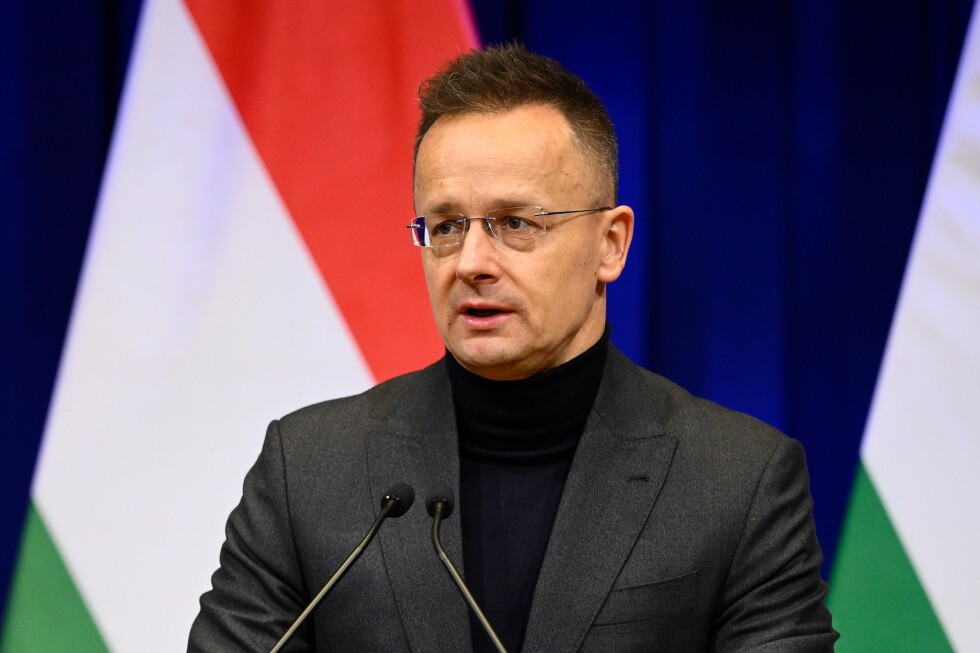
    BUDAPEST, Hungary — In a significant escalation of regional tensions, Hungary has declared it will veto the European Union’s proposed €90 billion ($106 billion) financial assistance package for Ukraine until Russian oil shipments through the Druzhba pipeline are fully restored. The announcement came from Hungarian Foreign Minister Péter Szijjártó, who accused Ukrainian authorities of deliberately obstructing energy supplies to Central Europe.

    The diplomatic confrontation stems from the January 27 interruption of Russian oil deliveries to Hungary and Slovakia, which occurred after Ukrainian officials reported damage to the Druzhba pipeline following a suspected Russian drone attack. Both Central European nations, which maintain exemptions from EU sanctions on Russian oil imports, have alleged without presenting concrete evidence that Ukraine is intentionally delaying the resumption of flows.

    In a social media address delivered Friday evening, Minister Szijjártó characterized Ukraine’s actions as economic blackmail, stating: ‘We will not yield to this pressure tactic. While we don’t support Ukraine’s military efforts, we refuse to bear the cost. Until Ukraine permits oil transit to Hungary, we will obstruct EU decisions beneficial to Ukraine.’

    This funding blockade represents the latest in a series of confrontational moves from Budapest, coming just days after Hungary suspended diesel shipments to Ukraine and mere days before the fourth anniversary of Russia’s full-scale invasion. The position highlights Hungary’s outlier status within the EU and NATO, as nearly all other member states have dramatically reduced or completely eliminated Russian energy imports since February 2022.

    Prime Minister Viktor Orbán’s government continues to maintain that Russian fossil fuels remain essential for Hungary’s economic stability, arguing that alternative energy sources would trigger immediate economic collapse—a position disputed by numerous energy experts. As the Kremlin’s most vocal supporter within the EU, Orbán has consistently opposed sanctions targeting Russia’s energy sector and repeatedly threatened to veto Union-wide support measures for Ukraine.

    The €90 billion loan package, approved by the EU in December to address Ukraine’s military and economic requirements over the next two years, already faced opposition from Hungary, Slovakia, and the Czech Republic. A compromise arrangement had previously been reached wherein these nations abstained from blocking the loan in exchange for financial safeguards.

  • US says it struck vessel in the eastern Pacific, killing three men

    US says it struck vessel in the eastern Pacific, killing three men

    In a targeted operation on Friday, the United States military conducted a strike on a vessel navigating the eastern Pacific Ocean, resulting in the deaths of three individuals aboard. The action represents the latest in a series of similar engagements undertaken by US forces in the region over recent months.

    The operation was officially disclosed through a post on the social media platform X (formerly Twitter), where the US military asserted that the targeted vessel was actively ‘engaged in narco-trafficking operations.’ This incident aligns with the longstanding policy and public messaging of the Trump administration, which has consistently promoted and celebrated the successes of its counter-narcotics initiatives in international waters, often highlighting the disruption of illicit drug trafficking networks.

    The information, initially reported by Reuters, notes that the news agency could not immediately independently verify the precise details surrounding the strike or the allegations against the vessel. Such military actions are complex and typically involve coordination between various US departments and are based on intelligence gathering. The eastern Pacific corridor is a known route for the transportation of narcotics, primarily cocaine, originating from South America and destined for North American markets, making it a high-priority area for US counter-drug patrols and interdiction efforts.

  • Trump pivots to new 10% global tariff, new probes after Supreme Court setback

    Trump pivots to new 10% global tariff, new probes after Supreme Court setback

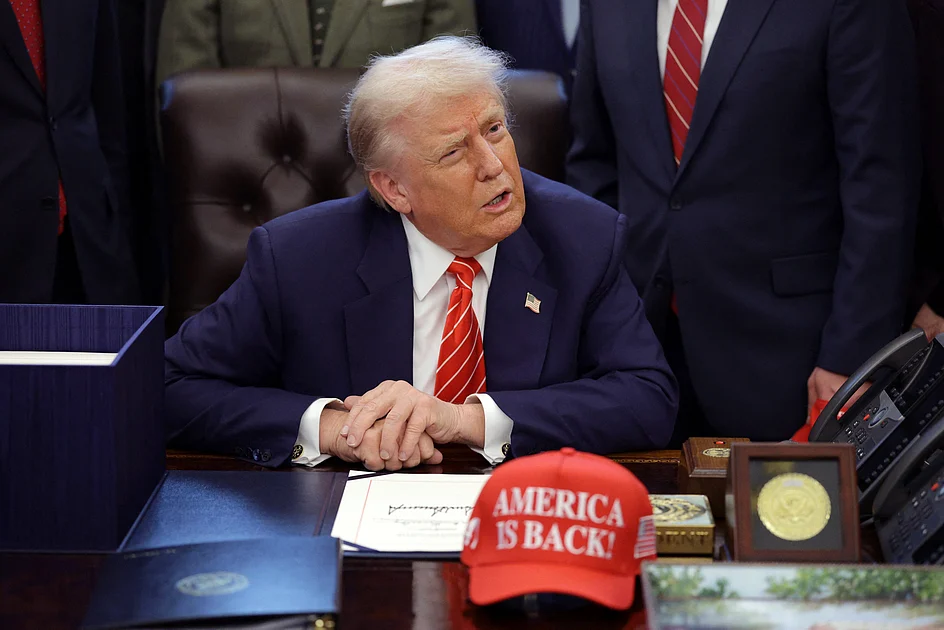
    In a swift response to a Supreme Court ruling that invalidated his previous tariff regime, President Donald Trump has enacted a new economic strategy centered on a temporary 10% global import duty. The executive action, signed late Friday, utilizes Section 122 of the Trade Act of 1974—a rarely invoked statute granting presidential authority to address balance of payments deficits.

    The temporary tariff measure will remain effective for 150 days, providing the administration breathing room to initiate multiple investigations under more conventional trade statutes. Treasury Secretary Scott Bessent confirmed the strategic shift would maintain comparable revenue levels despite the judicial setback, though through what he characterized as ‘a less direct and slightly more convoluted manner.’

    This transitional period enables the Office of the U.S. Trade Representative to launch fresh probes under Section 301 of the Trade Act targeting ‘unreasonable and discriminatory’ trade practices. While specific nations weren’t identified in the executive order, ongoing investigations concerning China and Brazil suggest continued focus on major trading partners, with Vietnam and Canada potentially facing increased scrutiny.

    The administration’s legal maneuvering leaves approximately $175 billion in previously collected tariffs subject to potential refunds, though officials indicated resolution would likely require extensive litigation lasting several years. Trade experts note that while the new approach creates prolonged uncertainty, it introduces more procedural regularity through established investigation frameworks requiring research, public commentary, and defined timelines.

    Former U.S. Trade Representative Robert Lighthizer advocated for congressional action to modernize trade tools, reflecting broader administration intentions to institutionalize more durable tariff authorities beyond temporary measures.

  • Ukraine strikes a key industrial site deep inside Russia

    Ukraine strikes a key industrial site deep inside Russia

    In a significant escalation of cross-border operations, Ukrainian drones penetrated deep into Russian territory on Saturday, striking a strategic defense installation in the Udmurt Republic approximately 1,400 kilometers from the Ukrainian border. The attack resulted in eleven casualties, with three individuals requiring hospitalization according to regional health minister Sergei Bagin.

    Regional Governor Alexander Brechalov confirmed the drone assault via Telegram, acknowledging injuries and structural damage while withholding specific facility identification. Multiple Russian Telegram channels, including Astra and SHOT, identified the target as the Votkinsk Machine Building Plant—a critical state-owned defense enterprise responsible for producing Iskander ballistic missiles routinely deployed against Ukrainian targets, along with nuclear-capable intercontinental ballistic missiles.

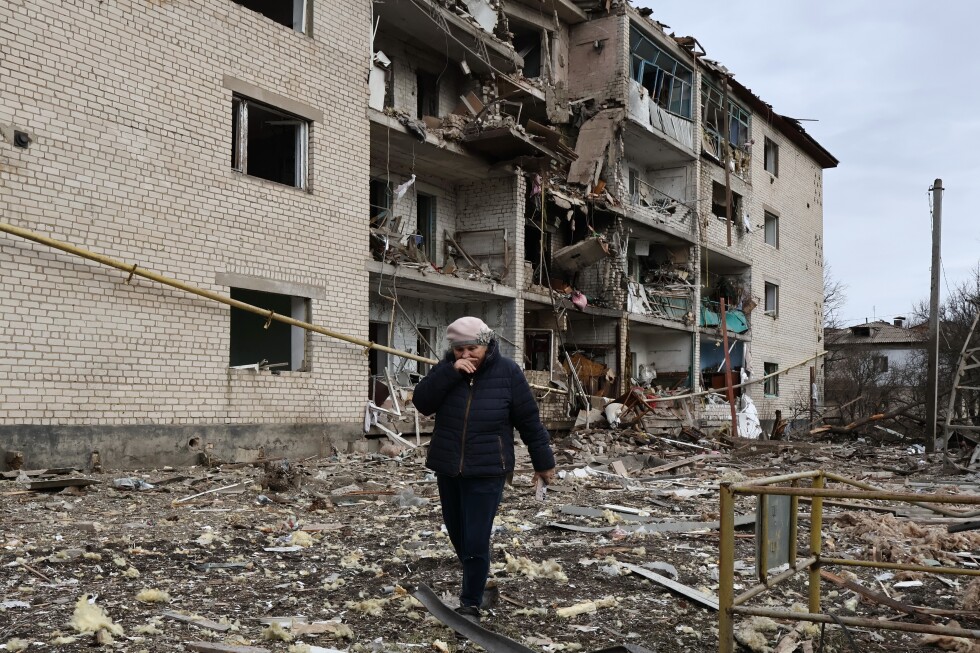
    Visual evidence circulated by Russian news outlets depicted substantial black smoke emanating from the industrial complex and structural damage including shattered windows following reported nocturnal explosions. Local residents described hearing at least three detonations accompanied by distinctive drone acoustics during the nighttime operation.

    The strike represents one of Ukraine’s deepest known penetrations into Russian territory since the conflict’s inception, targeting infrastructure directly linked to missile production used against Ukrainian cities. Ukrainian authorities maintained official silence regarding the operation, while the attack demonstrates Kyiv’s growing capability to project force against strategic military targets within Russia’s defense industrial base.

  • India ready to compete on same level as China, says Saudi businessman at Mumbai forum

    India ready to compete on same level as China, says Saudi businessman at Mumbai forum

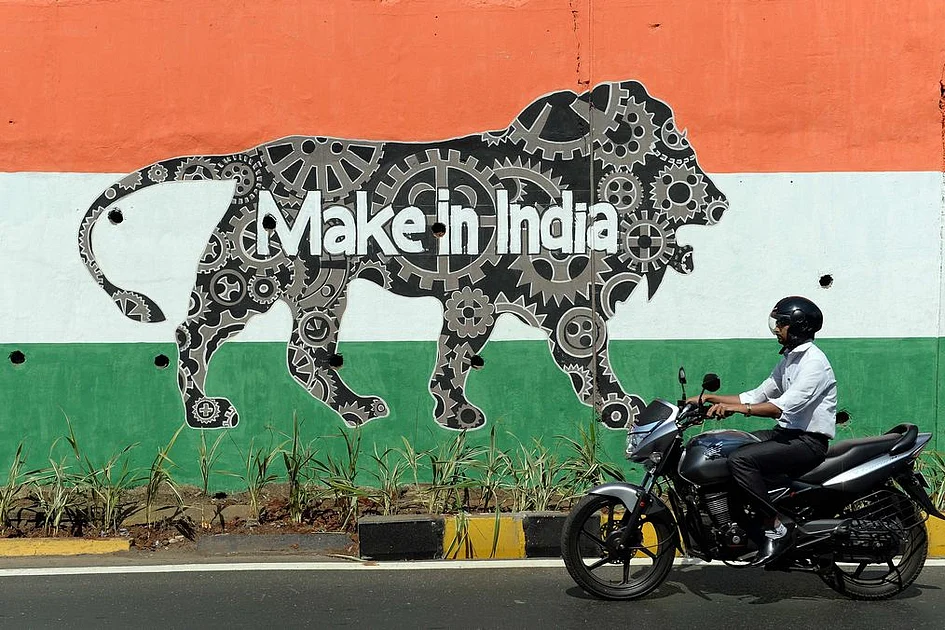
    MUMBAI – A prominent Saudi Arabian investor has positioned India as a peer competitor to China, citing its vast resources and execution capabilities, while calling for critical financial reforms to bolster its small and medium enterprise (SME) sector. The remarks were delivered by Ali Abdulla Ahmed Al Amoudi, Principal and co-founder of Al Almoudi Holdings, during the Global Economic Cooperation 2026 forum organized by the Indian Ministry of External Affairs.

    Al Amoudi articulated a robustly optimistic outlook for the Indian economy, describing it as a nation of ‘monumental opportunity’ equipped with the essential trinity for success: financial capital, an extensive workforce, and strategic know-how. ‘India possesses the necessary know-how and its people truly understand how to execute large-scale ambitions,’ he stated, forecasting the country’s continued ascent to a global standing comparable to China’s.

    However, his analysis included a crucial caveat. The executive identified prohibitively high interest rates as a significant impediment to inclusive growth. Expressing surprise that Indian SMEs face borrowing rates between 15-18%, Al Amoudi argued that such margins stifle expansion and prevent smaller companies from contributing to national infrastructure projects. He issued a compelling call to action for financial institutions to offer low-interest financing, asserting that supporting SMEs is fundamental to ensuring a healthy and stable national economy.

    The dialogue also underscored the deepening symbiotic economic relationship between the Gulf Cooperation Council (GCC) nations and India. Al Amoudi highlighted the reciprocal nature of this partnership, noting that while a vast Indian workforce supports the Gulf economy, Saudi and other GCC investors are increasingly channeling capital into Indian infrastructure. This dynamic, he suggested, is evolving from a history of joint ventures into long-term strategic partnerships.

    A significant shift in Gulf investment strategy was also outlined. Al Amoudi indicated that after a period of substantial internal investment, such as the hundreds of billions deployed in Dubai and the UAE, the region is now positioned to export its expertise and technical ‘know-how’ to partner nations. ‘We no longer view ourselves strictly as investors, but as partners,’ he explained, emphasizing that in an era of available capital, the true challenge lies in forming alliances based on mutual economic interest and expertise, rather than political benefit.

    Concluding with a macro-economic perspective, the businessman framed infrastructure investment as a non-optional imperative for global economic stability. He posited that nations are interconnected components of a global whole, and investing in each other’s critical infrastructure—from airports to hospitals—is essential for fostering future trade partners and ensuring collective prosperity.