作者: admin

  • Court ruling on Trump tariff powers weighs heavily on Australian sharemarket

    Court ruling on Trump tariff powers weighs heavily on Australian sharemarket

    Australian financial markets experienced significant volatility following a U.S. judicial decision that challenged former President Donald Trump’s tariff authority, creating widespread uncertainty about future trade relations between the two nations.

    The S&P/ASX 200 index declined by 55.4 points (0.6%) to settle at 9026, while the broader All Ordinaries index dropped 51.70 points (0.6%) to 9251.50. Market performance showed pronounced sector divergence, with eight of eleven industry sectors closing in negative territory. Only materials, industrials, and consumer staples managed to advance despite the overall bearish sentiment.

    The market turbulence originated from a recent Supreme Court ruling that invalidated President Trump’s previous tariff strategy. In response, the administration announced implementation of a temporary 15% levy on all imports, generating concerns among international trading partners and investors alike.

    Gold-related equities emerged as notable outperformers, benefiting from safe-haven demand. Ramelius Resources surged 8.2%, Greatland Resources advanced 6.38%, Newmont climbed 4.92%, and Evolution Mining gained 3.52%. The Australian dollar stabilized at 70.7 US cents amid the market fluctuations.

    Marc Jocum, Senior Product and Investment Strategist at Global X ETFs, observed that tariff concerns and geopolitical volatility represent continuing themes from previous years that now appear likely to extend into 2026. “Institutional investors’ positioning currently reflects the most conservative stance in approximately two years based on total net long positions,” Jocum noted. “Despite this, gold prices continue their upward trajectory, suggesting that geopolitical tensions and macroeconomic uncertainty—particularly regarding U.S. conflicts with Iran and trade policies—are primary drivers rather than mere capital flows.”

    Technology stocks faced substantial pressure amid artificial intelligence impact concerns. WiseTech Global declined 5.24%, TechnologyOne decreased 5.17%, and NextDC dropped 4.09%. The banking sector also retreated, with ANZ falling 2.29%, Westpac declining 1.18%, Commonwealth Bank dipping 0.63%, and National Australia Bank slipping 0.93%.

    Energy companies mirrored the downward trend as Brent crude prices fell below $71 per barrel amid heightened Middle Eastern tensions. Woodside Energy decreased 1.2%, Santos declined 2.31%, and Ampol dropped 2.14%. Conversely, BHP reached a new peak of $54.75 before settling at $54.02, representing a 1.29% gain.

    Individual corporate performances varied significantly. Mining services group Perenti plummeted 13.83% following disappointing first-half results, while Nuix soared 15.07% after exceeding December expectations. Austal declined 10.95% on poor financial results, and Lendlease slipped 7.21% after reporting a $200 million operating net loss.

    Separately, retailer Harvey Norman announced its intention to vigorously defend against a class action lawsuit regarding promotional activities for Latitude Finance products between January 2020 and August 2021. The company’s shares declined 1.26% following the announcement.


  • Violence erupts in Mexico after drug lord El Mencho killed

    Violence erupts in Mexico after drug lord El Mencho killed

    Mexico has been plunged into a state of widespread turmoil and retaliatory violence following the death of Nemesio Oseguera Cervantes, the infamous leader of the Jalisco New Generation Cartel (CJNG) known as ‘El Mencho’. The high-value target was killed during a meticulously planned security operation on Sunday in the town of Tapalpa, Jalisco, which involved crucial intelligence support from the United States.

    The operation, executed by Mexican special forces, resulted in significant casualties. Four cartel members were confirmed dead alongside El Mencho, with three military personnel sustaining injuries. The Mexican Defense Ministry affirmed the success of the mission against the country’s most-wanted criminal.

    In a brutal response to the loss of their leader, CJNG factions unleashed a coordinated wave of violence across at least a dozen Mexican states. Retaliatory tactics included the strategic placement of approximately 250 burning vehicle blockades on major roadways, with 65 concentrated in Jalisco alone. Urban centers, including the World Cup host city Guadalajara and the resort destination Puerto Vallarta, were transformed into scenes resembling conflict zones, with eyewitnesses reporting armed gunmen on streets shrouded by plumes of smoke from innumerable fires.

    The escalating crisis prompted Jalisco Governor Pablo Lemus Navarro to declare a code red emergency, suspending all public transportation systems, canceling mass gatherings, and shifting educational institutions to remote learning. The violence extended to widespread looting and attacks on commercial establishments, with approximately 20 bank branches targeted by rioters.

    International repercussions were immediate. The United States issued urgent shelter-in-place advisories for its citizens in five Mexican states, while several major airlines, including Air Canada, United Airlines, and American Airlines, canceled flights to affected regions. The UK government similarly warned its nationals to exercise extreme caution.

    Mexican President Claudia Sheinbaum attempted to project control, emphasizing ‘absolute coordination’ between state and federal authorities while urging citizens to remain ‘calm and informed.’ Despite these assurances, the Security Cabinet confirmed 25 arrests linked to the violence, with 11 suspects detained for direct participation in attacks and 14 others for alleged looting.

    US Press Secretary Karoline Leavitt characterized El Mencho’s death as a significant victory in the bilateral fight against narcotics trafficking, highlighting his status as a prime target for both governments and his cartel’s primary role in funneling fentanyl into the United States. The late cartel leader, a 59-year-old former police officer, had built a vast criminal empire responsible for trafficking massive quantities of cocaine, methamphetamine, and synthetic opioids, with the US State Department offering a $15 million bounty for information leading to his capture.

  • ICC to hold hearing on charges against former Philippine President Rodrigo Duterte

    ICC to hold hearing on charges against former Philippine President Rodrigo Duterte

    THE HAGUE, Netherlands — International Criminal Court prosecutors commenced proceedings Monday to substantiate charges against former Philippine President Rodrigo Duterte, marking a pivotal moment in one of the court’s most significant cases. The prosecution alleges Duterte orchestrated systematic killings during his anti-drug campaigns, first as mayor of Davao City and later as national leader.

    The evidentiary hearing represents a critical juncture in the years-long investigation into extrajudicial killings that human rights organizations estimate claimed between 6,000 and 30,000 lives during Duterte’s presidency. While not a full trial, the proceedings allow prosecutors to demonstrate sufficient evidence for judges to determine within 60 days whether formal charges should proceed to trial.

    Victims’ families expressed emotional relief at the development. Llore Pasco, whose two sons disappeared in May 2017 and were later found bullet-ridden, stated: ‘We have waited for this for so long, for years we have waited, but we did not relent.’

    Duterte, who waived his right to attend the Hague proceedings, described the charges as an ‘outrageous lie’ in a letter to judges. The octogenarian cited his advanced age and frailty as reasons for non-attendance, claiming he would forget the proceedings ‘within minutes.’

    The case has ignited political tensions in the Philippines, with Duterte’s supporters criticizing current President Ferdinand Marcos Jr.’s administration for cooperating with the court. Vice President Sara Duterte, the former leader’s daughter and recent presidential aspirant for 2028, has emerged as a prominent detractor of the proceedings.

    Human rights advocates note Duterte attempted to evade accountability by withdrawing the Philippines from the ICC’s Rome Statute in 2018 after prosecutors announced their investigation. However, judges rejected jurisdictional challenges, asserting countries cannot abuse withdrawal procedures to shield individuals from justice for crimes already under consideration. An appeal of this decision remains pending.

    For families like Sheerah Escudero, whose 18-year-old brother was found wrapped in packaging tape in 2017, the case represents not just accountability for past crimes but prevention of future violence. ‘We know that the same policy of killings will continue,’ Escudero warned, highlighting concerns about political dynasties perpetuating violent policies.

  • From bakeries to beauty shops, Russian businesses are feeling the pain from a new wartime tax policy

    From bakeries to beauty shops, Russian businesses are feeling the pain from a new wartime tax policy

    As Russia’s full-scale invasion of Ukraine enters its fourth year, mounting economic pressures are forcing the Kremlin to shift financial burdens onto consumers and small enterprises. Recent tax reforms have significantly increased the fiscal strain on Russia’s small business sector, triggering widespread concern and closures across the country.

    The situation gained national attention when Denis Maksimov, owner of Mashenka bakery in suburban Moscow, appealed directly to President Vladimir Putin during his annual call-in show last December. Standing before his bakery named after his eldest daughter, Maksimov articulated the struggles facing small businesses under new tax regulations that have drastically lowered revenue thresholds for value-added tax (VAT) requirements.

    While acknowledging the country’s difficult circumstances, Maksimov expressed grave concerns about the sustainability of many enterprises. The reforms have reduced the VAT payment threshold from 60 million rubles ($783,000) in annual revenue to 20 million rubles ($261,000) this year, with plans to further decrease it to 10 million rubles ($130,500) by 2028. Businesses previously using the patent taxation system—which involved fixed annual payments—now face at least a 6% tax on revenues plus 5% VAT if they exceed the new thresholds.

    Although Maksimov’s televised plea brought temporary increased sales and presidential attention to his bakery, it failed to reverse the policy. While Putin raised the case at a government meeting and Economy Minister Maxim Reshetnikov proposed temporary relief measures, concrete implementation remains uncertain.

    The economic fallout extends far beyond Moscow. Social media videos show vacant commercial spaces along St. Petersburg’s main Nevsky Prospekt, where numerous shops have ceased operations. Darya Demchenko, who owns a chain of beauty salons in Russia’s second-largest city, describes unprecedented anxiety among business owners. She has already closed one salon and sold another to remain operational amid soaring costs and declining demand.

    An online campaign dubbed “We Are Mashenka,” initiated by the Association of Beauty Industry Enterprises, has highlighted similar cases nationwide. Unlike Maksimov, most entrepreneurs lack access to high-level intervention. Industry reports indicate approximately 10% of beauty businesses in St. Petersburg closed in December and January alone, with predictions of further collapses after April tax deadlines.

    According to Chris Weafer, CEO of Macro-Advisory Ltd., this represents a deliberate strategy by the Finance Ministry to create stable revenue sources as oil revenues dwindle and military spending levels off. While small and medium enterprises constitute just over 20% of Russia’s economy, expanding VAT application to these businesses will generate significant budget funds.

    The cumulative pressure—including restrictions on social media platforms that eliminated cheap advertising avenues, supplier price hikes exceeding the 2% VAT increase, and requirement for specialized accounting staff—has created perfect storm conditions for small businesses. Many entrepreneurs who survived previous challenges, including COVID-19 pandemic and sanctions following the annexation of Crimea, now face what they describe as an existential threat without government support.

    As more businesses become subject to increased taxes in 2027 and 2028 under the progressive implementation schedule, the sector most crucial for economic expansion and innovation continues to suffer, potentially hampering Russia’s post-war recovery prospects.

  • A packed bus plunges off a Nepal highway, killing 19 and injuring 25

    A packed bus plunges off a Nepal highway, killing 19 and injuring 25

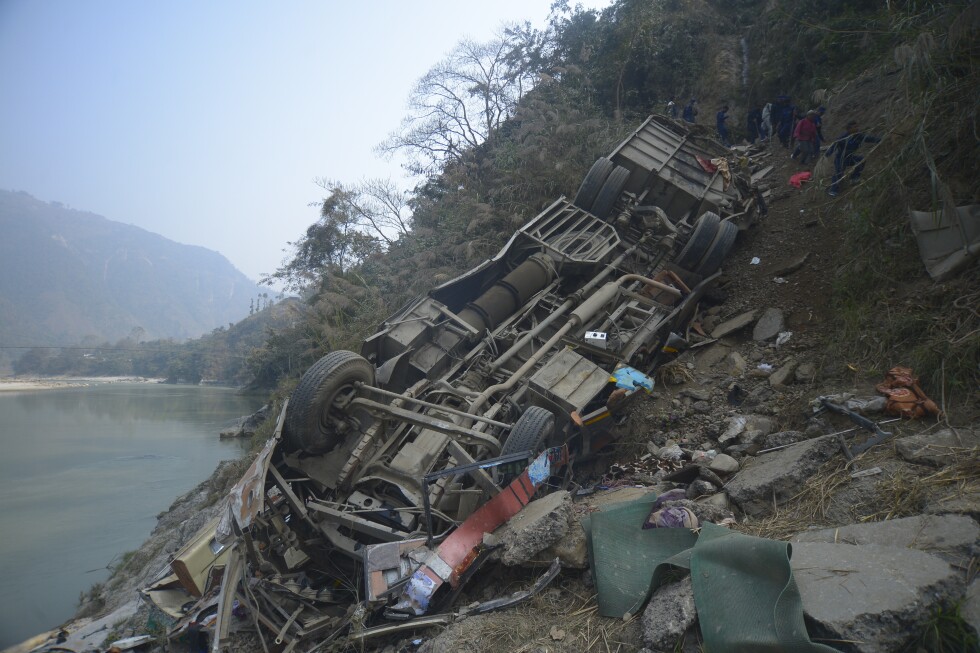
    A devastating bus accident in Nepal’s mountainous region has resulted in significant casualties, with 19 confirmed fatalities and 25 individuals injured. The tragedy occurred in the early hours of Monday when the overcrowded vehicle veered off the Prithvi Highway near Benighat, approximately 80 kilometers west of Kathmandu.

    According to Dhading district police reports, the bus was traveling from the popular tourist destination of Pokhara to the nation’s capital when it plummeted down a steep mountainside, ultimately coming to rest on the banks of the Trishuli River. The crash site presented rescuers with challenging terrain as they worked to extract survivors from the wreckage.

    International victims included a 24-year-old British national who perished in the accident, while a Chinese citizen sustained injuries requiring treatment at Kathmandu’s National Trauma Center. Additionally, a 27-year-old New Zealand woman received medical attention for minor injuries at a local hospital. Chinese authorities have reported one additional national missing following the incident.

    Mohan Prasad Neupane, a government administrator, confirmed that emergency response teams reached the location promptly, transporting the injured to medical facilities for urgent care. As of current reporting, only nine victims have been formally identified.

    This tragic event highlights ongoing transportation safety concerns in Nepal’s mountainous regions, where narrow roadways and inadequate vehicle maintenance frequently contribute to accidents. The Himalayan nation’s challenging geography continues to present significant infrastructure challenges, with many areas accessible only via perilous mountain roads.

    The recent accident bears similarities to another tragedy involving two buses that plunged into the same river earlier this year, resulting in 65 casualties with many victims never recovered. One vehicle remained buried in river sediment until its discovery this year.

    Local authorities have launched a full investigation to determine the precise cause of the latest incident, examining factors ranging from road conditions to vehicle maintenance standards.

  • ‘We want to win the comp’: Daly Cherry-Evans and Sam Walker reflect on their first game together for the Roosters

    ‘We want to win the comp’: Daly Cherry-Evans and Sam Walker reflect on their first game together for the Roosters

    A dramatic lightning delay failed to dim the promising debut of Daly Cherry-Evans in Sydney Roosters colours, as the veteran playmaker and halves partner Sam Walker showcased their burgeoning combination in a pre-season trial against the Parramatta Eels. The 28-22 loss in Gosford provided crucial insights into one of the NRL’s most anticipated new partnerships following Cherry-Evans’ off-season move from Manly after 15 seasons and 352 games.

    The match commenced under extraordinary circumstances with a 45-minute weather delay just four minutes into play, creating an unconventional start to Cherry-Evans’ Roosters career. Despite the interruption, the new halves combination demonstrated immediate chemistry, with Walker taking primary responsibility in attack while Cherry-Evans operated predominantly on his preferred right edge.

    Walker emerged as the dominant playmaker on the night, registering a try, two assists, and a remarkable 20/40 kick in a performance that answered questions about the team’s tactical hierarchy. The 37-year-old Cherry-Evans embraced a supportive role, focusing on game management and strategic kicking while acknowledging the natural evolution of his responsibilities within the new structure.

    ‘There were certainly nerves initially, but the longer the game progressed, the more comfortable I felt,’ Cherry-Evans revealed post-match. ‘While my jersey number has changed, my fundamental approach to leadership and game management remains consistent. The objective is developing such seamless coordination that we know where the ball is going while keeping opponents guessing.’

    Walker expressed enthusiasm about the partnership, highlighting their shared Queensland heritage and the learning opportunity presented by playing alongside an experienced veteran. ‘We’re both embracing specific roles at different moments and feeding off each other’s energy,’ Walker noted. ‘While immediate perfection isn’t expected, our shared objective remains clear: winning football games and ultimately competing for the premiership.’

    The performance indicated positive signs for the Roosters’ attacking structure, with fullback James Tedesco potentially benefiting from reduced playmaking responsibilities. Both players emphasized that numerical designations matter less than complementary skill sets and shared ambition for team success as they continue developing their partnership throughout the season.

  • Multi-agency search underway after man disappears while swimming at Wallis Lake at Forster

    Multi-agency search underway after man disappears while swimming at Wallis Lake at Forster

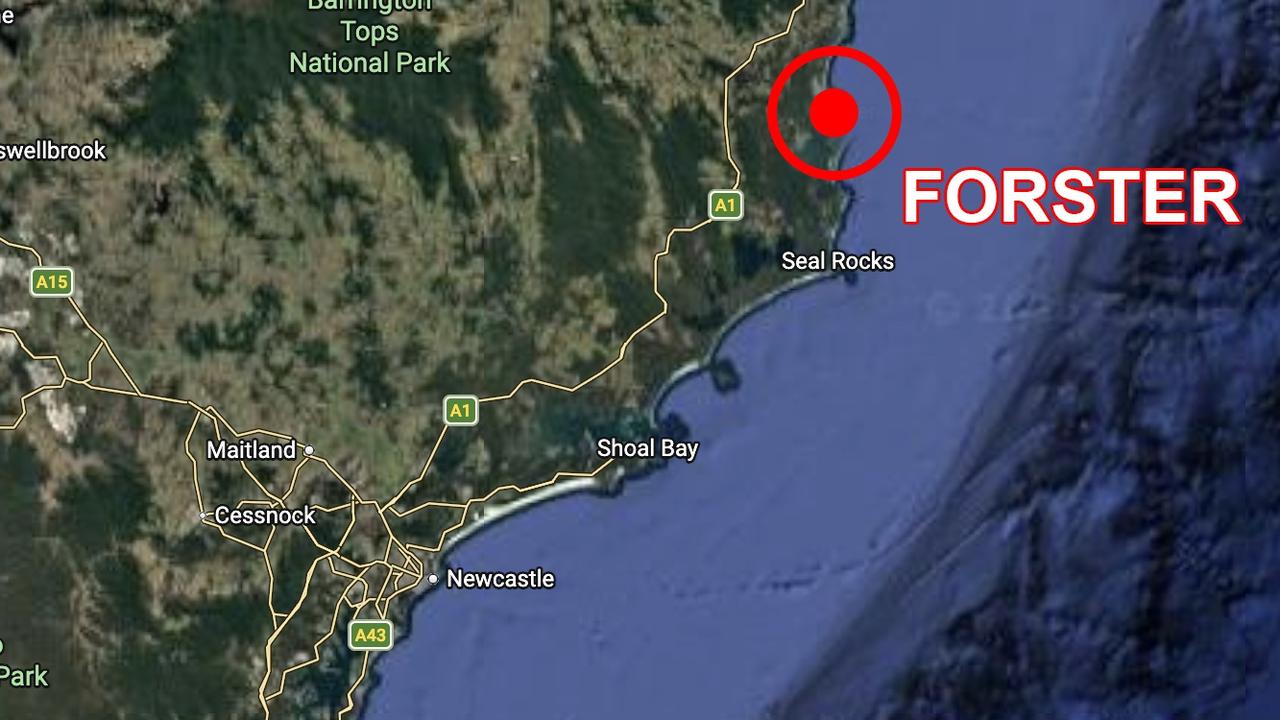
    A comprehensive search operation continues at Wallis Lake in Forster, New South Wales, following the disappearance of a man who failed to resurface after going underwater on Sunday afternoon. Emergency services were alerted to the incident at approximately 4:45 PM when witnesses reported the individual vanishing beneath the water’s surface.

    Multiple rescue organizations have coordinated efforts to locate the missing person. Manning Great Lakes District Police are leading the operation with substantial support from Surf Life Saving Australia and Marine Rescue NSW. The initial search concentrated north of the Forster-Tuncurry Bridge, utilizing specialized equipment and personnel to scour the aquatic environment.

    Despite intensive efforts throughout Sunday, the operation proved unsuccessful in locating the man. The search resumed at first light on Monday, February 23, 2026, with crews expanding their efforts to include both the lake waters and surrounding shoreline areas. The multi-agency response represents a significant deployment of resources to the region approximately three hours north of Sydney.

    Authorities have not released identifying information about the missing individual pending family notifications. The incident has drawn attention to water safety practices in the popular recreational area, though specific circumstances leading to the disappearance remain under investigation. The search continues as emergency teams work methodically through the challenging aquatic environment.

  • ‘Kelly’s law:’ Western Australia to ban dangerous drivers during court process

    ‘Kelly’s law:’ Western Australia to ban dangerous drivers during court process

    Western Australia has implemented groundbreaking legislative changes targeting dangerous drivers following the tragic hit-and-run death of 32-year-old Kelly T’Hart. The new regulations, officially designated as ‘Kelly’s Law,’ mandate immediate driving bans for individuals charged with serious traffic offenses before their court proceedings conclude.

    The legislation emerged from a devastating incident on May 19, 2024, when T’Hart was struck and killed by an intoxicated driver while walking near Mandurah, south of Perth. The alleged driver, 26-year-old Maddison Peace Bain, fled the scene without providing assistance and subsequently faced charges for dangerous driving causing death while under alcohol influence. Despite pleading guilty, Bain retained driving privileges for months before sentencing, even driving past the victim’s family home during this period.

    This legal gap prompted the T’Hart family to campaign vigorously for reforms to the Road Traffic Act 1974. Their efforts resulted in expanded judicial authority to suspend licenses for a broader range of serious offenses, including all drink and drug driving violations, reckless operation of vehicles, extreme speeding incidents, and hit-and-run cases.

    Road Safety Minister Reece Whitby emphasized that the legislation aims to protect public safety by preventing potentially dangerous drivers from remaining on roads during legal proceedings. ‘Drivers who consider themselves above the law and continue endangering lives through dangerous or impaired driving should be prohibited from our roadways,’ Whitby stated. He characterized the law as creating a positive legacy from tragedy while providing stronger deterrents against traffic violations.

    The reforms represent a significant enhancement of previous regulations, which only imposed automatic disqualifications for limited alcohol and drug offenses. Courts now possess expanded powers to extend license disqualification periods until final case resolution.

  • More than 200 political prisoners in Venezuela launch hunger strike

    More than 200 political prisoners in Venezuela launch hunger strike

    Over 200 political detainees at Venezuela’s Rodeo I prison initiated a hunger strike this weekend, protesting their exclusion from a newly enacted amnesty law. The demonstration, which began Friday night, highlights ongoing tensions within the country’s penal system despite recent political reforms.

    The protest emerged just days after Venezuela’s congress approved the amnesty legislation on Thursday, a measure promoted by interim leader Delcy Rodriguez following pressure from Washington. The law specifically excludes cases involving military personnel and terrorism charges—precisely the categories encompassing most inmates at Rodeo I prison, located approximately 40 kilometers east of Caracas.

    Relatives of detainees confirmed that 214 individuals, including both Venezuelan and foreign nationals, are participating in the hunger strike. Among those excluded is Argentine police officer Nahuel Agustin Gallo, who faces terrorism allegations. The prisoners’ chants of ‘Freedom!’ and ‘Release us all!’ echoed outside the facility throughout the weekend.

    In a significant development, the International Committee of the Red Cross (ICRC) conducted its first-ever visit to Rodeo I prison on Sunday. Filippo Gatti, ICRC’s health coordinator for Venezuela, described the access as ‘a first step’ toward improved conditions.

    Meanwhile, the amnesty legislation has generated mixed reactions. While opposition figures criticize its selective application, the government reports that over 1,500 political prisoners have already applied for amnesty. Approximately 23 detainees were released from Rodeo I on Sunday, including police commissioner Armando Fusil, who described the solidarity among prisoners as ‘a beautiful brotherhood.’

    The political context remains charged following the January 3rd operation where US commandos captured former president Nicolas Maduro and his wife. Currently in US custody awaiting trial on drug trafficking charges, Maduro has pleaded not guilty and declared himself a prisoner of war. His removal from power after nearly thirteen years of leftist rule marked a dramatic shift in Venezuela’s political landscape.

  • Japan’s emperor expresses concern about 3/11 disaster survivors on his 66th birthday

    Japan’s emperor expresses concern about 3/11 disaster survivors on his 66th birthday

    TOKYO — Emperor Naruhito of Japan delivered poignant remarks ahead of his 66th birthday, expressing profound concern for survivors still grappling with the aftermath of the catastrophic 2011 triple disaster. Speaking just weeks before the March 11 anniversary, the monarch highlighted the ongoing challenges facing affected communities despite visible infrastructure progress.

    “While recovery of infrastructure has made progress, I feel that reconstruction of livelihoods and community still needs to be addressed,” Naruhito stated in pre-released comments. He emphasized the persistent emotional trauma survivors endure, noting: “As I think of those who lost their loved ones and had to cope with complete change of their living environment, I feel their scars have not healed yet… they stay despite the passage of time.”

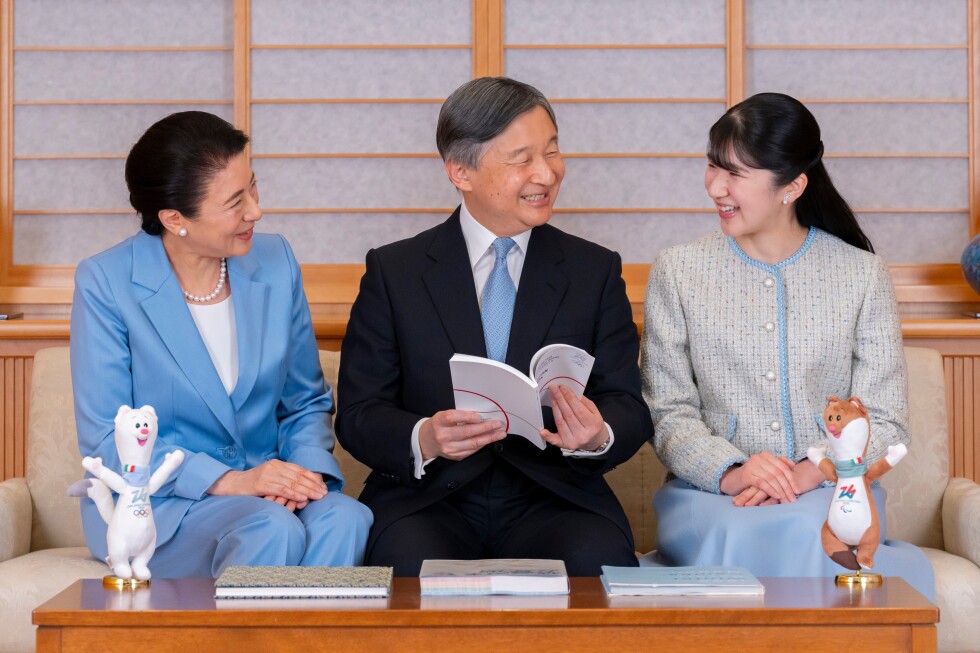
    The imperial family, including Empress Masako, Princess Aiko, and Crown Prince Akishino’s family, made a traditional balcony appearance at Tokyo’s Imperial Palace to acknowledge cheering well-wishers waving Japanese flags. This public celebration contrasted with the Emperor’s sobering message about the nation’s unfinished recovery.

    The 2011 Great East Japan Earthquake and subsequent tsunami claimed nearly 20,000 lives, displaced hundreds of thousands, and triggered meltdowns at Fukushima Daiichi Nuclear Power Plant. While most radiation-evacuated zones have officially reopened, revitalization remains elusive due to diminished employment opportunities and fractured community bonds.

    Emperor Naruhito stressed the critical importance of intergenerational disaster education, advocating for continuous transmission of hard-earned lessons to younger Japanese citizens. He pledged to maintain closeness with affected populations, sharing their joys and sorrows while praying for future disaster prevention.

    The monarch also addressed royal succession matters, expressing hopes that Princess Aiko would develop into “a fine person as a human being and a royal member” who might contribute to international peacekeeping. His comments emerge amid ongoing debate about Japan’s male-only succession laws, which prevent the 24-year-old princess from ascending the throne and would require her to relinquish royal status upon marrying a commoner.