作者: admin

  • A new era for Dutch politics with Rob Jetten set to be sworn in as prime minister

    A new era for Dutch politics with Rob Jetten set to be sworn in as prime minister

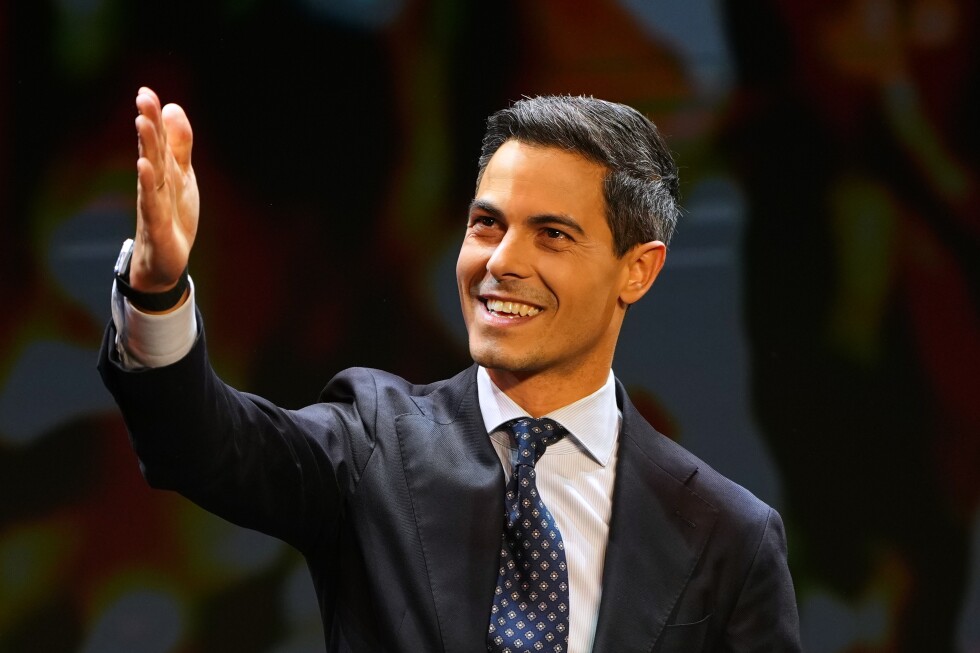
    THE HAGUE, Netherlands — In a ceremony at the Huis ten Bosch Palace on Monday, King Willem-Alexander formally inaugurated the Netherlands’ newest coalition government under Prime Minister Rob Jetten, who at 38 becomes the country’s youngest-ever leader. The administration faces immediate governing challenges as it commands only a minority position in parliament.

    The three-party coalition comprises Jetten’s centrist D66 party alongside two center-right partners: the Christian Democrats and the People’s Party for Freedom and Democracy. Collectively, they control just 66 seats in the 150-member lower house, requiring extensive negotiation with opposition factions for every legislative proposal.

    This fragile majority faces its first test from the newly merged Green Left-Labor Party bloc, which has already voiced strong opposition to the government’s proposed healthcare and welfare reductions. Opposition leader Jesse Klaver declared on social media platform X that the plans would burden ordinary citizens with hundreds of euros in additional costs while exempting the wealthiest from proportional contributions.

    The political landscape leading to this minority government emerged from October’s snap election, triggered when Geert Wilders’ Party for Freedom withdrew from the previous coalition in June. Jetten’s D66 narrowly secured victory through postal ballots after tying with Wilders’ party in seat count.

    Internationally, Prime Minister Jetten aims to reestablish the Netherlands’ influential role within the European Union, which many observers believe diminished under the previous administration. Despite past criticisms of U.S. President Donald Trump, Jetten emphasizes maintaining strong transatlantic relations while prioritizing European cooperation. His government has committed to continuing military support for Ukraine against Russian aggression.

    Key ministerial appointments include Christian Democrat Tom Berendsen as Foreign Minister, expected to leverage his European Parliament experience to revitalize Dutch diplomacy. Eelco Heinen retains his position as Finance Minister, providing continuity in economic stewardship. Dilan Yeşilgöz-Zegerius transitions from Justice to Defense Minister, tasked with military strengthening, while Bart van den Brink will lead immigration policy with focus on asylum processing reforms.
  • French artist JR’s installation will transform Paris’ oldest bridge into a giant cave

    French artist JR’s installation will transform Paris’ oldest bridge into a giant cave

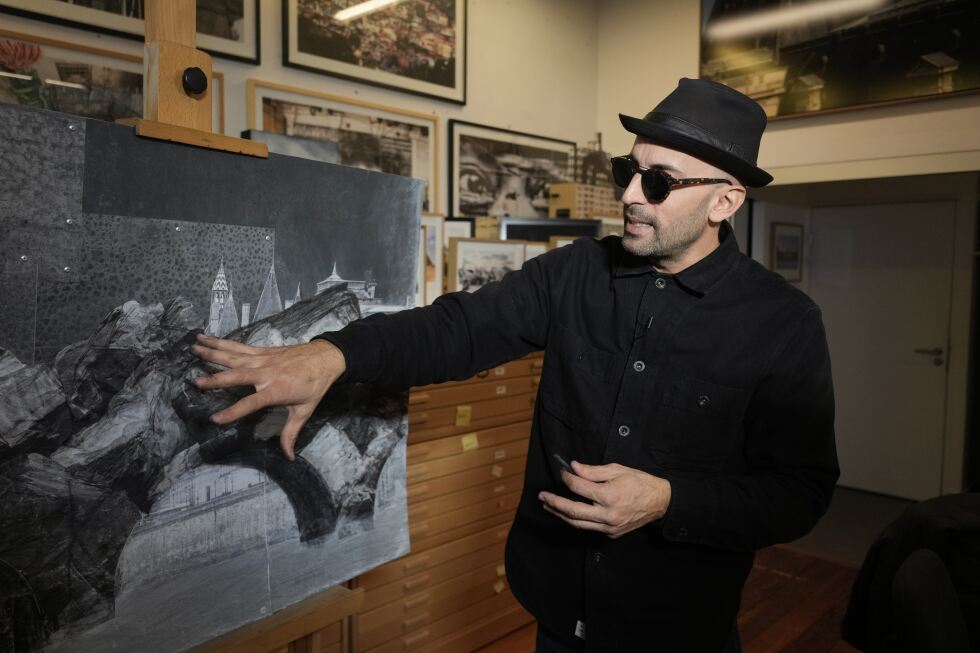
    PARIS — Renowned French artist JR, often compared to the elusive Banksy, is preparing to execute his most ambitious urban intervention yet—transforming Paris’s historic Pont Neuf into a massive immersive art experience this June. The 17th-century bridge will temporarily become a walk-through cavern installation, creating a striking juxtaposition of mineral formations against classical Parisian architecture.

    The project, titled ‘Pont Neuf Cavern,’ will run from June 6-28, stretching 120 meters in length and reaching over 17 meters in height. The installation will completely envelop the bridge’s stone arches with a prehistoric rock-like illusion, incorporating multi-sensory elements including specialized sound design by former Daft Punk member Thomas Bangalter and augmented reality technology developed by Snap’s Paris studio.

    This monumental work serves as both homage and innovation, referencing the iconic 1985 wrapping of Pont Neuf by artistic duo Christo and Jeanne-Claude while establishing a distinctly contemporary approach to public art. JR acknowledges the significance of following these pioneers, stating he’s proceeding ‘in a very different style, in my own way.’

    The experience offers dual perspectives: externally, the bridge will appear as a massive geological formation disrupting the urban landscape; internally, visitors will navigate a completely darkened tunnel designed to create temporal disorientation and total immersion. The artist describes it as potentially ‘the largest immersive installation ever made,’ accessible 24/7 throughout its three-week exhibition.

    JR’s team has conducted extensive engineering and safety studies, including tests at Paris’s Orly airport hangar, to ensure structural integrity and emergency preparedness. Visitor numbers will be regulated in consultation with authorities, with continuous monitoring throughout the installation period.

    Beyond its physical presence, the work engages with philosophical themes, explicitly referencing Plato’s allegory of the cave as commentary on contemporary digital realities. ‘What are our caves today? Our phones,’ JR notes, drawing parallels between the cave’s shadow reality and algorithmic social media environments.

    The installation coincides with Paris Fashion Week and World Music Day, with the bridge closing to traffic during this period, creating a unique cultural convergence in the heart of the French capital.

  • The 102-year-old kitman who left his mark on the World Cup

    The 102-year-old kitman who left his mark on the World Cup

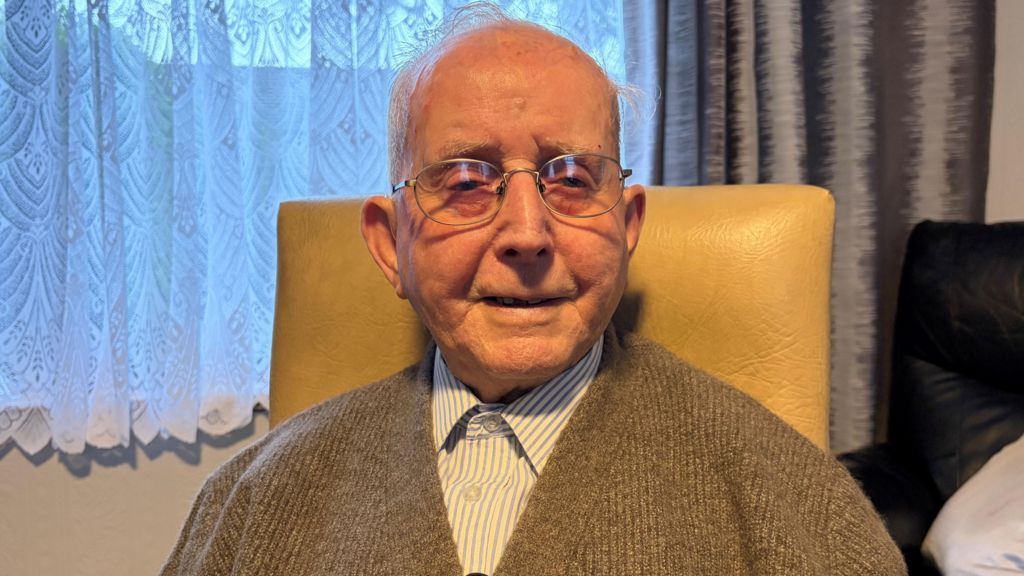
    At 102 years young, Charlie O’Leary stands as a living monument to Irish football history. The Dubliner, who recently celebrated his birthday in February, possesses a legacy that intertwines with the very fabric of the sport across both the Republic and Northern Ireland. His remarkable journey from local innovator to international football figure is now being immortalized in “The Charlie O’Leary Story – From Johnny Cullen’s Hill to the Olympic Stadium Rome,” set to premiere at the Dublin International Film Festival.

    O’Leary’s most enduring contribution remains the revolutionary “street leagues” he established in Dublin’s East Wall neighborhood in 1945. Recognizing the lack of organized football opportunities for teenagers, O’Leary proposed utilizing the parish church’s juvenile sodality as a foundation for competitive play. The leagues organized teams based on residential streets, creating an immediate sense of community pride and belonging.

    The initiative rapidly expanded throughout Dublin during the 1950s before spreading across the island to cities including Belfast. What began as a local solution evolved into a breeding ground for legendary talent. The leagues produced an extraordinary roster of players who would achieve international acclaim, including Manchester United’s European Cup winner Tony Dunn, Arsenal and Juventus star Liam Brady, and Leeds United icon Johnny Giles.

    Northern Ireland similarly benefited from O’Leary’s vision, with three members of their historic 1958 World Cup squad—Harry Gregg, Bertie Peacock, and Jimmy McIlroy—having developed their skills in the street leagues. Later participants included Manchester United’s Sammy McIlroy and current Northern Ireland assistant manager Jimmy Nicholl.

    O’Leary’s influence extended beyond community organizing to direct involvement with the Republic of Ireland national team. Serving as kitman for 16 years during Irish football’s golden era, he witnessed iconic victories including the historic defeat of England at Euro 1988 and the stunning triumph over Italy at the 1994 World Cup.

    Film producer Fergus Dowd emphasizes the cultural significance of O’Leary’s creation: “These kids had a jersey on, they were representing their road and their mothers and fathers were watching. It was a massive community event that grew organically from Charlie’s vision.”

    Reflecting on his extraordinary life in football, which included refereeing behind the Iron Curtain during the Cold War, O’Leary identifies meeting Pope John Paul II during the 1990 World Cup as his most cherished memory. “I was frozen, I couldn’t speak,” he recalls. “That to me was the biggest thrill I ever got in my life.”

    The documentary not only chronicles O’Leary’s personal journey but preserves the story of an innovative community program that transformed Irish football and provided opportunities for generations of young athletes who might otherwise have been overlooked by traditional systems.

  • More Ghanaians are wearing a cultural outfit after their president was mocked

    More Ghanaians are wearing a cultural outfit after their president was mocked

    ACCRA, Ghana — A cultural revival is sweeping through Ghana as the traditional fugu garment gains unprecedented popularity, transforming from regional attire into a national symbol of heritage pride. This remarkable resurgence originated from an unexpected source: social media criticism directed at President John Dramani Mahama’s choice to wear the distinctive striped smock during an official visit to Zambia in early February.

    The online mockery triggered a powerful counter-movement among Ghanaians determined to defend their cultural legacy. The groundswell of support culminated in Tourism Minister Abla Dzifa Gomashie’s official declaration of Wednesdays as “Fugu Day” on February 10, establishing a weekly celebration of national identity through fashion.

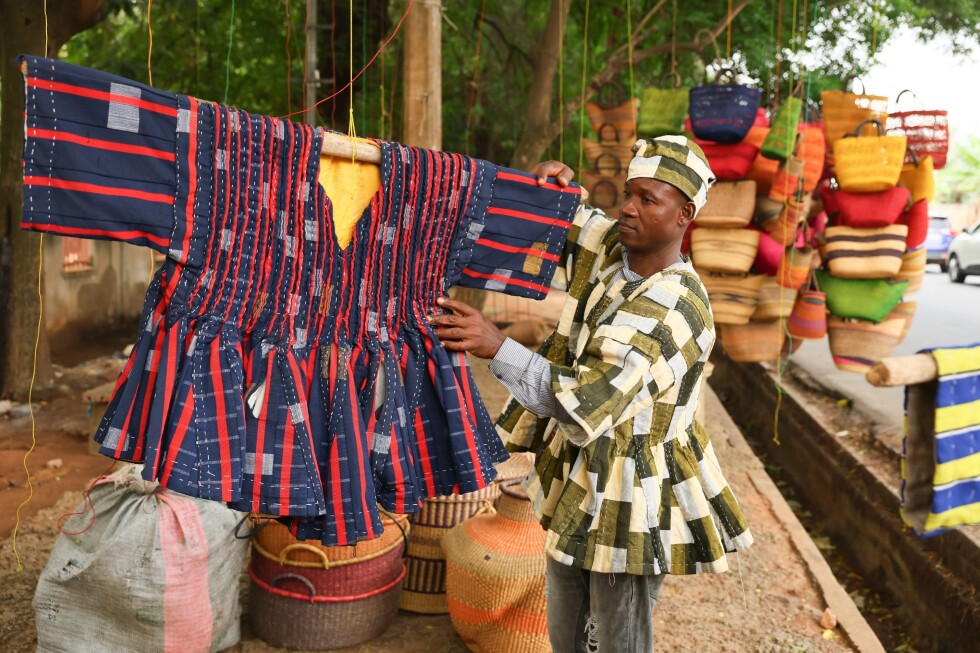
    Across central Accra, vendors like Clement Azaabire witness the transformation firsthand as he displays meticulously sewn fugu smocks that dance in the breeze. After fifteen years of dedicated craftsmanship, Azaabire now experiences unprecedented demand, with inventory selling rapidly since the cultural movement gained momentum.

    The fugu’s historical significance traces back to Ghana’s independence era when first President Kwame Nkrumah wore the garment during the landmark 1957 ceremony. Traditionally handwoven by northern artisans using narrow looms, the fabric (known locally as batakari) represents generations of weaving expertise passed through families. Scholars attribute its development to West African trade routes and cultural exchanges with Mossi and Hausa communities, with the term ‘fugu’ deriving from the Mossi word for cloth.

    Contemporary fashion designers like Perfectual Linnan of Roots by Linnan are reimagining the traditional fabric for modern audiences, creating jackets, trousers and everyday wear that maintains cultural connections while appealing to broader demographics. “We’re demonstrating how northern fabric can adapt to different styles,” Linnan explains. “Even those who prefer contemporary fashion can carry cultural heritage with them.”

    This renaissance presents both opportunities and challenges for the artisan community. Moses Adibasa, who has crafted traditional smocks for nearly two decades, expresses optimism about the economic ripple effect benefiting thread sellers, weavers and tailors alike. However, production limitations threaten to constrain growth. Abigail Naki Gabor, secretary of Ghana’s smock weavers and sellers association, notes that many artisans struggle to meet escalating demand due to manual production methods.

    The government is responding with broader initiatives including the “Wear Ghana” campaign promoting local fashion through upcoming trade exhibitions, according to Kofi Atta Kakra Kusi of the Ghana Tourism Authority. Yet Linnan cautions against treating the garment purely as commodity: “This represents careful, intentional craftsmanship. If we prioritize commercialization over cultural preservation, we risk losing something profoundly important.”

  • ‘I put my bike up for sale – it went from Fife to Kenya’

    ‘I put my bike up for sale – it went from Fife to Kenya’

    In an inspiring international sporting gesture, a tandem bicycle from Scotland has found its way to Kenya’s national paracycling team after a social media post sparked an unexpected connection. Dr. Carrie Ruxton, a gym owner from St. Andrews, initially offered her used tandem bike on Facebook with expectations of local interest, but instead received a message from across continents that would change its destiny.

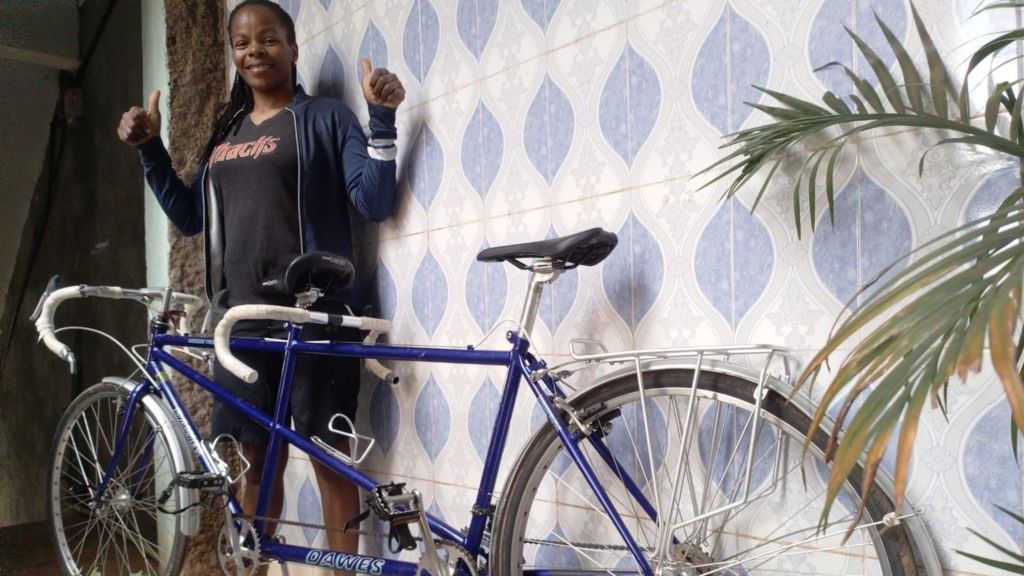
    The inquiry came from Alice Miring’u, a prominent Kenyan paracyclist who explained the critical shortage of specialized tandem bicycles in her country. These bikes are essential for blind athletes and their sighted pilots to compete internationally. Despite the logistical challenges of transporting equipment from Cupar, Fife, to Nairobi, Dr. Ruxton committed to making the donation possible.

    Through a network of goodwill, the parties identified a Kenyan expatriate in Glasgow who regularly ships containers to his homeland. The bicycle was collected and included in his next shipment, culminating in its arrival in Nairobi on Valentine’s Day—a fitting date for this story of international camaraderie.

    The bicycle, originally used by Dr. Ruxton’s daughter before she outgrew it, will now undergo professional modifications to meet racing standards. Upgraded components will prepare it for competitive use, with track testing anticipated later this year. Although Kenya will compete in the Commonwealth Games in Glasgow this summer, the newly christened ‘Valentine’ is unlikely to return to Scotland due to the extensive preparations required.

    Dr. Ruxton described the emotional sendoff: ‘I tied a tartan ribbon around it before it was shipped away. It was a wonderful feeling to see Alice smiling away with the bike next to her.’ The bicycle’s journey from a Scottish garage to international competition embodies the power of global community and sporting solidarity.

  • Police share major update in search for missing mother-of-six Trisha Graf

    Police share major update in search for missing mother-of-six Trisha Graf

    South Australian police have relaunched intensive search operations for Trisha Graf, a 41-year-old mother of six who vanished under mysterious circumstances just days before Christmas last year. The renewed investigation focuses on two critical locations in the remote mining town of Andamooka, approximately 600 kilometers north of Adelaide.

    Ms. Graf was last visually confirmed driving along Dunstan Drive in the early hours of December 12, 2023, following an unusual sequence of events that began with her departure from a Roxby Downs hotel with a companion. During her journey, her white 2012 Ford Territory (SA registration S254 BCX) collided with a kangaroo near the Andamooka Township, though she proceeded with her travel despite the incident.

    The case took a disturbing turn approximately ten hours after her last sighting when her partner and a friend discovered her vehicle inexplicably positioned on a dirt mound adjacent to Blue Dam, east of Andamooka. The car was found in an immobilized state, yet there was no trace of Ms. Graf at the scene.

    Initial search efforts included comprehensive ground examinations of the surrounding wilderness and underwater explorations within the dam itself. Authorities subsequently expanded operations to include aerial surveillance techniques covering broader geographical areas. The investigation was officially elevated to a major crime status in January, reflecting growing concerns about potential criminal involvement.

    After more than two months of exhaustive investigation, police have returned to Andamooka with specific forensic objectives. The current operational strategy involves meticulous examination of a residential property within the township and multiple abandoned mine shafts in the proximate vicinity. These locations were identified through ongoing investigative analysis as areas of heightened interest.

    Law enforcement officials have reiterated their appeal for public assistance, urging anyone with information regarding Ms. Graf’s movements or possible whereabouts to contact Crime Stoppers immediately. The case continues to generate significant community concern throughout the region, with family members expressing profound apprehension about her welfare.

  • Four years into its full-scale war in Ukraine, Russia is feeling the effects

    Four years into its full-scale war in Ukraine, Russia is feeling the effects

    The picturesque town of Yelets, located 350km south of Moscow, presents a stark contrast between its traditional charm and the grim realities of Russia’s prolonged military engagement in Ukraine. Beneath the golden domes of Orthodox churches and scenes of ice fishermen on the frozen river, the community grapples with the war’s profound consequences.

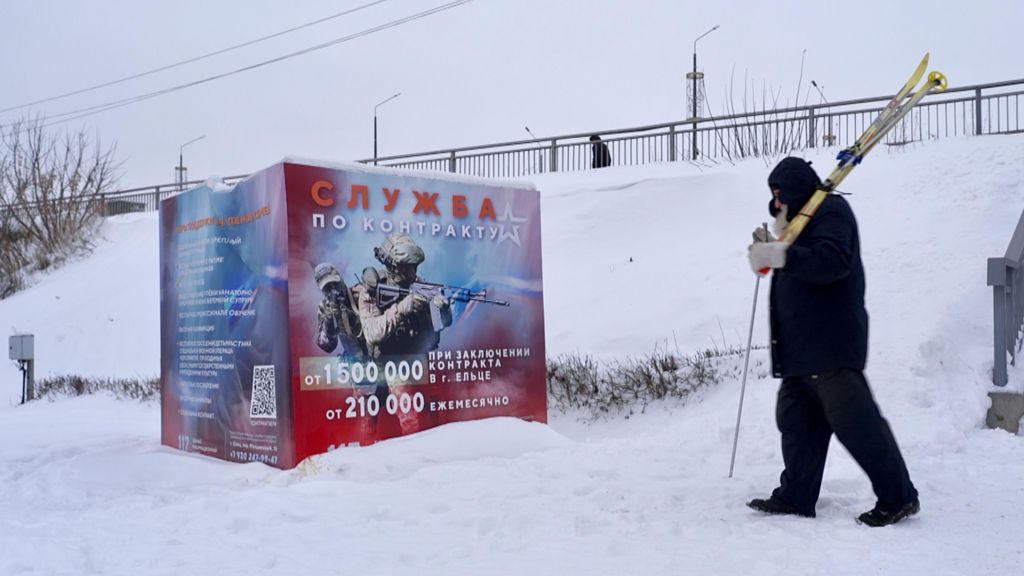
    Throughout the town, military recruitment posters offer substantial financial incentives, including one-time payments equivalent to £15,000 for those willing to enlist. These promotional materials feature determined soldiers with Kalashnikovs and slogans proclaiming “We’re there where we need to be.”

    The human cost of the conflict is visibly memorialized in a giant mural covering a nine-story apartment block, depicting five local soldiers killed in combat with the inscription “Glory to the heroes of Russia!” While official casualty figures remain undisclosed by Russian authorities, the proliferation of such memorials across towns and villages indicates significant battlefield losses.

    Local resident Irina, a bus station ticket collector, exemplifies the economic strain affecting ordinary Russians. “Utility bills are suffocating us. Prices are crushing us. It’s very hard to get by,” she explains while acknowledging multiple personal connections to war casualties. Despite financial hardships, she contributes to aid packages for frontline soldiers but expresses confusion about the war’s objectives compared to historical conflicts.

    The security landscape has transformed dramatically since the invasion began in February 2022. With Ukraine’s drone attacks reaching the Lipetsk region, emergency shelters now dot public spaces—a concrete manifestation of conflict that previously didn’t exist. Residents report regular nighttime sirens, prompting makeshift safety measures like moving to windowless corridors.

    Commercial establishments have incorporated war symbolism, with one pancake café displaying the Latin letters V and Z—recognized symbols of the “special military operation”—alongside the provocative slogan “Grab a pancake, then the whole world.”

    Economic pressures continue mounting as Russia’s budget deficit grows. The recent VAT increase from 20% to 22%, officially earmarked for “defence and security” spending, has further strained small businesses. Anastasiya Bykova, a local bakery owner, describes the challenging calculus of rising operational costs: “Imagine we all have to shut down… We try to make our town look good. But if we close, what’s left? Just a dark grey patch.”

    Even among supporters like pensioner Ivan Pavlovich, who declares the operation “excellent,” economic realities temper enthusiasm. “Pensions go up, but then prices go up even more. So, what do I gain? Nothing,” he acknowledges while maintaining support for the military effort.

    As the conflict enters its fifth year, optimism remains scarce among residents who primarily focus on endurance and hope for better times ahead, with many simply hunkering down against continuing economic and social pressures.

  • India battle for World Cup survival after ‘messing up on grand scale’

    India battle for World Cup survival after ‘messing up on grand scale’

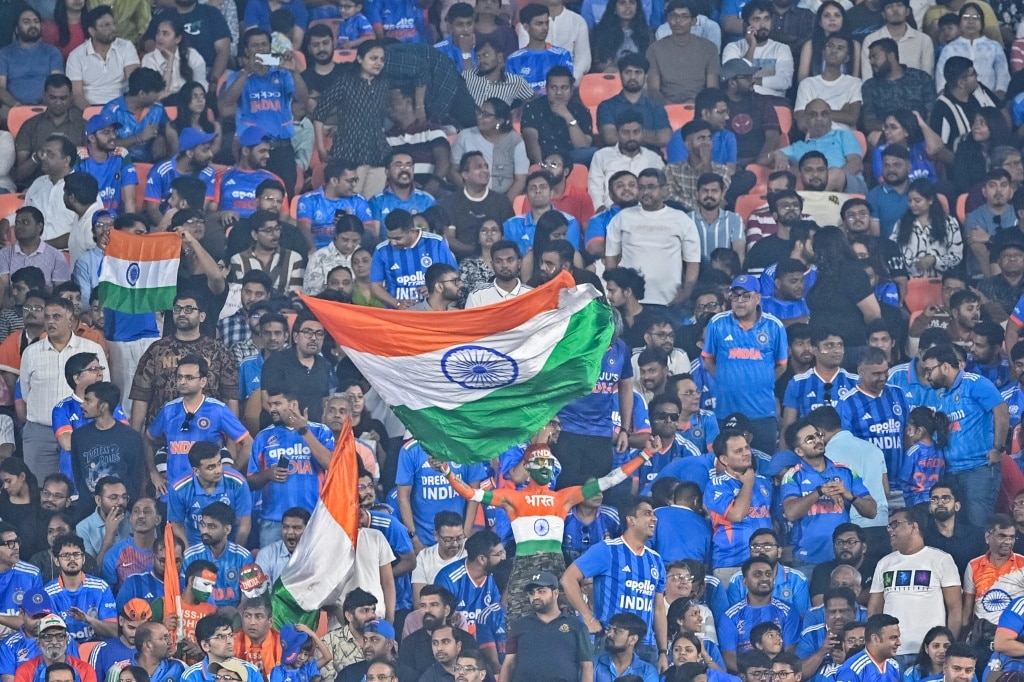
    India’s campaign to defend their T20 World Cup title on home soil is in severe jeopardy following a devastating 76-run loss to South Africa. The defeat, witnessed by a stunned crowd of 80,000 at the Narendra Modi Stadium, has left the team’s semi-final prospects hanging in the balance, dependent on mathematical calculations and decisive victories in their remaining matches.

    The team’s famed batting lineup suffered a catastrophic collapse, skittled for a mere 111 runs while chasing a target of 188. This performance marked a dramatic end to India’s impressive 12-match winning streak in the tournament and severely damaged their net run-rate, which now stands at a desperate -3.8.

    Assistant coach Ryan ten Doeschate did not mince words in his assessment, labeling the performance a grand-scale failure. He emphasized that the team must now deliver two commanding performances to have any hope of advancing, stating that no one would simply hand them the trophy.

    The loss has exposed critical flaws in the team’s strategy, particularly the ultra-aggressive opening partnership of Ishan Kishan and Abhishek Sharma, which has failed to produce results. The coaching staff is now faced with tactical dilemmas, including whether to persist with the current aggressive approach, introduce more measured play in the powerplay, or make changes to the batting order.

    Historical trends add further pressure, as no team has ever successfully retained the T20 World Cup or won the tournament on home soil. India’s next challenge comes against Zimbabwe, a team that has already proven its giant-killing capabilities with victories over Australia and Sri Lanka.

  • EU diplomats to meet Board of Peace director over Gaza’s future

    EU diplomats to meet Board of Peace director over Gaza’s future

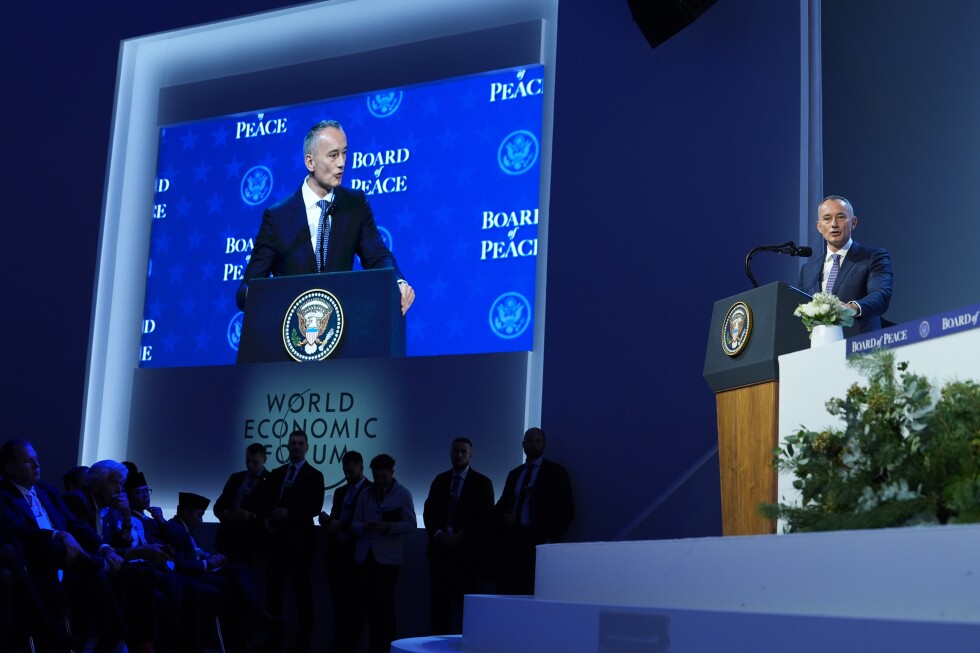
    European Union foreign ministers convened in Brussels on Monday for crucial discussions with Nikolay Mladenov, Director of the U.S.-backed Board of Peace, highlighting deep divisions within the bloc regarding cooperation with President Donald Trump’s initiative for Gaza’s stabilization and reconstruction. The meeting with Mladenov—a former Bulgarian politician and UN diplomat appointed by Trump—comes amid escalating tensions over the EU’s appropriate role in Middle East peacemaking.

    The gathering, attended by EU foreign policy chief Kaja Kallas and ministers from across the 27-nation union, also addressed ongoing concerns about the war in Ukraine and potential new sanctions against Russia. The EU’s substantial geopolitical and economic interests in the Mediterranean region position it as a critical stakeholder, with the bloc currently maintaining oversight operations at the Rafah border crossing and serving as the primary donor to the Palestinian Authority.

    Internal divisions have emerged sharply across European capitals regarding collaboration with the Trump-led board. While EU members Hungary and Bulgaria hold full membership, and candidate countries Turkey, Kosovo, and Albania participate fully, twelve additional EU nations dispatched observers to the Washington inaugural meeting: Austria, Croatia, Cyprus, Czech Republic, Finland, Germany, Greece, Italy, Netherlands, Poland, Romania, and Slovakia.

    Notable absences included French President Emmanuel Macron, European Commission President Ursula von der Leyen, and Pope Leo XIV, who declined invitations. However, von der Leyen’s decision to send European Commissioner for the Mediterranean Dubravka Šuica as an observer without consulting the European Council sparked institutional controversy. French Foreign Minister Jean-Noël Barrot publicly criticized this move as a violation of EU regulations, stating on social media platform X that the Commission ‘must scrupulously respect European law and institutional balance in all circumstances.’

    In response, von der Leyen’s spokesperson Paula Pinho defended the Commission’s prerogative to accept invitations independently, emphasizing that while the executive branch isn’t formally joining the board, it seeks to influence Gaza’s reconstruction and peacekeeping efforts beyond its financial contributions.

    The Trump administration’s expansive vision for the Board of Peace encompasses everything from transforming Gaza into a futuristic metropolis to challenging the UN Security Council’s traditional conflict-resolution role. However, these ambitions face practical constraints given the limited progress achieved thus far in implementing the ceasefire’s fundamental objectives.

  • Court ruling on Trump tariff powers weighs heavily on Australian sharemarket

    Court ruling on Trump tariff powers weighs heavily on Australian sharemarket

    Australian financial markets experienced significant volatility following a U.S. judicial decision that challenged former President Donald Trump’s tariff authority, creating widespread uncertainty about future trade relations between the two nations.

    The S&P/ASX 200 index declined by 55.4 points (0.6%) to settle at 9026, while the broader All Ordinaries index dropped 51.70 points (0.6%) to 9251.50. Market performance showed pronounced sector divergence, with eight of eleven industry sectors closing in negative territory. Only materials, industrials, and consumer staples managed to advance despite the overall bearish sentiment.

    The market turbulence originated from a recent Supreme Court ruling that invalidated President Trump’s previous tariff strategy. In response, the administration announced implementation of a temporary 15% levy on all imports, generating concerns among international trading partners and investors alike.

    Gold-related equities emerged as notable outperformers, benefiting from safe-haven demand. Ramelius Resources surged 8.2%, Greatland Resources advanced 6.38%, Newmont climbed 4.92%, and Evolution Mining gained 3.52%. The Australian dollar stabilized at 70.7 US cents amid the market fluctuations.

    Marc Jocum, Senior Product and Investment Strategist at Global X ETFs, observed that tariff concerns and geopolitical volatility represent continuing themes from previous years that now appear likely to extend into 2026. “Institutional investors’ positioning currently reflects the most conservative stance in approximately two years based on total net long positions,” Jocum noted. “Despite this, gold prices continue their upward trajectory, suggesting that geopolitical tensions and macroeconomic uncertainty—particularly regarding U.S. conflicts with Iran and trade policies—are primary drivers rather than mere capital flows.”

    Technology stocks faced substantial pressure amid artificial intelligence impact concerns. WiseTech Global declined 5.24%, TechnologyOne decreased 5.17%, and NextDC dropped 4.09%. The banking sector also retreated, with ANZ falling 2.29%, Westpac declining 1.18%, Commonwealth Bank dipping 0.63%, and National Australia Bank slipping 0.93%.

    Energy companies mirrored the downward trend as Brent crude prices fell below $71 per barrel amid heightened Middle Eastern tensions. Woodside Energy decreased 1.2%, Santos declined 2.31%, and Ampol dropped 2.14%. Conversely, BHP reached a new peak of $54.75 before settling at $54.02, representing a 1.29% gain.

    Individual corporate performances varied significantly. Mining services group Perenti plummeted 13.83% following disappointing first-half results, while Nuix soared 15.07% after exceeding December expectations. Austal declined 10.95% on poor financial results, and Lendlease slipped 7.21% after reporting a $200 million operating net loss.

    Separately, retailer Harvey Norman announced its intention to vigorously defend against a class action lawsuit regarding promotional activities for Latitude Finance products between January 2020 and August 2021. The company’s shares declined 1.26% following the announcement.