作者: admin

  • What’s behind Israel’s ‘special relationship’ with India?

    What’s behind Israel’s ‘special relationship’ with India?

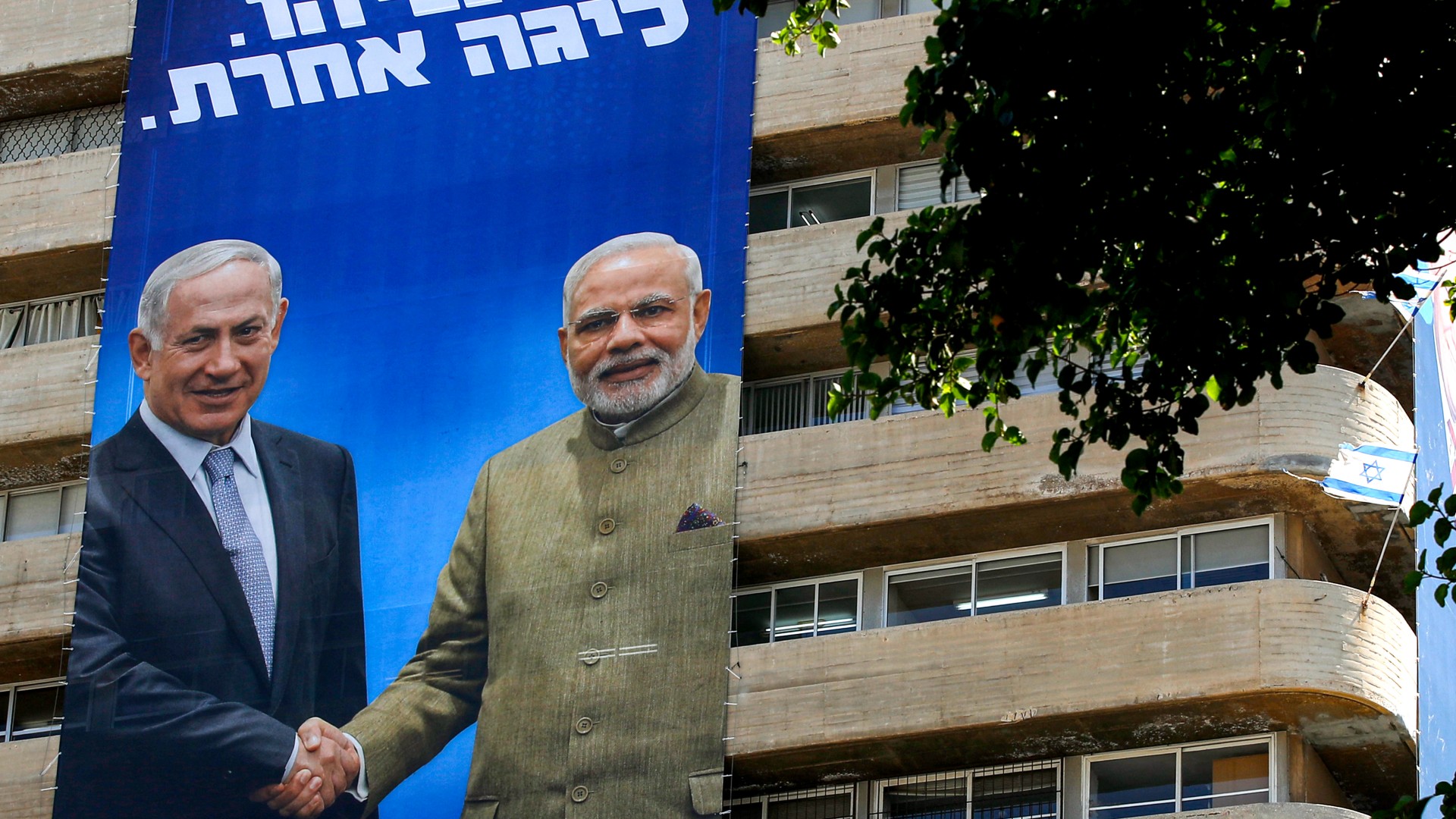
    Indian Prime Minister Narendra Modi’s upcoming two-day visit to Israel marks a significant moment in the deepening strategic partnership between the two nations. The visit, described by Israeli Prime Minister Benjamin Netanyahu as highlighting a “special relationship,” comes at a critical juncture in Middle Eastern geopolitics, with escalating tensions with Iran and ongoing conflict in Gaza.

    The relationship between India and Israel has evolved substantially since Netanyahu’s landmark 2017 visit to India, which established the countries as strategic partners in water and agriculture. Modi’s current visit represents a continuation of this growing alliance, particularly in defense and technology sectors.

    Over the past decade, India has emerged as the largest purchaser of Israeli weapons systems, with defense purchases increasing by 175% between 2015-2019. The partnership extends beyond mere transactions to include co-production agreements and technology transfer, supporting Modi’s “Make in India” initiative for military modernization and indigenous manufacturing.

    The timing of the visit is strategically significant for both leaders. Netanyahu faces elections in nine months and benefits from demonstrating strong international alliances, while Modi reinforces his global stature and strategic outreach to the Global South. The visit includes addressing the Israeli Knesset—an honor reserved for special guests—and meetings focused on technology innovation in Jerusalem.

    Notably absent from the itinerary are visits to occupied Palestinian territories, reflecting India’s policy under Modi to “de-hyphenate” Israel and Palestine relations, despite India’s official commitment to a two-state solution.

    The countries recently signed a Bilateral Investment Agreement aimed at protecting mutual investments and advancing broader economic integration. Discussions during the visit are expected to focus on expanding cooperation in intelligence, weapons development, anti-ballistic missile systems, and emerging technologies including artificial intelligence and quantum computing.

    Netanyahu has articulated a vision of forming a “hexagon” of alliances involving India, Arab nations, African countries, Mediterranean states, and Asian partners, seen as an effort to create a pro-Western, anti-Iran economic and strategic bloc building on the India-Middle East-Europe Economic Corridor.

    While the visit has been celebrated in mainstream Indian media, it has also prompted concerns and protests from Palestinian advocates within India, met with government crackdowns. The opposition Indian National Congress has criticized the lack of transparency surrounding the visit rather than the substance of the relationship itself.
  • Shaping a human-centric future for AI – AI Impact Summit 2026

    Shaping a human-centric future for AI – AI Impact Summit 2026

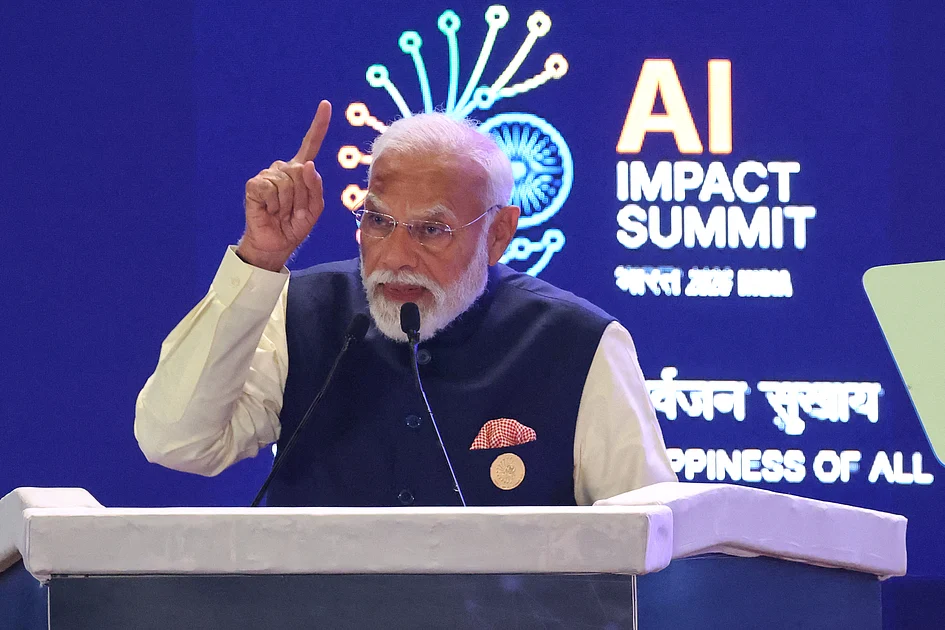
    New Delhi hosted a landmark convergence of global leadership at the AI Impact Summit 2026, marking a pivotal chapter in technological history. Prime Minister Narendra Modi welcomed representatives from over 100 nations alongside innovators and thousands of youth participants, creating what organizers described as the world’s most democratized AI gathering.

    The summit positioned artificial intelligence as a civilization-altering force comparable to fundamental discoveries like fire and electricity, but with unprecedented acceleration. Unlike previous technological revolutions, AI’s transformative effects are unfolding within weeks rather than decades, creating both extraordinary opportunities and urgent challenges.

    Central to the discussions was India’s philosophical shift toward human-centric AI development. The principle of ‘Sarvajana Hitaya, Sarvajana Sukhaya’ (Welfare for All, Happiness of All) formed the ethical foundation for conversations about AI’s global role. This approach contrasts with machine-centric models, emphasizing technology as an amplifier of human potential rather than a replacement for human agency.

    India demonstrated practical implementations through case studies including ‘Sarlaben,’ an AI-powered digital assistant serving 3.6 million dairy farmers with real-time guidance in local languages. Another platform, Bharat Vistaar, provides multilingual agricultural information to empower farmers with crucial data from weather patterns to market dynamics.

    The summit’s most significant contribution emerged as India’s ‘Manav’ framework for global AI governance. This comprehensive structure establishes five pillars: Moral and Ethical Systems for ethical guidelines, Accountable Governance through transparent oversight, National Sovereignty regarding data rights, Accessible and Inclusive implementation to prevent monopolization, and Valid and Legitimate systems adhering to verifiable legal standards.

    Addressing critical trust challenges, Prime Minister Modi proposed authenticity labeling for digital content analogous to nutritional labels on food products. This initiative responds to growing concerns about deepfakes and disinformation threatening democratic societies. India has already implemented legal requirements for labeling synthetically generated content.

    The summit highlighted India’s substantial infrastructure investments under the India AI Mission, including deployment of thousands of GPUs and establishment of a national AI Repository. These developments enable even small startups to access world-class computing power at affordable rates, potentially reshaping the global innovation landscape.

    With its unique combination of demographic dynamism, democratic values, and technological ambition, India positioned itself as a testing ground for inclusive AI solutions. The country’s invitation to global innovators—’Design and develop in India. Deliver to the world’—signals its aspiration to become the epicenter of human-centric artificial intelligence development.

  • Pakistan claim of killing 80 militants ‘false’: Afghan security source

    Pakistan claim of killing 80 militants ‘false’: Afghan security source

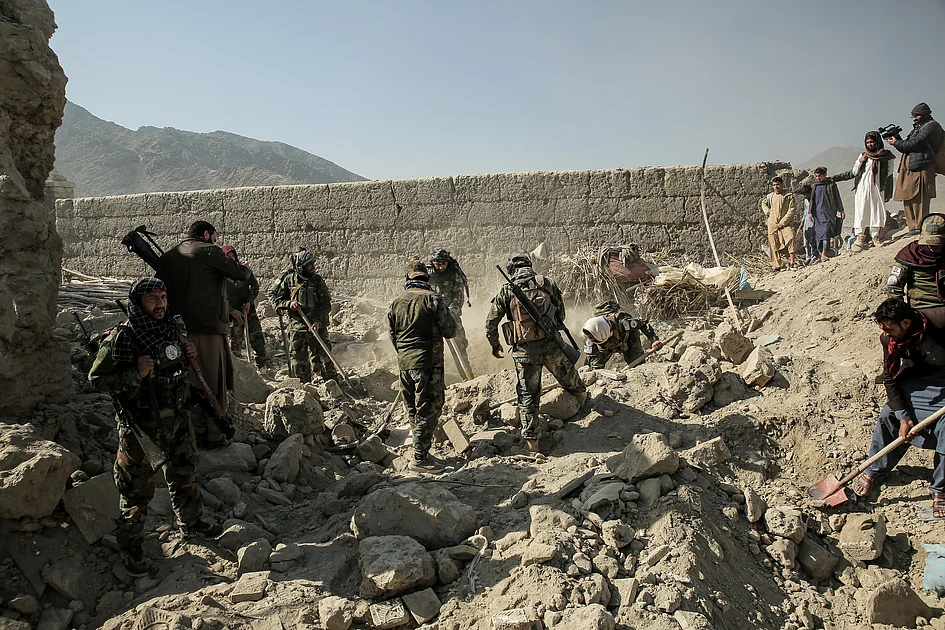
    A senior Afghan security official has categorically rejected Pakistan’s assertion that its recent military strikes in Afghanistan resulted in the deaths of approximately 80 militants. Speaking to AFP on Sunday under conditions of anonymity, the source within the Taliban-led government described the casualty figures presented by Pakistani authorities as “false and imaginary.

    The dispute centers around cross-border operations conducted by Pakistani forces, which have escalated tensions between the neighboring nations. While Pakistan maintains its operations successfully targeted militant hideouts, Afghan officials present a starkly different account.

    According to local authorities in Afghanistan, the strikes resulted in at least 18 confirmed fatalities, including several children. This significant discrepancy in casualty reports highlights the ongoing information warfare accompanying military actions in the restive border region.

    International journalists stationed in Afghanistan have been unable to independently verify either side’s claims due to the remote and dangerous nature of the conflict zones. The lack of transparent access to these areas continues to complicate objective assessment of military operations and their outcomes.

    The incident represents the latest flare-up in long-standing tensions between Pakistan and Afghanistan regarding border security and militant activity. Both nations have historically accused each other of insufficient action against armed groups operating in their respective territories.

  • AFL 2026: Melbourne captain Max Gawn opens up on the rule changes

    AFL 2026: Melbourne captain Max Gawn opens up on the rule changes

    Melbourne Demons captain Max Gawn, an eight-time All Australian ruckman, finds himself returning to fundamental study of his craft as new AFL regulations present unexpected challenges late in his distinguished career. The 34-year-old skipper acknowledges the league’s rule modifications—particularly mandatory jumping at center ball-ups and reduced throw-ins due to the new last disposal between arcs rule—have delivered what he describes as a professional “curveball.” Despite his reservations about the changes, Gawn demonstrates adaptability by committing to refine his techniques during his 17th season. The veteran athlete has resumed analyzing game footage, though he notes the limited sample size of available visuals showing the new rules in action. Gawn maintains that while he doesn’t personally favor the rule adjustments, their implementation necessitates strategic adaptation. He anticipates particularly testing the boundaries of legal ruck craft against more athletic opponents like Luke Jackson, acknowledging that pure jumping ability alone shouldn’t determine ruck dominance. Gawn remains confident in his overall contribution, emphasizing that his marking prowess around the ground will continue to provide significant value to his team alongside any adjusted ruck techniques.

  • Kim Jong Un re-appointed leader of North Korea’s ruling party

    Kim Jong Un re-appointed leader of North Korea’s ruling party

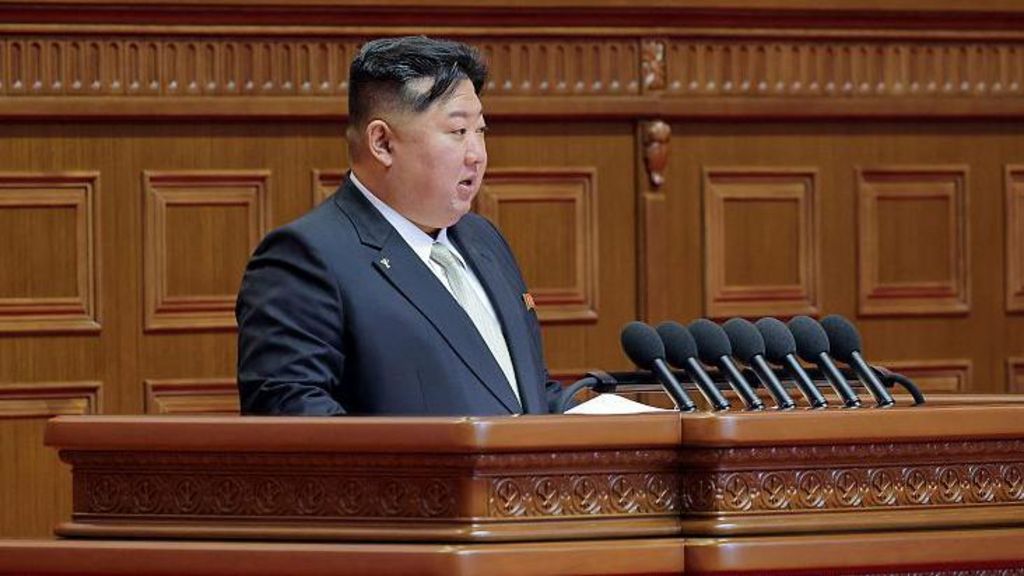
    North Korea’s ruling Workers’ Party has unanimously reconfirmed Kim Jong Un as its General Secretary during the ongoing Ninth Party Congress, reinforcing his position at the helm of the authoritarian regime. The assembly, which commenced on February 19th and occurs quinquennially, brings together approximately 5,000 party delegates in a highly orchestrated display of political consolidation.

    In his inaugural address, Chairman Kim emphasized dual national priorities: enhancing economic conditions and elevating living standards for citizens, while simultaneously advancing the country’s military capabilities. State media outlet KCNA reported significant improvements in national ‘war deterrence’ capacities, centering around nuclear development. However, the opaque nature of the regime makes independent verification of these claims virtually impossible.

    The congress provides rare insight into North Korea’s political machinery, revealing substantial reshuffling within the presidium—the executive committee. Over half of its 39 members have been replaced since the previous convention in 2021, indicating possible strategic realignments or internal consolidation of power.

    Anticipating potential announcements regarding the nuclear program, the regime recently showcased new nuclear-capable rocket launchers. These developments unfold against a backdrop of persistent international sanctions aimed at curbing Pyongyang’s weapons proliferation.

    Attention also focuses on Kim Jong Un’s daughter, Ju Ae, whose repeated appearances at high-profile events—including military inspections and diplomatic functions—fuel speculation about her potential role as a political successor, as suggested by South Korean intelligence.

  • Severe weather to drench NSW with intense rainfall and flash flood risk

    Severe weather to drench NSW with intense rainfall and flash flood risk

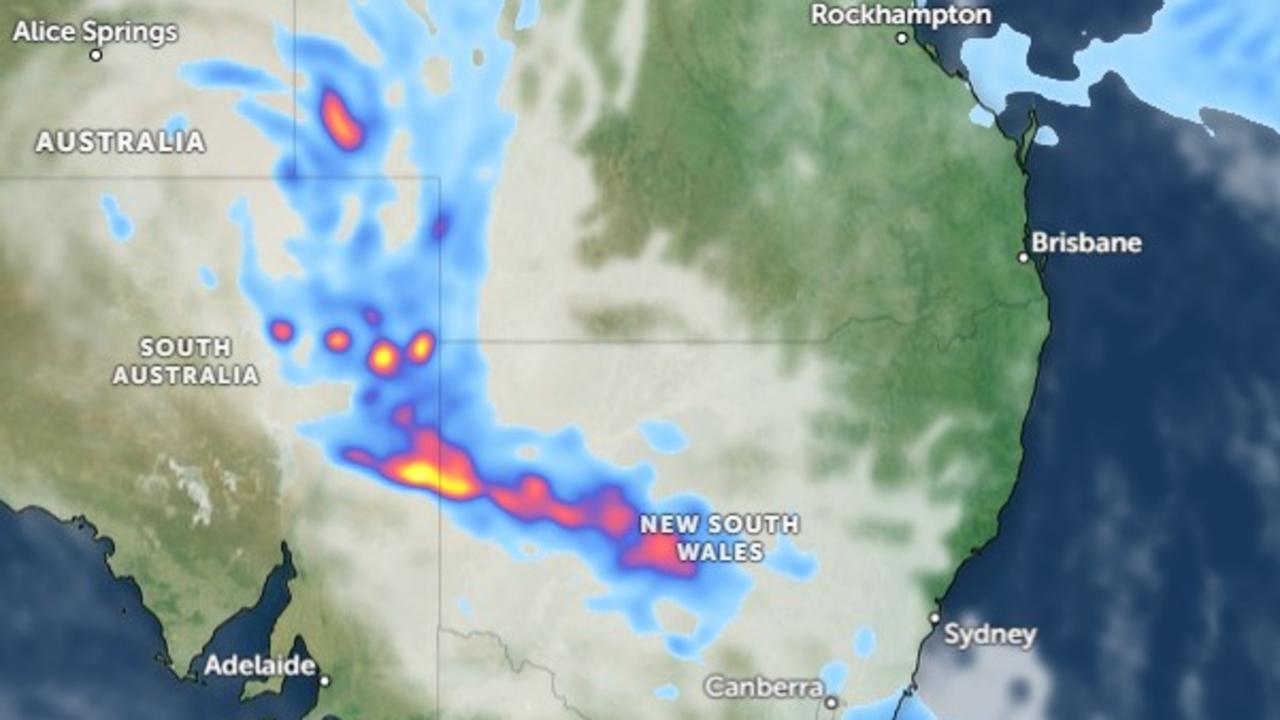
    Meteorological authorities have issued urgent warnings for Australia’s New South Wales region as an extreme weather system threatens to unleash dangerous conditions through Thursday. The Bureau of Meteorology has elevated alerts to severe levels, particularly for the Upper Western District near the South Australian border, where intense rainfall could trigger significant flash flooding events.

    Senior meteorologist Dean Narramore from the Bureau provided concerning projections, indicating widespread rainfall accumulations of 100-200mm across affected regions, with isolated areas potentially receiving 250-300mm by week’s end. Such precipitation levels are expected to create major flooding conditions and substantial operational challenges for emergency services.

    The developing situation stems from an unusual convergence of meteorological phenomena. A persistent tropical low-pressure system originating from central inland Australia has been interacting with a cold front and upper trough system, creating optimal conditions for sustained heavy precipitation and severe thunderstorms.

    Specific communities including Tibooburra, White Cliffs, Wanaaring, Louth, Tilpa and Fords Bridge have been identified as high-risk zones. Preliminary data shows Tibooburra already received 20mm of rainfall within hours since Monday morning, providing a precursor of more substantial rainfall to come.

    The weather system’s influence extends beyond immediate flood concerns. Sydney residents should prepare for increased precipitation probabilities, with forecasts indicating 60% chance of rainfall by Wednesday, escalating to 70% likelihood during the weekend alongside seasonal temperatures ranging from 22°C to 30°C.

    Authorities have expanded monitoring efforts, issuing Flood Watch advisories across multiple jurisdictions including Queensland, South Australia and the Northern Territory, indicating the broad geographical impact of this developing weather pattern.

  • Impressive Del Toro takes statement victory in UAE

    Impressive Del Toro takes statement victory in UAE

    In a stunning display of cycling prowess, 22-year-old Mexican sensation Isaac Del Toro captured the overall title at the UAE Tour on Sunday, delivering a performance that signals the arrival of a major new force in professional cycling. While Italian sprinter Jonathan Milan claimed his third stage victory of the week in the final 147km leg around Abu Dhabi, it was Del Toro’s comprehensive dominance that captured the spotlight.

    The young Mexican prodigy secured his victory with a commanding 20-second margin over Italian rider Antonio Tiberi, while Australia’s Luke Plapp finished nearly a minute behind in third position. Del Toro’s triumph was built on multiple strengths—winning two stages during the weeklong event while demonstrating exceptional versatility across different racing disciplines.

    Del Toro’s development trajectory draws compelling parallels with cycling superstar Tadej Pogacar, who previously won this same Emirati race. Both riders emerged from the UAE development system and both claimed victory at the Tour de l’Avenir—the prestigious junior version of the Tour de France—before transitioning seamlessly into professional success. Del Toro continued this pattern by achieving victories in his very first professional races, including the 2024 Tour Down Under.

    What makes Del Toro particularly remarkable is his multi-dimensional racing capability. He has demonstrated excellence in time trials, mountain climbing—evidenced by his second-place finish in the recent Giro d’Italia—and now even sprinting, having outperformed dedicated sprinters in the tour’s opening stage.

    The Mexican’s breakthrough performance stood in stark contrast to the disappointing outing by Olympic champion Remco Evenepoel, who entered as Del Toro’s primary rival. The Belgian star, recently transferred to the Red Bull–BORA–Hansgrohe team, struggled throughout the tour’s key mountain stages at Jebel Mobrah and Jebel Hafeet, ultimately finishing tenth overall. Evenepoel cited illness and lack of freshness as contributing factors to his underwhelming performance.

    With this statement victory, Del Toro has positioned himself as a rider to watch in the upcoming Grand Tours, particularly his anticipated Tour de France debut in July. His comprehensive skill set and mental fortitude suggest cycling may have discovered its next transcendent talent.

  • UAE supports Kuwait’s sovereignty over its maritime areas

    UAE supports Kuwait’s sovereignty over its maritime areas

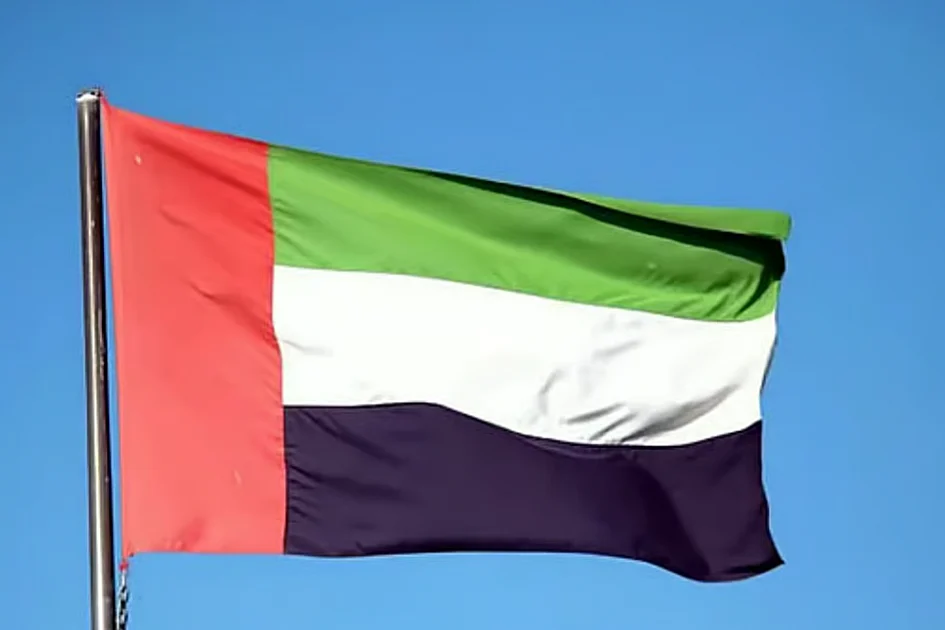
    The United Arab Emirates has issued a strong statement affirming its complete solidarity with Kuwait regarding sovereignty over maritime territories, expressing profound concern over recent actions taken by Iraq at the United Nations. On February 22, 2026, the UAE Ministry of Foreign Affairs declared its unwavering support for Kuwait’s sovereignty amid a developing diplomatic situation involving coordinates and maps deposited by Iraq with the UN that potentially affect Kuwait’s rights over its maritime areas and territorial waters.

    The UAE specifically highlighted concerns regarding the status of the Al-Qudra Shoals and Al-Ayij Shoals, areas of significant strategic importance. In its official statement, the Emirati government called upon Iraq to consider the fraternal and historical relationship between the two neighboring nations, urging resolution through responsible dialogue consistent with international law.

    The Ministry emphasized the importance of addressing such matters through established diplomatic channels and in accordance with the United Nations Convention on the Law of the Sea (1982). The statement further stressed the necessity of honoring existing bilateral understandings, agreements, and memoranda of understanding between Iraq and Kuwait.

    This declaration positions the UAE firmly alongside Kuwait against any perceived encroachment on its sovereignty or national interests. The Emirati government’s intervention underscores the broader regional implications of the dispute, calling for resolution mechanisms that enhance security and stability throughout the Gulf region. The statement represents a significant show of Gulf Cooperation Council (GCC) unity in addressing territorial and maritime sovereignty issues.

  • Neo-Nazi Joel Davis to make fourth bail application over alleged message urging MP’s ‘rhetorical rape’

    Neo-Nazi Joel Davis to make fourth bail application over alleged message urging MP’s ‘rhetorical rape’

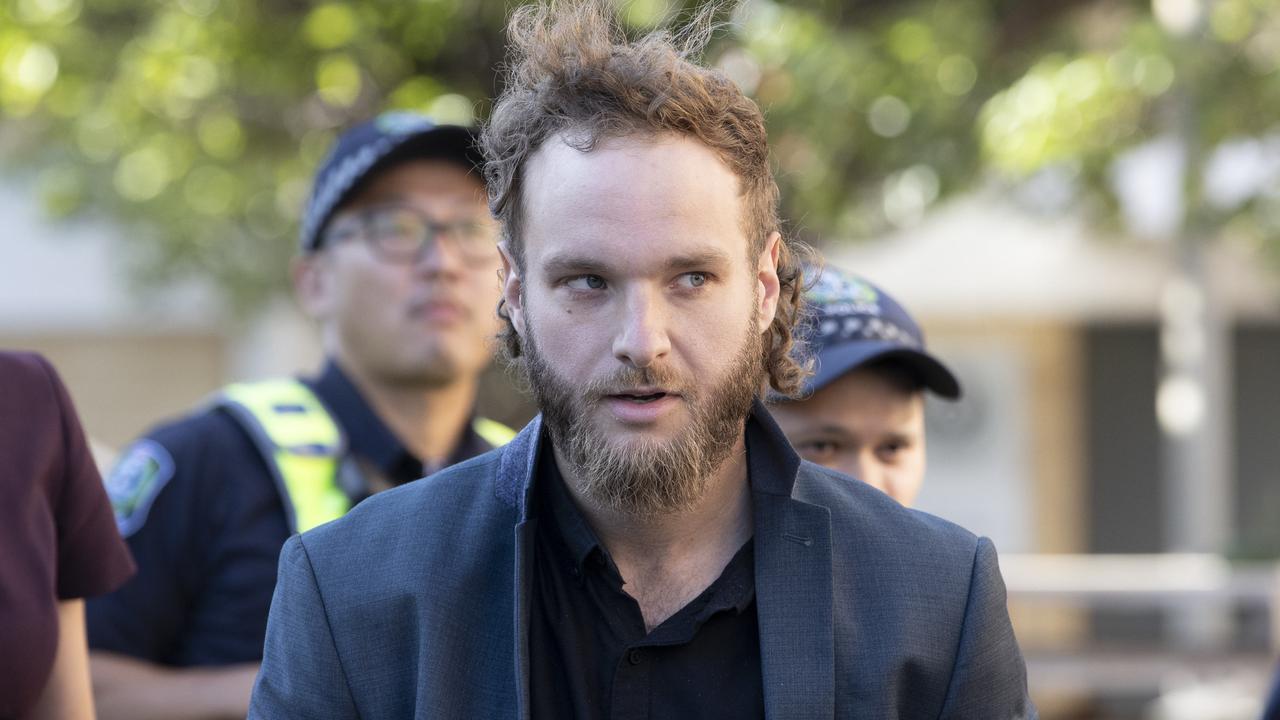
    Australian far-right extremist Joel Davis is preparing to launch his fourth attempt at securing bail while facing multiple criminal charges, including allegations of inciting violence against a federal parliamentarian. The Melbourne Magistrates’ Court was informed that Davis, a former member of the disbanded National Socialist Network (NSN), will present his latest bail application in New South Wales on April 15th.

    Davis has remained in custody since his arrest on November 20th following allegations that he used social media to encourage supporters to commit ‘rhetorical rape’ against independent federal MP Allegra Spender. The charges stem from Davis’s alleged online harassment campaign against Spender after she publicly condemned a neo-Nazi rally outside state parliament.

    The court appearance also addressed separate charges against Davis and three other former NSN members—Thomas Sewell (32), Nathan Bull (24), and Timothy Lutze (35)—for allegedly disrupting a pro-refugee demonstration in Docklands on October 22, 2024. All four men face charges of offensive behavior after approximately 20 black-clad individuals reportedly interrupted a peaceful protest by Tamil asylum seekers outside the Department of Home Affairs.

    Additionally, Davis faces accusations of inciting racial contempt following an alleged anti-Semitic incident outside a Kew polling station during the lead-up to the 2025 federal election. The case against the four defendants has been adjourned until July 10th to allow Lutze time to seek legal counsel, with Sewell and Bull requesting their cases follow the same timeline.

    Outside the courthouse, former NSN leader Thomas Sewell engaged in an expletive-filled confrontation with media representatives and was met with vocal opposition from several passers-by, highlighting the ongoing public concern surrounding far-right activities in Australia.

  • Earthquake of magnitude 7 strikes Borneo; no tsunami threat

    Earthquake of magnitude 7 strikes Borneo; no tsunami threat

    A significant seismic event measuring 7.0 on the Richter scale occurred off the northern coast of Borneo in the early hours of Monday, according to monitoring by the German Research Centre for Geosciences (GFZ). The substantial depth of the tremor—recorded at 633 kilometers (approximately 393 miles) beneath the Earth’s surface—significantly mitigated potential damage at ground level.

    The GFZ, which initially registered the quake at magnitude 7.1 before downward revision, confirmed the epicenter was positioned in maritime territory near the world’s third-largest island. The exceptional depth of the seismic activity placed it within the classification of a deep-focus earthquake, which typically dissipates energy before reaching populated areas.

    Concurrent with GFZ’s assessment, the United States Tsunami Warning Center promptly issued a statement confirming no tsunami threat emerged from the subterranean event. The combination of the quake’s profound depth and offshore location resulted in minimal impact despite its considerable magnitude.

    The Borneo region, shared by Malaysia, Indonesia, and Brunei, resides within the seismically active Pacific Ring of Fire, making such geological events relatively common though rarely destructive at such depths. The absence of immediate reports regarding casualties or structural damage underscores how depth parameters fundamentally alter earthquake impact assessments.