作者: admin

  • Iran gears up amid heightened tensions

    Iran gears up amid heightened tensions

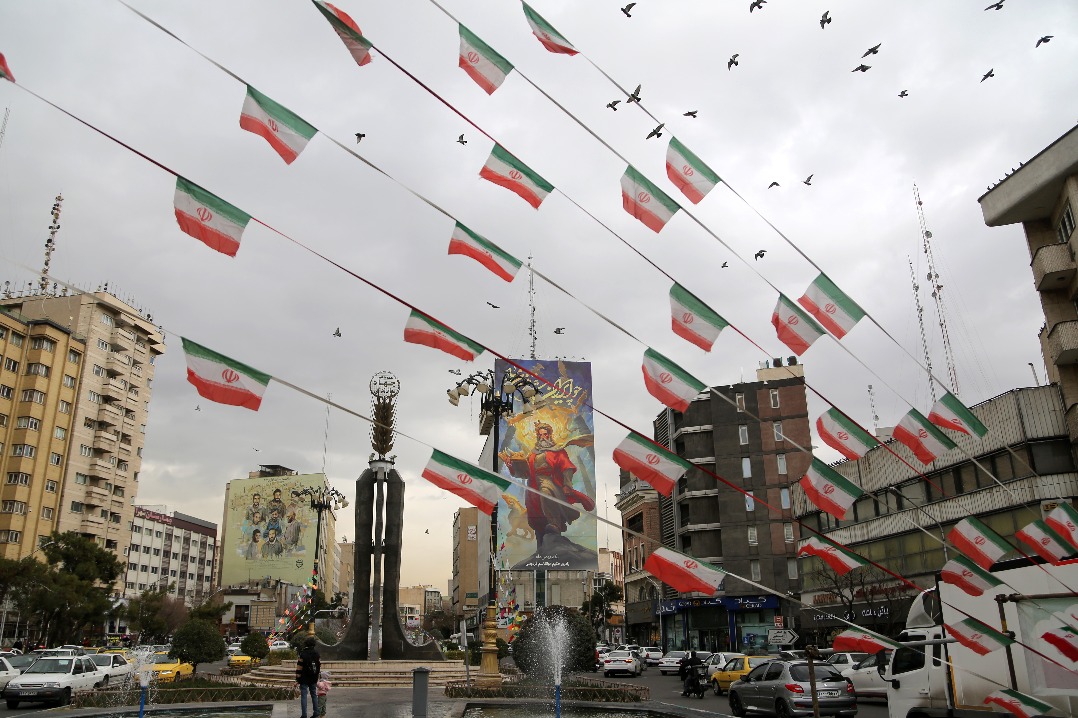
    Iran has dramatically escalated diplomatic tensions with European powers by formally designating the naval and air forces of European Union member states as terrorist organizations. This retaliatory measure comes in direct response to the EU Council’s decision to formally classify Iran’s Islamic Revolutionary Guard Corps (IRGC) as a terrorist entity, implementing asset freezes and financial restrictions across the bloc.

    The geopolitical standoff intensifies as the United States reinforces its military footprint throughout the Middle East, accompanied by explicit threats of potential strikes against Iranian targets. Iranian President Masoud Pezeshkian delivered a nationally televised address emphasizing national resilience, declaring that Iran “will never yield to any difficulties confronting us” while urging citizens to maintain unity amidst external pressures.

    Nuclear negotiations between Washington and Tehran remain deadlocked, with fundamental disagreements regarding the scope of discussions. Iran insists on limiting talks exclusively to nuclear matters, while the United States demands inclusion of Iran’s ballistic missile program and regional activities. Despite diplomatic efforts, the US administration has issued an ultimatum warning that “bad things” would occur without a negotiated settlement within an extended 15-day timeframe.

    The situation has prompted several nations including Sweden, Serbia, Poland and Australia to advise their citizens to depart Iran immediately, citing concerns about potential suspension of commercial flights. Concurrently, hundreds of US troops have been evacuated from military installations in Qatar and Bahrain according to Pentagon officials.

    Meanwhile, a separate diplomatic crisis has emerged following controversial remarks by US Ambassador to Israel Mike Huckabee, who asserted Israel’s “biblical right” to control most of the Middle East. These comments triggered widespread condemnation from over a dozen Arab and Islamic governments, plus major regional organizations including the Arab League and Organization of Islamic Cooperation. Iran joined the condemnation, accusing the ambassador of revealing “American active complicity” in Israeli expansionism.
  • A look at the how Russia’s invasion of Ukraine has unfolded, by the numbers

    A look at the how Russia’s invasion of Ukraine has unfolded, by the numbers

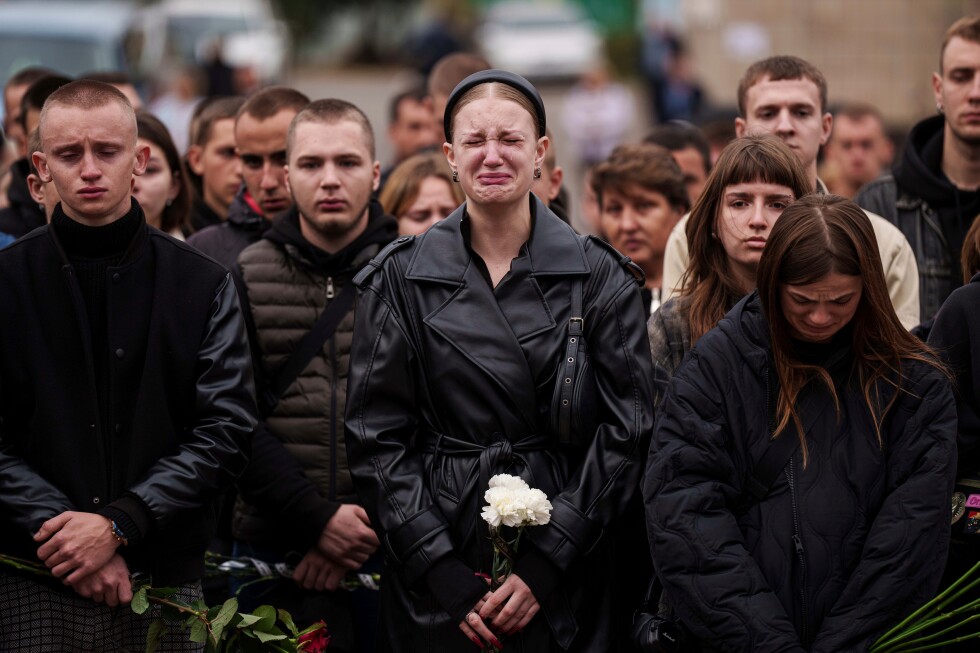
    As the Ukraine conflict marks its grim fourth anniversary this Tuesday, Europe’s largest military confrontation since World War II continues with no resolution in sight. The devastating war has fundamentally reshaped continental security architecture while inflicting unprecedented suffering on combatants and civilians alike.

    Peace negotiations brokered by the U.S. administration have encountered significant obstacles, particularly regarding the status of Russian-occupied Ukrainian territories and postwar security guarantees for Kyiv. These diplomatic efforts have yielded minimal progress amid entrenched positions from both Moscow and Kyiv.

    The human toll remains staggering: recent analysis from the Center for Strategic and International Studies estimates approximately 1.8 million military casualties (killed, wounded, or missing) across both armies. Russian forces have reportedly suffered between 1.1-1.2 million casualties, including up to 325,000 fatalities—the highest death toll for any major power in a single conflict since World War II. Ukrainian military casualties are estimated at 500,000-600,000, with President Zelenskyy acknowledging 55,000 troop deaths earlier this month.

    Civilian suffering has been equally devastating. The UN Human Rights Monitoring Mission documents nearly 15,000 confirmed civilian deaths (acknowledging this as a conservative estimate) with over 40,600 injuries. Tragically, at least 763 children have perished in the conflict, with 2025 representing the deadliest year for civilians since the invasion began.

    The territorial situation remains largely stagnant despite massive military investment. Russia currently occupies 19.4% of Ukrainian territory, having gained merely 0.79% over the past year according to the Institute for the Study of War. This minimal territorial shift highlights the grinding war of attrition that has characterized recent fighting.

    International support dynamics have shifted significantly, with foreign military aid to Ukraine declining by 13% last year compared to the 2022-2024 average. This reduction coincides with the Trump administration halting weapons shipments to Kyiv, though European nations have increased their military assistance by 67% during the same period.

    The humanitarian crisis continues to deepen, with 5.9 million Ukrainians having fled the country—5.3 million finding refuge in European nations—while another 3.7 million remain internally displaced. Additionally, the World Health Organization has recorded 2,851 Russian attacks affecting medical care provision, including 2,347 direct strikes on healthcare facilities.

  • US tariffs deepen Asia’s uncertainty

    US tariffs deepen Asia’s uncertainty

    A recent US Supreme Court ruling declaring presidential authority for reciprocal tariffs unconstitutional has triggered widespread economic uncertainty across Asian economies. This judicial decision comes alongside President Donald Trump’s announcement of an immediate 15 percent global tariff increase, replacing previous reciprocal rates that ranged from 19 to 41 percent for several Asian nations.

    The court’s verdict raises fundamental questions about the validity of bilateral agreements negotiated between the US and multiple Asian economies. These deals typically involved commitments to purchase American energy products and aircraft alongside pledges to reduce tariffs on specific US goods in exchange for favorable tariff rates.

    International analysts characterize this development as reflecting Washington’s preference for “unilateral economic transactionalism.” Mustafa Izzuddin of Solaris Strategies Singapore noted this approach demonstrates the US administration’s consistent pattern of independent economic decision-making.

    Asian economies including India, Malaysia, and Thailand now face complex calculations. According to Professor James Chin of the University of Tasmania, most governments had already incorporated potential US tariff changes into their policy planning and are currently adopting a “wait-and-see” approach. However, numerous private export companies are exploring legal avenues to recover tariffs paid under the now-invalidated reciprocal tariff system.

    The new 15 percent rate creates varied impacts across the region. Malaysian investor Ian Yoong Kah Yin described the change as “a catalyst for equity markets outperformance” for nations previously facing higher tariffs. Singapore remains an exception, maintaining its previous 10 percent levy.

    Regional responses reflect cautious engagement. Indonesian President Prabowo Subianto stated his nation remains “prepared for all possibilities” while respecting US domestic political processes. South Korean officials convened emergency meetings to coordinate policy responses, while Japanese corporations including Toyota Tsusho and Ricoh are carefully monitoring developments, having previously filed legal challenges against the US government.

    The temporary nature of the 15 percent tariff adds another layer of complexity. Under Section 122 of the Trade Act of 1974, such import surcharges can remain in effect for only 150 days without congressional ratification, ensuring continued economic uncertainty for global trade relationships.

  • India and US defer trade talks after Supreme Court’s tariff ruling

    India and US defer trade talks after Supreme Court’s tariff ruling

    India and the United States have postponed critical trade negotiations originally scheduled for this week amid legal and policy developments that have introduced fresh complexities into bilateral economic relations. The decision comes directly from India’s Commerce Ministry, which confirmed that both nations require additional time to assess the implications of recent U.S. judicial and executive actions.

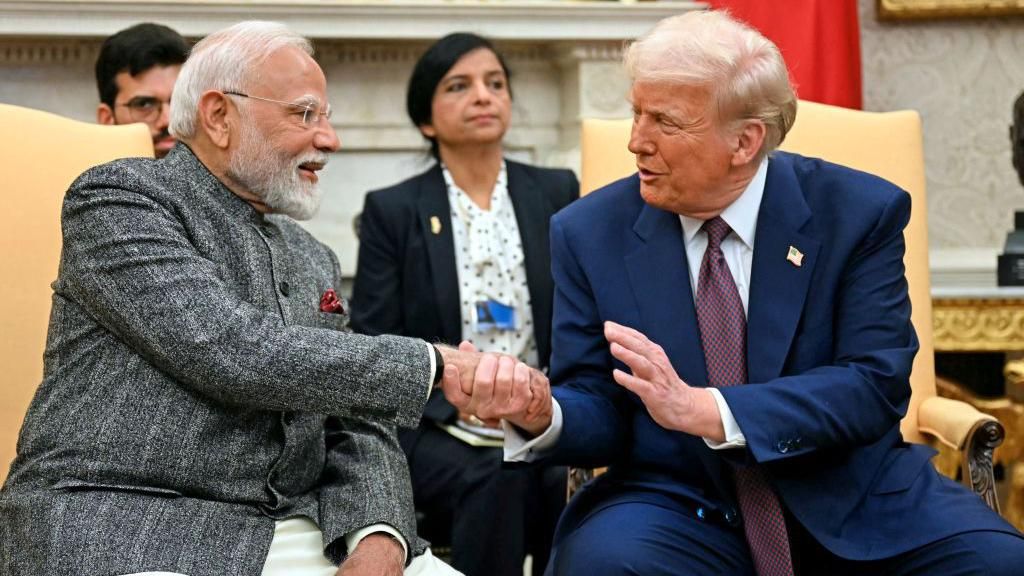
    The scheduled meetings in Washington were intended to finalize an interim trade agreement announced earlier this month between former President Donald Trump and Indian Prime Minister Narendra Modi. That preliminary understanding had proposed reducing U.S. tariffs on certain Indian exports from 50% to 18%, though several aspects of the arrangement remained undefined.

    This development follows a landmark ruling by the U.S. Supreme Court, which determined that the Trump administration overstepped its authority by implementing sweeping global tariffs under the 1977 International Emergency Economic Powers Act. The judicial decision represents a significant setback to the former president’s trade policy agenda. Subsequently, Trump announced intentions to impose a new comprehensive 15% tariff on all imported goods entering the United States.

    The now-deferred negotiations were expected to address outstanding issues, including India’s commitment to reduce standard tariffs on U.S. industrial goods and agricultural products. In return, the United States had agreed to lower reciprocal tariffs affecting approximately 55% of Indian exports. The interim deal, initially anticipated to take effect in April, followed months of trade tensions sparked by Trump’s imposition of 50% tariffs on Indian goods last August, which included penalties for purchasing Russian oil.

    Indian agricultural unions have expressed concerns that tariff reductions on U.S. farm imports could disadvantage domestic producers. Commerce Minister Piyush Goyal has attempted to reassure stakeholders that India has not offered concessions on sensitive products including dairy, genetically modified goods, meat, or poultry, while emphasizing that farmer protections remain in place.

    No rescheduled date has been established for the diplomatic delegation’s visit to Washington, which was originally planned to depart on Sunday. Both governments are now evaluating how the judicial ruling and proposed new tariffs might affect existing and prospective trade agreements between the United States and its international partners.

  • NSW prosecutor agrees to review dropped case into Cheryl Grimmer’s disappearance

    NSW prosecutor agrees to review dropped case into Cheryl Grimmer’s disappearance

    New South Wales’ top prosecutor has initiated a formal review into the controversial discontinuation of a murder case concerning the 1970 disappearance of three-year-old Cheryl Grimmer. Director of Public Prosecutions Sally Dowling SC confirmed the review in a February 16 correspondence with the Grimmer family, acknowledging their persistent quest for justice spanning over five decades.

    The case dates to January 12, 1970, when Cheryl vanished from outside shower facilities at Fairy Meadow Beach in Wollongong, south of Sydney. Despite multiple police investigations and a 2011 coronial inquest concluding the toddler was likely deceased, the case remained unresolved until 2017 when an individual, pseudonymously referred to as Mercury, faced murder charges.

    Prosecutors subsequently dropped the case in 2019 when the NSW Supreme Court deemed Mercury’s 1971 confession inadmissible. Critical to this ruling was the absence of a parent, adult, or legal representative during the teenage suspect’s police interview—a procedural failure that ultimately undermined the judicial process.

    The upcoming review will operate under the ODPP’s Victim Right of Review policy, which enables victims to request reassessment when prosecutors discontinue proceedings. However, the ODPP emphasized that the evaluation will be constrained to evidence available during the original decision-making process, as the office lacks independent investigative authority. Director Dowling has consequently inquired whether the Grimmer family possesses new information that NSW Police might examine prior to the review.

    Rick Nash, Cheryl’s brother who witnessed the abduction as a child, described the development as the most promising news in years. He emphasized that Mercury was interviewed at a boys’ shelter surrounded by carers, questioning whether this environment constituted appropriate support. Nash called for inter-agency collaboration, transparency, and the removal of institutional barriers that have historically impeded justice.

    Last year, NSW MLC Jeremy Buckingham utilized parliamentary privilege to identify Mercury publicly, recounting detailed confession excerpts from the 1971 police interview. Despite this revelation, media outlets have refrained from publishing the individual’s identity due to legal protections afforded by his juvenile status at the time of the incident.

  • Supreme Court decision against Trump’s tariffs raises uncertainty, but markets stay calm

    Supreme Court decision against Trump’s tariffs raises uncertainty, but markets stay calm

    BANGKOK (AP) — A landmark ruling by the U.S. Supreme Court against former President Donald Trump’s tariff regime has sent ripples across the global economic landscape, triggering cautious responses from major trading partners and creating fresh uncertainty in international markets.

    The court’s decision, delivered Friday, invalidates sweeping tariffs imposed under the International Emergency Economic Powers Act (IEEPA) in April 2025. This judicial intervention potentially unravels complex trade arrangements negotiated over the past two years, forcing a comprehensive reassessment of U.S. trade policy direction.

    China’s Commerce Ministry announced it is conducting a “thorough evaluation” of the legal development. An unnamed ministry spokesperson reiterated Beijing’s consistent position that “there are no winners in trade wars,” emphasizing that Trump’s measures “not only violate international economic and trade rules but also contravene domestic laws of the United States.” The statement urged Washington to lift unilateral tariffs imposed on trading partners.

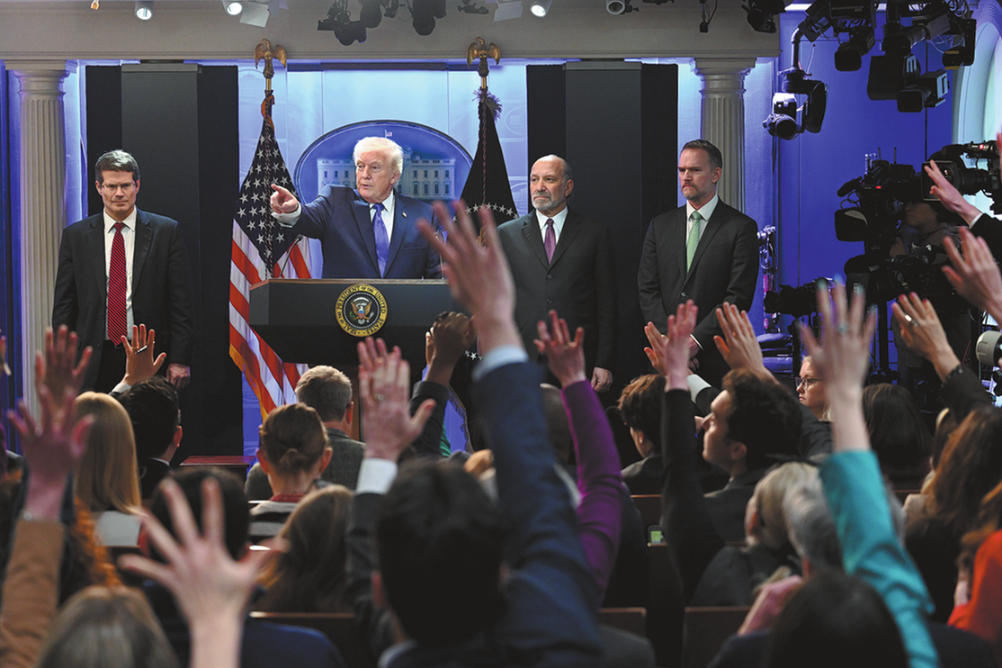
    In response to the judicial setback, Trump proposed implementing a new 15% global tariff utilizing Section 122 of the 1974 Trade Act, demonstrating his administration’s determination to maintain protectionist trade policies through alternative legal mechanisms.

    The ruling creates a divergent impact across U.S. trading partners. While Asian nations like China and South Korea potentially face reduced import duties, allies including Japan and the United Kingdom might confront increased tariffs under the new proposed structure.

    U.S. Trade Representative Jamieson Greer affirmed that existing trade agreements remain intact regardless of legal challenges. “The deals were not premised on whether or not the emergency tariff litigation would rise or fall,” Greer stated during a CBS News interview, noting that no trading partners had yet attempted to withdraw from agreements.

    South Korean Trade Minister Kim Jung-kwan expressed concerns about prolonged uncertainty if the administration continues implementing tariffs through alternative statutes. “Given the uncertainty over future U.S. tariff measures, the public and private sectors must work together to strengthen our companies’ export competitiveness and diversify their markets,” Kim noted, adding that Seoul would pursue “amicable” discussions with U.S. officials to minimize negative impacts on Korean exporters.

    U.S. Treasury Secretary Scott Bessent projected confidence that tariff revenues would remain stable despite the legal shift, pointing to the proposed 15% global tariff as replacement mechanism. The administration will defer to judicial authorities regarding potential refunds for import taxes already collected under the invalidated tariffs.

    Financial markets exhibited mixed reactions, with U.S. futures declining early Monday while Asian shares mostly advanced. Hong Kong’s Hang Seng index gained 2.4%, reflecting the complex interplay of legal, political, and economic factors reshaping global trade dynamics.

  • Mini landscapes drive village’s economy

    Mini landscapes drive village’s economy

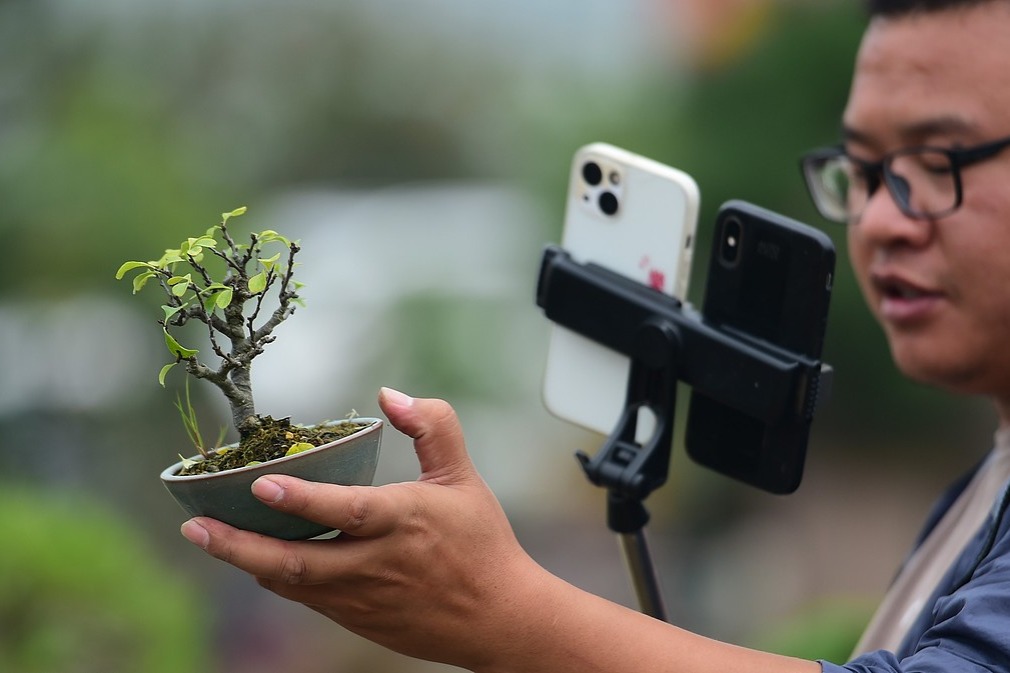
    In Zhouquan Village, Jiangsu Province, an ancient horticultural tradition has evolved into a thriving digital enterprise. Each morning before dawn, over 100 meticulously crafted penjing (miniature potted landscapes) transform the village square into an open-air studio, where livestreamers move among the intricate creations, showcasing them to viewers nationwide.

    The village’s transformation from traditional cultivation to e-commerce powerhouse represents a remarkable case study in rural economic development. Situated along China’s north-south divide, Shuyang County’s mild climate and distinct seasons have historically made it ideal for ornamental plant cultivation. Today, the region generates 35 billion yuan annually from this sector, with livestreamed sales accounting for one-third of the national penjing market.

    Zhouquan’s penjing heritage dates to the Qing Dynasty, when Emperor Kangxi gifted his tutor Hu Jianjing a procumbent juniper landscape in 1671. This ancient specimen, still standing centuries later, inspired the distinctive ‘ox watching the moon’ style featuring over 60 cloud-like tiers with intricate diamond-shaped perforations. This artistic tradition has been passed down through generations, with currently 300 of the village’s 1,200 families engaged in penjing production, generating approximately 300 million yuan annually.

    The industry’s evolution mirrors China’s technological progression: from 1970s bicycle and oxcart transportation to three-wheeled trucks in the 1990s, then to early e-commerce platforms in the 2000s. The pandemic accelerated the shift to livestreaming, which now dominates sales. Pioneer Jiang Aihua, a former teacher who transitioned to penjing after her son’s birth, became the village’s first Taobao seller in 2007. Her adaptation to livestreaming during COVID-19 proved particularly impactful, expanding the customer base beyond traditional older enthusiasts to include younger urbanites seeking mindful hobbies and evergreen species suitable for compact living spaces.

    The industry now stands at another technological crossroads. Jiang is mentoring her university-educated son Zhou Jiangchao in both penjing artistry and digital marketing, emphasizing that genuine appreciation must precede effective sales. Looking ahead, they plan to integrate artificial intelligence to create growth process videos, believing immersive storytelling will further expand their market reach.

  • What now for Asia after Trump’s tariffs struck down?

    What now for Asia after Trump’s tariffs struck down?

    A landmark Supreme Court decision has triggered significant upheaval in international trade relations, declaring numerous tariffs implemented by President Donald Trump in 2025 unlawful. The Friday ruling compelled U.S. Customs to suspend collection of these contested duties on Monday, creating widespread uncertainty among America’s key Asian trading partners.

    In response to the judicial setback, President Trump announced immediate implementation of a universal 15% levy on all goods entering the United States. This sweeping measure represents both a tactical retreat from previous higher rates and a continued commitment to protectionist trade policies that have defined his administration’s economic approach.

    The development deals a substantial blow to nations including India, Indonesia, and Taiwan, which had invested months negotiating bilateral trade agreements with Washington. Many had committed billions in U.S. investments in exchange for preferential tariff treatment. While the flat 15% rate appears favorable compared to previous higher assessments, analysts note it introduces new uncertainties regarding existing arrangements.

    Adam Samdin of Oxford Economics observed: ‘Even if countries pursue negotiations, the current administration remains determined to enforce elevated tariff levels despite judicial interventions. Recent trade agreements lack the binding legal frameworks of traditional pacts, creating vulnerability to further policy shifts.’

    Asian governments are conducting urgent assessments of the ruling’s implications. China’s Commerce Ministry stated it is ‘conducting a comprehensive assessment of content and impact,’ reiterating Beijing’s opposition to ‘unilateral tariff increases’ and warning that ‘protectionism leads nowhere.’ This evaluation comes as China prepares to host President Trump in early April.

    U.S. Trade Representative Jamieson Greer sought to minimize concerns, asserting the changes wouldn’t affect upcoming talks with Chinese leadership. ‘The purpose of meeting President Xi is not to fight about trade but to maintain stability and ensure Chinese compliance with existing purchase commitments,’ Greer told ABC News.

    Regional allies expressed particular concern. Japanese officials promised to ‘carefully examine the ruling and administration response,’ while South Korea’s Industry Minister acknowledged uncertainty regarding potential refunds for duties already paid. Taiwan and Singapore both indicated they would maintain close communication with U.S. officials while monitoring developments.

    The new 15% tariff, implemented under Section 122 of the Trade Act, serves as a temporary measure that can remain effective for approximately five months before requiring congressional approval. This universal application creates particular challenges for nations like the UK and Australia that previously secured 10% rate agreements, and will likely increase costs for American consumers across imported goods categories.

  • Robin Robin: Trial begins for man accused of stabbing two, killing one at Ormond house party

    Robin Robin: Trial begins for man accused of stabbing two, killing one at Ormond house party

    A Supreme Court jury in Victoria has been presented with disturbing details of a violent altercation that resulted in one death and a second victim with serious injuries. The case centers on Robin Robin, 29, who stands accused of murdering 22-year-old Navjeet Singh and attempting to murder 30-year-old Shawan Singh during a confrontation in the Melbourne suburb of Ormond on May 5, 2024.

    During opening statements, Crown prosecutor Nadia Kaddeche outlined the sequence of events that began as a domestic dispute between housemates. The court heard that Robin and his younger brother Abhijeet had hosted a party at their rental property, during which they allegedly became enraged after Shawan Singh left to play cards at Navjeet Singh’s residence in Noble Park.

    The prosecution asserted that the brothers engaged in repeated abusive phone calls throughout the evening before Robin allegedly demanded Shawan return to collect his belongings shortly after 11pm. When Shawan arrived with Navjeet and several companions, Robin allegedly confronted him with a kitchen knife while shouting threats in Hindi.

    According to the prosecution’s account, Robin allegedly stabbed Shawan in the chest and shoulder before turning the weapon on Navjeet when he attempted to intervene. Tragically, Navjeet Singh sustained fatal chest wounds during the attack.

    The jury was shown brief but critical evidence including three seconds of phone footage from a resident and less than a minute of dashcam footage from a passing Uber driver. Ms. Kaddeche claimed this footage depicts Robin attacking Navjeet while he was on the ground, with Abhijeet allegedly participating by striking with the back of his hand.

    Following the incident, the brothers reportedly traveled to New South Wales, where they were apprehended by police on May 7. The prosecution revealed that during his arrest, Robin allegedly made a startling declaration to officers: ‘I want to tell you I’m guilty. I’m the guilty one, my brother is innocent, he did nothing.’

    Despite this alleged confession, Robin has entered a plea of not guilty to all charges. The court also heard alternative charges of intentionally causing serious injury and recklessly causing serious injury specifically related to the wounds inflicted on Shawan Singh.

    The trial continues with further opening remarks from the prosecution followed by an address from Robin’s defense barrister, John Desmond.

  • What the killing of drug lord ‘El Mencho’ means for Mexico

    What the killing of drug lord ‘El Mencho’ means for Mexico

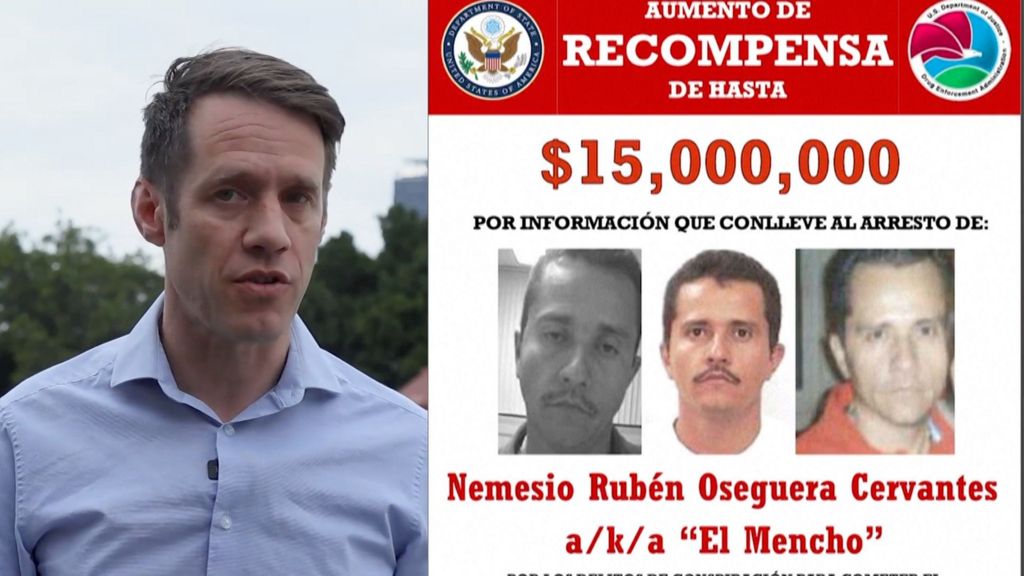
    Mexico’s national security apparatus has confirmed the death of Nemesio Oseguera Cervantes, the notorious cartel leader operating under the alias ‘El Mencho,’ during a coordinated military operation. The high-profile takedown of the Jalisco New Generation Cartel (CJNG) leader represents one of Mexico’s most significant counter-narcotics victories in recent years.

    Background intelligence indicates El Mencho rose from humble beginnings as an avocado farmer to establish CJNG as Mexico’s most formidable and technologically advanced criminal organization. His network extended across five continents with particular strongholds throughout Mexico and the United States, specializing in synthetic drug production and distribution.

    The immediate aftermath presents a complex scenario for Mexican authorities. While eliminating such a high-value target disrupts CJNG’s operational command structure, security analysts anticipate potential fragmentation within the organization. Historical precedent suggests such events often trigger violent power struggles among subordinate factions seeking to fill the leadership vacuum.

    Geopolitical implications extend beyond Mexico’s borders, affecting international drug trafficking routes and bilateral security cooperation with the United States. The elimination of Mexico’s most-wanted criminal figure may temporarily disrupt distribution networks but is unlikely to substantially diminish overall drug flow without complementary structural interventions addressing systemic corruption and alternative economic opportunities in cartel-dominated regions.