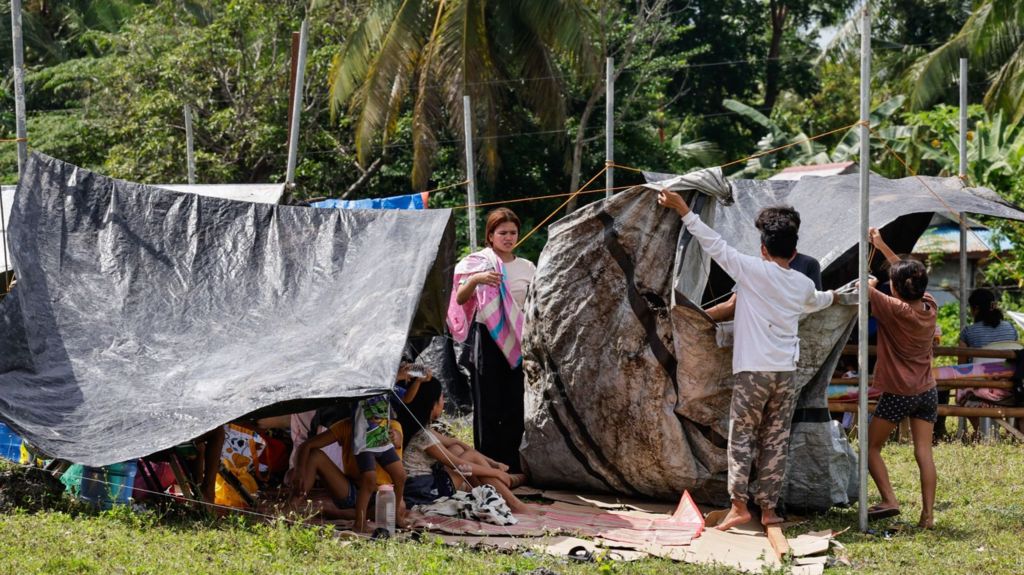
A devastating magnitude 6.9 earthquake struck the northern coast of Cebu, one of the Philippines’ most populous islands, on the night of September 30, leaving at least 72 people dead and 300 injured. The quake, which occurred in a region already grappling with the aftermath of a fierce typhoon season, has displaced approximately 40,000 people, forcing many to seek temporary shelter in tents and under the open sky. Among the survivors is Arguel Estalicas, a 35-year-old tourism officer from Medellin town, who described the overwhelming fear and dizziness she continues to experience. ‘I still couldn’t process what has happened to us,’ she told the BBC. The earthquake caused widespread destruction, collapsing homes, buildings, and churches, and cracking roads. Social media images showed residents huddled under plastic bags for shelter during light rain, while others slept outdoors, clinging to whatever resources they had. Lourenze Pareja, a 25-year-old community journalist from San Remigio, recounted the chaos he witnessed during the quake, describing his once-vibrant town as now resembling a ‘ghost town.’ The Philippines, located on the geologically unstable ‘Ring of Fire,’ is no stranger to natural disasters. This earthquake is among the deadliest in recent years, following the 2013 Bohol quake that killed over 200 people. Rescue operations are ongoing, with authorities working to deliver food, restore power and communication lines, and clear debris. The Philippine military has been deployed to assist in relief efforts, but daily necessities remain scarce. Survivors like Ms. Estalicas and Mr. Pareja remain hopeful, drawing strength from the Filipino spirit of bayanihan, or community cooperation. ‘My only prayer is that help won’t be delayed,’ Mr. Pareja said, urging relief efforts to extend to neighboring municipalities.
作者: admin
-
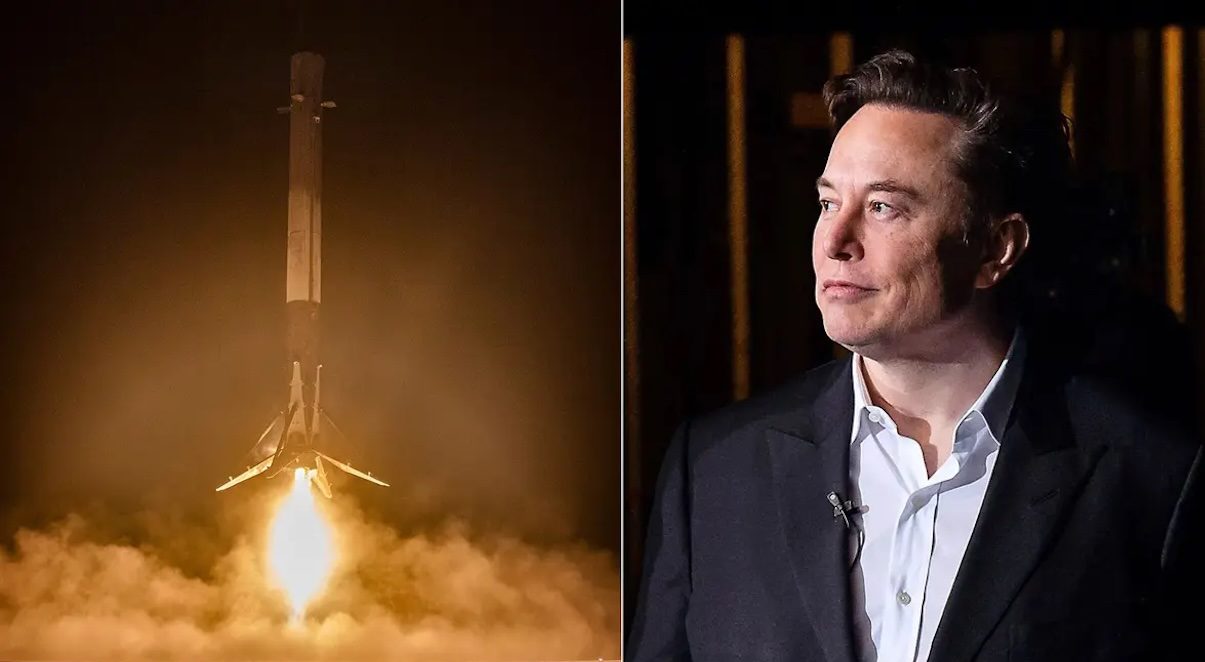
Chinese invested directly in Musk’s SpaceX, insider testifies
Elon Musk’s SpaceX, a cornerstone of U.S. aerospace and defense, has reportedly accepted direct investments from Chinese investors, according to recently unsealed court testimony. This revelation, disclosed during a legal case involving a major SpaceX investor, Iqbaljit Kahlon, has ignited fresh debates over foreign ownership in one of America’s most critical military contractors. While Chinese investment in U.S. defense contractors is not prohibited, it is tightly regulated due to national security implications. Kahlon’s testimony, though not detailing the extent or identities of the Chinese investors, confirms their presence on SpaceX’s capitalization table, a list of shareholders. This marks the first acknowledgment of direct Chinese investment in the privately held company, which has long kept its ownership structure under wraps. Previously, Chinese investors were known to hold indirect stakes in SpaceX through intermediary funds. The disclosure has raised alarms among national security experts, who warn that such investments could provide China with access to sensitive information, potentially compromising U.S. security. SpaceX, which has secured significant government contracts, including those with NASA and the Pentagon, has not commented on the matter. The testimony emerged from a Delaware court case involving Kahlon, who has facilitated investments in SpaceX for wealthy individuals worldwide, including those from China. The U.S. government’s growing concerns over Chinese investments in sensitive industries have led to increased scrutiny, with House Democrats urging the Department of Defense to investigate SpaceX’s investment practices. Despite these concerns, SpaceX’s valuation continues to soar, with Musk’s 42% stake estimated at $168 billion, solidifying his position among the world’s wealthiest individuals.
-
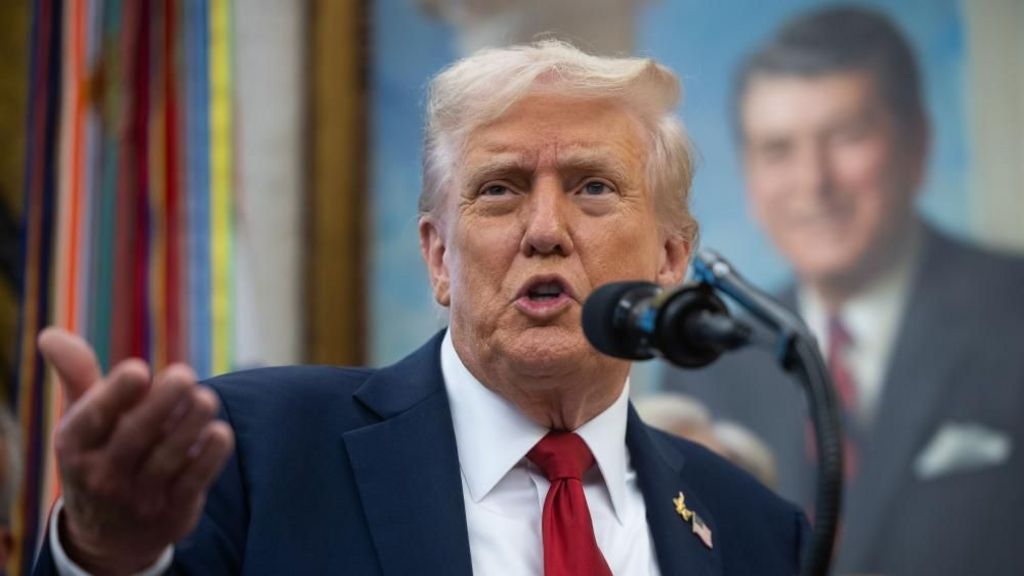
Trump wields axe over ‘Democrat Agencies’ as blame game rages on Capitol Hill
As the US government shutdown entered its third day, President Donald Trump announced plans to collaborate with his budget director to identify and cut funding for what he termed ‘Democrat Agencies.’ Trump urged Republicans to use the opportunity to ‘clear out dead wood,’ dismissing Democratic demands to include healthcare insurance subsidies in the government funding legislation. The impasse has left hundreds of thousands of federal workers at home or working without pay, while some federal attractions closed their doors. The Statue of Liberty, however, remained open, with the Department of the Interior crediting Trump’s leadership. On Capitol Hill, Republicans and Democrats continued to blame each other for the shutdown. House Speaker Mike Johnson accused Democrats of being ‘selfish,’ while House Minority Leader Hakeem Jeffries criticized Republicans for neglecting working-class Americans’ healthcare needs. Analysts predict that neither side will compromise until public pressure mounts. The Congressional Budget Office estimates that 750,000 federal workers are on unpaid leave, though essential employees, including law enforcement officers, continue to work without pay. Air travel remains unaffected for now, but past shutdowns have seen delays due to sick calls among air traffic controllers and TSA workers. Tourists faced closures at several federal sites, including Federal Hall in Manhattan, a historic landmark where George Washington was inaugurated. Meanwhile, the Smithsonian museums remain open for a week due to reserve funds. The political deadlock shows no signs of easing, with both parties entrenched in their positions and public opinion divided along party lines.
-
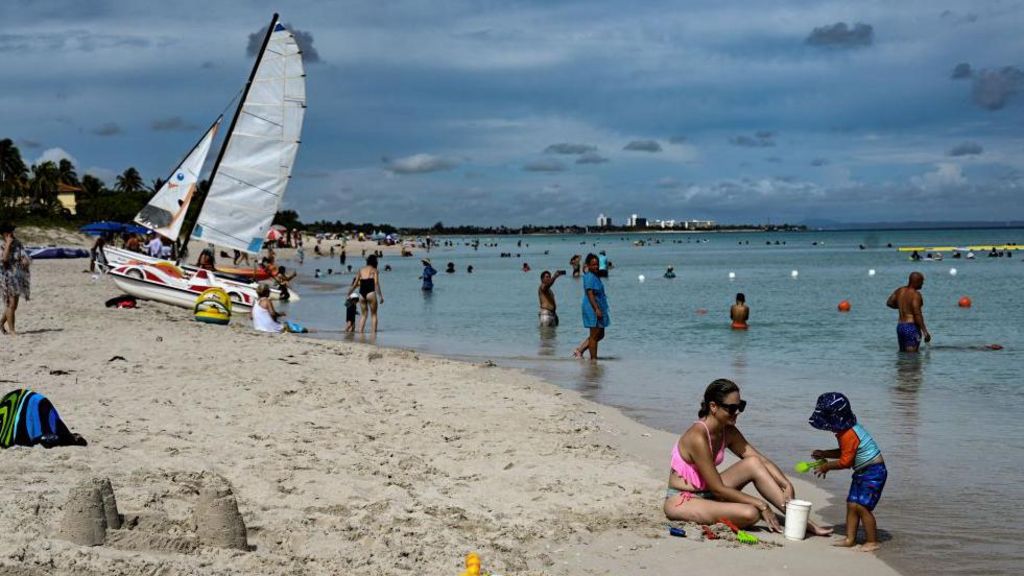
Cuba’s tourism minister insists sector ‘alive and kicking’ amid crisis
Tourism has long been a cornerstone of Cuba’s economy, but recent years have seen a dramatic decline in visitor numbers. The industry, which reached a peak of nearly five million tourists in 2018, has been severely impacted by the COVID-19 pandemic and stringent travel restrictions imposed by the Trump administration. Last year marked one of the worst for Cuban tourism this century, exacerbating the island’s economic woes. With traditional industries like sugar, tobacco, and nickel in decline, tourism remains Cuba’s primary source of foreign currency after remittances. However, fewer tourists mean less revenue for the state, hindering investments in crumbling energy infrastructure and essential goods like food and medicine. Cuba’s traditional allies, Venezuela and Russia, are grappling with their own economic challenges, while China’s focus on larger geopolitical issues limits its support. Cuban Tourism Minister Juan Carlos García Granda acknowledges the industry’s struggles but remains optimistic, claiming that the government has halted the decline and expects improved statistics in the second quarter of this year. He attributes the ongoing challenges to the ‘economic war’ waged by the United States, which has implemented measures specifically designed to harm Cuba’s tourism sector. These include banning US cruise ships from docking in Cuban ports and reclassifying Cuba as a State Sponsor of Terrorism, which complicates travel for UK and European tourists. Despite these obstacles, García Granda insists that Cuban tourism is ‘alive and kicking,’ with over 70% of the industry supported by foreign investment. However, the government’s ambitious hotel-building program, including the controversial Torre K in Havana, has drawn criticism for its extravagance amid widespread economic hardship. While García Granda defends the projects as necessary for attracting tourists, many Cubans question the prioritization of luxury hotels over urgent public needs. As Cuba navigates its deepest economic crisis since the Cold War, the future of its tourism industry remains uncertain, with García Granda hopeful that better times lie ahead.
-

Are Democrats really pushing for free healthcare for undocumented migrants?
The Trump administration has accused Democrats of causing the US government shutdown by pushing for ‘radical demands,’ including free healthcare for illegal immigrants. Vice President JD Vance claimed that Democrats are seeking billions in healthcare funding for undocumented individuals, a statement echoed by President Trump on Truth Social. However, Democratic Senate leader Chuck Schumer dismissed these claims as ‘a total, absolute lie.’
-

Senior member of Venezuela’s Tren de Aragua gang arrested
In a significant international operation, the alleged leader of the armed wing of the Venezuelan criminal gang Tren de Aragua has been apprehended. The arrest of José Antonio Márquez Morales, also known as Caracas, was announced by Colombia’s National Police. The operation, which involved collaboration between Colombia, the United States, and the United Kingdom, took place in the city of Valledupar. Morales is accused of playing a pivotal role in managing the logistics and finances for the gang, which is involved in extortion, drug trafficking, and smuggling. Tren de Aragua has been designated as a terrorist organization by former US President Donald Trump, who also deported over 250 alleged members of the gang to a prison in El Salvador. Carlos Fernando Triana Beltrán, Director of Colombia’s National Police, revealed that Morales was the subject of an Interpol Red Notice, a global alert requesting law enforcement agencies to detain an individual pending extradition. The arrest comes amid escalating tensions between the US and Venezuela, particularly concerning the Trump administration’s anti-drug-trafficking initiatives in Latin America. The US has recently deployed warships to the Caribbean and conducted bombings of vessels allegedly transporting drugs from Venezuela to the US. The Trump administration has accused Venezuelan President Nicolás Maduro of colluding with drug cartels and has offered a $50 million reward for information leading to his capture. Maduro has vehemently denied these allegations and has defended his government’s efforts to combat drug trafficking.
-
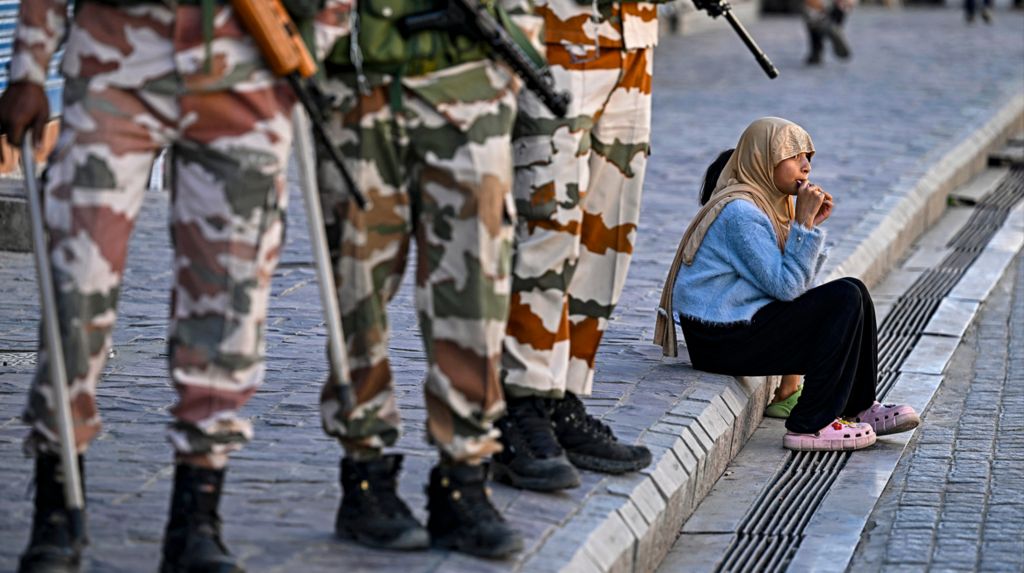
‘Broken promises’ and deadly violence push Himalayan beauty spot to the edge
Ladakh, a serene Himalayan region renowned for its spiritual allure and breathtaking landscapes, has been thrust into turmoil following violent protests demanding greater autonomy from India. Last week, peaceful demonstrations escalated into deadly clashes between protesters and police, resulting in four civilian deaths and over 80 injuries. The unrest marks the deadliest violence in the region in decades. Authorities responded by arresting Sonam Wangchuk, a prominent scientist and activist accused of inciting the crowd, and imposing a curfew in Leh, Ladakh’s capital. Internet services were cut, and paramilitary troops were deployed to restore order. The protests stem from long-standing grievances over the region’s political status and cultural preservation. In 2019, Ladakh was separated from Indian-administered Kashmir and placed under direct federal rule, a move initially welcomed by residents who hoped for greater autonomy. However, disillusionment grew as promises of economic development and cultural protection remained unfulfilled. The region’s Buddhist and Muslim communities, historically divided, have united in their demand for statehood, job quotas, and inclusion in the Sixth Schedule, which grants protections to tribal areas. The recent violence has deepened mistrust and fear among locals, with many accusing the government of prioritizing industrial interests over their rights. Political and defense experts warn that further escalation could destabilize this strategically sensitive region, which borders both China and Pakistan. Despite the crackdown, protesters vow to continue their struggle peacefully, emphasizing their demands are rooted in legitimate concerns for their identity and future. The road to reconciliation remains uncertain, with hundreds of soldiers stationed in Leh and many protesters fearing reprisals.
-
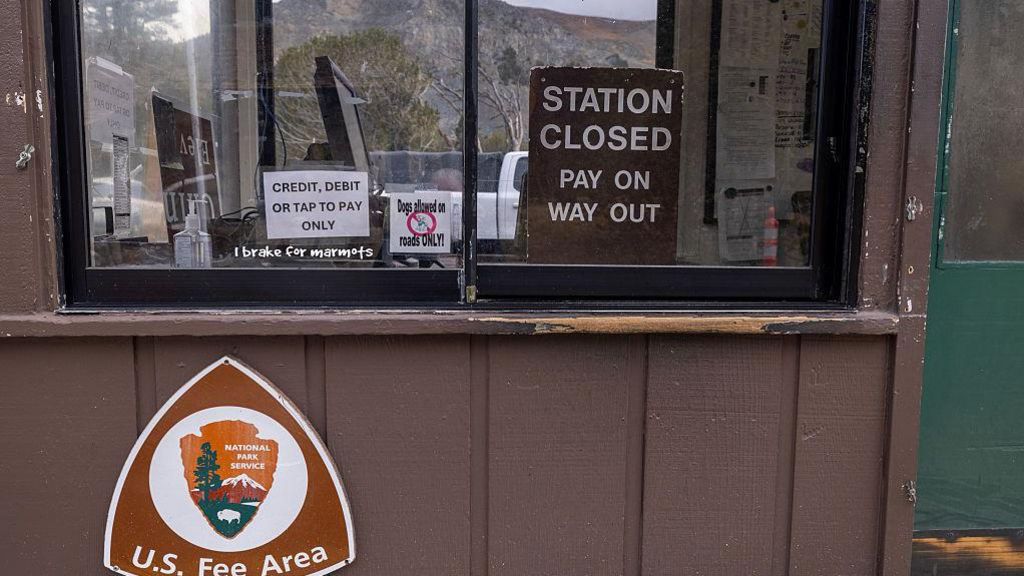
Stay out of national parks during US shutdown, conservationists warn
As the US government shutdown continues, conservationists are urging visitors to steer clear of national parks, advocating for their temporary closure due to safety and resource concerns. The National Parks Conservation Association (NPCA) has highlighted the risks posed by skeleton staffing, warning that visitors may find themselves without essential services or support. The National Park Service (NPS), responsible for overseeing 433 sites, has opted to keep parks partially open while furloughing over half of its workforce. This decision has drawn criticism from conservation groups and former park rangers, who argue that reduced staffing jeopardizes both visitor safety and the preservation of park resources. Kristen Brengel, NPCA’s senior vice-president of government affairs, emphasized the lack of communication staff to inform visitors about available facilities, describing the situation as unpredictable. She advised against visiting parks during the shutdown, citing the potential for vandalism, environmental damage, and limited emergency response capabilities. The Trump administration’s approach during the 2018 shutdown, which kept parks open with minimal staffing, led to widespread issues, including off-roading, looting, and littering. Many parks are already under strain due to earlier mass layoffs, raising concerns about their ability to recover from any additional damage. In a letter to Interior Secretary Doug Burgum, former park superintendents warned of the risks posed by keeping parks open, citing past instances of vandalism and habitat destruction. Bill Wade, executive director of the association of national park rangers, echoed these concerns, describing the decision as ‘dangerous’ and highlighting the potential for increased resource damage. The shutdown, which began after Congress failed to agree on a new spending plan, has sparked bipartisan efforts to keep parks open, with Senator John Hickenlooper emphasizing their economic and emotional significance during stressful times.
-
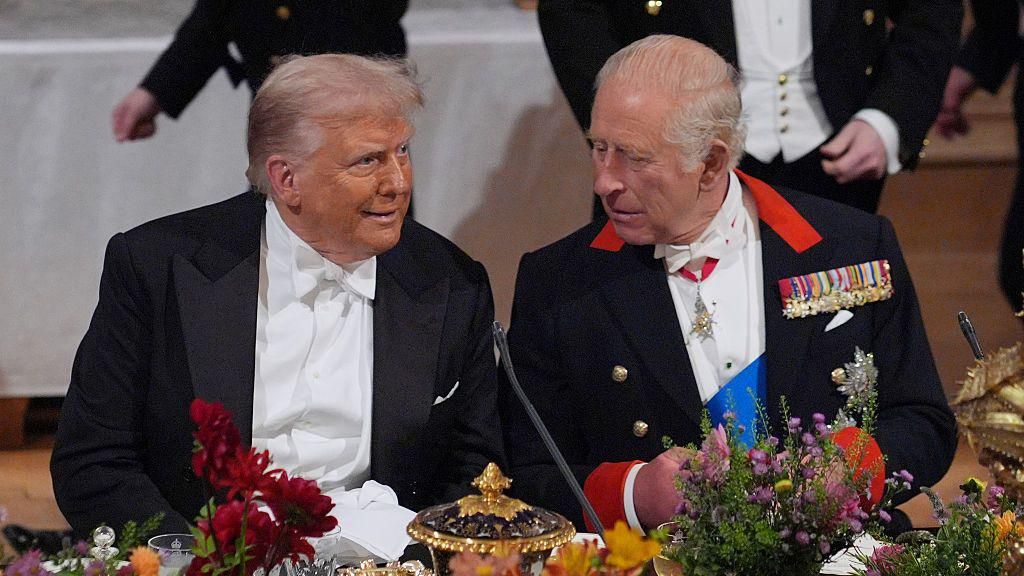
Official quits after dispute over Trump’s Eisenhower sword gift to King Charles
The director of the Dwight D. Eisenhower Presidential Library, Todd Arrington, has resigned following a contentious disagreement with the Trump administration over the gifting of a historical sword to King Charles III during President Donald Trump’s recent state visit to the United Kingdom. According to CBS News, Arrington refused to remove an original sword from the library’s collection, which the State Department had sought to present as a symbol of the enduring US-UK alliance post-World War II. Instead, King Charles received a replica of the sword during Trump’s visit to Windsor Castle in September. Arrington, who had been in his role since August 2024, was reportedly told to resign or face termination, with officials citing a loss of trust over confidential matters related to the sword dispute and other issues. In an interview, Arrington denied making any disparaging remarks about Trump or his administration, emphasizing his commitment to preserving historical artifacts. The Eisenhower library, one of 16 presidential libraries managed by the National Archives, houses several swords from Eisenhower’s collection, including a saber and a sword of honor. Arrington expressed his desire to return to his position, stating his deep passion for the role and its historical significance. The White House and the National Archives have yet to comment on the matter.
-
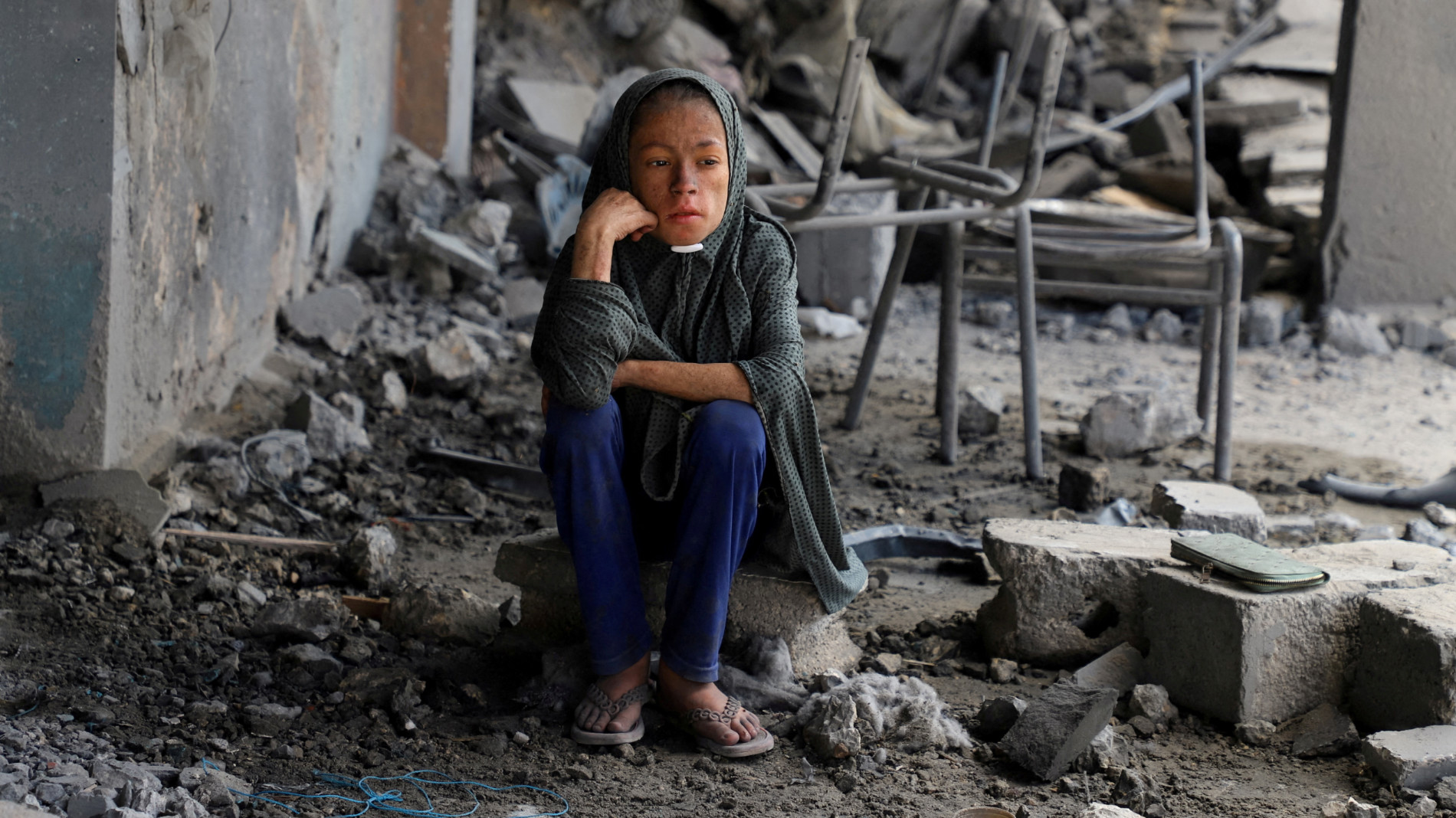
Growing up amid genocide: Gaza’s girls navigate puberty under siege and scarcity
In the midst of relentless Israeli air strikes, young girls in Gaza are enduring not only the horrors of war but also the profound challenges of puberty. This pivotal stage of life, marked by significant physical and emotional changes, is exacerbated by the dire conditions of the besieged enclave. With families struggling to survive, essential resources like menstrual products, clean water, and private spaces are scarce, leaving girls to navigate this transition in isolation and distress. Dima Mohammed, a 12-year-old displaced in Gaza City, shared her shock and unpreparedness for the onset of puberty, highlighting the scarcity of hygiene supplies and the overwhelming focus on survival. Her mother lamented the lack of medical care and the compounded physical and psychological suffering caused by the war. Similarly, Maryam Ahmed, another 12-year-old, expressed her unpreparedness for puberty, both mentally and physically, as her mother recounted the impossibility of providing the usual support and celebration due to the war’s devastation. The United Nations Population Fund (UNFPA) estimates that around 691,300 women and girls of menstruating age are living in Gaza, with a monthly need for approximately 10,369,500 menstrual pads. However, the Israeli blockade has severely restricted the entry of hygiene supplies, making these products either unavailable or unaffordable. Many women and girls have resorted to makeshift alternatives, such as torn pieces of cloth, further stripping them of dignity. Palestinian psychologist Anhar Farajallah emphasized the heightened physical and emotional risks faced by girls entering puberty under such conditions, noting the lack of privacy, clean water, and essential hygiene products. Umm Ibrahim, a displaced mother in Gaza City, spoke of her daughter’s severe abdominal pain during menstruation and the unaffordable cost of sanitary pads. Eleven-year-old Maria Sharif, despite being prepared by her mother, expressed her feelings of adding a burden to her family due to the high cost of sanitary pads, resorting to improvised alternatives. The war has not only disrupted the lives of these young girls but has also robbed them of the support and resources needed to navigate this crucial stage of life.