作者: admin

  • Third round of Russia-Ukraine talks starts in Geneva as strikes continue

    Third round of Russia-Ukraine talks starts in Geneva as strikes continue

    Diplomatic efforts to resolve the ongoing conflict between Russia and Ukraine resumed in Geneva this week, with delegations from both nations convening for U.S.-brokered negotiations. The talks, occurring just one week before the fourth anniversary of Russia’s full-scale invasion, proceed under a cloud of skepticism as Moscow maintains its uncompromising territorial demands.

    The negotiations, mediated by Special Envoy Steve Witkoff and Senior Advisor Jared Kushner, bring together Ukraine’s National Security Council Secretary Rustem Uierov and Presidential Chief of Staff Kyrylo Budanov facing Russia’s delegation led by Presidential Aide Vladimir Medinsky and military intelligence representatives.

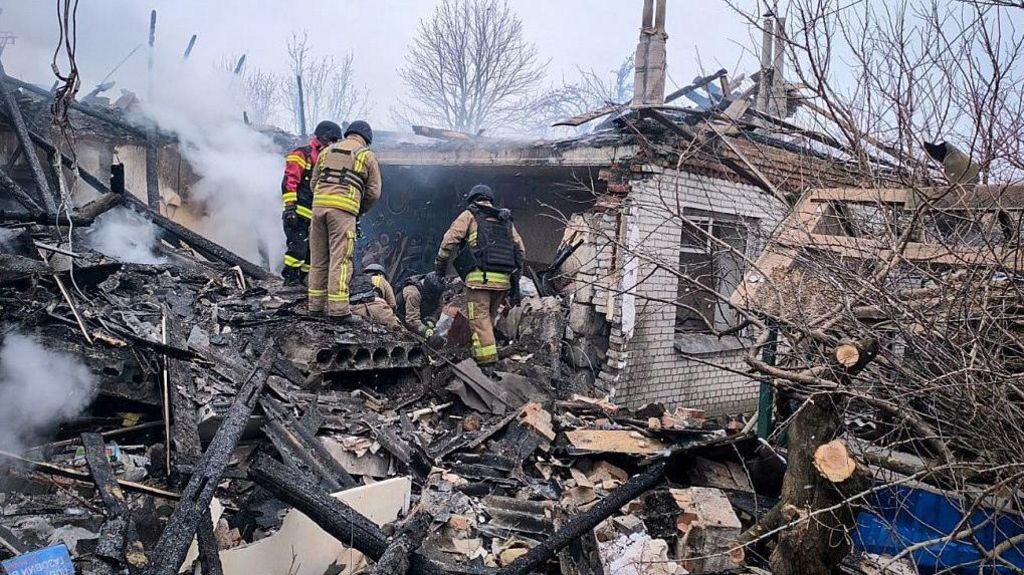
    Despite the diplomatic engagement, military actions intensified dramatically hours before the Geneva meeting. Russian forces launched a massive combined aerial assault targeting 12 Ukrainian regions with approximately 400 drones and nearly 30 missiles. The attacks resulted in at least three fatalities and multiple injuries, including children, while causing extensive damage to residential buildings and critical infrastructure.

    Ukrainian officials reported particularly severe consequences for the country’s already compromised energy grid. DTEK, Ukraine’s largest private energy firm, described the damage to power infrastructure in the southern port city of Odesa as “incredibly serious,” warning of prolonged restoration efforts. Deputy Energy Minister Artem Nekrasov confirmed three energy workers were killed near the frontline city of Slovyansk during overnight attacks.

    President Volodymyr Zelensky emphasized that “Russia must be held to account for its aggression,” asserting that any meaningful peace must address “the sole source of this aggression.” Ukrainian Foreign Minister Andrii Sybiha characterized the timing of the attacks as demonstrating Russia’s disregard for genuine peace efforts.

    Meanwhile, Russia claimed its air defenses intercepted over 150 drones, and reported that an oil refinery in the Krasnodar region caught fire following Ukrainian drone strikes. The border region of Belgorod also sustained significant power infrastructure damage from Ukrainian attacks.

    Kremlin spokesman Dmitry Peskov tempered expectations for immediate breakthroughs, indicating discussions would continue through Wednesday. The current talks follow trilateral negotiations in Abu Dhabi last month, which marked the first three-way discussions since the invasion began but yielded no substantial progress beyond subsequent prisoner exchanges.

    The conflict continues with Russia occupying approximately 20% of Ukrainian territory, including significant portions of the Donbas region. While Moscow demands control of remaining Donbas territories, Kyiv insists on robust Western security guarantees before considering any settlement.

  • Shein faces EU investigation over illegal products and addictive design features

    Shein faces EU investigation over illegal products and addictive design features

    The European Commission has initiated formal proceedings against fast-fashion retailer Shein under the Digital Services Act (DSA), marking a significant escalation in regulatory scrutiny of the online marketplace. European regulators are examining whether the platform has adequately prevented the sale of unlawful merchandise and protected consumers from potentially addictive interface designs.

    This investigation follows previous enforcement actions in France, where authorities discovered prohibited items including firearms, knives, machetes, and child-like sex dolls available through Shein’s platform. Although French attempts to restrict access to the website were previously blocked by judicial authorities, the matter has now been elevated to EU-level scrutiny.

    The probe will specifically assess Shein’s compliance mechanisms regarding three critical areas: prevention of illegal product sales, mitigation of addictive platform features that employ reward systems for user engagement, and transparency of algorithmic recommendation systems that suggest products to consumers without adequate explanation.

    Shein faces potential substantial financial penalties or mandatory operational modifications should the investigation conclude with a non-compliance determination. The company has publicly committed to cooperating with regulators, emphasizing substantial investments in DSA compliance measures including enhanced youth protection protocols and comprehensive risk assessment frameworks.

  • India seizes three Iran-linked US-sanctioned tankers, source says

    India seizes three Iran-linked US-sanctioned tankers, source says

    In a significant maritime enforcement operation, Indian authorities have confiscated three oil tankers with connections to Iran that were under U.S. sanctions. The seizures occurred this month as part of New Delhi’s intensified surveillance campaign to combat illicit trade activities within its exclusive economic zone.

    According to a source with direct knowledge of the matter, the vessels—identified as Stellar Ruby, Asphalt Star, and Al Jafzia—were intercepted approximately 100 nautical miles west of Mumbai following detection of suspicious operations. These tankers had reportedly employed frequent identity alterations to evade detection by coastal states’ law enforcement agencies.

    The enforcement action aligns with strengthened U.S.-India relations, coming shortly after Washington’s announcement reducing import tariffs on Indian goods from 50% to 18%. This tariff reduction followed India’s agreement to cease Russian oil imports, signaling deepening bilateral cooperation.

    Iranian state media has contested the tankers’ affiliations, with the National Iranian Oil Company asserting that neither the vessels nor their cargoes had any connection to the company. Despite this denial, LSEG data indicates that two of the three tankers maintain Iranian links, with Al Jafzia having transported fuel oil from Iran to Djibouti in 2025 and Stellar Ruby registered under the Iranian flag.

    The Indian Coast Guard has significantly bolstered its surveillance capabilities, deploying approximately 55 ships and 10-12 aircraft for continuous monitoring of maritime zones. This enhanced vigilance aims to prevent ship-to-ship transfers that obscure oil cargo origins—a common method used to circumvent international sanctions.

    The U.S. Office of Foreign Assets Control had previously sanctioned vessels with identical IMO numbers to those captured by India, highlighting the global dimension of enforcement efforts against sanctioned oil trade. Such prohibited petroleum products typically trade at substantial discounts due to the complex ownership structures, falsified documentation, and mid-sea transfer operations that complicate regulatory enforcement.

  • Iran, United States set for new talks in Geneva; Trump to be involved indirectly

    Iran, United States set for new talks in Geneva; Trump to be involved indirectly

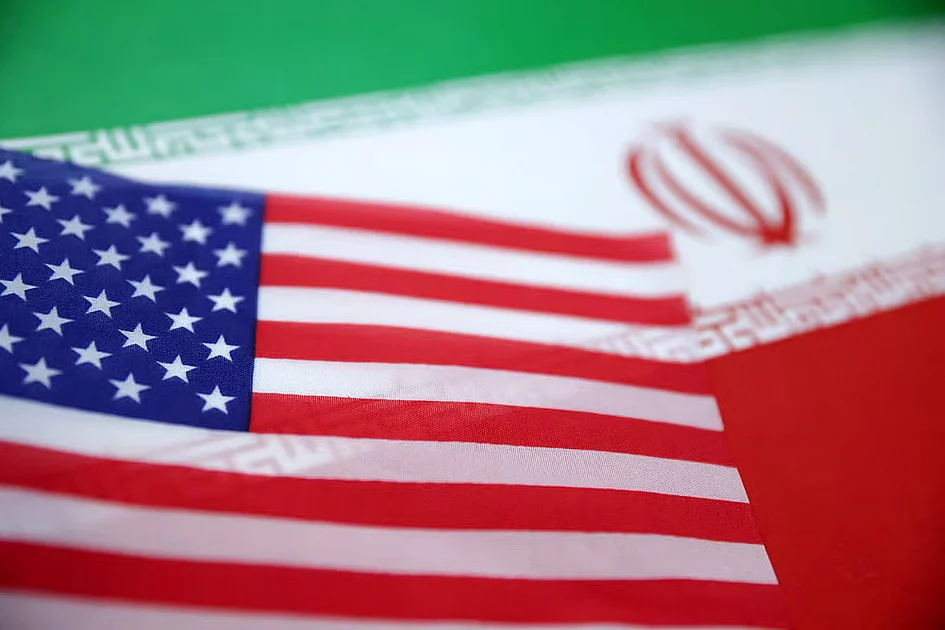
    Geneva is set to host a critical new round of diplomatic negotiations between the United States and Iran on Tuesday, mediated by Omani officials in an effort to de-escalate rising tensions and avert potential military conflict. The talks resume against a backdrop of heightened saber-rattling, with former President Donald Trump warning Tehran of severe consequences should the discussions fail to yield an agreement.

    The diplomatic engagement, which follows preliminary meetings in Muscat, marks a significant attempt to bridge differences over Iran’s nuclear program. Iranian Foreign Ministry spokesman Esmaeil Baqaei expressed measured optimism, noting that Washington’s stance had shifted towards a “more realistic” approach regarding nuclear issues, according to state-run IRNA news agency.

    While en route to the negotiations, Trump indicated his indirect involvement, stating, “I don’t think they want the consequences of not making a deal.” His comments came alongside increased military deployments to the region, including the positioning of the USS Abraham Lincoln aircraft carrier approximately 700 kilometers from Iranian shores and the dispatch of a second carrier group.

    The previous diplomatic effort collapsed dramatically in June when Israel launched surprise strikes against Iranian targets, triggering a brief but intense 12-day conflict that saw limited U.S. military participation against nuclear facilities.

    Iranian Foreign Minister Abbas Araghchi met with Omani counterpart Badr Albusaidi in Geneva to coordinate positions ahead of the main talks. Araghchi emphasized Tehran’s “seriousness in using result-oriented diplomacy” to secure Iranian interests while preserving regional stability. Simultaneously, Iran’s Revolutionary Guard Corps commenced military exercises in the strategic Strait of Hormuz, preparing for “potential security and military threats.”

    The negotiations face fundamental disagreements over their scope, with Iran insisting discussions be limited exclusively to nuclear matters and sanctions relief, while Washington has historically pushed for inclusion of Tehran’s ballistic missile program and support for regional armed groups.

    U.S. Secretary of State Marco Rubio expressed hope for a peaceful resolution, noting that the administration prefers “negotiated outcomes.” Iranian officials indicated potential flexibility on uranium stockpiles if Washington demonstrates sincerity through sanctions relief, with Deputy Foreign Minister Majid Takht-Ravanchi telling the BBC that compromises were possible with genuine American cooperation.

    The talks will also involve International Atomic Energy Agency director Rafael Grossi, who is scheduled for technical discussions with Iranian officials regarding nuclear monitoring and verification protocols.

  • Nigeria and Kenya lead Africa’s push for electric vans assembled from Chinese EV kits

    Nigeria and Kenya lead Africa’s push for electric vans assembled from Chinese EV kits

    Across Africa’s largest economies, a transformative shift in transportation is underway as e-mobility companies establish local assembly operations for electric vehicles through strategic Chinese partnerships and innovative financing models. Nigeria and Kenya are emerging as continental leaders in this green transportation revolution, leveraging imported Chinese kits to build electric vans and taxis tailored for African markets.

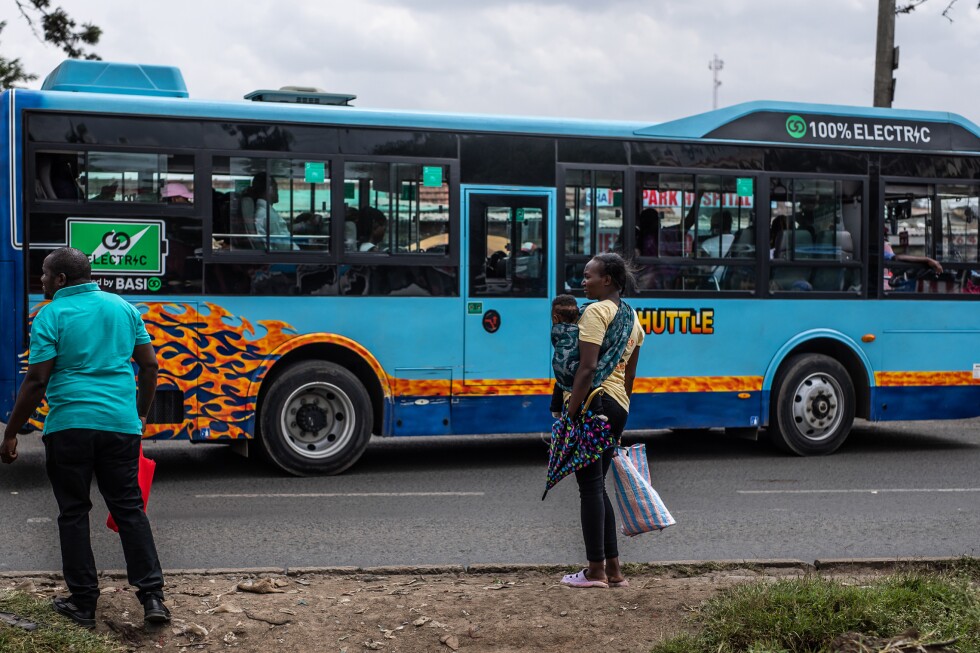
    In Nigeria, Saglev—a joint venture between Stallion Group and China’s Sokon Motor—has commenced assembly of 18-seater electric passenger vans using components from Dongfeng Motor Corp. The Lagos-based manufacturer aims to produce up to 2,500 vehicles annually, with plans to expand to 17 electric models for West African markets. CEO Olu Falaye heralded this development as “a major step in Nigeria’s transition toward clean, fossil-free transportation,” marking the first mass transit EV assembled locally in sub-Saharan Africa.

    Simultaneously in Kenya, Rideence Africa has invested $2.46 million in a partnership with Associated Vehicle Assemblers (AVA) to produce electric taxis and minibuses using kits from Jiangsu Joylong Automobile and Beijing Henrey Automobile Technology. Managing Director Minnan Yu emphasized the company’s evolution “from operator to manufacturer,” with ambitions to create a “Kenya-rooted new-energy mobility company serving Africa.”

    The economic advantages are substantial: EV charging costs average approximately $3 for 200 kilometers compared to over $15 for petrol equivalent distances. However, the transition faces infrastructure challenges, particularly regarding reliable power sources. Saglev addresses this by planning solar-powered charging stations to ensure consistent energy supply.

    Innovative financing models are crucial to adoption. Rideence leases taxis to drivers for about $18 daily, while BasiGo-Kenya Vehicle Manufacturer requires a deposit plus 20 cents per kilometer driven. These pay-as-you-drive and lease-to-own options overcome financial barriers in markets where credit access is limited and upfront vehicle costs are prohibitive.

    Despite progress, EVs remain a tiny fraction of Africa’s vehicle population—approximately 30,000 compared to millions of fossil-fuel vehicles. The continent produced just 1.1 million vehicles total in the previous year, with 90% manufactured in Morocco and South Africa. Nevertheless, industry experts like Dennis Wakaba of Kenya’s Electric Mobility Association note that scaling local assembly has already reduced costs, making EVs increasingly accessible to transport operators across the continent.

  • Why faithful flock to Manila’s Golden Mosque, built for Gaddafi 50 years ago

    Why faithful flock to Manila’s Golden Mosque, built for Gaddafi 50 years ago

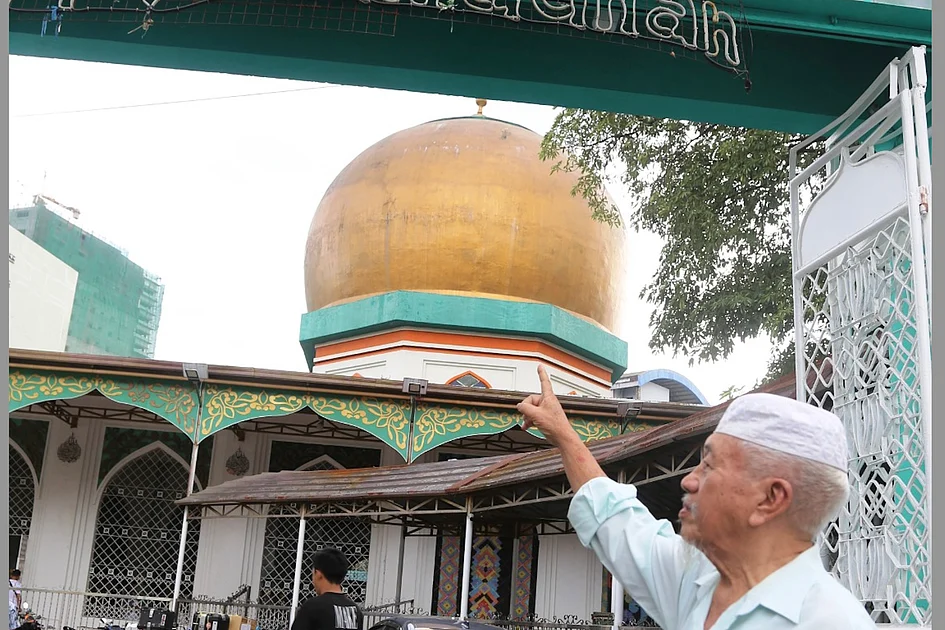
    In the bustling heart of Manila’s Quiapo district, the Golden Mosque stands as the Philippines’ largest Islamic place of worship outside Mindanao. This iconic structure, which becomes the focal point for Ramadan celebrations in the capital, carries a history far younger than most assume—marking just half a century since its construction.

    The mosque’s origins trace back to a pivotal diplomatic mission in November 1976 when former First Lady Imelda Marcos visited Libyan leader Muammar Gaddafi. Her husband, President Ferdinand Marcos Sr., sought Libya’s assistance in negotiating peace with the Moro National Liberation Front. The subsequent Tripoli Agreement granted limited autonomy to Muslim Mindanao, and during discussions, Gaddafi inquired about prayer facilities should he visit Manila.

    This query triggered an ambitious building spree. Imelda Marcos, renowned for her architectural projects, commissioned four mosques simultaneously: the Golden Mosque in Quiapo, the Blue Mosque in Taguig City, one within Malacañang Palace grounds, and another in Marcos’ hometown of Paoay. Remarkably, construction of the Golden Mosque concluded within just 40 days through the concerted efforts of local Muslim residents, many of whom still reside in the community.

    The mosque’s distinctive gold-colored dome pays homage to the brass cannons forged by Muslim blacksmith Pira that defended Manila against Spanish colonizers in the 1570s. Spanning 2,000 square meters on a 3,000-square-meter property, the complex houses Hadji Ali Alawi’s Arabic School and a Quranic institution for young students.

    Historical context reveals the significance of this Islamic revival. After Spanish conquest in the 16th century transformed Manila into a Catholic stronghold, no major mosques remained in what was once a Muslim-ruled kingdom. Historian Hadji Ali Alawi notes that Manila’s original mosque likely stood where the Roman Catholic Cathedral now resides, evidenced by Quranic inscriptions within the Christian structure.

    Today, only the Golden and Blue mosques remain operational—the Malacañang mosque was converted to a library after the Marcos regime fell, while the status of the Paoay mosque remains uncertain. Despite Gaddafi never making his anticipated visit, the Golden Mosque endures as a vibrant center for Manila’s Muslim community, surrounded by thriving markets and residences that maintain Quiapo’s dynamic character.

  • Kenya launches a carbon registry to boost climate finance and credibility

    Kenya launches a carbon registry to boost climate finance and credibility

    NAIROBI, Kenya — In a strategic move to establish itself as a premier destination for climate finance, Kenya has officially launched a comprehensive national carbon registry designed to enhance transparency and integrity in carbon credit markets. The initiative, jointly introduced by the Ministry of Environment and the National Environment Management Authority, represents a significant advancement in Africa’s climate action landscape.

    The newly established registry will function as the central mechanism for monitoring carbon credit projects, validating emissions reductions, and eliminating the persistent issue of double counting that has plagued carbon markets globally. This development arrives as developing nations increasingly seek equitable participation in climate financing mechanisms under the Paris Agreement framework.

    Africa possesses substantial carbon sequestration capabilities through its vast forests and natural ecosystems, yet currently receives disproportionately minimal investment in global carbon markets. Kenya, endowed with extensive forest coverage, grassland territories, and renewable energy resources, aims to leverage this registry to attract foreign climate investment while ensuring local communities receive fair benefits from carbon trading activities.

    Carbon markets enable nations and corporations to offset their greenhouse gas emissions by purchasing credits generated from projects that reduce or remove atmospheric carbon dioxide, such as reforestation initiatives or renewable energy installations. However, these markets have faced criticism regarding inadequate oversight, exaggerated environmental claims, and inequitable benefit distribution.

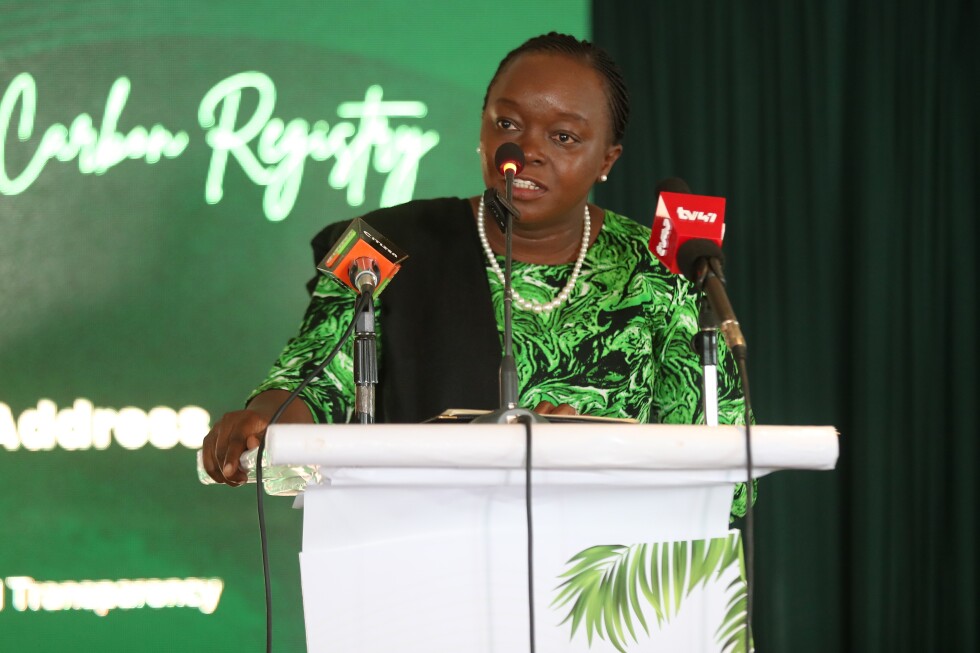
    Cabinet Secretary for Environment, Climate Change and Forestry Deborah Mlongo declared, “Today marks a transformative moment in carbon market governance. This registry signals to international investors and the global community that Kenya is prepared to engage in carbon markets with unprecedented transparency, robust integrity, and strong regulatory oversight.”

    The registry will provide a standardized national accounting system aligned with international protocols, recording project approvals, tracking emissions reductions, and authorizing credit transfers. This infrastructure will enable Kenya to comply with international carbon trading regulations governing the transfer of emissions reductions between countries without duplicate counting.

    Government officials reported substantial interest from developers and investors, with over 80 carbon project concept notes already submitted for consideration. Special Climate Envoy Ali Mohamed emphasized that “this registry establishes the foundational architecture for an efficient market ecosystem, enabling comprehensive project monitoring, credit issuance, and corresponding adjustments that reinforce Kenya’s credibility as a serious carbon market jurisdiction.”

    The Kenyan government projects that carbon markets could generate significant investment inflows while simultaneously supporting conservation efforts, job creation, and sustainable development objectives. Environment Principal Secretary Festus Ng’eno emphasized the system’s design prioritizes equitable benefit distribution between communities and investors, particularly recognizing those who conserve and protect forest resources.

    Technical and financial support for the registry has been provided by Germany through its development agency GIZ, which recently announced an additional €2.4 million ($2.6 million) to enhance Kenya’s carbon market readiness. The registry is anticipated to become fully operational within the current year, incorporating a forestry carbon registry launched previously to support Kenya’s ambitious national tree-growing program.

  • Bangladesh’s new prime minister is sworn in after his party’s landslide election win

    Bangladesh’s new prime minister is sworn in after his party’s landslide election win

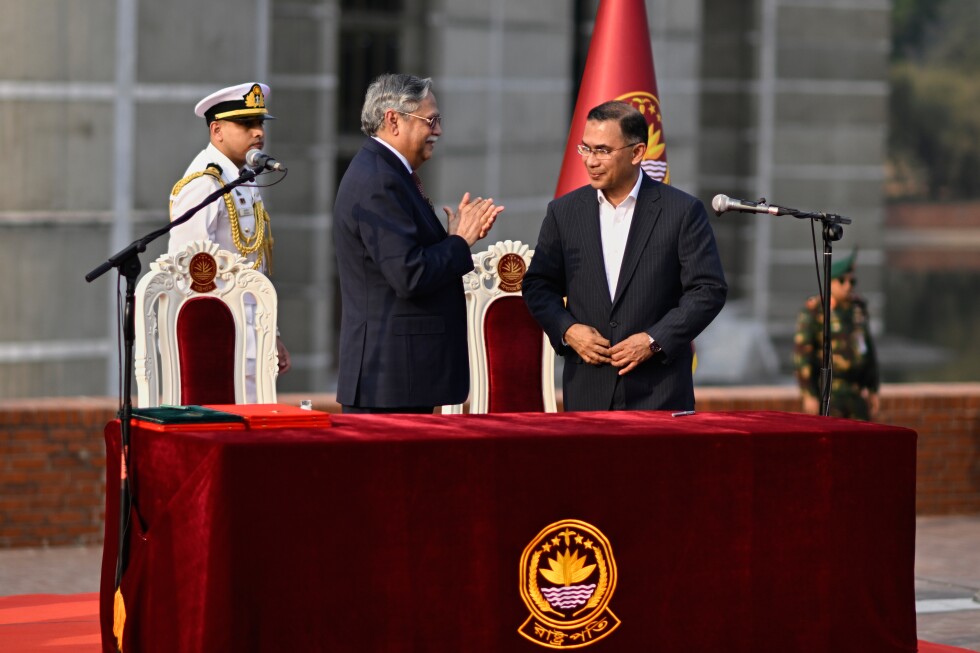
    DHAKA, Bangladesh — Tarique Rahman assumed office as Bangladesh’s Prime Minister on Tuesday following a decisive electoral victory that marks a significant political transformation for the nation. The parliamentary elections, the first since the substantial 2024 uprising, were widely regarded as pivotal for reshaping the country’s governance framework after prolonged political conflicts and contested electoral processes.

    President Mohammed Shahabuddin officiated the swearing-in ceremony, which also included dozens of cabinet members and government officials. Rahman, 60, represents a generational shift in Bangladeshi politics as the first male prime minister in 35 years, breaking the continuous leadership of either his mother, former Prime Minister Khaleda Zia, or her political rival Sheikh Hasina since the restoration of democracy in 1991.

    The Bangladesh Nationalist Party (BNP) and its coalition partners secured a commanding majority with 212 seats in the 350-member Parliament. An eleven-party alliance led by Jamaat-e-Islami, the country’s predominant Islamist party, captured 77 seats to form the official opposition. Notably, the National Citizen Party (NCP)—established by student leaders who spearheaded the 2024 uprising—obtained six seats within this alliance.

    The electoral process was supervised by an interim government headed by Nobel Peace Prize laureate Muhammad Yunus, who assumed power following Hasina’s ousting. International observers characterized the voting as predominantly peaceful and acceptable, despite controversies surrounding the exclusion of Hasina’s Bangladesh Awami League, which was prohibited from participation by the interim administration.

    Complications emerged during the swearing-in proceedings as BNP lawmakers declined to take a secondary oath for a proposed Constitutional Reform Council. This council stems from a referendum conducted concurrently with the election, which approved constitutional amendments including prime ministerial term limits, enhanced executive power checks, and safeguards against parliamentary power consolidation. Jamaat-e-Islami and allied lawmakers participated in the second oath, indicating potential parliamentary complexities ahead.

    From exile in India, where she has resided since August 2024, Hasina denounced the election as unjust toward her party, which remains a significant political force despite its exclusion. Hasina faces a death sentence in Bangladesh for crimes against humanity related to uprising casualties—charges she dismisses as proceedings of a ‘kangaroo court.’

    The ceremony attracted international attention with dignitaries from Maldives, Bhutan, India, Nepal, and Sri Lanka in attendance, signaling regional interest in Bangladesh’s political evolution.

  • ‘Becoming Chinese’ in Weifang this Spring Festival

    ‘Becoming Chinese’ in Weifang this Spring Festival

    The ancient city of Weifang in Shandong Province became a vibrant cultural crossroads during this year’s Spring Festival celebrations as international students immersed themselves in authentic Chinese traditions. Visitors from abroad enthusiastically participated in yangko dancing, calligraphy sessions writing the character ‘fu’ (blessing), and hands-on experiences with intangible cultural heritage crafts including copper rubbing and intricate paper-cutting techniques.

    Meanwhile, Weifang’s cultural influence continues to expand globally through strategic international exchanges. Students from Qingzhou have successfully transported Chinese cultural traditions to Malaysia through cultural demonstrations, while the city of Anqiu has maintained a remarkable four-year streak of presenting Spring Festival greetings at Germany’s premier Spring Festival gala celebrations.

    The cultural fusion continues digitally through the innovative ‘AI Broadcast: Weifang Weekly Insights’ program, featuring virtual anchor Douglas, which provides comprehensive coverage of these cross-cultural festive experiences. This multimedia approach offers global audiences an intimate look at how traditional Chinese customs are being preserved, shared, and reinvented through international participation.

  • Jesse Jackson: Veteran civil rights leader who helped reshape America

    Jesse Jackson: Veteran civil rights leader who helped reshape America

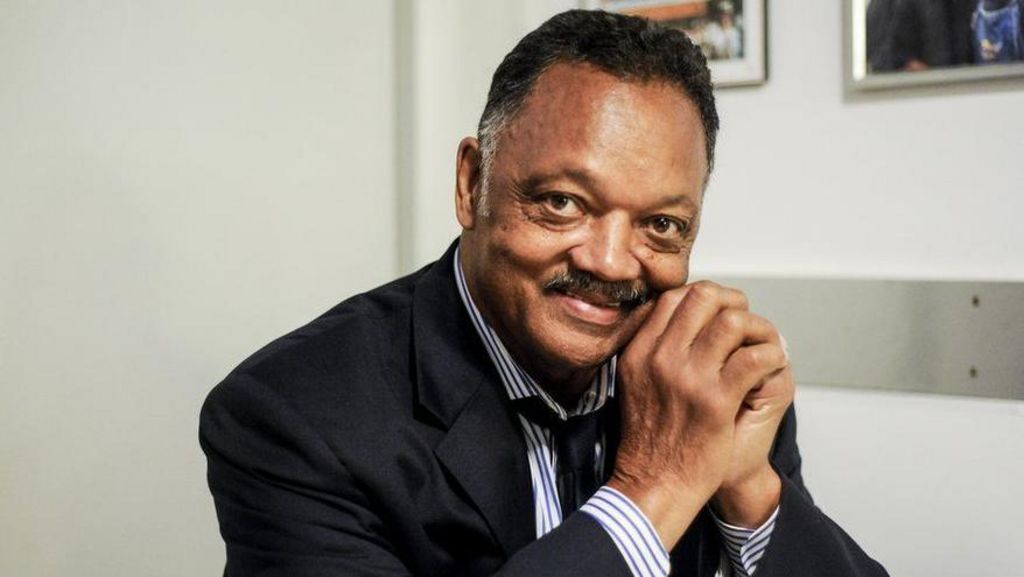
    Reverend Jesse Jackson, the iconic civil rights leader who transformed American political landscapes, emerged as the pioneering African-American figure to bridge activism with mainstream presidential politics. Born Jesse Louis Burns in 1941 South Carolina to a teenage mother, Jackson’s upbringing in segregation-era America shaped his lifelong commitment to racial justice. As a protégé of Martin Luther King Jr., he witnessed King’s assassination in 1968—a pivotal moment that propelled him into national leadership.

    Jackson’s political revolution began with Operation Breadbasket, evolving into Operation PUSH (People United to Serve Humanity), where he championed economic justice and affirmative action. His groundbreaking 1984 and 1988 presidential campaigns shattered racial barriers, introducing the transformative concept of a “Rainbow Coalition”—a multicultural alliance advocating for progressive policies including universal healthcare and workers’ rights. Though unsuccessful in securing the nomination, Jackson demonstrated unprecedented electoral viability for Black candidates, ultimately garnering nearly 7 million votes in 1988.

    His legacy faced complexities through later years, including personal scandals and health challenges following his 2017 Parkinson’s diagnosis. Yet Jackson’s enduring impact manifested visibly when he wept at Barack Obama’s 2008 victory—a direct testament to his trailblazing work. In 2024, despite physical limitations, he appeared at the Democratic convention celebrating Kamala Harris’s nomination, receiving tributes from leaders acknowledging his foundational role in creating opportunities for diverse political leadership.

    Jackson’s philosophy transcended pure racial discourse, emphasizing class solidarity and intersectional justice that continues influencing progressive movements today. His oratorical brilliance, encapsulated in the enduring mantra “keep hope alive,” inspired generations of activists and politicians who followed his path toward a more inclusive democracy.