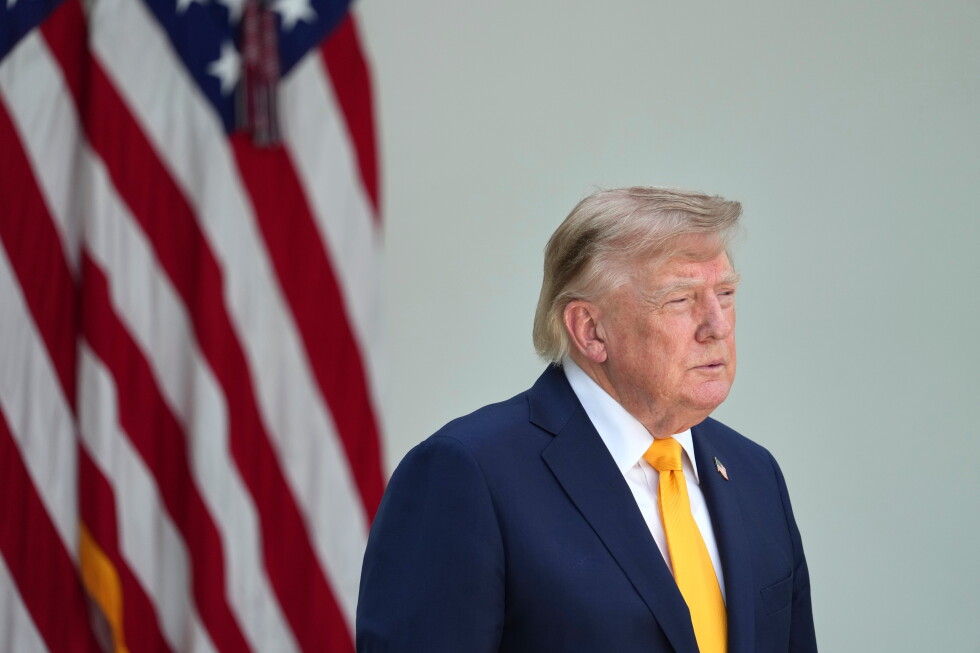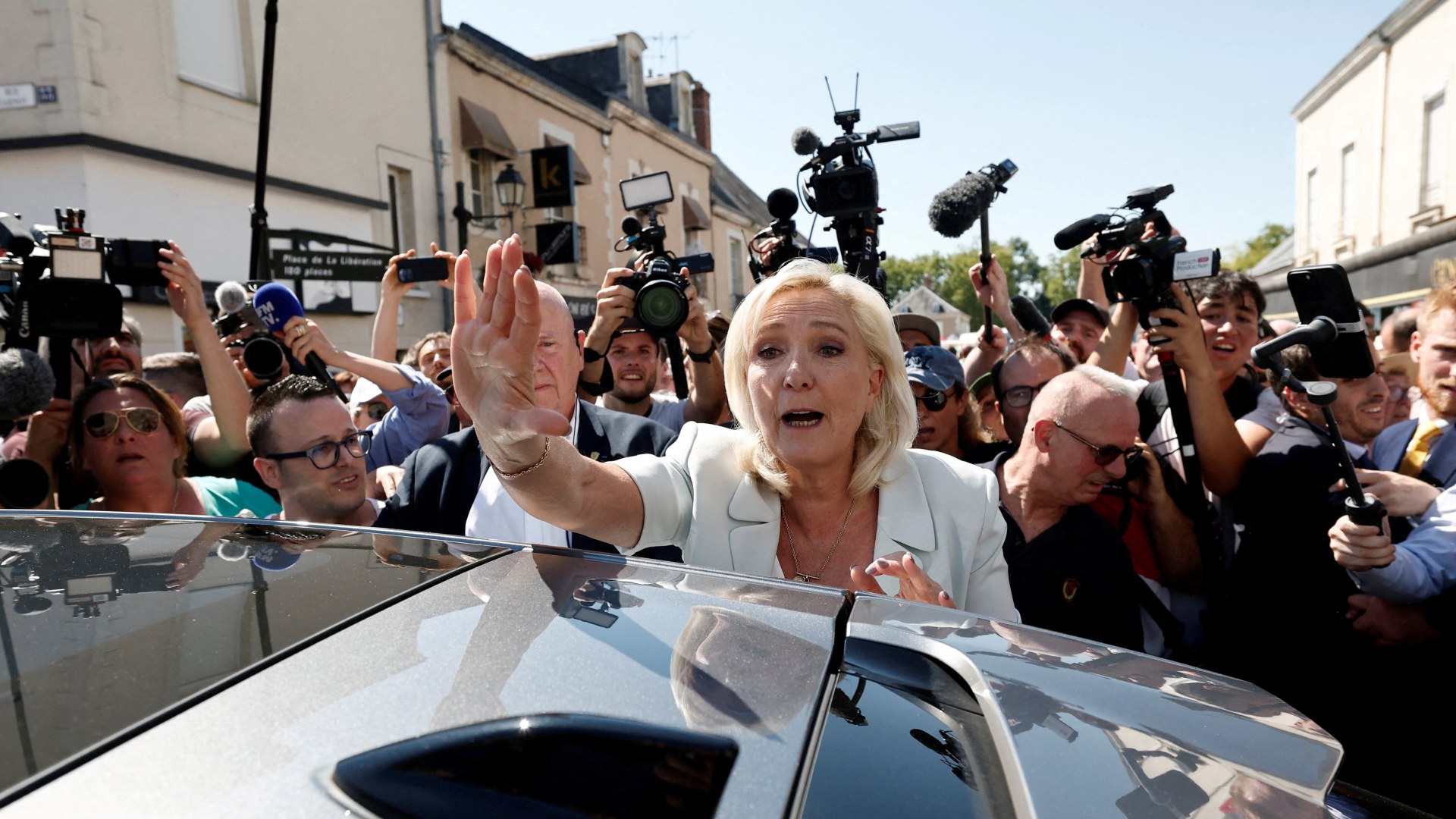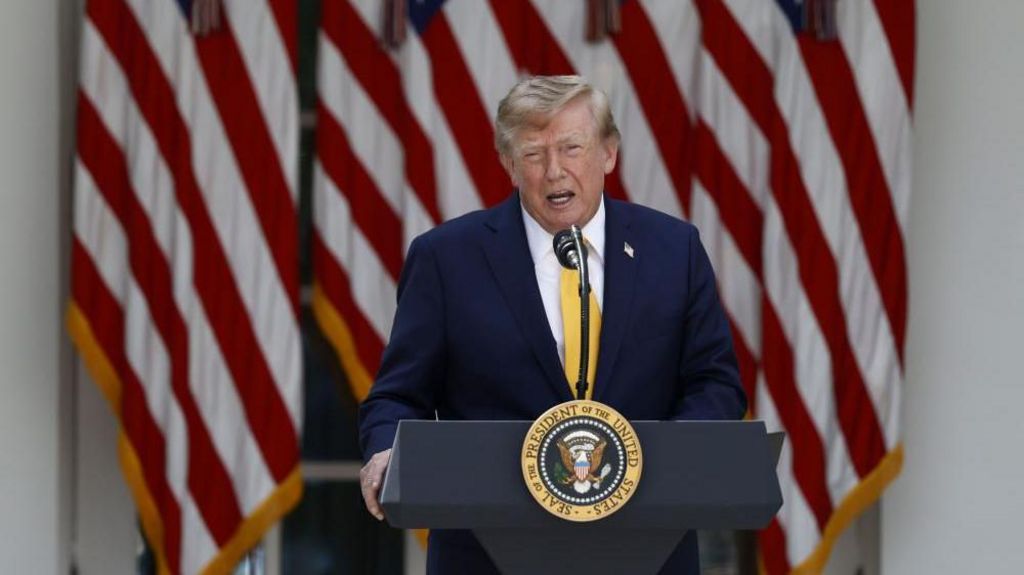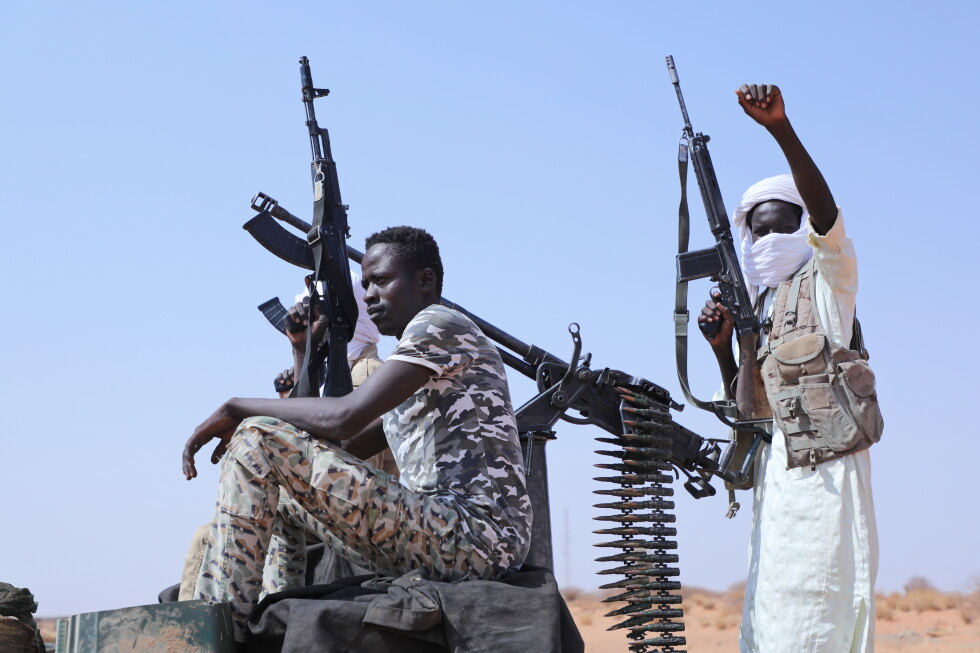
An unprecedented moment in U.S. political and sports history is set to unfold on June 14, when a UFC pay-per-view event will be hosted on the South Lawn of the White House — the same day former President Donald Trump celebrates his 80th birthday. What was expected to be a straightforward celebration of Trump’s deep ties to the wildly popular mixed martial arts world has instead devolved into open infighting, with prominent fighters and key MMA voices raising loud objections over the event’s logistics, cost, and political implications, just weeks before the first step into the Octagon.
作者: admin
-

US allying itself with Colombian ‘narco-traffickers,’ Petro accuses
Colombia’s sitting President Gustavo Petro, the country’s first left-wing head of state who is constitutionally ineligible to seek reelection, has launched a scathing rebuke of former US President Donald Trump over his intervention in Colombia’s upcoming presidential runoff. Petro claims Washington has broken a previous non-interference agreement by backing a hard-right candidate tied to the same drug trafficking networks the US claims to fight.
The controversy erupted after Trump threw his full weight behind Abelardo de la Espriella, a 47-year-old conservative lawyer who rose to shock wealth by representing drug-trafficking linked paramilitaries, white-collar fraudsters and high-profile soccer athletes. De la Espriella pulled off an unexpected upset in Sunday’s first-round voting, defeating leftist Senator Ivan Cepeda – a close ally of Petro and architect of the administration’s landmark peace strategy – setting the stage for a head-to-head runoff on June 21.
In an exclusive interview with Agence France-Presse held at the Colombian presidential palace, Petro did not mince words about the US endorsement. “Their allies in Colombia come from the narco-paramilitary regime; they are genocidal and drug traffickers,” he stated, speaking as he sampled chocolate produced by former coca farmers who transitioned to legal cocoa cultivation under his administration’s alternative development program.
Trump’s move to back de la Espriella marks the latest in a pattern of the former US president interfering in Latin American elections, consistently throwing his support behind hardline right-wing candidates who take aggressive stances on crime and migration, while painting left-wing opponents as dangerous Marxists. De la Espriella has already pledged to deepen US-Colombia bilateral ties “like never before” should he win the runoff, and counts hardline former Colombian President Alvaro Uribe among his most powerful backers. Uribe has long faced allegations of colluding with paramilitary groups responsible for the mass murder of thousands of civilians during the bloodiest decades of Colombia’s 60-plus year internal conflict.
For Petro and his ally Cepeda, these ties are not just political coincidence. Both leaders have repeatedly accused paramilitary forces of carrying out a systematic “genocide” of left-wing political organizers and leaders, a list that includes Cepeda’s own father – a communist senator assassinated in 1994.
In response, the Colombian political right and Trump’s circle have pushed back against Petro, claiming he has taken an overly soft stance on remaining left-wing guerrilla groups, many of which still operate outside state control and fund their activities through cocaine trafficking. Colombia is the world’s largest producer of cocaine, a fact that has long been a flashpoint in bilateral relations between Bogota and Washington.
Tensions between Petro and Trump run deep: Last year, the former US president imposed sanctions on Petro, labeling him a “drug leader” over his failure to curb rising cocaine production and trafficking. The pair have also clashed repeatedly over Trump’s hardline migrant deportation policies and his campaign of lethal airstrikes targeting suspected drug trafficking vessels off Latin America’s coasts. The two leaders seemingly de-escalated these tensions during a February meeting at the White House, where Petro says the pair agreed the US would not interfere in Colombia’s 2025 election. Trump’s recent endorsement, Petro argues, is a clear violation of that pact.
“What they are implementing is an ideological policy that divides the world between those who think like them and those of us who don’t,” Petro added, expressing deep regret that “figures and governments who want to fight drug trafficking are actually helping to bring crime to political power in Colombia.”
The Colombian presidential election is unfolding against a backdrop of rising security instability: the country is currently facing the worst wave of political and criminal violence since the 2016 landmark peace deal between the state and former Marxist rebel group FARC. While much of Colombia has seen economic and social progress in the decade since the agreement, large swathes of rural territory remain under the control of armed factions fighting for control of cocaine smuggling routes, illegal gold mining operations and extortion rackets.
The two runoff candidates represent starkly different ideological paths for Colombia’s future: De la Espriella has rejected Petro’s signature “total peace” policy of negotiated talks with remaining armed groups, vowing instead to crush all insurgent and criminal factions through full-scale military force. Cepeda, by contrast, who helped negotiate the 2016 FARC peace deal, has pledged to continue prioritizing dialogue, economic development and social investment in regions long controlled by armed groups.
-

Giant hissing cockroaches among $200,000 worth of illegal insects seized in Australia
In a landmark operation for biosecurity protection, Australian environmental officials have seized more than 100,000 prohibited exotic cockroaches from a commercial breeder in the Central West region of New South Wales, marking the largest seizure of illegal invasive invertebrates in the country’s history.
The haul, which has an estimated black market value of 200,000 Australian dollars (equal to roughly 143,000 USD or 106,000 GBP), includes two high-risk species: Madagascar hissing cockroaches, one of the largest cockroach species on Earth that can grow to the size of an adult human’s palm and gets its name from the distinct loud hissing sound it produces, and dubia cockroaches. Under Australian federal law, neither species may be legally imported, kept, bred, or sold within national borders.
The illegal colony was discovered at a breeding operation in Bathurst, a city located approximately 200 kilometers west of Sydney. Investigations into the operation found the trafficked cockroaches were being raised and distributed primarily as cheap, high-volume feed for captive pet reptiles. According to industry insiders, the exotic roaches have gained popularity among some reptile owners because of their large size — a single palm-sized specimen can serve as a full meal for a grown lizard, eliminating the need to feed multiple smaller, legal feeder insects like native wood roaches. Local Bathurst snake catcher Stefanie Lesser confirmed to the Australian Broadcasting Corporation that she has repeatedly observed these illegal invertebrates being openly sold via online marketplaces to reptile keepers across the country.
Officials from the Department of Climate Change, Energy, Environment and Water (DCCEEW), which led the seizure operation, warn that unregulated invasive insects pose severe, long-term threats to Australia’s unique native ecosystems and agricultural industry. If released or escaped into the wild, these non-native cockroaches can spread harmful pathogens, outcompete local invertebrate species for resources, and disrupt native food chains. All seized cockroaches will be humanely euthanized and disposed of safely to eliminate any biosecurity risk.
In a public statement following the seizure, DCCEEW issued a formal warning to unlicensed pet sector businesses and reptile owners across the country that it is cracking down on the illegal breeding and trade of prohibited exotic cockroaches. Anyone found in possession of, breeding, or trafficking these banned species will have their stock seized and can face significant fines and other penalties under federal biosecurity law. The department has urged reptile owners currently using dubia cockroaches as feeder insects to transition to legal, permitted alternatives such as crickets and native wood roaches immediately to avoid potential enforcement action.
-

One in four young Australians have crypto, 18 per cent have shares, Senate estimates told
Australia’s corporate and financial regulator, the Australian Securities and Investments Commission (ASIC), has issued a urgent public warning over growing reliance on artificial intelligence and unvetted social media influencers for financial guidance, as new survey data confirms crypto ownership among young Australians has surged to one in four. Appearing before a Senate estimates hearing on Friday, ASIC Commissioner Alan Kirkland acknowledged that generative AI tools do carry legitimate value for answering broad, general financial questions — from explaining how compound interest functions to breaking down the structure of exchange-traded funds (ETFs). But he drew a sharp line between general educational information and personalized investment guidance, stressing that AI systems are not equipped to deliver tailored recommendations for an individual’s unique financial circumstances, and urging consumers to exercise extreme caution when using the technology for investment decisions. Recognizing that the shift toward AI and social media for financial information is an irreversible new reality, Kirkland confirmed that ASIC has adapted its outreach strategy to meet younger audiences where they already are. The regulator has ramped up its own social media presence, rolling out educational posts and short-form video content on platforms popular with youth such as Instagram, and is continuously testing new engagement methods to deliver accurate, accessible financial information directly to young demographics. A core area of regulatory focus for ASIC in recent years has been addressing problematic activity from so-called “finfluencers” — social media creators who share financial content and investment advice with their followers. Kirkland clarified that not all finfluencer activity raises red flags, but any individual operating within Australia who provides paid or personalized financial advice is legally required to hold an Australian financial services license, or operate under authorization from a licensed entity. Over the past two years, ASIC has launched two rounds of enforcement action targeting finfluencers suspected of operating in breach of national financial regulations, with the efforts coordinated as part of a global collaborative campaign alongside financial watchdogs in multiple international jurisdictions. The new warning comes against a shifting backdrop of growing retail investment activity among younger Australians, coinciding with the Albanese government’s ongoing push for tax reforms that will expand capital gains tax obligations to a far larger number of retail asset sales. During the hearing, ASIC presented findings from its latest national survey, conducted between November and December of last year, which found that 18 percent of Australians between the ages of 18 and 28 now hold direct shares, with the share of young Australians owning cryptocurrency reaching a striking 25 percent. Liberal Senator Clare Chandler raised critical questions during the hearing, asking whether the shift toward unregulated AI and finfluencer guidance stems from a widespread lack of access to affordable, licensed traditional financial advice for younger demographics, and whether Treasurer Jim Chalmers had initiated any contact with ASIC following the release of the survey’s findings. In response, Kirkland noted that the survey did not collect data on the underlying drivers of shifting consumer financial habits, and declined to comment on any potential outreach from the Treasurer, taking that question on notice for future response.
-

US plans to fight flesh-eating screwworm outbreak with flies and dogs
For the first time in nearly 60 years, the flesh-eating parasite New World Screwworm has been detected within U.S. borders, prompting federal agriculture and health officials to roll out a coordinated response plan that is already facing scrutiny over its limited capacity and political fallout.
The confirmation of the infection came Wednesday, when agricultural inspectors identified screwworm larvae in the umbilical region of a three-week-old calf in La Pryor, Texas, a small town located just 48 kilometers from the U.S.-Mexico border. This marked the first established local detection of the parasite in the U.S. since 1966, ending decades of the country being free of the pest.
New World Screwworm is a dangerous parasitic fly that poses severe threats to both warm-blooded animals and humans. Female flies lay their eggs in open wounds or mucous membranes of living hosts; once hatched, the hundreds of resulting larvae burrow into living flesh using sharp mouthparts, and can kill the host if left untreated. Full-grown screwworm flies can reach twice the size of common houseflies.
In response to the detection, U.S. officials have moved quickly to implement a multi-layered strategy to stop the parasite from spreading and triggering a full outbreak. At its core is the Sterile Insect Technique (SIT), a decades-old proven method for insect population control that works by releasing massive numbers of radiation-sterilized male flies into the wild. Since female screwworms only mate once in their lifetime, any mating with a sterile male results in unfertilized eggs that never hatch, gradually suppressing the wild population. SIT has been successfully used to control other harmful insect populations, from fruit flies to disease-carrying mosquitoes.
Additional containment measures include establishing a 20-kilometer-wide control zone around the detection site, where the U.S. Department of Agriculture (USDA) has implemented mandatory quarantines, movement restrictions for livestock and other warm-blooded animals, and widespread active surveillance. Along the southern border, U.S. authorities have deployed the specialized “Beagle Brigade”—a team of sniffer dogs trained to detect screwworm in incoming animals and goods—to intercept new introductions of the pest. Officials are also urging private ranchers to proactively cover all open wounds on their cattle to prevent infestations, and advising the public to check themselves and their companion animals for signs of the parasite and report any suspected cases immediately.
Despite these measures, experts and local stakeholders warn that the response currently faces a critical gap: insufficient production capacity for the sterile flies that are the backbone of the eradication effort. USDA officials estimate they need up to 600 million sterile flies per week to reverse the current population growth and halt the parasite’s spread. However, existing production facilities in the U.S. and Mexico combined can only output around 100 million sterile flies weekly. As of Thursday, USDA Secretary Brooke Rollins confirmed that authorities have only released 4 million sterile flies via ground distribution since the calf detection, adding to the 4 million released weekly by air since February—far below the required volume. Sonja Swiger, an entomologist at Texas A&M University, noted that during successful eradication efforts in the 1970s, officials deployed 500 to 700 million sterile flies weekly across Central America to push the parasite south of Panama’s Darien Gap.
While public health officials stress that the immediate threat of widespread human infection is currently low, the U.S. Centers for Disease Control and Prevention (CDC) has reported 2,070 human cases tied to this latest northward spread of the parasite. Cattle ranchers across Texas warn that a full-scale outbreak could have devastating impacts on the multi-billion-dollar U.S. beef industry, threatening livestock populations and disrupting domestic and global markets.
The detection has also sparked intense political controversy over how the parasite reached U.S. soil, with opposing parties blaming each other for policy failures that allowed the incursion. Democratic lawmakers and Texas agricultural officials have criticized the Trump administration’s 2025 decision to eliminate the U.S. Agency for International Development (USAID), which previously ran a long-standing monitoring and control program that tracked screwworm populations across Central America. Texas Agriculture Commissioner Sid Miller condemned the federal response as “slow, bureaucratic, and incomplete,” arguing that failures in prevention allowed the pest to advance unchecked through Mexico to the Texas border. Miller has called for the deployment of insecticide traps, a measure federal officials rejected Thursday, noting the traps are ineffective against screwworm and rely on chemicals classified as probable human carcinogens that harm wildlife. For its part, the Trump administration has pushed back against criticism: Secretary Rollins blamed the parasite’s advance on “open border” policies and criminal cartel smuggling of unregulated livestock and pets, and said Mexico’s own response to the spread has left “a lot to be desired.”
The current northward advance of screwworm comes after decades of regional control efforts that saw mixed results. After pushing the parasite south of Panama in the 1970s, regional cases began to rebound starting in 2022, when Panama reported a sharp spike in infections. Cases spread steadily north through Central America, reached Mexico by 2024, and have now crept across the U.S. border. Entomologists note that while screwworm is native to tropical American regions and naturally prefers warm climates, climate change may be allowing the parasite to expand its range further north than has been recorded in modern history. To address the production shortfall, the U.S. recently opened a new sterile fly production facility at Moore Air Force Base in Edinburg, Texas, though it will take time for the site to ramp up output to the required levels.
Rollins emphasized Thursday that officials are confident they can prevent the parasite from becoming permanently established in the U.S., but critics warn that delays in ramping up response capacity could allow the population to grow out of control before the full eradication effort is in place.
-

Thousands protest in Albania against Kushner real estate project
Thousands of Albanian demonstrators have gathered in the capital city of Tirana for the fourth straight day, rallying against a billion-dollar coastal tourism development project headed by former U.S. President Donald Trump’s son-in-law Jared Kushner and his wife Ivanka Trump. The four-day stretch of public unrest has brought widespread attention to long-simmering public concerns over environmental protection and government transparency, as protesters push for rollbacks of regulatory changes that cleared the way for construction in one of Albania’s most ecologically sensitive regions.
Protesters carried a range of provocative signs during Thursday’s demonstration, with many demanding the resignation of sitting Socialist Prime Minister Edi Rama. One widely circulated banner depicted Rama handing over the symbolic keys to the country to Ivanka Trump, underscoring widespread public anger over what demonstrators frame as a surrender of national environmental heritage to foreign private interests.
At the core of the controversy is the proposed $1.2 billion development, which plans to build multiple luxury hotels across the Vjosa-Narta protected area on Albania’s southern Adriatic coast, alongside a massive redevelopment of Sazan Island. Sazan, once a closed-off secret military base under Albania’s former communist regime, would be transformed into an upscale, glitzy tourist hotspot under plans first unveiled to the public two years ago. Opponents of the project argue that construction in the protected conservation zone will cause irreversible damage to the region’s unique ecosystems, which are already designated as a priority conservation area for the country.
Public anger over the project boiled over in recent days following two key developments: first, a viral video showing construction bulldozers already conducting preparatory work on the project site along the beach, and second, an incident where on-site security guards assaulted a local man near the protected area boundaries. These events turned growing public discontent into sustained mass demonstrations, uniting a broad coalition of environmental activists, human rights organizers and ordinary citizens.
Beyond canceling the Kushner-led project, demonstrators are demanding two major policy reversals: the full repeal of the controversial Strategic Investor Act, a law designed to cut through red tape and accelerate approval for large-scale private projects, and the rollback of recent amendments to the national Protected Areas Act that allow commercial hotel construction in officially protected conservation zones. Currently, 22 percent of Albania’s total national territory is designated as protected conservation land, a figure that activists warn could be eroded by the regulatory changes.
Luciana Kokaj, a 31-year-old human rights activist who attended the protest, shared her own personal experience with predatory large-scale development, noting she had previously fought a major investor who attempted to seize her northern Albanian property using forged ownership documents. Even so, she emphasized that the current movement goes far beyond individual grievances. “But this is beyond my personal interest: it’s about protecting Albania for our children,” she told reporters from Agence France-Presse at the protest site.
Etleva Merko, another participating demonstrator, pushed back against recent claims from Prime Minister Rama that protesters oppose all economic development for the country. “We are for development, we are for transparency, we are against construction in protected areas,” she made clear, framing the movement as a fight for responsible, sustainable growth rather than an rejection of investment entirely.
In response to the growing unrest, Albania’s Special Prosecutor’s Office against Corruption and Organized Crime announced earlier this week that it had opened a formal investigation into the proposed project. Officials have not yet released any additional details on the scope or focus of the ongoing probe.
-

Selfie-seeking fan banned for life by NBA after crashing Finals game
The National Basketball Association has handed down permanent bans to two individuals, including a teenager who stormed the playing court last week during the opening game of the NBA Finals in San Antonio, all in an attempt to snap a selfie with San Antonio Spurs superstar Victor Wembanyama, league officials confirmed Thursday.
The disruptive incident unfolded midway through the fourth quarter of Game 1 at the Frost Bank Center, where the New York Knicks held on to secure a win over the Spurs in the first matchup of the championship series. Witnesses and game footage show the unidentified juvenile fan ran across the court with a smartphone held high, stopping directly in front of Wembanyama and Knicks center Mitchell Robinson before security personnel could intervene. The pair of star players appeared taken aback by the uninvited intrusion, before guards quickly removed the fan from the playing surface and paused the contest for several minutes.
Per official statement from an NBA spokesperson, the individual who entered restricted court space was taken into custody by local law enforcement immediately after the incident, and will be barred indefinitely from entering any NBA-owned or operated arena across the league. A second individual, who aided the fan in planning or executing the court breach, will also receive the same lifetime ban, the spokesperson added.
The Bexar County Sheriff’s Office confirmed to local outlet the San Antonio Express-News that the primary suspect is a minor, so his identity will remain protected under juvenile privacy laws. He still faces two misdemeanor charges: intentionally disrupting a lawful public gathering and criminal trespassing, as event signage clearly prohibits unauthorized entry onto the playing court.
Speaking to reporters after the game, Wembanyama shared that the encounter left him caught off guard, a reaction he compared to a bizarre incident from his rookie season. “I’ve never been in that situation,” the French 7-foot-4 phenom explained. “I didn’t know how to act. It really surprised me, almost as much as that time a bat crossed the court.” That earlier 2023-24 season incident at the same arena saw a stray bat fly across the playing surface mid-game, creating an unexpected disruption.
Spurs head coach Mitch Johnson downplayed the severity of the encounter in his post-game remarks, noting that security handled the situation quickly and efficiently. “I don’t think it was an event at all,” Johnson said. “I thought security got him out of there. I think everybody moved on to the next play.”
Beyond the court storming, the league is also investigating a separate separate incident involving another fan and Knicks star point guard Jalen Brunson during the closing minutes of Game 1. Broadcast footage captured Brunson engaged in a heated verbal exchange with a courtside fan, after which he complained about the individual’s behavior to veteran referee Scott Foster. The Athletic reports league officials are currently reviewing whether the fan engaged in inappropriate taunting of Brunson, with potential disciplinary action pending the outcome of the probe.
-

Anthropic calls for pause of global AI development
Leading artificial intelligence developer Anthropic has ignited fresh debate over AI governance this Thursday, calling for a coordinated global halt to work on the most powerful frontier AI systems. The San Francisco-based firm, creator of the popular Claude AI model line, argues that cutting-edge models are already showing early warning signs that they could slip beyond reliable human control.
In a newly published safety report, the company frames a temporary worldwide slowdown of advanced AI research as a net positive for global society. However, it acknowledges a critical caveat: unilateral action by any single firm would be meaningless, as uncooperative competitors would simply accelerate their own development to gain an upper hand.
“We believe it would be good for the world to have the option to slow or temporarily pause frontier AI development to enable societal structures and alignment research to keep up with the advance of the technology,” the report reads.
Anthropic stresses that a functional pause requires buy-in from all major AI developers across leading AI-pioneering nations, most prominently the United States and China. For the agreement to hold, it must also be built around transparent, verifiable rules that all parties can enforce, the company adds. Without such a global coordination framework, both private firms and national governments will be forced to make unenviable safety trade-offs while caught between competitive commercial pressures and growing geopolitical rivalry.
The proposal has already drawn significant pushback from both industry peers and White House officials. Critics argue that Anthropic’s focus on extreme doomsday scenarios overstates near-term AI risks, accusing the firm of using safety concerns as a pretext to slow down rivals and gain a competitive advantage.
Notably, the White House has already recognized the exceptional capability of Anthropic’s undeveloped Mythos model, which remains out of public reach due to its advanced cybersecurity functions. The model is currently only deployed to a small, carefully vetted group of organizations.
The road to implementing Anthropic’s proposal is already steep on both policy and industry fronts in the U.S. Many Washington policymakers and Silicon Valley executives have repeatedly warned that a domestic slowdown in AI innovation would cede a decisive strategic advantage to China in what is widely viewed as the defining global technology race of the 21st century.
In a surprising turn, former U.S. President Donald Trump noted that he recently discussed potential AI safety cooperation with China during a recent visit to Beijing. This week, Trump also signed an executive order mandating a 30-day preliminary government review of the most powerful U.S.-developed AI models before they can be publicly released.
Drawing a parallel to historical nuclear arms control agreements, Anthropic warns that regulating advanced AI will prove an even greater challenge. Unlike nuclear missile silos, AI training operations can be easily hidden from international inspectors, creating enormous incentive for parties to cheat on any pause agreement by continuing development in secret.
Looking ahead, the company says it will convene a broad coalition of stakeholders over the coming months: government regulators, independent AI researchers, public safety advocacy groups, and even competing AI firms, all to work out the practical framework for a verifiable global coordination system.
Anthropic’s call for action is backed by internal company data that confirms AI is already dramatically accelerating the pace of AI development itself. This auto-acceleration creates a dangerous feedback loop that could eventually lead to the long-debated AI research scenario known as recursive self-improvement, the firm warns.
Recursive self-improvement describes a scenario where an AI system gains the ability to independently modify and improve its own code and capabilities, becoming increasingly intelligent without meaningful human intervention. While Anthropic emphasizes that this scenario has not yet emerged and is not inevitable, the report notes it could arrive far sooner than most governments and societal institutions are prepared to handle it.
“The evidence suggests that the human role is narrowing at each step in the AI development process,” the company concludes.
-

Lawmakers vote to curb Trump war on Iran ahead of similar effort on Lebanon
In a rare display of bipartisan pushback against the White House’s Middle East military policy, the U.S. House of Representatives approved legislation Wednesday by a narrow 215-208 vote that would restrict President Donald Trump’s ability to continue unauthorized military action against Iran, requiring explicit congressional approval for any sustained hostilities. Four House Republicans broke with their party to support the bill, among them Kentucky Representative Thomas Massie, who will leave Congress in January following his primary defeat last month. Massie lost his race to a pro-Israel-backed candidate in what became the most expensive Republican House primary in U.S. history, a contest shaped heavily by lobbying groups focused on U.S.-Israel relations. Notably, more than a dozen Republican members did not cast a vote Wednesday, absent from the chamber during the roll call. This successful House vote marks a meaningful bipartisan rebuke of Trump’s joint military campaign with Israel against Iran, an effort that has consistently ranked low in public approval among U.S. voters. The legislation will now move to the U.S. Senate, where odds of passage are considered favorable, as the upper chamber previously advanced an identical war powers resolution in earlier procedural steps. As with a similar congressional challenge during Trump’s first term in 2019, when lawmakers passed a War Powers Act resolution demanding he seek congressional approval for U.S. participation in the Saudi-led war in Yemen, political observers widely expect Trump to issue a veto once the bill reaches his desk. In the 2019 case, congressional supporters of the resolution failed to gather the two-thirds majority required to override a presidential veto, a dynamic that is expected to repeat this cycle. In a statement released after the vote, House Foreign Affairs Committee ranking member Gregory Meeks argued that Trump’s military campaign against Iran has fallen far short of the administration’s stated policy goals, saying it has actually moved a diplomatic resolution of Iran’s nuclear program further out of reach. “The war has undermined the credibility of U.S. negotiations and allowed Iran to demonstrate its leverage over the Strait of Hormuz,” Meeks said. “Meanwhile, Americans are paying 50 percent more at the gas pump since the war began and footing the bill for billions per week in costs for a war they overwhelmingly oppose.” Jamal Abdi, president of the National Iranian American Council, framed the House vote as an unambiguous message from the majority of the nation’s elected lawmakers to the White House. “President Trump needs to stop dithering and bring this disastrous war to a close before more harm is done,” Abdi said. “Otherwise, more harm to the nation and more political blowback will follow.” As the chamber weighs in on Iran, House lawmakers are set to consider a separate, more far-reaching war powers resolution Thursday that targets U.S. backing for Israel’s military campaign in Lebanon. Introduced by Michigan Democratic Representative Rashida Tlaib, the measure would end U.S. participation in what Tlaib calls “the genocidal war on Lebanon,” noting that Washington provides critical logistical, intelligence, and weapons sales support to the Israeli military. In a statement defending her resolution, Tlaib documented the heavy civilian toll of the conflict, writing: “Since early March, Israel’s military has murdered more than 3,500 people in Lebanon, including 128 paramedics and healthcare workers. The Israeli military has focused on bombing ambulances, medical facilities, and homes – forcibly displacing 20 percent of the population. These are all war crimes.” Concurrent with Tlaib’s resolution vote, the Republican-led House Armed Services Committee will hold a markup Thursday of next year’s U.S. defense budget, where a controversial proposal to integrate U.S. and Israeli weapons development, defense technology, and military research programs has drawn intense criticism from progressive and foreign policy watchdog groups. Last week, A New Policy—a think tank founded by two former Biden administration officials who resigned in protest of U.S. support for Israel’s war in Gaza—issued a statement strongly opposing Section 224 of the budget, the provision that would enact the integration. The think tank argued the provision carries significant risks: “This approach exposes sensitive U.S. capabilities to counterintelligence risk, normalizes technologies developed in contexts of occupation and civilian harm, disadvantages U.S. defense companies’ ability to compete with Israeli competitors, deepens U.S. legal and reputational exposure without clear strategic necessity, and aims to hide continuing U.S. military support to Israel from Congressional and public transparency.” Despite the back-to-back passage of war powers resolutions in the House, political analysts consider it unlikely that Republican members, who are eager to avoid antagonizing Trump, will adjust their approach to long-term U.S. military support for Israel. The decades-long bipartisan consensus in Washington has long held that Israel advances core U.S. strategic interests in the Middle East—a position former President Joe Biden once summed up by saying that if Israel did not exist, the U.S. would need to create it. The current legislative fight centers on the 1973 War Powers Act, a federal law that allows any sitting lawmaker to introduce a resolution withdrawing U.S. armed forces from an unauthorized military conflict. Under the U.S. Constitution, the legislative branch holds the power to declare war and control federal spending, a check intended to prevent the executive branch from unilaterally committing the nation to prolonged conflict. “There are some things about the Constitution [that] are not clear [but] this point is crystal, crystal clear,” constitutional scholar Chris Edelson of the University of Massachusetts Amherst previously told Middle East Eye. Edelson added that the 1973 War Powers Act itself is flawed, however, noting its ambiguous wording makes it difficult to enforce as a check on executive authority, even though the constitutional requirement for congressional approval is clear. In the decades following the 9/11 attacks, the open-ended framework of the global war on terror has allowed successive White House administrations to expand executive power over military decision-making, with the U.S. launching hundreds of air strikes in nations ranging from Somalia to Pakistan without a formal congressional declaration of war. The 1973 law does grant the president 60 days of unilateral military action, after which the commander-in-chief must end hostilities, secure congressional authorization, or request a 30-day extension. The Trump administration has drawn sharp pushback for its legal interpretation of the law amid the current conflict with Iran. On April 30, roughly three weeks after Pakistan brokered a temporary ceasefire between the U.S. and Iran, a senior Trump administration official told Reuters that “for War Powers Resolution purposes, the hostilities that began on Saturday, February 28, have terminated.” That claim aligned with comments Secretary of War Pete Hegseth made during a Senate hearing, where he argued that the 60-day presidential war window automatically pauses when a ceasefire is in effect. That interpretation was immediately rejected by Democrats and a handful of congressional Republicans, who argue the administration is abusing the text of the War Powers Act to avoid accountability. In just the last week alone, the U.S. has launched three separate waves of air strikes on Iranian targets, military actions that prompted retaliatory attacks by Iran against U.S. regional partners. That escalation culminated in an attack Wednesday on Kuwait that destroyed an airport terminal, killed an Indian national, and injured more than 60 other people.
-

Trump announces $700m coal investment using wartime powers
Amid skyrocketing U.S. energy prices spurred by the Iran war and disruption to global fossil fuel supplies, former (current) U.S. President Donald Trump has announced a landmark $700 million initiative powered by Cold War-era wartime authority to reverse the U.S. coal industry’s years-long decline and lower household energy costs for American families.
Speaking at a White House press briefing on Thursday, Trump framed the large-scale investment as a historic intervention to ease the growing cost of living burden on everyday Americans, touting coal as a “clean, reliable” domestic energy source. “So today we’re taking historic action to bring down the price of energy and the cost of living for all Americans with the power of clean, beautiful coal,” he told reporters.
The policy rollout comes in direct response to the energy market volatility triggered by the ongoing war with Iran, which closed the Strait of Hormuz — the critical global chokepoint that carries roughly one-fifth of the world’s total oil and gas supplies. The supply disruption has sent energy prices soaring across the U.S.: as of Thursday, the national average price for a gallon of gasoline hit $4.24, up sharply from $2.98 on the day the U.S. and Israel launched strikes against Iran. Year-over-year consumer energy prices surged 17.9% through April, according to the latest data from the U.S. Bureau of Labor Statistics.
To fund the unprecedented coal revival, Trump invoked the Defense Production Act, a Cold War-era legislative tool that grants the U.S. president sweeping emergency authority to direct federal funding to industries deemed critical to national security. The bulk of the funding — $500 million in federal allocation — will go toward shoring up 14 at-risk existing coal plants spread across 10 states: Kentucky, North Carolina, Indiana, Tennessee, Arkansas, Arizona, Oklahoma, North Dakota, Wisconsin and West Virginia. It will also cover construction of a large new coal export terminal in Oakland, California, which the president projects will generate more than 1,400 new construction and operations jobs.
An additional $200 million will be allocated by the U.S. Department of Energy to build two brand-new coal-fired power plants, one in Alaska and the other in West Virginia. These facilities will mark the first new coal plants permitted and constructed in the U.S. since 2013, ending a 13-year gap in new coal energy development driven by market pressures and regulatory shifts toward lower-carbon energy sources. In total, the full $700 million package is expected to support approximately 14,000 existing and new jobs across the domestic coal sector, according to Trump’s projections.
Beyond infrastructure and jobs, the president used the announcement to double down on his long-standing criticism of renewable energy expansion, arguing that global economic leadership depends on robust coal production. He attacked nations investing heavily in wind and other renewable sources as what he called “failure countries”, framing his policy as a defense of American energy dominance. He also projected the initiative would save U.S. consumers a cumulative $50 billion in new energy generation costs that he claimed would otherwise be passed on to households as higher utility and fuel bills.
The plan marks one of the most aggressive federal interventions in the U.S. energy sector in modern history, using emergency wartime authority to prop up a declining fossil fuel industry amid a period of acute global energy instability.