作者: admin

  • How Hollywood and Maga aligned over Warner Bros deal

    How Hollywood and Maga aligned over Warner Bros deal

    In a stunning reversal, streaming giant Netflix has abruptly terminated its proposed $82.7 billion acquisition of Warner Bros, capitulating to both financial pressures and mounting political opposition within the Trump administration. The deal’s collapse represents a significant victory for conservative critics and creates an unexpected alliance between Hollywood traditionalists and MAGA supporters.

    The termination emerged just one day after Netflix CEO Ted Sarandos met with Department of Justice officials and Attorney General Pam Bondi at the White House. While Netflix maintains the decision was purely financial—citing Paramount Skydance’s superior $111 billion offer—the meeting underscored the intense political scrutiny surrounding the proposed merger. The administration’s opposition had become increasingly vocal, with President Trump himself demanding Netflix dismiss board member Susan Rice, former National Security Advisor to Barack Obama, via his Truth Social platform.

    Conservative commentators, including far-right activist Laura Loomer and Senator Ted Cruz, had framed Netflix as a ‘woke’ corporation hostile to conservative values, particularly citing the company’s production deal with the Obamas’ Higher Ground Productions. This political pressure created a pincer movement alongside opposition from Hollywood figures like director James Cameron, who warned the merger would be ‘disastrous for the theatrical motion picture business.’

    The collapse clears the path for Paramount Skydance’s competing bid, which presents its own regulatory concerns. Unlike Netflix’s proposal to spin off Warner’s news assets including CNN, Paramount Skydance plans to acquire the entire company—potentially placing major news networks under control of Trump associates, given that Paramount Skydance leadership maintains ties to the former president.

  • New Zealand wins toss and bats in T20 World Cup game vs. England

    New Zealand wins toss and bats in T20 World Cup game vs. England

    In a crucial Super 8 showdown at Colombo’s R. Premadasa Stadium, New Zealand captain Mitchell Santner won the toss and opted to bat first against England in Friday’s T20 World Cup encounter. The strategic decision sets the stage for a high-stakes match that will determine semifinal qualifications from Group 2.

    With England already securing their semifinal berth through consecutive victories against Sri Lanka and Pakistan, New Zealand faces a must-win situation to claim the group’s second qualification spot. The match outcome carries significant implications for Pakistan’s tournament survival, who maintain mathematical possibilities of advancing should England triumph and they defeat Sri Lanka on Saturday.

    Team selections revealed tactical adjustments from both sides. New Zealand maintained consistency by fielding the identical lineup that delivered a commanding performance against Sri Lanka last Wednesday. England, meanwhile, strengthened their spin arsenal by recalling Rehan Ahmed as replacement for Jamie Overton, anticipating the pitch conditions at the Premadasa Stadium.

    The tournament’s Group 1 picture has already crystallized with South Africa securing advancement, while the second qualification spot remains contingent on the India versus West Indies outcome. This England-New Zealand clash represents one of the final pivotal matches before the knockout stage, with both teams bringing distinct strategic approaches to the crease.

    England’s lineup features captain Harry Brook leading a blend of explosive batting talent including Phil Salt and Jos Buttler, complemented by a diverse bowling attack. New Zealand counters with their own power hitters including Finn Allen and Rachin Ravindra, supported by the bowling variety of Ish Sodhi and Lockie Ferguson.

  • New sleeping sickness pill gets nod, paving the way for use in Africa

    New sleeping sickness pill gets nod, paving the way for use in Africa

    In a landmark decision poised to transform the fight against sleeping sickness, European drug regulators have officially endorsed a revolutionary single-dose treatment that could accelerate elimination efforts for the parasitic disease. The European Medicines Agency’s committee granted approval to acoziborole, developed by pharmaceutical giant Sanofi, marking a critical advancement in treating this neglected tropical disease predominantly affecting sub-Saharan Africa.

    The newly approved therapy represents a dramatic improvement over existing regimens that require complex 10-day hospital treatments and invasive spinal taps. Acoziborole’s three-pill, single-dose administration offers unprecedented accessibility for remote communities where the disease thrives. This simplified treatment protocol eliminates the need for spinal fluid analysis to determine infection stage, making widespread implementation feasible even in resource-limited settings.

    Sleeping sickness, scientifically known as human African trypanosomiasis, is transmitted through tsetse fly bites in rural Africa. The parasite causes neurological deterioration characterized by inverted sleep cycles, progressing to coma and death if untreated. Historically, treatments involved toxic medications and complex hospital stays, creating significant barriers for patients in isolated regions.

    Recent decades have witnessed remarkable progress against the disease, with reported cases dropping from over 10,000 in 2009 to fewer than 600 in 2024 for the most common strain. This decline stems from improved treatments developed in the early 2000s and sustained control efforts. The World Health Organization has established an ambitious target to halt transmission by 2030.

    Medical experts highlight the drug’s potential significance in the elimination campaign. Dr. Junior Matangila of the Drugs for Neglected Diseases initiative noted that ‘this disease is on the brink of elimination’ and that the new treatment could substantially accelerate progress. The development is particularly noteworthy as elimination might be achieved without a vaccine—a rare accomplishment in infectious disease control.

    However, researchers caution that challenges remain. Dr. Monica Mugnier of Johns Hopkins University acknowledged the treatment as a major improvement while emphasizing ongoing uncertainties about parasite reservoirs and undiagnosed cases. Sanofi has committed to donating doses to the WHO, ensuring the treatment reaches patients free of charge, with initial implementation expected in Congo before expanding to other affected nations.

  • Man appears in court charged with murder of English tourist

    Man appears in court charged with murder of English tourist

    A 22-year-old Dublin man now faces a murder charge in the death of Anthony Herron, an English tourist who succumbed to injuries sustained during an assault in Temple Bar last summer. Darragh O’Brien of Beechfield Heights, Clonee, initially faced charges of assault causing harm related to the August 21st incident at Temple Bar Square.

    The case took a significant turn on Friday when Dublin District Court upgraded the charges following authorization from the Director of Public Prosecutions. Gardaí confirmed that the assault charge was formally withdrawn, leaving murder as the sole indictment that will proceed to the Central Criminal Court.

    Court proceedings revealed that O’Brien remained silent when presented with the upgraded charge. Due to the severity of the murder accusation, bail applications must now be directed to the High Court rather than the district court level.

    The victim, Anthony Herron, a London resident in his 40s and a father, had just exited a local pub when the violent encounter occurred. Despite initial treatment at St James’s Hospital and subsequent emergency specialist surgery at Beaumont Hospital, Herron’s condition necessitated repatriation to the UK, where he ultimately passed away in October.

    Defense solicitor Holly Laher requested her client be remanded in custody to appear at Cloverhill District Court next Thursday. The court granted legal aid while prosecutors prepare to compile and serve the book of evidence necessary for trial proceedings.

  • Xi chairs CPC leadership meeting to discuss draft 15th Five-Year Plan, govt work report

    Xi chairs CPC leadership meeting to discuss draft 15th Five-Year Plan, govt work report

    Beijing’s top political leadership convened on Friday under the direction of Xi Jinping, General Secretary of the Communist Party of China Central Committee, to deliberate on two critical national documents. The high-level meeting of the Political Bureau examined the draft framework for China’s 15th Five-Year Plan, which will chart the country’s economic and social development trajectory from 2026 to 2030. Simultaneously, leaders reviewed the draft government work report that will be presented to the National People’s Congress during its upcoming annual legislative session.

    The gathering represents a crucial preparatory phase in China’s policy formulation process, where senior officials refine strategic priorities before presenting them for broader legislative consideration. These documents will establish China’s developmental objectives, policy directives, and implementation mechanisms for the latter half of this decade. The Five-Year Plan tradition, dating back to 1953, remains a cornerstone of China’s governance model, providing comprehensive roadmaps for national progress across economic, technological, environmental, and social dimensions.

    This meeting occurs against the backdrop of complex global economic conditions and China’s ongoing transition toward high-quality development. The forthcoming plan is expected to address contemporary challenges including technological self-reliance, sustainable development, and domestic consumption expansion. The government work report will simultaneously outline immediate policy measures and review previous achievements, creating a cohesive strategy that bridges near-term actions with long-term national aspirations.

  • Fight between Afghanistan and Pakistan escalates – but who started it depends on who you ask

    Fight between Afghanistan and Pakistan escalates – but who started it depends on who you ask

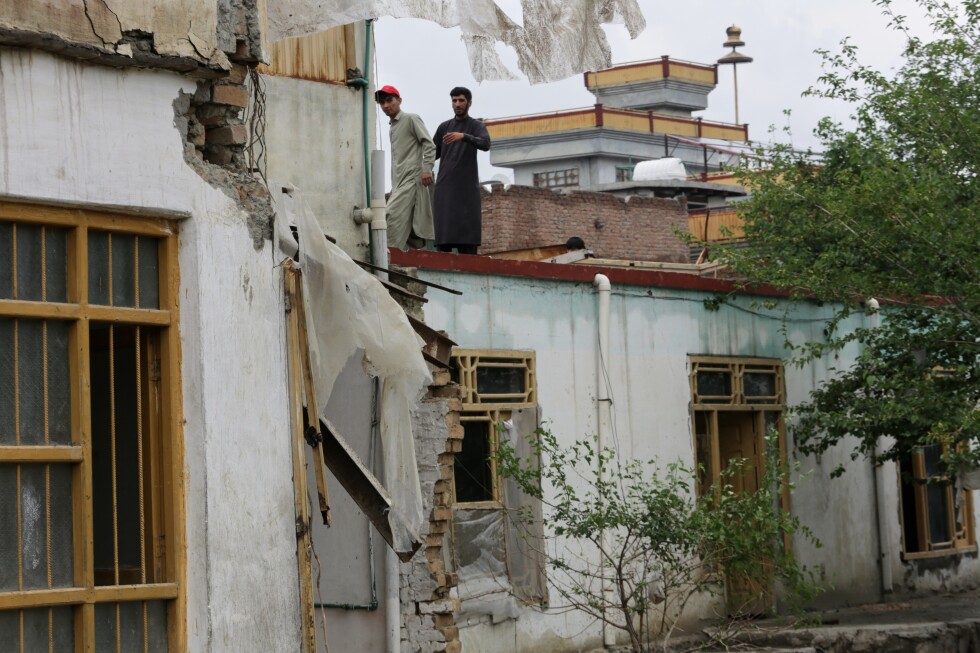
    Pakistan’s military has publicly released video evidence purporting to show airstrikes conducted against targets within Afghanistan’s capital city of Kabul, marking a significant intensification of hostilities between the neighboring nations. The nighttime assaults, which also targeted regions in Paktia and Kandahar provinces, triggered panic among residents of District 6 who reported structural vibrations and aerial activity during the attacks.

    This military escalation follows retaliatory ground operations conducted by Afghanistan’s Taliban government against Pakistani border positions earlier the same evening. Taliban authorities assert their offensive successfully captured multiple military posts and resulted in Pakistani soldier casualties, characterizing their actions as justified retaliation for prior Pakistani incursions that allegedly killed Afghan civilians, including women and children.

    Islamabad maintains a contradictory narrative, insisting its aerial campaigns exclusively target militant strongholds belonging to the Tehreek-i-Taliban Pakistan (TTP). Pakistani officials cite ‘conclusive evidence’ linking TTP to recent domestic terrorist attacks, including the Islamabad Shia mosque bombing that claimed over thirty lives. They further allege the Taliban government provides active support to TTP operatives planning cross-border assaults.

    The Taliban government consistently denies permitting its territory to be used against neighboring states, condemning Pakistan’s military actions as ‘unprovoked aggression’. This latest confrontation continues a pattern of border violence that peaked in October 2025, when previous mediation attempts by Qatar and Turkey produced only temporary ceasefires without resolving underlying tensions.

    Military analysts note the fundamental asymmetry between Pakistan’s conventional military superiority and the Taliban’s proven guerrilla warfare capabilities. While Pakistan commands advanced aircraft and defense technology, the Taliban government has demonstrated increasing drone warfare proficiency despite limited aerial capabilities. The conflict’s trajectory remains difficult to assess due to severely restricted media access and unreliable information from remote border regions.

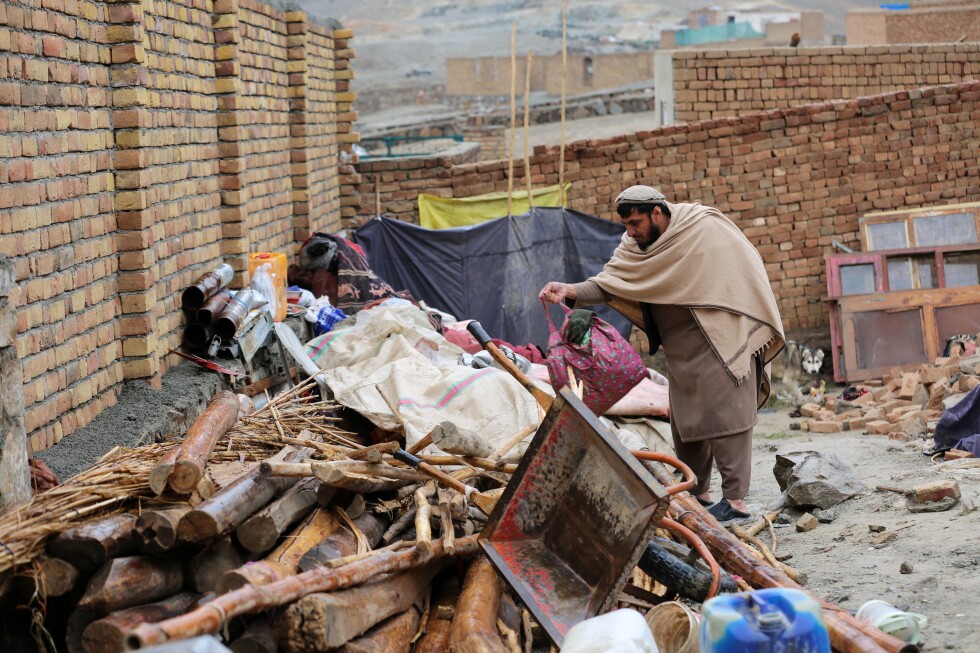
    The prolonged closure of bilateral trade routes since October 2025 has exacerbated humanitarian challenges within Afghanistan, where civilians already facing severe economic hardship now confront the renewed trauma of aerial bombardment after briefly experiencing post-2021 security.

  • Spanish opposition calls for disgraced ex-monarch to return from exile

    Spanish opposition calls for disgraced ex-monarch to return from exile

    Spain’s political landscape has been reignited by a controversial appeal from conservative opposition leader Alberto Núñez Feijóo, who has publicly advocated for the return of former monarch Juan Carlos from his self-imposed exile in the United Arab Emirates. The leader of the People’s Party (PP) asserted that despite the former king’s acknowledged transgressions, his pivotal role in Spain’s democratic transition nearly fifty years ago warrants his dignified return to spend his final years in his homeland.

    The 88-year-old former sovereign, who ascended to the throne following Francisco Franco’s death in 1975, played an instrumental role in guiding Spain toward parliamentary democracy. His decisive actions during the 1981 military coup attempt solidified his popularity for decades. However, his legacy was severely tarnished by subsequent scandals, including an extravagant elephant-hunting expedition during Spain’s economic crisis with his mistress Corinna zu Sayn-Wittgenstein-Sayn, followed by revelations of a $100 million payment from the late Saudi monarch and offshore accounts in Jersey.

    These controversies culminated in his 2014 abdication and eventual departure for the UAE in 2020, a move endorsed by his son and current King Felipe. The recent declassification of approximately 150 documents related to the 1981 coup attempt has refocused attention on Juan Carlos’s historical contributions, prompting Feijóo’s bold intervention.

    The socialist-led government has maintained distance from the controversy, with Justice Minister Félix Bolaños emphasizing that the decision rests solely with the former monarch and the Royal Household. Practical complications surrounding a potential return include unresolved marital tensions with Queen Sofía—who remained in Spain—along with logistical challenges regarding residence and financial arrangements.

    Royal commentators like author Ana Romero suggest any homecoming would require Juan Carlos to demonstrate transparent conduct and resolve his financial affairs. The Royal Household has indicated that maintaining the institution’s reputation would necessitate the former king establishing his tax domicile in Spain, though they maintain the ultimate decision remains his alone.

  • Mainland reiterates ban on ‘Taiwan independence’ separatists profiting from mainland

    Mainland reiterates ban on ‘Taiwan independence’ separatists profiting from mainland

    Chinese authorities have launched a formal investigation into allegations that relatives of prominent Taiwan independence advocates have profited from business operations on the mainland while providing financial support to separatist political activities. The announcement came from Chen Binhua, spokesman for Beijing’s Taiwan Affairs Office, during a press briefing on Friday.

    The investigation centers on reports that a family member of Liu Shih-fang, who heads Taiwan’s internal affairs administration, has engaged in commercial ventures and derived financial benefits from mainland operations. According to Chen, these business activities allegedly served as a funding source for political movements advocating Taiwan’s independence from China.

    Beijing’s response reinforces its longstanding policy against what it terms ‘separatist activities’ while simultaneously enforcing regulations that prohibit individuals supporting Taiwan independence from benefiting economically from mainland markets. The spokesman emphasized that authorities are conducting the investigation through proper legal channels and will apply appropriate regulatory measures.

    This development occurs within the broader context of cross-strait relations, where Beijing maintains its ‘One-China’ principle and consistently opposes any form of Taiwan independence. The Chinese government has previously implemented various measures to restrict economic opportunities for those supporting separatist agendas, viewing such actions as undermining national sovereignty and territorial integrity.

    The investigation signals Beijing’s continued vigilance toward economic activities that might indirectly support political movements it considers threatening to national unity. Analysts suggest this case may establish precedents for how mainland authorities handle similar situations involving perceived conflicts between economic engagement and political allegiances across the Taiwan Strait.

  • Voll ton helps Australia win Healy’s last ODI series

    Voll ton helps Australia win Healy’s last ODI series

    Australia’s women’s cricket team clinched the ODI series against India with a commanding five-wicket victory in the second match at Hobart, propelled by a spectacular century from rising star Georgia Voll.

    The 22-year-old batter delivered a masterclass in aggressive yet calculated batting, scoring 101 runs from just 82 deliveries. Her innings, decorated with 13 boundaries and one six, marked her second international century in just nine ODIs since her debut in December 2024.

    Voll’s path to triple figures was notably aided by India’s substandard fielding performance. She received three reprieves—dropped catches on 19 and 53, followed by a critical wicketkeeping fumble from Richa Ghosh when she stood at 99—allowing her to secure the milestone with a scrambled single.

    She found a formidable partner in Phoebe Litchfield, who contributed a rapid-fire 80 from 62 balls. Their 119-run partnership for the second wicket effectively dismantled India’s bowling attack after the early departure of captain Alyssa Healy for just 6 runs. Voll later added another 82 runs alongside Beth Mooney before finally being dismissed by Kashvee Gautam in the 31st over.

    Chasing India’s total of 251-9, Australia reached their target with 83 balls remaining, sealing both the match and the series with one game still to play. The victory held special significance as it marked Healy’s final series in charge before her retirement from international cricket.

    India’s innings had earlier been anchored by captain Harmanpreet Kaur, who scored a patient 54 from 70 deliveries. Despite a promising 78-run opening partnership between Smriti Mandhana and Pratika Rawal (52 from 81), India suffered a middle-order collapse, losing four wickets for just 25 runs across 7.4 overs. Australia’s bowling attack shared the wickets evenly, with Ash Gardner, Annabel Sutherland, and Alana King each claiming two dismissals.

  • A total lunar eclipse will turn the moon blood red on Tuesday across several continents

    A total lunar eclipse will turn the moon blood red on Tuesday across several continents

    Skywatchers across the Americas and Pacific regions are preparing for a remarkable astronomical event as the last total lunar eclipse until 2028 prepares to illuminate night skies with its characteristic crimson glow. This extraordinary celestial phenomenon will be fully visible during morning hours throughout North America, Central America, and western South America on Tuesday, while observers in Australia and eastern Asia will witness the spectacle during evening hours.

    The cosmic alignment occurs when Earth positions itself directly between the sun and full moon, casting our planet’s shadow across the lunar surface. The resulting ‘blood moon’ effect emerges from sunlight filtering through Earth’s atmosphere, scattering blue light while allowing red wavelengths to illuminate the moon’s surface. This atmospheric filtering creates the stunning reddish-orange appearance that gives the phenomenon its dramatic name.

    Astronomers note that the event will unfold gradually over several hours, with the period of totality—when the moon is completely within Earth’s shadow—lasting approximately one hour. Unlike solar eclipses requiring protective eyewear, lunar eclipses present no viewing hazards, allowing observers to enjoy the spectacle with unaided vision under clear sky conditions.

    This eclipse continues a pattern of celestial events, occurring just two weeks after an annular ‘ring of fire’ solar eclipse captivated viewers in Antarctica. According to NASA’s eclipse patterns, between four and seven eclipses typically occur annually, often clustering together due to orbital alignments. Another partial lunar eclipse is scheduled for August, with visibility spanning the Americas, Europe, Africa, and western Asia.

    Astronomer Bennett Maruca of the University of Delaware recommends checking local timing through forecasting applications or online celestial calendars, noting that observers need not watch continuously to appreciate the moon’s gradual transformation as Earth’s shadow creates a dramatic celestial display.