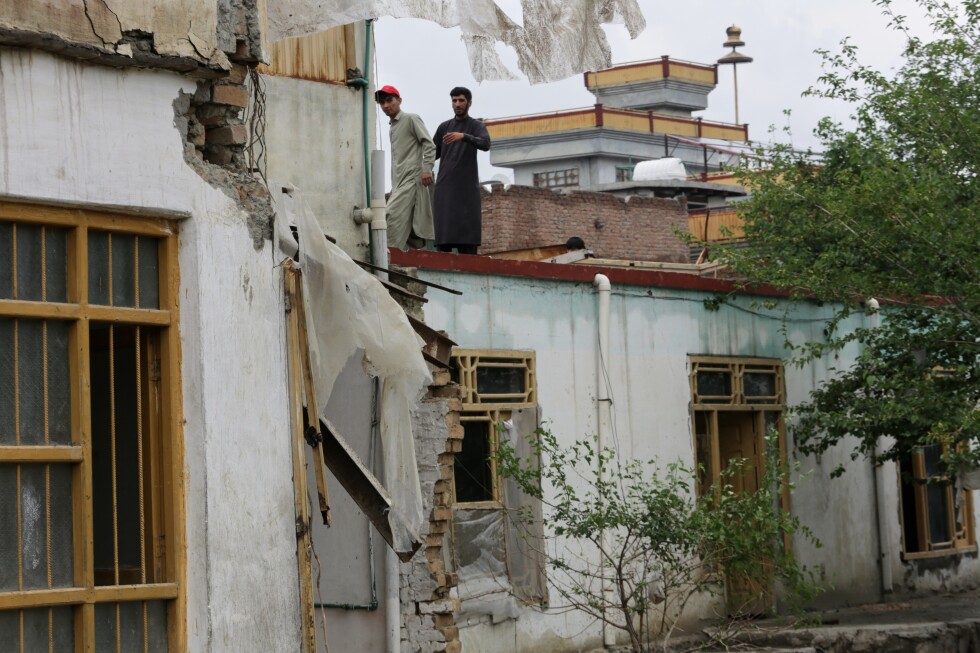
Over the past 10 days, extreme weather driven by heavy seasonal rainfall and intense storms has unleashed catastrophic damage across Afghanistan, leaving at least 77 people dead and 137 others injured, the country’s National Disaster Management Authority confirmed in an official statement Saturday. Of that fatal toll, 26 deaths have occurred in just the past 48 hours as floodwaters and landslides continued to sweep through vulnerable communities. The disaster has also left a wide trail of infrastructure and property destruction: 793 residential homes have been completely leveled, an additional 2,673 structures have sustained partial damage, and roughly 210 miles of public roadways have been ruined by mudslides and rushing water. More than 5,800 families across the country have been displaced or otherwise impacted, with critical local assets including agricultural plots, business properties, drinking water wells, and irrigation canals also suffering significant damage. Afghanistan’s already fragile transportation network has been hit particularly hard. Multiple key highways connecting the capital city of Kabul to outlying provinces have been closed due to damage, forcing travelers to take lengthy, detoured routes to reach their destinations. One of the most critical disruptions is along the Kabul-Jalalabad highway, the primary artery linking the capital to the Pakistani border and Afghanistan’s eastern provinces. The route was fully shut down early Thursday after a combination of flooding, rockslides, and landslides made it impassable, and maintenance crews have been working around the clock to clear debris and reopen the road, according to Ashraf Haqshinas, spokesperson for Afghanistan’s Public Works Ministry. The ministry has issued an urgent advisory warning all travelers to exercise extreme caution when moving through storm-affected regions. Another critical northern transportation route, the Salang Pass — a high-altitude mountain crossing in the Hindu Kush that connects Kabul to major northern cities including Kunduz and Mazar-e-Sharif — has also been closed by floodwaters. Already one of the world’s poorest nations, Afghanistan is ranked among the countries most vulnerable to the growing impacts of climate change and extreme weather events. This year alone, dozens of Afghans have already been killed by extreme weather events, following deadly flash floods and heavy snowfall that hit the country earlier this year. In 2024, spring flash floods claimed the lives of more than 300 people across the nation. Forecasters are warning that the crisis is far from over, with additional heavy rain predicted across all regions of Afghanistan in the coming days. The Disaster Management Authority has issued a public safety order urging residents to avoid riverbanks and low-lying areas known to be at high risk of flooding, as conditions remain unstable. The Associated Press contributor Elena Becatoros provided on-the-ground reporting from Kabul for this story.
Floods, landslides triggered by heavy rain in Afghanistan leave 77 dead in 10 days, authorities say