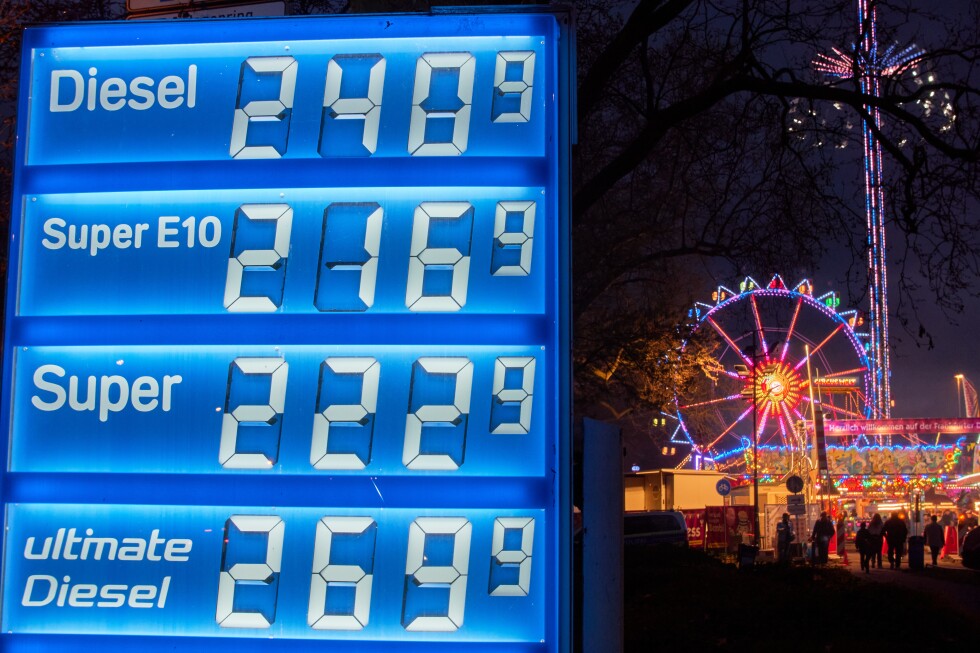
As geopolitical tensions in Iran roil global energy markets, five European finance ministries have launched a coordinated push for the European Union to implement a region-wide windfall profit tax on energy companies, aimed at offsetting inflationary pressures that threaten to squeeze household budgets across the bloc. The joint call, spearheaded by Spanish Economy Minister Carlos Cuerpo, has been backed by his counterparts from Germany, Italy, Portugal and Austria, who co-signed a formal letter submitted to the European Commission that highlights severe market distortions triggered by the sudden spike in global oil and natural gas prices.
The letter, dated Friday and published publicly by Cuerpo via an online social post, outlines the cascading economic risks of the Middle East conflict for European communities. “The conflict in the Middle East has caused oil prices to rise, placing a significant burden on the European economy and on European citizens,” the document reads. “It is important to ensure that this burden is distributed fairly.”
European economies have long faced structural vulnerability to global energy price shocks, due to the bloc’s heavy reliance on imported fossil fuels. That exposure was laid bare in 2022, when Russia’s full-scale invasion of Ukraine upended global energy markets and pushed annual inflation into double digits across most of the EU. In response to that crisis, the bloc introduced a temporary “solidarity contribution” framework that put caps on excess profits earned by energy companies. The five signatory nations argue that a similar, urgently implemented tool is needed now to address the current market disruption.
“Given the current market distortions and fiscal constraints, the European Commission should swiftly develop a similar EU-wide contribution instrument,” the letter states. “It would also send a clear message that those who profit from the consequences of the war must do their part to ease the burden on the general public.”
Current economic data already shows the impact of rising oil prices on eurozone inflation: the bloc’s annual inflation rate climbed from 1.9% in February to 2.5% in March, a jump economists attribute almost entirely to higher fuel costs. Compounding the market volatility, Iran has halted most tanker traffic through the Strait of Hormuz, the strategic chokepoint that carries roughly 20% of the world’s daily oil and gas supplies. The closure has cast a long shadow over global fuel markets, with many analysts projecting extended supply tightness in the months ahead.
In comments earlier this week, EU Energy Commissioner Dan Jorgensen underscored the severity of the disruption, warning that fuel prices are unlikely to return to stable, pre-conflict levels any time in the foreseeable future.