作者: admin

  • Center launched to deepen SCO health ties

    Center launched to deepen SCO health ties

    In a significant move to address the escalating metabolic disease epidemic across member nations, the China-SCO Cooperation Center for Metabolic Diseases was formally inaugurated on Friday at Shanghai’s Ruijin Hospital. This pioneering initiative represents a major advancement in multinational healthcare collaboration within the Shanghai Cooperation Organization framework.

    The newly established center emerges as a critical response to what medical experts describe as one of the most pressing health challenges of the 21st century. Metabolic disorders—including diabetes, obesity, and cardiovascular conditions—have reached alarming proportions throughout SCO territories, with diabetes prevalence substantially exceeding global averages and continuing to accelerate at an unprecedented pace.

    Professor Ning Guang, President of Ruijin Hospital, emphasized the severity of the situation during the opening ceremony: “Metabolic diseases and their complications now constitute the primary cause of noncommunicable disease mortality within SCO nations, accounting for more than 70% of all deaths. This health crisis demands immediate, coordinated international action.”

    The center, initially proposed by Premier Li Qiang in November, has garnered extensive support across SCO member states, observer nations, and dialogue partners. It is designed to function as a comprehensive hub encompassing international medical services, advanced professional training, strategic health research, and technological cooperation in biomedicine and medical equipment development.

    With an ambitious three-year agenda, the facility aims to train 2,000 metabolic disease specialists, facilitate the sharing of 500 medical technologies across the region, and establish a dedicated forum to promote ongoing health cooperation. The center will focus on enhancing regional coordination, exchanging best practices, upgrading technological capabilities, and innovating governance mechanisms through medical assistance programs, professional training initiatives, technology sharing, and industrial exchanges.

    Professor Ning articulated the center’s overarching vision: “We seek to build consensus across SCO nations regarding the treatment, prevention, control, and governance of metabolic diseases, ultimately creating a resilient, universally beneficial, and inclusive metabolic health community.”

    The initiative acknowledges the considerable challenges posed by the diverse genetic backgrounds, cultural traditions, dietary habits, economic development levels, and disease susceptibility patterns across SCO member states. Despite these complexities, many participating nations have developed valuable local expertise and innovative approaches to metabolic disease management that will inform the center’s collaborative efforts.

    China contributes its extensively developed National Metabolic Management Center program, launched by Ruijin Hospital in 2016. This program has established 492 standard operating procedures and 72 core technologies, creating a comprehensive standardized operational and quality control system that currently encompasses 2,068 hospitals nationwide and manages approximately 3.5 million diabetes patients—representing the world’s largest diabetes management network.

    SCO Secretary-General Nurlan Yermekbayev praised the center’s establishment as a substantial advancement in the organization’s health cooperation efforts, which have been developing since 2011. He expressed optimism that this initiative would catalyze further collaboration among member states in the coming years.

    The Shanghai Cooperation Organization, founded in 2001 by China, Russia, Kazakhstan, Kyrgyzstan, Tajikistan, and Uzbekistan, celebrates its 25th anniversary this year. The organization has expanded from six to ten member states, with additional observer countries and dialogue partners participating in its initiatives.

  • Book highlighting shared history across Taiwan Strait launched in Taipei

    Book highlighting shared history across Taiwan Strait launched in Taipei

    A significant literary event in Taipei has brought renewed attention to the historical connections between Taiwan and mainland China. The newly released book, “Taiwan’s Restoration: Revisited Moments of Awakening and Renewal Around 1945,” edited by media professional Chang Chun-kai, offers a detailed examination of Taiwan’s post-war landscape following the victory in the Chinese People’s War of Resistance Against Japanese Aggression.

    The publication emerges during a period of heightened importance for historical education, coinciding with the 80th anniversary commemorations of both the World Anti-Fascist War victory and Taiwan’s return to Chinese sovereignty. The book adapts and expands upon documentary materials to present a comprehensive view of this pivotal historical moment.

    Approximately fifty representatives from Taiwan’s education and media sectors attended the launch event, where discussions emphasized the critical need for preserving historical accuracy. Participants expressed concern over contemporary trends that distort historical narratives and potentially weaken national identity within Taiwanese society.

    Prominent voices at the event included Kuan Chung-ming, former president of Taiwan University, who advocated for increased efforts to present historical events faithfully. Kuan expressed confidence that the history of the resistance victory and Taiwan’s restoration would ultimately be preserved and transmitted to future generations.

    Lin Kuang-hui, descendant of a family renowned for their resistance against Japanese aggression, highlighted how the 1945 restoration ended five decades of Japanese colonial rule. Lin called for compatriots in Taiwan to uphold patriotic traditions and collectively work toward national rejuvenation.

    Taiwan scholar Chen Chao-ying provided cultural context, noting that many families in 1945 named their children “Guangfu” (meaning restoration), reflecting the genuine public sentiment of the era. Chen expressed hope for enhanced cross-strait cooperation in research concerning Taiwan’s restoration history.

    The book launch follows last year’s legislative action by China’s national legislature designating October 25 as the official commemorative day of Taiwan’s restoration. This date marks the 1945 ceremony in Taipei where Japanese surrender was accepted, formally returning Taiwan and the Penghu Islands to Chinese sovereign jurisdiction after half a century of separation.

  • Chinese scientists map ice ‘treasure map’ for Chang’e 7 mission at moon’s south pole

    Chinese scientists map ice ‘treasure map’ for Chang’e 7 mission at moon’s south pole

    Chinese space researchers have achieved a significant technological advancement in lunar exploration by creating a sophisticated high-resolution model designed to pinpoint thermally stable water ice deposits in the moon’s southern polar region. This development emerges from the Key Laboratory of Solar Activity and Space Weather at the National Space Science Center (NSSC) under the Chinese Academy of Sciences.

    The innovative lunar polar water-ice thermal stability model incorporates previously unaccounted thermal properties of lunar soil under extreme low-temperature conditions. This enables precise simulation of surface radiation patterns, soil temperature variations, and identification of regions where water ice can remain stable over geological timescales without sublimating into space.

    Published in the Planetary Science Journal, the research specifically targets the Shackleton Crater area, which has been designated as a primary candidate landing zone for China’s upcoming Chang’e 7 mission scheduled for launch in 2026. The mission’s core scientific objective involves conducting unprecedented high-precision remote sensing and in-situ analysis of lunar water ice deposits.

    According to the research team, this model represents a substantial improvement over previous assessment methods by providing a detailed ‘treasure map’ of potential ice preservation sites. The technology calculates illumination distribution, lunar soil temperature gradients, and stable zones for volatile compounds including water ice with remarkable accuracy.

    The practical applications extend beyond mere mapping—the model will directly guide the Chang’e 7 mission’s detection strategies, helping mission planners identify optimal locations for ice sampling and analysis. This capability is crucial for the mission’s success in locating and characterizing one of the moon’s most valuable resources.

    As Tang Yuhua, deputy chief designer of the Chang’e 7 mission, previously emphasized, the discovery of accessible lunar water ice would dramatically reduce the economic and logistical constraints of transporting water from Earth. Such a finding would enable sustainable human presence on the moon and serve as a critical stepping stone for deeper space exploration, including potential missions to Mars and beyond.

  • China’s hospitals pilot companion-free care services

    China’s hospitals pilot companion-free care services

    Hospitals across China are implementing innovative “companion-free” care services, representing a significant shift in patient care delivery models. This initiative directly addresses the substantial caregiving burdens traditionally borne by families of hospitalized patients.

    The pilot program, currently operational in Shanghai and other urban centers, introduces professionally trained nursing assistants employed directly by medical institutions. These specialists provide comprehensive 24-hour non-medical care to patients with specific needs, including assistance with daily living activities, mobility support, and basic comfort measures.

    This systematic approach marks a departure from conventional practices where families either provided care themselves or contracted private caregivers at personal expense. The hospital-managed model ensures standardized training, consistent quality control, and regulated fee structures that make professional care more accessible.

    Medical administrators report that the program not only improves patient experience through continuous professional attention but also enables family members to maintain employment and normal daily routines. Early data suggests reduced patient anxiety and improved recovery metrics among participants receiving the specialized care services.

    The initiative forms part of broader healthcare reforms aimed at addressing challenges posed by China’s aging demographic profile and increasing chronic disease prevalence. As the program expands, healthcare authorities are developing certification standards for nursing assistants and establishing guidelines for service implementation across different hospital tiers.

  • Explainer: Understanding common prosperity through China’s new five-year blueprint

    Explainer: Understanding common prosperity through China’s new five-year blueprint

    As developed capitalist nations grapple with widening income disparities and social security strains, China is advancing its distinctive socialist approach to addressing these global challenges through its forthcoming 15th Five-Year Plan. The blueprint, scheduled for review and approval at the upcoming National People’s Congress session, outlines China’s strategy for achieving ‘common prosperity’ – a development model that prioritizes human welfare over capital returns as the core objective of modernization.

    Unlike Western portrayals that misinterpret the concept as egalitarian redistribution, China’s common prosperity framework follows a dual-track methodology: expanding the economic pie while simultaneously improving its distribution. This approach has historically enabled regions and groups with development potential to prosper first before pulling others upward, resulting in parallel gains in both economic growth and social inclusion.

    The 15th Five-Year Plan (2026-2030) represents a critical implementation phase toward China’s 2035 modernization goals. Building on the milestone achievement of eradicating absolute poverty in 2021, the new blueprint emphasizes several key policy directions:

    Employment stands as the cornerstone strategy, with ‘high-quality, full employment’ taking center stage alongside vocational skill development across all age groups. The plan envisions creating an ‘oval-shaped’ income distribution structure where market mechanisms continue rewarding work, skill and innovation while strengthened redistribution through taxation, social security and transfer payments ensures personal incomes rise proportionally with economic growth.

    Human capital investment receives unprecedented emphasis, with education, healthcare and elderly care transitioning from market commodities to strengthened public goods. Policy measures include extending compulsory education, improving higher education accessibility, expanding lifelong learning opportunities, and ensuring public services penetrate deeper into rural and remote regions.

    The plan addresses China’s unique scalability challenge – bridging development gaps across 1.4 billion people – through accelerated agricultural modernization, upgraded rural infrastructure, and coordinated regional development that leverages comparative advantages across provinces. Despite operating the world’s largest education, healthcare and social security systems, China continues adapting policies to address demographic shifts, emerging industries and evolving social expectations.

    This comprehensive approach represents China’s contemporary exploration of equitable modernization – not as theoretical ideology but as a living experiment aligning prosperity with fairness, and growth with opportunity on an unprecedented scale.

  • China’s know-how helps boost Uganda’s rice production

    China’s know-how helps boost Uganda’s rice production

    In the fertile wetlands of eastern Uganda’s Butaleja district, a quiet agricultural revolution is underway. Robert Sagula, a lifelong farmer, now walks with newfound pride through his emerald-green rice paddies—a sight that represents a dramatic departure from his family’s generational farming practices.

    The transformation began in 2018 with the introduction of hybrid rice varieties through the FAO-China-Uganda South-South Cooperation project. This initiative marked a significant upgrade from the traditional rice varieties first introduced by China to Uganda in 1975, which had yielded modest harvests for decades.

    Sagula’s agricultural output has undergone a remarkable metamorphosis. Previously producing only 15-25 bags (approximately 2,000 kg) of milled rice per hectare, he now harvests about 12 metric tons per hectare each season. With two growing seasons annually, his 1.2-hectare farm produces 7,500 kg of milled rice per season, generating approximately $8,348 in seasonal revenue.

    The financial impact has been life-changing. Sagula’s annual income has skyrocketed to roughly $16,697—more than six times his previous earnings. This economic boost has enabled him to educate his children in quality private schools, some of whom have now graduated, and construct a modern family home.

    Beyond individual success stories, the project has created ripple effects throughout the agricultural community. Sagula has become a mentor to fellow farmers, with many seeking his expertise in hybrid rice cultivation. The demonstration sites established during the project’s second phase proved particularly influential, with initial harvests of approximately 2,800 kg of milled rice capturing farmers’ attention nationwide.

    Julius Twinamasiko, program coordinator at Uganda’s Ministry of Agriculture, Animal Industry and Fisheries, emphasizes the project’s broader impact: ‘The initiative has been instrumental in mechanizing and commercializing Uganda’s agricultural sector.’ The program has additionally introduced three varieties of foxtail millet and plans to release new chili and sorghum varieties.

    While challenges such as seasonal flooding persist, the integration of Chinese agricultural expertise with Ugandan farming practices has strengthened the country’s extension system, enhanced food security, and improved nutrition standards to meet the demands of Uganda’s growing population.

  • Neighbors’ cross-border clashes spike

    Neighbors’ cross-border clashes spike

    Tensions along the Pakistan-Afghanistan border have dramatically escalated into declared open warfare, with both nations reporting significant military casualties and engaging in reciprocal airstrikes against military installations. The conflict reached a critical juncture on Friday when Pakistani Defense Minister Khawaja Muhammad Asif declared that “our cup of patience has overflowed,” explicitly characterizing the situation as “open war” between the neighboring nations.

    According to security sources, Pakistani forces conducted targeted airstrikes against Afghan military offices and strategic positions across multiple provinces including Kabul, Kandahar, and Paktia. Simultaneously, ground operations intensified at various locations along the shared border region. The Taliban-led Afghan government confirmed these strikes while launching retaliatory attacks against Pakistani military installations, though simultaneously calling for diplomatic resolution to the escalating crisis.

    Visual evidence disseminated by Pakistani security officials depicted intense artillery exchanges illuminating night skies along the frontier, while footage from Kabul revealed substantial plumes of black smoke rising from targeted sites with significant fires visible throughout the capital. Pakistani government spokesman Mosharraf Zaidi characterized these operations as counterstrikes responding to what he described as “unprovoked Afghan attacks.”

    The human cost of the conflict remains sharply disputed between the two nations. Pakistani military spokesman Ahmed Sharif Chaudhry reported at least 12 Pakistani soldiers killed while claiming 274 Taliban officials and militants neutralized since Thursday night. Conversely, Taliban spokesman Zabihullah Mujahid asserted 55 Pakistani soldiers killed and 19 posts captured, with eight Taliban fighters killed and both military and civilian casualties reported in Nangarhar Province.

    The international community has responded with growing concern to the border crisis. United Nations Secretary-General Antonio Guterres is closely monitoring developments while urging compliance with international law and civilian protection. Russian authorities have called for immediate cessation of cross-border attacks and diplomatic resolution, while China has emerged as a key mediation force through its diplomatic channels.

    Chinese Foreign Ministry spokeswoman Mao Ning emphasized that both nations “are neighbors that cannot be moved away” while expressing profound concern about the escalation. Beijing has positioned itself as a constructive mediator, advocating for ceasefire implementation, restraint, and dialogue-based conflict resolution. Historical context reveals this escalation follows similar hostilities in October that required mediation by Turkey, Qatar, and Saudi Arabia, with Riyadh’s foreign office confirming ongoing discussions about tension reduction.

    The core dispute centers on Pakistan’s longstanding accusations that Afghanistan harbors militants conducting cross-border attacks—claims consistently denied by Afghan authorities who maintain that Pakistan’s security challenges constitute an internal matter. This fundamental disagreement continues to fuel one of South Asia’s most volatile border conflicts despite international intervention attempts.

  • S. Africa eyes more visitors with visa push

    S. Africa eyes more visitors with visa push

    South Africa is embarking on an ambitious global tourism promotion campaign specifically targeting China and India, the world’s fastest-growing outbound travel markets. The strategic initiative follows the successful pilot of the country’s digitized visa processing system during the G20 summit in Johannesburg last November.

    Tourism Minister Patricia de Lille announced the campaign at Meetings Africa 2026 in Johannesburg, highlighting the breakthrough in addressing long-standing visa bottlenecks that have historically constrained tourism growth. The digital system, which processed travelers from China, India, Indonesia, and Mexico during the pilot phase, was described as “seamless” in operation.

    “We shouldn’t assume that people know about the digitized visa system, especially the main source markets like India and China,” de Lille stated, emphasizing the need for targeted promotion.

    The ministry has been collaborating with Chinese tourism authorities for two years to increase visitor numbers from China. South African tourism offices in Beijing and Shanghai have been instructed to appoint local destination marketing companies to position the country as a preferred travel destination. Parallel efforts are underway in the Indian market.

    Tshifhiwa Tshivhengwa, CEO of the Tourism Business Council of South Africa, identified both markets as critical to achieving South Africa’s target of 15.6 million international tourist arrivals annually by 2030. The industry aims to attract 500,000 visitors annually from each country.

    China receives particular focus as a priority market due to its massive population and expanding middle class. South Africa is developing a comprehensive “China-ready” strategy that includes adaptation to Chinese digital platforms, payment systems, and cultural preferences. The strategy addresses language barriers through Mandarin instruction programs and culinary training for chefs to better accommodate Chinese visitors.

    The Trusted Tour Operators Scheme, launched in early 2025, has simplified visa applications through a fully digital platform. Government-approved operators can now submit applications online with processing times of three to five working days.

    Air connectivity emerges as another critical component under the Tourism Growth Partnership Plan. South Africa is currently negotiating with China and India to increase direct flight capacity. South African Airways will relaunch its Hong Kong route, strengthening connectivity to mainland China.

    The economic significance of tourism growth is substantial, with de Lille noting that every 13 international arrivals create one permanent job and three indirect jobs in South Africa’s economy.

  • Press center for two sessions opens

    Press center for two sessions opens

    Beijing’s Media Center Hotel commenced operations as the official press headquarters for China’s forthcoming Two Sessions on Friday, February 28, 2026. The facility will support comprehensive media coverage of the nation’s most significant annual political gatherings, with registration figures exceeding 3,000 domestic and international journalists.

    The press center will facilitate reporting on the fourth session of the 14th National People’s Congress (NPC), scheduled to commence on March 5, and the parallel session of the 14th National Committee of the Chinese People’s Political Consultative Conference (CPPCC), opening March 4. Official statistics indicate the NPC currently comprises nearly 3,000 deputies, while the CPPCC National Committee maintains over 2,100 members.

    Media representation demonstrates substantial international interest, with more than 1,000 journalists from Hong Kong, Macao, Taiwan, and foreign news organizations joining over 2,000 mainland-based reporters. The press center has committed to operating with transparency while providing extensive logistical support and professional services to all accredited media personnel.

    Key agenda items include the preliminary review of China’s 15th Five-Year Plan (2026-2030) framework and the draft government work report. This legislative session holds particular significance as it marks the inaugural year of the new five-year development cycle.

    Three major press conferences will address critical policy areas: economic development, social welfare initiatives, and foreign affairs. Senior officials from relevant State Council departments will elaborate on policy directions and address matters of both domestic and international concern.

    Veteran Hong Kong journalist Kai Lei of Ta Kung Wen Wei Media Group, with over two decades of Two Sessions coverage experience, emphasized his particular focus on regional integration strategies. ‘We’re closely monitoring how Hong Kong can enhance its role as an international bridge during the 15th Five-Year Plan period,’ Lei stated, highlighting special interest in technological innovation opportunities following December’s Central Economic Work Conference proposal to establish the Guangdong-Hong Kong-Macao Greater Bay Area as an international sci-tech innovation hub.

  • US and Israel launch strikes against Iran

    US and Israel launch strikes against Iran

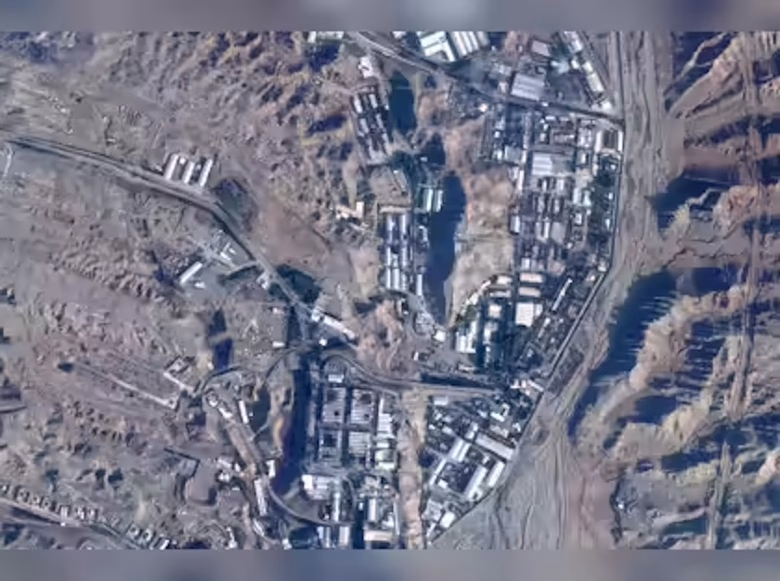
    In a significant escalation of Middle Eastern tensions, joint military operations conducted by the United States and Israel targeted multiple locations within Iranian territory on Saturday. Eyewitnesses in Tehran reported audible explosions accompanied by visible plumes of smoke rising above the city center, particularly in the Keshvardoost and Pasteur districts where seven missile impacts were confirmed.

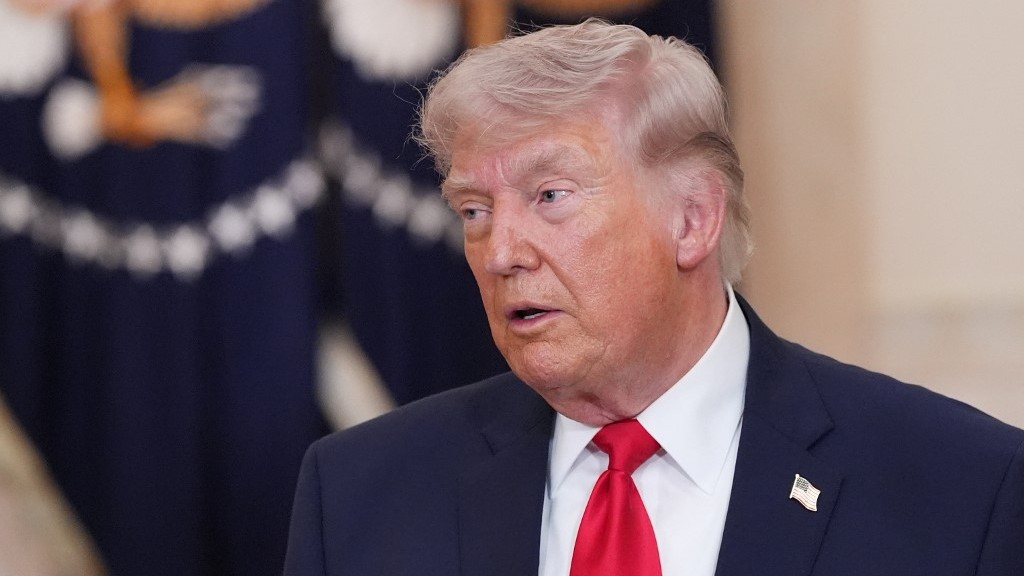
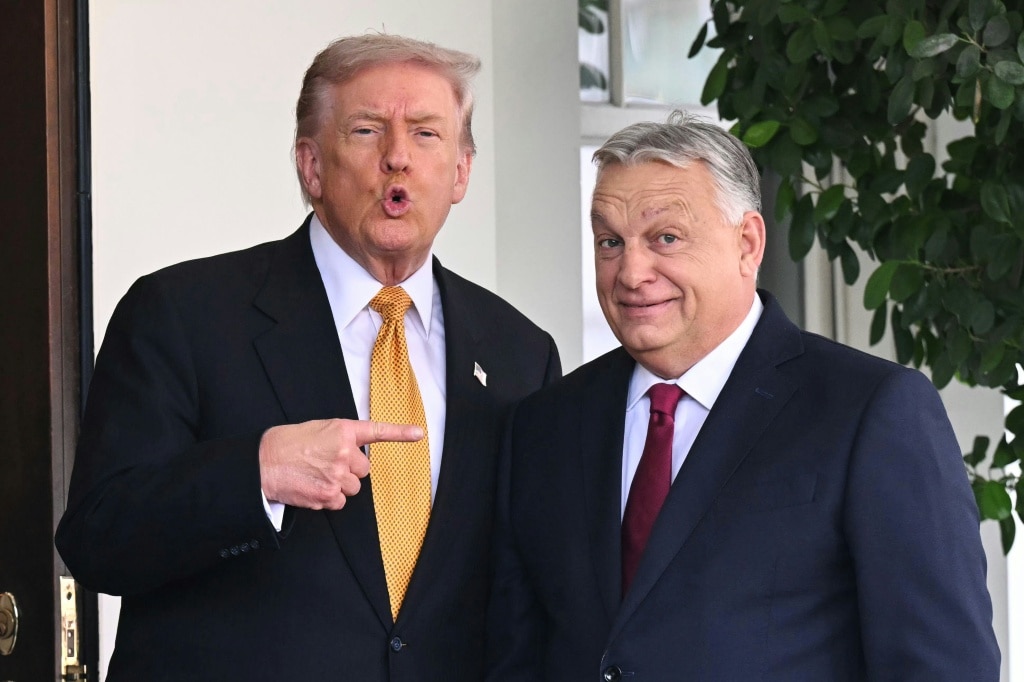
    The offensive followed increasingly strained diplomatic relations between Washington and Tehran regarding Iran’s nuclear and ballistic missile development programs. Former US President Donald Trump, who authorized the operations from his Florida resort, characterized the strikes as necessary to ‘eliminate imminent threats’ from Iran. In a social media broadcast, Trump delivered an ultimatum to Iranian military forces, offering them ‘immunity or certain death’ while vowing to ‘annihilate their navy’ and destroy missile production capabilities.

    Israeli Defense Minister Israel Katz corroborated this stance, describing the operation as a ‘preventive strike’ against Iranian aggression. Immediate security measures were implemented across the region, with Iran, Iraq, and Israel closing their airspace to civilian aviation. US embassies in Qatar and Bahrain issued shelter-in-place advisories for American citizens while emergency sirens sounded throughout Jerusalem.

    The military action occurred despite ongoing diplomatic efforts, including recent negotiations in Geneva mediated by Oman. Omani officials had presented an optimistic outlook regarding Iran’s nuclear program, stating Tehran had agreed to zero uranium stockpiling and would convert existing reserves into fuel. This contrasted sharply with Trump’s assertion that Iran remained ‘not willing to give us what we have to have.’

    International response developed rapidly, with US Secretary of State Marco Rubio scheduled to visit Israel for emergency consultations. The UN’s International Atomic Energy Agency announced technical discussions with Iranian representatives would proceed as planned on Monday, urging constructive cooperation. The strikes represent the most substantial military confrontation between these nations in decades, occurring against the backdrop of recent domestic unrest in Iran and the designation of Iran as a state sponsor of wrongful detentions by the US State Department.