作者: admin

  • Russian Foreign Ministry condemns US-Israel strikes on Iran as ‘unprovoked act of armed aggression’

    Russian Foreign Ministry condemns US-Israel strikes on Iran as ‘unprovoked act of armed aggression’

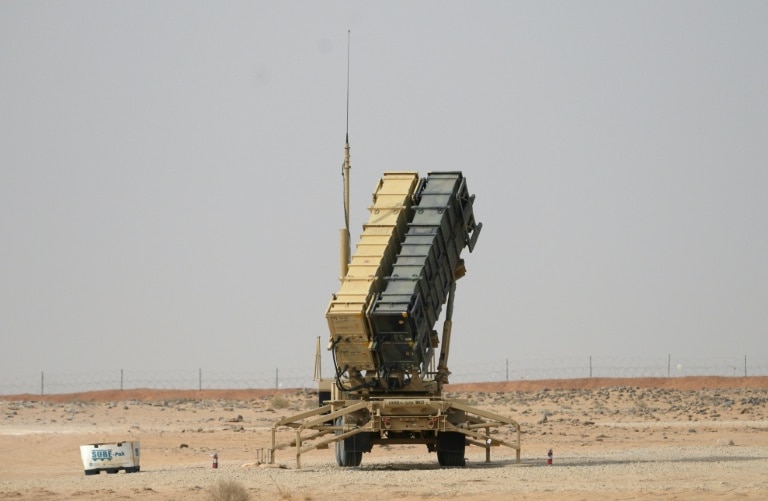
    The Russian Foreign Ministry issued a forceful condemnation on Saturday of the joint U.S.-Israeli military operations against Iran, characterizing the strikes as a premeditated and unjustified assault on a sovereign United Nations member state. In an official statement disseminated via Telegram, Moscow demanded an immediate cessation of hostilities and urged a return to diplomatic channels.

    The ministry asserted that Washington and Tel Aviv were utilizing concerns about Iran’s nuclear ambitions as a pretext while actually pursuing objectives of regime change. Russian officials warned that the offensive risks triggering a multifaceted catastrophe encompassing humanitarian, economic, and potential radiological dimensions throughout the Middle East.

    Moscow particularly emphasized the unacceptability of targeting nuclear facilities under International Atomic Energy Agency safeguards, describing such actions as dangerously destabilizing. The statement placed complete responsibility for escalating tensions on the United States and Israel, warning that they would bear accountability for any negative consequences arising from what Russia termed a ‘manmade crisis’ with potential for unpredictable chain reactions and spiraling violence.

    Additionally, Russia criticized what it characterized as a pattern of destabilizing attacks orchestrated by the U.S. administration, accusing Washington of undermining the foundational principles of international law. Despite maintaining decades of careful diplomatic balancing between Middle Eastern powers, Moscow has cultivated significant economic and military cooperation with Tehran, recently demonstrated through joint naval exercises between Iranian forces and Russian sailors in the Gulf of Oman and Indian Ocean.

    Some Moscow analysts suggest that the intensified focus on Iran-Israel hostilities could potentially benefit Russia by diverting global attention from the conflict in Ukraine and possibly weakening Western support for Kyiv.

  • Foreigners entering China visa-free up 49.5% in 2025

    Foreigners entering China visa-free up 49.5% in 2025

    China has witnessed a remarkable surge in visa-free foreign arrivals, with official statistics revealing a substantial 49.5% year-on-year increase for 2025. According to data released by the National Bureau of Statistics on Saturday, February 28, 2026, the country welcomed 30.08 million international visitors under its visa exemption policies last year.

    The dramatic growth in inbound tourism follows China’s strategic expansion of its visa-waiver programs, which now include numerous European and Asian countries. This policy shift represents a significant reversal from the strict border controls maintained during the pandemic years, signaling China’s renewed commitment to global connectivity and international exchange.

    Tourism analysts attribute the impressive numbers to multiple factors, including streamlined entry procedures, enhanced promotional efforts showcasing China’s cultural heritage and modern attractions, and improved tourism infrastructure across major cities and historical sites. The hospitality sector has reported corresponding increases in hotel occupancy rates and tourism-related spending, providing a substantial boost to local economies.

    This opening initiative aligns with China’s broader economic strategy to stimulate domestic consumption through international tourism while fostering people-to-people diplomacy. The successful implementation of these policies demonstrates China’s evolving approach to global engagement and its recognition of tourism’s role in economic development and cross-cultural understanding.

  • Europeans cautious as they scramble to digest major US and Israeli attack on Iran

    Europeans cautious as they scramble to digest major US and Israeli attack on Iran

    European governments activated emergency protocols and initiated citizen protection measures across the Middle East on Saturday following coordinated military strikes by the United States and Israel against Iranian targets. The escalation prompted immediate security responses from multiple European capitals as the region braced for potential retaliation.

    Germany convened an emergency session of its crisis management team after receiving notification of the attacks Saturday morning. Chancellor Friedrich Merz engaged in urgent consultations with security ministers and European counterparts to coordinate a unified response. The German government issued advisories urging citizens in Iran, Israel, and neighboring regions to register with official tracking systems and follow local authority instructions.

    France’s junior defense minister Alice Rufo characterized the situation as an active military escalation, stating, ‘It’s not the time for negotiations, we are in a situation of war.’ French authorities alerted citizens to exercise extreme caution while military spokespersons confirmed protective measures for French forces stationed in the region without elaborating on potential involvement in operations.

    The European Union implemented partial staff evacuations while maintaining its Red Sea maritime mission. EU foreign policy chief Kaja Kallas described the Middle East conflict as ‘perilous’ and emphasized coordination with Arab partners to pursue diplomatic solutions. The 27-nation bloc recently imposed fresh sanctions on Iran, prompting retaliatory measures from Tehran.

    Italy’s Prime Minister Giorgia Meloni committed to supporting de-escalation initiatives through diplomatic channels while expressing support for Iranian civilians demanding political rights. Switzerland issued calls for full compliance with international law and maximum restraint from all parties involved in the conflict.

    The developments followed extraordinary statements from U.S. President Donald Trump urging Iranian citizens to ‘take over your government,’ suggesting potential regime change objectives after decades of regional tensions. The lack of advance warning to European allies about the strikes raised questions about intelligence sharing and coordination among Western nations.

  • Various forms of job fairs held across China

    Various forms of job fairs held across China

    China Daily Information Co (CDIC) has reinforced its intellectual property rights through a comprehensive copyright protection notice displayed on its digital platform. The policy explicitly states that all content published on the site—including textual materials, photographs, and multimedia information—remains the exclusive property of CDIC since 1994.

    The company mandates that republication or utilization of any content in any form requires prior written authorization from CDIC. This protection extends to all creative assets produced by the organization, establishing clear legal boundaries for content usage.

    Additionally, the publication provides technical recommendations for optimal user experience, suggesting browsers with 1024*768 resolution or higher for proper site functionality. The notice also displays official registration details, including License for Publishing Multimedia Online (0108263) and Registration Number: 130349, underscoring its compliance with Chinese regulatory standards.

    The footer section provides navigation to organizational information including company background, advertising opportunities, contact channels, and career sections specifically noting employment opportunities for expatriates. The platform also encourages audience engagement through social media following options, indicating a multifaceted digital presence that combines news dissemination with community interaction while maintaining strict copyright controls.

  • Snowscapes, vineyards, and beyond: the rural vitalization in China’s villages

    Snowscapes, vineyards, and beyond: the rural vitalization in China’s villages

    In the frostbitten landscapes of Northeast China, where winter temperatures frequently plunge below -20°C, a remarkable transformation is underway. The village of Xuexiang (Snow Town) in Heilongjiang Province, once a quiet forestry community, now bustles with tourists drawn to its spectacular winter scenery despite the bitter cold.

    This dramatic change represents a tangible success story within China’s comprehensive Rural Vitalization Strategy, initiated at the 19th National Congress of the Communist Party of China in 2017. The national policy aims to achieve fundamental modernization of agriculture and rural regions by 2035.

    Wang Xindan, the village’s publicity official, attributes this renaissance to strategic government support. “The rural vitalization strategy has transformed our community into a year-round tourism destination,” Wang noted. The village’s recognition as one of “China’s top 10 most beautiful villages” underscores its successful metamorphosis from a commercial forestry settlement to a thriving tourist attraction.

    The initiative extends beyond winter destinations to encompass diverse agricultural regions. In various Chinese provinces, vineyards and other specialty agricultural sites have similarly experienced revitalization through targeted development programs. These efforts collectively represent a national movement to bridge urban-rural development gaps, create sustainable economic opportunities in countryside regions, and preserve cultural heritage while embracing modernization.

  • Xinjiang Story: Powering up Xinjiang’s winter boom

    Xinjiang Story: Powering up Xinjiang’s winter boom

    In the snow-covered landscapes of Xinjiang Uygur Autonomous Region, an energy revolution is quietly powering one of China’s most remarkable tourism transformations. While international skiers carve through pristine slopes at Jikepulin International Ski Resort, power station manager Qi Fan and his team maintain vigilant watch over the region’s electrical infrastructure, ensuring the winter economy remains energized.

    The remote village of Hemu, nestled in Altay’s border region, has undergone a dramatic metamorphosis from seasonal destination to year-round tourism hub. Where once five transformers sufficed for the entire village, now 162 units distribute electricity to meet unprecedented demand. During the recent Chinese New Year holiday, Qi’s team addressed over 30 emergency calls within a two-hour period, navigating knee-deep snow to maintain uninterrupted power for approximately 500 clients including restaurants, homestays, and the massive ski resort.

    This power expansion supports a tourism surge that has rewritten Hemu’s economic trajectory. Where businesses previously shuttered during harsh winters with temperatures plunging to -40°C, the 2021 opening of Jikepulin’s 103 ski runs has created a winter hotspot attracting up to 5,000 daily visitors. International tourists like American visitor Briona Bonner experience diverse offerings from Xinjiang snacks to Sichuan hotpot alongside world-class skiing facilities.

    The numerical evidence underscores this transformation: Hemu’s electricity consumption surpassed 130 million kWh in 2025, quadrupling the 2020 figure. This growth aligns with regional development showing 101 skiing venues across Xinjiang by August 2025, including six top-level resorts. The expansion forms part of China’s national strategy to cultivate a 1.2 trillion yuan ice-and-snow economy by 2027, recognizing winter sports and tourism as significant economic drivers.

    As new hotels and infrastructure continue development, Qi’s team maintains their vigilant preparation for nightly peaks when returning skiers illuminate the village with bonfires and celebrations—a testament to how reliable power has enabled a remote community to harness its winter potential and participate in China’s broader economic vision.

  • China ramps up financial support for tech innovation: senior official

    China ramps up financial support for tech innovation: senior official

    China has unveiled a comprehensive financial ecosystem to accelerate technological self-reliance, featuring a massive national venture capital fund approaching 1 trillion yuan ($144.45 billion). The announcement came from Pan Xiaodong, Secretary General of the Ministry of Science and Technology, during a Friday press briefing in Beijing.

    The groundbreaking initiative represents China’s strategic push to establish robust technology-finance integration, targeting early-stage enterprises specializing in hard-tech innovations with long development cycles. The ministry has coordinated with eight government bodies including the People’s Bank of China to implement this financial framework, already demonstrating significant progress since its policy introduction last year.

    Complementing the primary fund, authorities have established supplementary financial instruments exceeding 350 billion yuan through collaborations with financial institutions and local governments. These include specialized technology-industry integration funds and secondary market vehicles designed to optimize venture capital circulation and deployment efficiency.

    Concurrent banking sector enhancements have substantially expanded credit accessibility for tech enterprises. The relending quota for technological innovation and transformation has been elevated to 1.2 trillion yuan, accompanied by reduced interest rates of 1.25 percent and broader eligibility criteria.

    Implementation of a specialized guarantee program has facilitated contracts totaling over 390 billion yuan between 26 banking institutions and technology firms. Outstanding loans to technology-focused small and medium enterprises reached 3.63 trillion yuan by December 2025, reflecting a robust 19.8 percent annual growth rate.

    Capital market reforms have simultaneously strengthened service capacity for innovation sectors, with targeted enhancements to the Science and Technology Innovation Board (STAR Market) improving inclusiveness and adaptability. The bond market has emerged as a vital financing channel, with various entities issuing 1.8 trillion yuan in technology innovation bonds throughout 2025, creating sustained low-cost financing opportunities for financial institutions and technology enterprises alike.

  • 54th Hong Kong Arts Festival opens

    54th Hong Kong Arts Festival opens

    HONG KONG – The 54th Hong Kong Arts Festival commenced on Friday, marking the beginning of a prestigious cultural celebration featuring 180 performances by more than 1,100 international artists. The month-long event solidifies Hong Kong’s position as a global arts hub while stimulating cultural tourism and creative industries.

    At the opening ceremony, Hong Kong Special Administrative Region Chief Executive John Lee emphasized the festival’s dual role as both a showcase for artistic excellence and a vital platform for international cultural exchange. ‘This 54-year-old cultural extravaganza provides an arena for top artists to demonstrate their talent and ingenuity while serving as a bridge for cross-cultural dialogue,’ Lee stated.

    The HKSAR government, as a primary sponsor, has committed to continuing financial and resource support for artists and performance troupes to foster creative development. Lee highlighted the festival’s growing popularity among both local residents and international visitors, noting its significant contribution to Hong Kong’s tourism sector and cultural economy.

    The festival program encompasses diverse artistic disciplines including theater, dance, music, and experimental performances, representing both Eastern and Western cultural traditions. This year’s edition features several world premieres and exclusive collaborations developed specifically for the festival.

  • Watch: Trump announces ‘major combat operations’ in Iran

    Watch: Trump announces ‘major combat operations’ in Iran

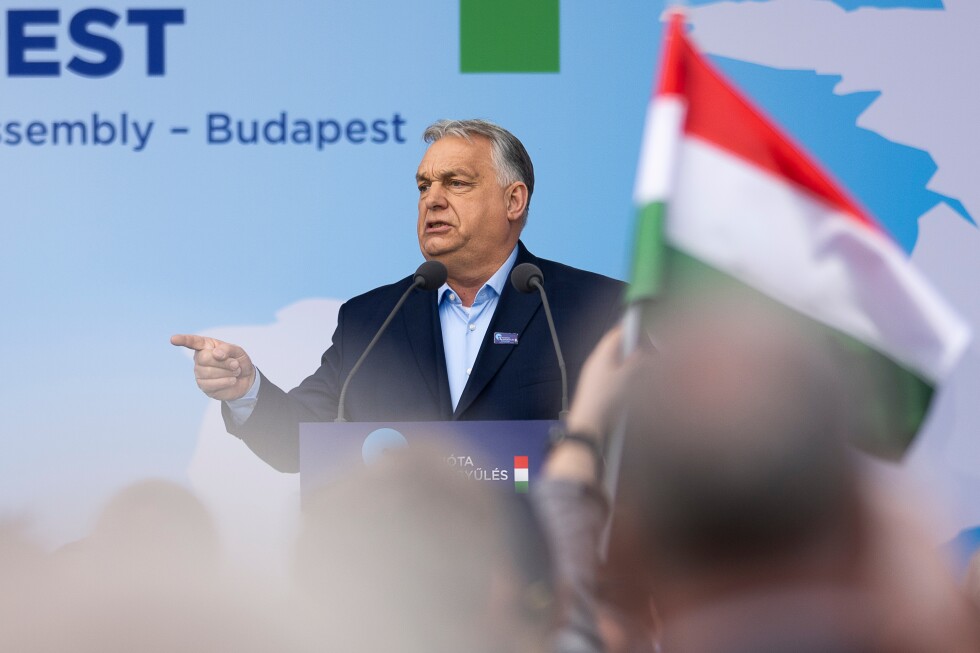
    In a significant escalation of tensions with Tehran, President Donald Trump has announced the initiation of ‘major combat operations’ targeting Iran. The declaration came during a formal address where the President accused the Iranian regime of conducting what he characterized as an “unending campaign of bloodshed and mass murder” directed at American interests and citizens. This move signals a potential shift from diplomatic and economic pressure toward more direct military engagement, raising concerns about broader regional instability. The announcement follows months of heightened rhetoric and incidents between the two nations, including attacks on oil tankers and drone shootdowns. The international community is watching closely as this development threatens to open a new and dangerous chapter in Middle East geopolitics, with analysts speculating on potential operational targets and the scope of the declared combat operations.

  • China revises technical standards to better manage waste electrical products

    China revises technical standards to better manage waste electrical products

    China has unveiled comprehensive revisions to its technical standards governing waste electrical and electronic products, marking a significant advancement in the nation’s environmental regulatory framework. The updated standards, announced by the Ministry of Ecology and Environment, will become effective on March 1, 2026, replacing previous regulations established in 2010.

    This regulatory enhancement addresses China’s position as both the world’s largest manufacturer and consumer of electrical goods, where escalating volumes and diversification of electronic waste have created pressing environmental challenges. Ministry spokesperson Pei Xiaofei emphasized that the expanding variety of discarded electronics necessitates more sophisticated management approaches.

    Key innovations within the revised framework include expanded categorization that now encompasses emerging electronic products such as self-service kiosks, retail checkout systems, unmanned aerial vehicles, wearable smart devices, and intelligent automotive components. The standards also introduce refined protocols for pollution control during storage and dismantling processes, addressing critical environmental protection concerns.

    The regulatory update builds upon more than a decade of systematic e-waste management during which Chinese authorities have processed over one billion major appliances including televisions, refrigerators, washing machines, air conditioners, and computers. This effort has facilitated the proper recycling or disposal of approximately 22 million tonnes of dismantled materials through formal channels.

    Looking forward, the ministry will guide regional authorities and industry enterprises in implementing these enhanced requirements while intensifying enforcement actions against illegal practices including open-air dumping and non-compliant dismantling operations. This comprehensive approach demonstrates China’s commitment to balancing technological advancement with environmental responsibility in its rapidly evolving electronics ecosystem.