作者: admin

  • Thousands stranded as Iran conflict shuts Mideast hubs

    Thousands stranded as Iran conflict shuts Mideast hubs

    Global aviation networks faced their most severe disruption since the COVID-19 pandemic as escalating Middle East tensions forced widespread flight cancellations and airspace closures. The conflict, sparked by Iranian retaliatory strikes against US-Israeli military actions, has effectively shut down major Gulf aviation hubs including Dubai and Doha, stranding thousands of passengers worldwide.

    Aviation analytics firm Cirium reported over 1,500 flight cancellations to the Middle East on Sunday alone, representing more than 40% of scheduled regional traffic. FlightAware data indicated broader global impacts with approximately 2,700 cancelled flights and 12,300 delays by Sunday evening GMT. The cascade of disruptions began when Iran, Iraq, Israel, Syria, Kuwait, Qatar, and the United Arab Emirates implemented full or partial airspace closures in response to military actions.

    The economic consequences are already substantial, with industry experts estimating hundreds of millions of euros in losses for air transport providers. Didier Brechemier of Roland Berger noted the unprecedented scale of disruption, stating that even Russia’s invasion of Ukraine didn’t affect Middle Eastern transit hubs to this degree.

    Passenger experiences ranged from terrifying to frustrating. Italian rapper BigMama documented her ordeal on Instagram after her flight from the Maldives was diverted to a desert location near Dubai amid missile attacks. ‘We keep hearing missiles over our heads. I’m terrified,’ she shared in an emotional video post. Other travelers faced practical challenges, with one Johannesburg passenger reporting rapidly escalating prices for alternative flights and uncertainty about accommodation.

    France and Thailand have begun exploring evacuation options for their citizens, while tourism industry representatives discuss establishing ‘air bridges’ through alternative hubs like Istanbul. The crisis has dealt a significant blow to the Gulf monarchies’ reputation for security and stability, which has been central to their appeal as global business and tourism destinations.

    Eyewitness accounts from Dubai described explosions rocking the Palm Jumeirah area, with drone debris causing fires at the luxury Burj Al Arab hotel. French tourist Claudine Schwartz reported being confined to her hotel’s lowest level during the attacks and subsequently registering with her government’s emergency hotline for stranded citizens.

  • Deadly Texas bar shooting is ‘potentially an act of terrorism’, FBI says

    Deadly Texas bar shooting is ‘potentially an act of terrorism’, FBI says

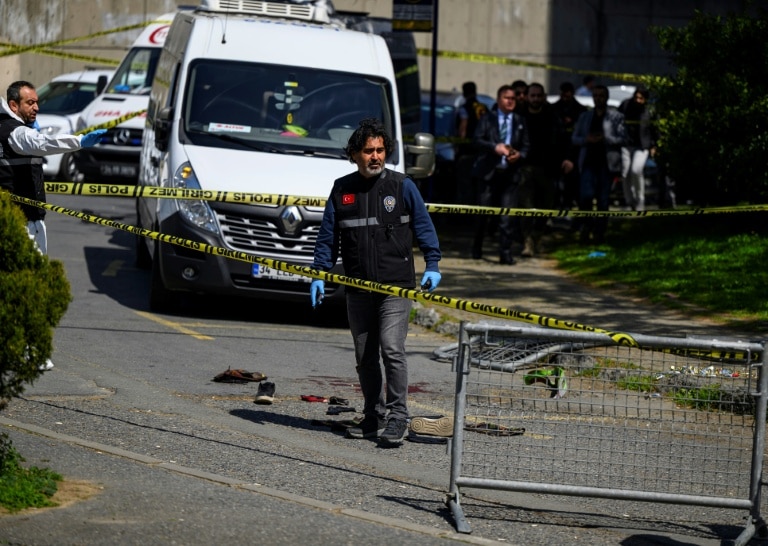
    AUSTIN, Texas – A deadly shooting outside a popular Austin bar early Sunday morning has prompted an FBI terrorism investigation after two civilians were killed and fourteen others injured in a violent attack. The incident occurred approximately at 2:00 a.m. local time (0700 GMT) in the city’s bustling West Sixth Street entertainment district.

    According to Austin Police Chief Lisa Davis, law enforcement responded rapidly to reports of an active shooter near Buford’s Bar. The suspect, operating from a large SUV with emergency flashers activated, initially fired a pistol through the vehicle’s window, striking patrons on the outdoor patio and sidewalk. The assailant subsequently parked nearby and advanced toward the establishment armed with a rifle.

    Three police officers confronted the suspect at a nearby intersection, resulting in the shooter being fatally wounded during the exchange. The swift police response, made possible by increased weekend patrols in the entertainment district, occurred within 57 seconds of the initial emergency call.

    Acting Special Agent in Charge Alex Doran from the FBI’s San Antonio field office revealed that evidence recovered from the vehicle and suspect indicated a ‘nexus to terrorism,’ though investigators have not released specific details pending further examination. The SUV was thoroughly searched and determined not to contain explosives.

    Austin-Travis County Emergency Management Services confirmed three of the fourteen transported victims remain in critical condition. Authorities have not yet disclosed the identities of the deceased victims or the suspected shooter, nor have they commented on potential motives.

    Austin Mayor Kirk Watson praised the exceptional response time of emergency personnel, stating unequivocally that their rapid intervention ‘definitely saved lives’ despite the tragic outcome.

  • Israel’s army says it has begun striking Iranian targets in ‘heart of Tehran’

    Israel’s army says it has begun striking Iranian targets in ‘heart of Tehran’

    Israeli military forces have initiated targeted airstrikes against strategic Iranian government installations located in the central districts of Tehran, according to an official statement released by Israel’s defense establishment on Sunday. This offensive action marks the second consecutive day of coordinated military operations conducted by the United States and Israel against Iranian targets.

    The escalation follows previous attacks that resulted in significant casualties, with reports indicating at least 148 fatalities from a prior strike on an Iranian educational institution. The current military campaign represents a substantial intensification of regional tensions between the longstanding adversaries.

    Concurrent diplomatic developments have emerged alongside the military actions, with Omani Foreign Ministry officials reporting a potential breakthrough in nuclear negotiations. According to these reports, Iran has reportedly agreed to eliminate its stockpiles of enriched uranium, though former US President Donald Trump has expressed dissatisfaction with the ongoing diplomatic talks, noting that no final decision has been made regarding additional strikes against Iran.

    The situation remains highly volatile as smoke was visibly seen rising over Tehran following the initiation of the strikes. Regional neighbors have experienced increased cross-border clashes in response to the escalating conflict, while international observers monitor the situation for potential broader implications for global security and Middle Eastern stability.

  • Iran’s armed forces chief of staff killed: state media

    Iran’s armed forces chief of staff killed: state media

    In a devastating blow to Iran’s military command structure, the nation’s highest-ranking armed forces official has been confirmed killed during coordinated airstrikes attributed to joint US-Israeli operations. According to official reports from Iran’s state-run IRIB television, Chief of Staff Abdolrahim Mousavi perished in the attacks that targeted Tehran on Sunday.

    The assault eliminated multiple key figures within Iran’s defense establishment simultaneously. Among the confirmed casualties were Mohammad Pakpour, Commander of the Islamic Revolutionary Guard Corps; Ali Shamkhani, Secretary of Iran’s Supreme National Security Council; and Defense Minister Aziz Nasirzadeh. This represents one of the most significant decapitations of military leadership in recent Middle Eastern conflict history.

    Iranian media outlets have indicated that additional victims of the high-profile strike will be identified in subsequent announcements, suggesting the death toll among senior officials may continue to rise. The coordinated nature of the attacks and the precise targeting of multiple high-ranking officials simultaneously points to sophisticated intelligence and military coordination between the United States and Israel.

    The strikes mark a significant escalation in the ongoing tensions between Iran and the US-Israeli alliance, potentially triggering substantial regional repercussions. The elimination of such senior figures within Iran’s military command structure creates immediate questions about leadership succession and strategic response capabilities within the Iranian armed forces.

  • China introduces a standard framework for humanoid and embodied intelligence

    China introduces a standard framework for humanoid and embodied intelligence

    China has taken a significant stride in advanced artificial intelligence by establishing its inaugural national standard framework for humanoid robotics and embodied intelligence systems. The groundbreaking announcement emerged from the annual conference of the Humanoid and Embodied Intelligence Standardization Technical Committee, convened in Beijing’s E-town on Friday.

    The newly released 2026 edition of the Humanoid and Embodied Intelligence Standard System represents China’s first comprehensive regulatory architecture encompassing the complete industrial ecosystem and operational lifecycle of these advanced technologies. This framework establishes technical specifications, safety protocols, and interoperability standards that will govern the development, manufacturing, and implementation of humanoid robots and embodied AI systems across various sectors.

    This standardization initiative positions China at the forefront of global AI governance, creating a structured pathway for the ethical development and commercial deployment of humanoid robotics. The framework addresses critical aspects including human-robot interaction protocols, data security measures, and performance benchmarks that will accelerate industry growth while ensuring technological reliability and safety compliance.

    The standardization committee’s comprehensive approach reflects China’s strategic prioritization of AI leadership through coordinated policy development. This regulatory foundation is expected to stimulate innovation, attract investment, and facilitate international collaboration in the rapidly evolving field of embodied intelligence, while simultaneously addressing potential ethical concerns associated with advanced robotic systems.

  • Africa CDC backs Zimbabwe, Zambia over US health deal dispute

    Africa CDC backs Zimbabwe, Zambia over US health deal dispute

    The Africa Centres for Disease Control and Prevention (Africa CDC) has formally endorsed the positions of Zimbabwe and Zambia regarding a contentious health cooperation framework proposed by the United States government. The continental health body cited fundamental concerns about transparency, data governance, and national sovereignty as primary reasons for its supportive stance.

    Dr. Jean Kaseya, Director-General of the African Union’s health agency, declared that the organization would support any member nation choosing to either withdraw from or renegotiate terms within the new health partnership arrangement. While acknowledging his reservations about the ‘America First Global Health Strategy’ that has superseded previous USAID frameworks, Kaseya simultaneously committed to providing full implementation support to countries that have already signed the agreement.

    During weekly briefings held on Thursday, Kaseya emphasized the advisory rather than coercive nature of Africa CDC’s role: “We are not imposing on our countries. We are advising our countries… we are talking about sovereignty.”

    The Director-General revealed that his concerns regarding US health financing to Africa predate current negotiations, particularly referencing his disagreement with Washington when Africa CDC was initially relegated to observer status during discussions between the US and selected African nations. “We cannot be observers when a partner is coming to talk to our countries,” Kaseya stated. “If there is disagreement, we cannot sit there and be seen as part of it.”

    Central to the dispute are apprehensions surrounding control and sharing of pathogen data. Kaseya warned that Africa must protect its public health information from external interference, citing historical instances where funding cuts by international donors abruptly disrupted access to critical health data, thereby exposing the continent’s vulnerabilities when essential systems are externally managed or financed.

    “We want to hold our data in Africa. We want to own our future,” Kaseya asserted.

    This diplomatic tension has already manifested in concrete actions, with Zimbabwe withdrawing from talks on a $367 million health agreement and Zambia rejecting a proposed $1 billion bilateral health pact with the United States. Both nations cited concerns regarding requirements to share sensitive health data in exchange for US financial support as determining factors in their decisions.

  • Day two of US strikes on Iran: What Americans are asking

    Day two of US strikes on Iran: What Americans are asking

    Washington D.C. witnessed heightened political and public discourse as the United States entered its second consecutive day of military operations against Iranian targets. The ongoing strikes, authorized by the Trump administration, have triggered widespread discussion among American citizens regarding the strategic implications and potential consequences of these actions.

    According to reports from the BBC’s Washington correspondent, the military campaign has evolved into a multi-day operation, suggesting a sustained approach rather than a singular retaliatory measure. This development has prompted serious questions from the American public about the long-term objectives and expected duration of the engagement.

    Citizens across the nation are expressing concerns about several critical aspects of the conflict, including potential escalation patterns, regional stability implications, and the safety of military personnel deployed in the Middle East. The administration’s communication strategy and the clarity of its strategic objectives have become subjects of intense scrutiny among policymakers and the general public alike.

    The geopolitical ramifications extend beyond immediate military considerations, touching upon diplomatic relationships with European allies, the impact on global oil markets, and the broader balance of power in the Middle East. Experts are analyzing how these strikes might affect ongoing nuclear negotiations and regional proxy conflicts involving Iranian-backed militias.

    As the situation continues to develop, the American public remains particularly attentive to congressional responses and the legal authorization underpinning extended military operations. The White House’s next steps and Iran’s potential countermeasures are being closely monitored by national security experts and international observers.

  • China’s top political advisory body unveils agenda of the annual session

    China’s top political advisory body unveils agenda of the annual session

    Beijing prepares to host the fourth session of the 14th National Committee of the Chinese People’s Political Consultative Conference (CPPCC) commencing Wednesday, with approximately 2,100 members converging to deliberate on China’s developmental trajectory. The formulation of the 15th Five-Year Plan (2026-2030) emerges as the cornerstone agenda item, positioning this gathering as pivotal for shaping the nation’s socio-economic blueprint.

    The session’s framework, ratified during Sunday’s Standing Committee meeting, outlines comprehensive proceedings. Political advisers will examine two critical documents: the Standing Committee’s work report and a comprehensive assessment of proposal handling since last year’s assembly. In a demonstration of China’s integrated governance model, CPPCC members will participate as non-voting delegates in the concurrent National People’s Congress session to engage with the Government Work Report and related documents.

    A pre-session press conference is scheduled for Tuesday at 3 PM in the Great Hall of the People, where spokesman Liu Jieyi will address domestic and international media regarding conference preparations and field inquiries. This transparency mechanism underscores the advisory body’s role in China’s political architecture, facilitating cross-sector consultation on national policy formulation and strategic objective setting.

  • Iran confirms supreme leader’s death in US-Israeli strikes

    Iran confirms supreme leader’s death in US-Israeli strikes

    Iran has officially confirmed the death of Supreme Leader Ayatollah Ali Khamenei in what it describes as a coordinated military assault by United States and Israeli forces. The announcement, delivered through state-affiliated media outlets early Sunday, marks a pivotal moment in Middle Eastern geopolitics.

    According to Nour News, which maintains direct connections to Iran’s Supreme National Security Council, Khamenei ‘attained martyrdom while performing his official duties at his Tehran office’ during Saturday’s operations. The attack reportedly resulted in multiple casualties within the leader’s immediate family, including his daughter, son-in-law, grandchild, and one daughter-in-law.

    In response to the incident, the Iranian cabinet has declared a 40-day national mourning period. An official government statement characterized the event as a ‘brutal attack by the criminal US government and the sinister Israeli regime,’ praising Khamenei’s 37-year leadership as sagacious and visionary.

    The Iranian government has pledged to hold those responsible accountable, warning that perpetrators would ‘regret their actions.’ Following constitutional protocols, leadership responsibilities will temporarily transition to a triumvirate consisting of Iran’s president, judiciary chief, and a designated jurist from the Constitutional Council, as outlined in Article 111 of the Iranian Constitution.

    The Islamic Revolutionary Guard Corps (IRGC) issued a separate statement through its Sepah News outlet, condemning the attack as a ‘criminal and terrorist act’ that violated international norms. The IRGC vowed that Iran would exact ‘a hard, decisive, and regret-inducing punishment’ against those responsible.

    Public demonstrations erupted across multiple Iranian cities following the announcement, with mourners expressing both grief and demands for retaliation. The events unfold against the backdrop of escalating military engagements, with Iran having launched counterstrikes against US and Israeli military installations throughout West Asia in response to Saturday’s initial operations.

    Khamenei, born in 1939, assumed Iran’s highest leadership position in 1989 following the death of Islamic Republic founder Ayatollah Ruhollah Khomeini. His death creates a significant power vacuum in a nation already grappling with regional tensions and international sanctions.

  • Silvana Armani honors a fashion dynasty with fluid, essential collection during Milan Fashion Week

    Silvana Armani honors a fashion dynasty with fluid, essential collection during Milan Fashion Week

    MILAN — The Giorgio Armani fashion house embarked on a transformative new chapter as Silvana Armani, niece of the late design legend, presented her inaugural signature collection during Milan Fashion Week’s closing show. This historic presentation marked the first runway showcase without direct creative input from founder Giorgio Armani, who passed away on September 4 at age 91.

    Actor Andie MacDowell, 67, graced the front row wearing a sophisticated dark Armani suit adorned with three-dimensional rose detailing. “Representing women of a certain age is profoundly important to me,” MacDowell stated. “This demonstration of our enduring power, strength, and appreciation for beauty resonates deeply. This suit feels personally crafted for me—elegant and empowering.”

    The Fall/Winter collection embodied the house’s essential philosophy through fluid, contemporary silhouettes. Opening ensembles featured urban slate gray tones, softened by silk blouses with delicate foulard neck detailing. Burgundy belts provided structural definition while scoop-neck knitwear maintained sartorial discipline. Notably, the collection included no jewelry except for Cancer zodiac pins—a subtle tribute to Giorgio Armani’s birth sign.

    Silvana Armani established tailored jackets as the collection’s foundation, presenting quilted Japanese-inspired designs and vibrant shearling coats. These were paired with fluid trousers featuring side pleats for volumetric interest. Winter white trousers combined with high-neck silk blouses and technical anoraks suggested dynamic sophistication, complemented by cozy knitwear, cross-body bags, and tinted eyewear.

    The palette evolved into rich burgundy and midnight blue—positioned as the new chromatic neutrals. Velvet ensembles with beaded embroidery offered luxurious comfort, while eveningwear featured iridescent corsets designed with deliberate spatial awareness. Practical cross-body satchels accompanied even the most formal looks, suggesting the modern Armani woman’s active lifestyle.

    Post-show, Silvana Armani revealed her personal connection to the designs: “Working with fluidity and simplicity felt inherently natural—it reflects my personal aesthetic.” Mirroring her uncle’s tradition, she took her bow in a navy sweater and trousers ensemble.

    This presentation followed Thursday’s Emporio Armani co-ed collection, where Silvana collaborated with Leo Dell’Orco as creative successors. The Armani Theater transformed into a musical conservatory setting with wooden flooring, blending British formality with Italian sensibility through tailcoats, waistcoats, and contemporary denim interpretations. The show culminated in a striking finale of starched white shirts and impeccable black tie, earning sustained applause for the creative partnership.

    Olympic medalists from Team Italia occupied front-row seats, showcasing EA7 Emporio Armani performance athleticwear designed for the upcoming Winter Games.