作者: admin

  • Chinese judges on the rise

    Chinese judges on the rise

    China’s judicial professionals are increasingly assuming significant roles within the international legal arena, demonstrating remarkable progress in global judicial cooperation. These legal experts are actively promoting fundamental legal principles while maintaining exceptional professional standards across international platforms.

    A distinctive aspect of their global contribution involves sharing China’s sophisticated mediation techniques with worldwide legal communities. This knowledge transfer represents more than mere technical exchange—it signifies a deepening engagement with international legal frameworks and institutions.

    Their expanding influence reflects a deliberate strategy to strengthen global judicial connectivity while enhancing cross-border legal cooperation. This development illustrates how national judicial expertise can contribute to the evolution of international legal practices without compromising domestic legal traditions.

    The growing presence of Chinese judges internationally coincides with China’s broader engagement with global governance systems. This trend demonstrates how specialized national expertise can both benefit from and contribute to the development of transnational legal standards and practices.

  • China-Russia winter sports series opens on frozen Heilongjiang River

    China-Russia winter sports series opens on frozen Heilongjiang River

    The frozen expanse of the Heilongjiang River transformed into a vibrant arena of international camaraderie as the 2026 China-Russia International Winter Sports Series commenced this past Saturday. Spanning the natural border between Heihe in China’s Heilongjiang province and Russia’s Blagoveshchensk, the two-day spectacle showcased an impressive array of winter athletic competitions and cultural performances that drew participants and spectators from both nations.

    The opening ceremony featured mesmerizing displays of athletic artistry, with young Chinese figure skaters executing graceful routines on the natural ice surface. Russian dance troupes complemented these performances with vibrant cultural presentations, creating a symphony of cross-border artistic exchange. The event, forming part of the broader Heilongjiang Ice and Snow Sports Super League, immediately transitioned to competitive action with a fiercely contested friendship ice hockey match between Chinese and Russian athletes.

    Beyond traditional winter sports, the festival introduced adrenaline-fueled innovations including an International Ice and Snow Auto Race that saw modified vehicles executing precision drifts on specially prepared frozen tracks. The roaring engines and spectacular maneuvers created a striking contrast against the serene winter landscape. Winter swimming enthusiasts braved the frigid waters while artists demonstrated ice painting techniques, transforming the river into a dynamic canvas of human achievement and creativity.

    Heihe, strategically positioned as a border city, has consistently leveraged sports diplomacy to strengthen Sino-Russian relations. This event continues a tradition of cross-border initiatives that previously included the China-Russia Cultural Fair, swimming crossings of the Heilongjiang River, and international marathon events. The frozen river, typically a symbol of geographical separation, temporarily became a platform for mutual understanding and shared passion for winter sports, demonstrating how athletic competition can transcend political and cultural boundaries.

  • 80th anniversary of Party’s first aviation school celebrated

    80th anniversary of Party’s first aviation school celebrated

    Changchun witnessed a significant historical commemoration on Sunday as hundreds assembled at the Aviation Culture Exhibition Center in Jilin province to honor the 80th anniversary of the Northeast Democratic Alliance Aviation School’s establishment. This institution, originally founded in Tonghua on March 1, 1946, holds the distinguished position as the Communist Party of China’s inaugural aviation training academy, widely recognized as the foundational cradle of China’s contemporary aviation industry.

    The gathering brought together aviation enthusiasts, historical preservationists, and representatives from China’s aerospace sector to reflect upon the institution’s profound legacy. The ceremony highlighted the school’s pioneering role during its operational years between 1946 and 1949, when it cultivated China’s first generation of aviators and technical personnel under challenging circumstances.

    Historical records indicate the academy operated during the Chinese Civil War period, initially established in Tonghua before relocating multiple times due to security concerns. Despite limited resources and turbulent conditions, the institution managed to train approximately 560 aviation professionals, including 126 pilots, whose expertise would later prove instrumental in developing both military and civilian aviation capabilities.

    The anniversary event featured photographic exhibitions, historical artifacts, and educational presentations documenting the school’s operational history and its graduates’ subsequent contributions to Chinese aviation development. Current aviation industry leaders emphasized how the school’s spirit of perseverance and innovation established foundational principles that continue to influence China’s aerospace ambitions today.

  • At least 169 people killed in South Sudan attack

    At least 169 people killed in South Sudan attack

    A horrific pre-dawn assault in northern South Sudan has resulted in a devastating death toll of at least 169 individuals, marking one of the deadliest incidents in recent memory and raising fears of a return to full-scale civil war. The attack, which targeted Abiemnom county in the Ruweng Administrative Area in the early hours of Sunday, caught residents entirely by surprise.

    According to a detailed account from Ruweng Information Minister James Monyluak Mijok, dozens of armed assailants stormed the area around 04:30 local time. The victims included a tragic number of vulnerable civilians, with 90 children, women, and elderly among the dead. The assault also claimed the lives of 79 regional security force members, decimating local leadership by killing the county commissioner and executive director. Fifty others sustained injuries and were evacuated for medical treatment in the neighboring Abyei Administrative Area.

    Minister Mijok attributed the attack to armed youth from neighboring Unity state, alleging their connection to the opposition Sudan People’s Liberation Army in Opposition (SPLA-IO). However, the SPLA-IO has categorically denied any involvement, instead accusing Unity state authorities of politicizing the violence. The Unity state government has remained silent on these allegations.

    The violence lasted several hours, with attackers reportedly setting fire to homes and markets while overwhelming outnumbered government forces. The scale of the tragedy necessitated the burial of victims in a mass grave due to the high casualty count and persistent security concerns.

    In response to the crisis, the United Nations Mission in South Sudan (UNMISS) reported approximately 1,000 civilians seeking protection near its base. UNMISS officer in charge Anita Kiki Gbeho expressed alarm at the escalating violence, emphasizing that ‘such violence places civilians at grave risk and must stop immediately.’ Peacekeepers have enhanced their protective measures and are providing emergency medical care to at least 23 wounded individuals.

    This incident occurs against a backdrop of deteriorating security across South Sudan. The medical charity Médecins Sans Frontières (MSF) announced the suspension of services in Jonglei state following weeks of escalating violence, with 26 staff members reported missing after a government airstrike struck their facility in February.

    The UN has repeatedly warned that the world’s youngest nation risks sliding back into all-out civil war as the 2018 power-sharing agreement between President Salva Kiir and rival Riek Machar continues to unravel, threatening the fragile peace in a country already plagued by chronic poverty and corruption.

  • Israel shuts Al-Aqsa Mosque and bans Ramadan prayer for third consecutive day

    Israel shuts Al-Aqsa Mosque and bans Ramadan prayer for third consecutive day

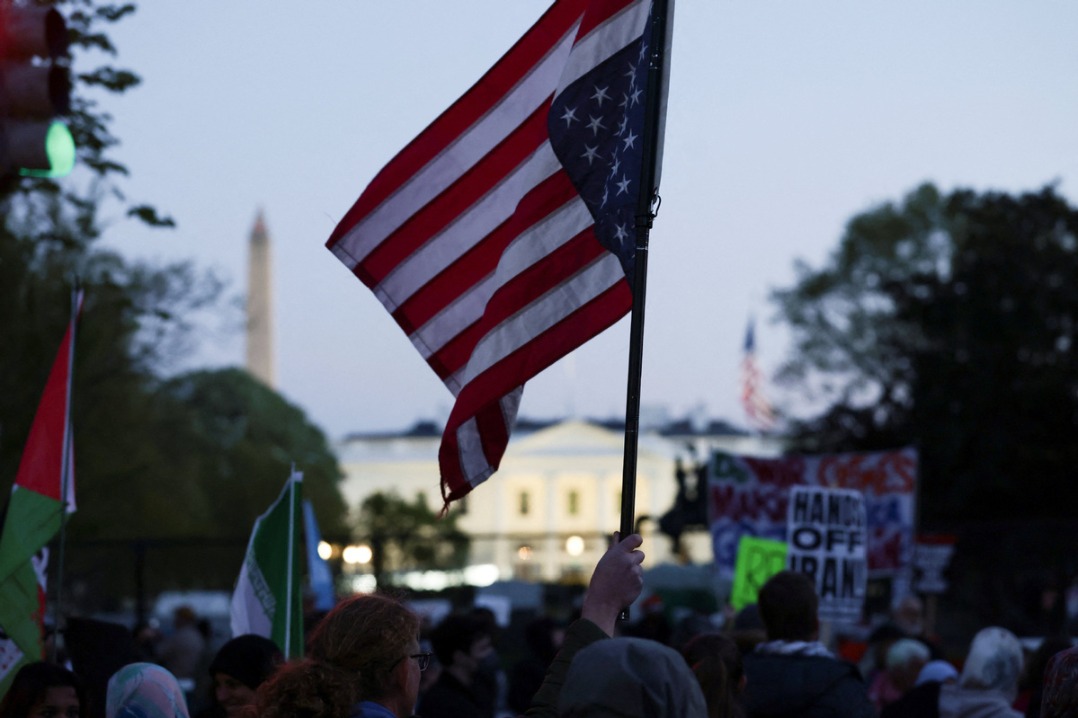
    For an unprecedented third consecutive day, Israeli authorities have maintained the complete closure of Jerusalem’s Al-Aqsa Mosque during the holy month of Ramadan, preventing Palestinian Muslims from accessing one of Islam’s most sacred sites. This extraordinary measure, implemented under what Israel describes as a security emergency following its military engagement with Iran, represents the first such closure during Ramadan in recent history.

    The Islamic Waqf, the Jordanian-appointed religious endowment responsible for managing the mosque complex, reports that only essential personnel are permitted limited access, with even basic provisions for guards being restricted. Sheikh Ikrima Sabri, former Grand Mufti of Jerusalem, condemned the decision as an unjustified violation of religious freedom that effectively transfers control from Islamic authorities to Israeli security forces.

    Historical context reveals the exceptional nature of this closure. While brief shutdowns occurred in 2014 and 2017 during periods of heightened tension, and during COVID-19 for public health reasons, no prolonged closure has been recorded since Israel’s occupation of East Jerusalem in 1967. The current shutdown affects what would normally be hundreds of thousands of worshippers during Ramadan.

    Parallel restrictions have been implemented at the Ibrahimi Mosque in Hebron, another significant religious site, where all prayers have been suspended indefinitely. Palestinian religious authorities report approximately 1,000 Jerusalem residents, including senior imams and Waqf employees, have received orders banning them from the Al-Aqsa site.

    Academic and Islamic Waqf Council member Dr. Mustafa Abu Sway characterizes these developments as the materialization of long-feared Israeli changes to the status quo at Islamic holy sites. The measures coincide with recent Israeli governance changes in the West Bank that critics describe as de facto annexation, raising concerns about permanent alterations to the administration of religious sites in occupied territories.

  • Drone strike targets Aramco oil refinery in Saudi Arabia

    Drone strike targets Aramco oil refinery in Saudi Arabia

    Saudi Arabian and Kuwaiti energy infrastructure came under attack on Monday, raising regional security concerns and triggering significant volatility in global oil markets. According to the Saudi defense ministry, two drones targeted the critical Aramco refinery complex in Ras Tanura. Ministry spokesperson Turki al-Maliki confirmed to Al Arabiya that both unmanned aerial threats were successfully intercepted by defense systems. The ministry attributed a subsequent limited fire at the facility to falling debris from the intercepted drones, emphasizing that no civilian casualties resulted from the incident. Saudi Arabia’s energy ministry quickly assured markets that the fire was contained and confirmed the attack caused no disruption to oil supply chains, though the refinery was temporarily shut down as a precautionary measure. The Ras Tanura complex represents one of the Middle East’s most significant energy hubs, boasting refining capacity of 550,000 barrels per day and serving as one of the world’s largest oil export terminals. Simultaneously, Kuwait experienced security incidents as witnesses reported smoke rising above a power plant in the country’s northern region. The Kuwait National Petroleum Company confirmed that debris fell on the Mina Al-Ahmadi refinery—another major processing facility—resulting in injuries to two workers while maintaining that operations continued uninterrupted. These coordinated events immediately impacted global energy markets, with Reuters reporting oil prices surging approximately 9% amid investor concerns that escalating regional tensions could disrupt Middle Eastern supply flows.

  • New semester kicks off for primary, secondary schools in many parts of China

    New semester kicks off for primary, secondary schools in many parts of China

    Educational institutions across China marked the commencement of the 2026 spring semester on March 2nd, with primary and secondary schools reopening their gates to millions of students. The academic resurgence witnessed coordinated operations from Beijing to various provincial districts, signaling the return to structured learning environments following winter breaks.

    In Beijing’s Pinggu District, educational facilities demonstrated meticulous preparedness as students engaged in inaugural classroom sessions. Photographic documentation captured the vibrant atmosphere of scholastic renewal, showing learners actively participating in educational activities designed to stimulate intellectual curiosity and academic engagement.

    This nationwide educational reactivation represents more than mere administrative scheduling—it embodies China’s sustained commitment to maintaining educational continuity and pedagogical development. The synchronized reopening across multiple regions reflects the comprehensive infrastructure supporting China’s academic calendar, ensuring uniform educational standards while accommodating regional variations where necessary.

    Educational authorities have implemented comprehensive measures to guarantee smooth transitional phases, incorporating both academic readiness and psychological adjustment protocols. The semester inauguration follows established patterns of China’s educational system organization, which emphasizes balanced development between academic rigor and student well-being.

  • Trump will award Medal of Honor to three US Army service members in White House ceremony

    Trump will award Medal of Honor to three US Army service members in White House ceremony

    In a solemn ceremony at the White House on Monday, three distinguished U.S. Army soldiers received the nation’s highest military honor, the Medal of Honor, with two awards granted posthumously. President Donald Trump presided over the event, continuing the presidential tradition of recognizing extraordinary valor in combat.

    The honorees spanned multiple generations of military service. Retired Command Sgt. Maj. Terry P. Richardson was recognized for heroic actions during the Vietnam War that directly saved approximately 85 fellow service members from certain death. Staff Sgt. Michael H. Ollis received the medal posthumously for his ultimate sacrifice in Afghanistan in 2013, where he displayed exceptional bravery during combat operations that claimed his life. Master Sgt. Roderick W. Edmonds, who passed away in 1985, was honored for his remarkable leadership and resistance while enduring captivity as a prisoner of war in Germany during World War II.

    The Medal of Honor represents the pinnacle of military recognition, awarded by the President in Congress’s name to service members who demonstrate exceptional courage and self-sacrifice far beyond normal call of duty. These awards highlight the enduring legacy of military heroism across different conflicts and generations, serving as a powerful reminder of the extraordinary sacrifices made by members of the armed forces throughout American history.

  • Saudi Arabia says it backed talks with Iran, not military action

    Saudi Arabia says it backed talks with Iran, not military action

    Saudi Arabia has officially refuted claims that it lobbied the Trump administration to initiate military action against Iran, firmly stating its consistent support for diplomatic resolutions. The denial comes amidst escalating tensions in the region following coordinated U.S. and Israeli strikes on Iranian targets.

    Fahad Nazer, spokesperson for the Saudi Embassy in Washington, explicitly denied recent media reports alleging Saudi pressure on the Trump administration. “At no point in all our communication with the Trump Administration did we lobby the President to adopt a different policy,” Nazer stated in a social media post. “The Kingdom of Saudi Arabia has been consistent in supporting diplomatic efforts to reach a credible deal with Iran.”

    The rebuttal responds to conflicting reports from major news outlets. The Washington Post had reported that Crown Prince Mohammed bin Salman advocated for military action during multiple phone conversations with former President Trump. Conversely, Middle East Eye reported that U.S. Senator Lindsey Graham traveled to Saudi Arabia in late February to convince the crown prince to support potential strikes.

    Regional tensions have intensified significantly following joint U.S.-Israeli operations that resulted in the deaths of several high-profile Iranian figures, including Supreme Leader Ayatollah Ali Khamenei and numerous military officials. Civilian casualties have mounted, with approximately 150 girls reported killed in a school strike in southern Iran last Saturday.

    European powers have entered the fray, with France, Germany, and the United Kingdom announcing their readiness to protect their interests and those of Gulf allies through “defensive action” if necessary. This development occurs alongside Iran’s continued retaliatory measures, including missile and drone attacks on Israeli and U.S. assets throughout the region.

    Analysts warn that prolonged conflict could fundamentally reshape regional alliances. Firas Maksad of Eurasia Group noted that “Iran is forcing the GCC up the escalation ladder,” suggesting Gulf states may need to consider enhanced responses or grant the U.S. greater operational freedom.

    The UAE’s Minister of State for International Cooperation, Reem Al Hashimy, indicated the possibility of opening airspace and military bases to support U.S. operations if Iranian retaliatory strikes continue. This marks a potential significant shift in regional security cooperation.

    Iran has announced new leadership following the recent targeted killings and has vowed revenge against participating nations. Among the confirmed casualties are several senior military figures, including Mohammad Pakpour, commander of the Islamic Revolutionary Guard Corps, and Defence Minister Aziz Nasirzadeh.

  • Europe defends military bases and struggles to evacuate citizens as it is drawn into the war on Iran

    Europe defends military bases and struggles to evacuate citizens as it is drawn into the war on Iran

    BRUSSELS (AP) — European nations are being reluctantly drawn into the escalating Middle East conflict between the U.S.-Israel alliance and Iran, despite having no direct involvement in initiating hostilities. The continent now finds itself compelled to implement defensive measures to safeguard military installations and coordinate evacuation operations for thousands of citizens trapped in conflict zones.

    The strategic importance of the Middle East to European interests cannot be overstated. The region serves as a critical trading partner and contains vital maritime routes essential for global commerce. Significant European populations reside in cities including Beirut, Dubai, and Jerusalem, while substantial Middle Eastern communities have established roots across European nations. This deep interconnection means European countries inevitably face consequences from a conflict they did not authorize.

    Britain, France, and Germany have declared their intention to collaborate with the United States in countering Iranian offensive capabilities, while explicitly avoiding direct combat participation. Notably, the United Kingdom has authorized American forces to utilize British military bases for operations targeting Iranian missile launch sites.

    The conflict’s proximity to Europe became alarmingly evident when a Shahed-type drone—an Iranian-developed weapon previously deployed by Russia in Ukraine—struck a British air base in Cyprus, the current holder of the EU’s rotating presidency. The incident forced Cypriot officials to publicly deny involvement in the hostilities. Consequently, several European nations have heightened security at transportation hubs including airports and rail stations.

    European leadership remains predominantly supportive of the U.S.-Israeli military campaign against Iran, viewing it as targeting a regime that has repeatedly arrested European citizens and challenged European economic interests. Spain emerged as a notable exception, with Prime Minister Pedro Sánchez condemning the military intervention as “unjustifiable, dangerous and outside of international law.”

    Beyond immediate security concerns, Europe faces substantial economic vulnerabilities. Iran has threatened maritime traffic through the Strait of Hormuz, a critical choke point through which approximately 20% of globally traded oil passes. In response, France is deploying additional warships to reinforce Operation Aspides, the EU’s naval mission protecting commercial shipping in the Red Sea and Gulf of Aden. Discussions are underway regarding potential enhancements to the operation’s mandate and rules of engagement.

    The European Union prioritizes preventing regional escalation that could trigger oil price surges and unpredictable migration patterns. EU foreign policy chief Kaja Kallas is scheduled to convene a meeting with Gulf Cooperation Council foreign ministers to reassure regional partners and coordinate diplomatic efforts. The EU remains committed to preventing Iranian nuclear weapon acquisition despite the collapse of the nuclear agreement following the U.S. withdrawal.

    Regarding Iran’s political future, European officials expressed solidarity with the Iranian people’s aspirations for human rights and fundamental freedoms, while acknowledging it is premature to endorse specific leadership candidates. The EU has explicitly ruled out engagement with any leadership influenced by Iran’s Revolutionary Guard, which was recently added to the bloc’s terror list.