作者: admin

  • Timothée Chalamet triggers backlash over ballet and opera remarks

    Timothée Chalamet triggers backlash over ballet and opera remarks

    Academy Award-nominated actor Timothée Chalamet has ignited substantial controversy within the performing arts community following his recent comments dismissing ballet and opera as irrelevant art forms. The incident occurred during a public conversation with fellow actor Matthew McConaughey at the University of Texas in February, where Chalamet expressed his perspective on cultural preservation efforts.

    During their discussion about cinema’s enduring legacy, Chalamet stated, ‘I don’t want to be working in ballet, or opera, or things where it’s like, ‘Hey, keep this thing alive, even though like no one cares about this anymore.” The actor quickly appended, ‘All respect to all the ballet and opera people out there,’ seemingly anticipating potential backlash.

    The remarks have drawn sharp criticism from prominent figures across the performing arts spectrum. Canadian mezzo-soprano Deepa Johnny characterized Chalamet’s perspective as a ‘disappointing take,’ while Hollywood veteran Jamie Lee Curtis questioned via Instagram Story, ‘Why are any artists taking shots at any other artists?’ Johnny emphasized the importance of artistic solidarity, advocating for cross-disciplinary collaboration to elevate all art forms.

    American artist Franz Szony delivered a particularly pointed response, noting, ‘Two classical art forms that have been around for hundreds of years, both of which take a massive amount of talent and discipline this man will never possess.’ Szony further suggested that Chalamet’s qualified apology revealed deeper artistic insensitivity.

    The ballet community mounted a vigorous defense of their art’s contemporary relevance. Choreographer Martin Chaix asserted that ballet remains ‘very much alive,’ arguing that in an era of rapidly evolving AI in cinema, the ‘unmediated human presence of ballet and opera becomes more essential, not less.’ The English National Ballet provided quantitative evidence of the art form’s vitality, reporting over 200,000 audience members for their performances and 65 million social media impressions.

    In an unexpected development, several institutions transformed the controversy into marketing opportunities. Seattle Opera created a bespoke promotional offer, providing a 14% discount using code ‘TIMOTHEE’ for select seats to their upcoming production of Carmen, humorously extending the offer to Chalamet himself. The incident has sparked broader conversations about artistic valuation, cultural preservation, and inter-disciplinary respect within the creative community.

  • Tunisian journalist’s focus at two sessions: AI and people-centered development

    Tunisian journalist’s focus at two sessions: AI and people-centered development

    Derouiche Asma, a correspondent for Arab China TV based in Tunisia, is providing her inaugural coverage of China’s pivotal annual political gatherings known as the Two Sessions. The journalist identified artificial intelligence and cutting-edge technological innovations as particularly captivating subjects that have stimulated substantial dialogue throughout Arab nations. She specifically referenced the humanoid robotics technology showcased during China’s Spring Festival Gala as exemplary of these advancements.

    Beyond technological developments, Asma observed distinctive characteristics in China’s governance approach through the Two Sessions proceedings. She noted the establishment of explicit annual objectives coupled with substantive deliberations addressing matters directly impacting citizens’ daily experiences. The reporter emphasized China’s dual focus on maintaining rapid economic expansion while simultaneously prioritizing qualitative development metrics.

    Her reporting provides an international perspective on how China’s political processes facilitate discussions on both technological progression and societal welfare, offering unique insights into the intersection of policy-making and public interest considerations that extend beyond mere economic indicators.

  • China to strengthen measures against misconduct in education, enhance equity: education minister

    China to strengthen measures against misconduct in education, enhance equity: education minister

    China’s Ministry of Education has announced a sweeping initiative to combat systemic issues within the nation’s education system, focusing on misconduct prevention and equity enhancement. Education Minister Huai Jinpeng revealed the multi-faceted strategy during a press conference at the ongoing fourth session of the 14th National People’s Congress in Beijing.

    The comprehensive plan addresses several critical areas including excessive tutoring practices, school bullying incidents, cafeteria operational irregularities, and textbook selection procedures. Minister Huai emphasized the government’s zero-tolerance approach, stating that violations would be addressed immediately upon detection with stringent measures to prevent recurrence.

    A significant component of the reform involves inter-departmental collaboration between education, public security, health, and market regulation authorities. This coordinated effort aims to create safer learning environments through enhanced monitoring and enforcement mechanisms.

    Demographic shifts have prompted the ministry to establish a national surveillance system for optimizing resource allocation. The strategy specifically targets urban centers experiencing population influx and regions with underdeveloped educational infrastructure for increased school placement opportunities.

    The initiative also includes adaptive resource distribution across various educational stages, supported by pilot programs for reduced-class-size teaching in qualified areas. Rural education will receive bolstered support through the expanded ‘silver age’ program recruiting retired educators and improvements to boarding facilities in township schools.

    Equity measures encompass increased public preschool availability, county high school revitalization projects, and guaranteed equal admission opportunities for migrant children, left-behind children, and students with disabilities.

  • Israeli commentator says Iran war could signal end of Sykes-Picot order

    Israeli commentator says Iran war could signal end of Sykes-Picot order

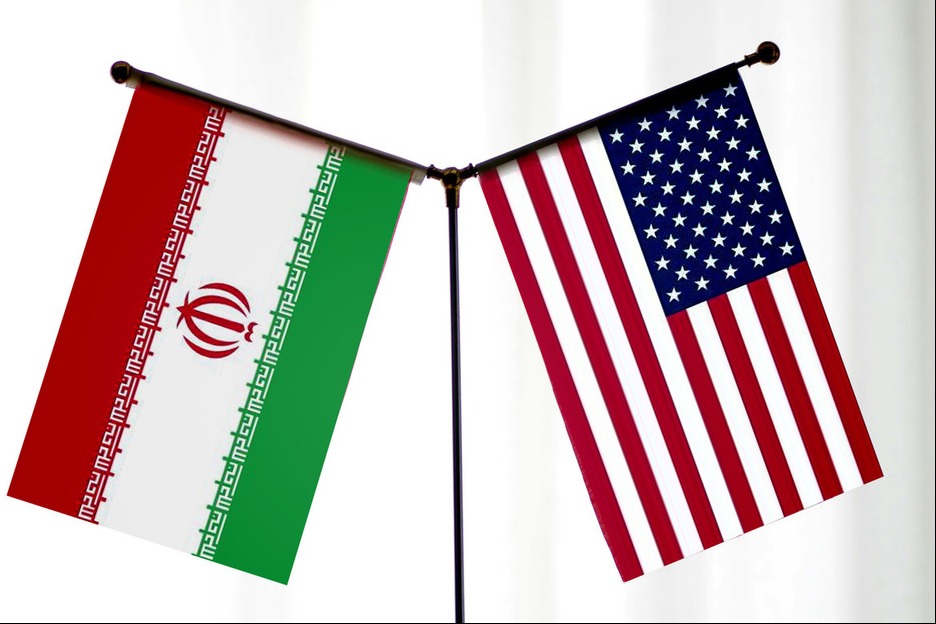
    A prominent Israeli geopolitical commentator has posited that the ongoing military confrontation between the US-Israel alliance and Iran may fundamentally dismantle the Middle East’s political architecture, potentially erasing the century-old regional order established following World War I.

    Meir Swissa, writing for the Israeli publication Yedioth Ahronot, characterized the conflict as a pivotal turning point that extends beyond mere military engagement. He contends this confrontation could ultimately nullify the Sykes-Picot Agreement of 1916 – the secret British-French accord that arbitrarily divided the collapsed Ottoman Empire’s territories into modern nation-states based on Western spheres of influence rather than indigenous socio-political structures.

    The commentary suggests the weakening of Iran’s regional network through allied movements and governments could expose the fragility of Tehran’s Shia axis across the region. Swissa describes a paradoxical situation where Israel effectively acts on behalf of Sunni Arab interests by confronting Iranian expansion, with some Arab states quietly benefiting from diminished Iranian power despite their public reluctance to engage directly.

    According to this analysis, the degradation of Iran’s military proxies could trigger a regression to pre-Westphalian political models dominated by tribal, clan-based, and local emirate structures rather than modern nation-states. Swissa further speculates that Kurdish groups might emerge as significant actors in this geopolitical transformation, potentially leading to entirely new regional arrangements.

    The assessment references previous warnings from former US special envoy Tom Barrack, who in August 2025 indicated Israel’s diminishing commitment to maintaining Sykes-Picot established borders and potential ambitions toward Lebanon and Syria. Current escalations – including joint US-Israeli attacks eliminating Iranian leadership, ballistic missile deployments, strikes in Lebanon’s Bekaa Valley, and humanitarian crises with approximately 500,000 displaced persons – appear to be accelerating this geopolitical unraveling.

    This analysis emerges against a backdrop of extreme regional tension following the targeted killing of Ayatollah Ali Khamenei and other senior Iranian leaders, with President Trump demanding Iran’s unconditional surrender while NATO enhances its ballistic missile defenses following incidents near Turkey.

  • War in the Middle East: latest developments

    War in the Middle East: latest developments

    The Middle East conflict entered a dangerous new phase this weekend as Israel intensified military operations against Iranian targets and Hezbollah positions. Israeli forces conducted precision strikes on Revolutionary Guard facilities in Tehran and Isfahan, following an extensive overnight operation involving approximately 80 fighter jets. Concurrently, Israeli forces targeted Hezbollah command centers and weapons storage facilities across southern Lebanon and the Beqaa Valley, resulting in several casualties among the group’s leadership.

    The regional tension significantly disrupted air travel, with Dubai International Airport—the world’s busiest for international travel—temporarily suspending operations before partially resuming services following air defense activity in the area. Similar disruptions were reported in Bahrain’s capital Manama, where warning sirens prompted residents to seek shelter.

    Iranian President Masoud Pezeshkian delivered a defiant statement, asserting that Iran would not surrender to Israeli and American pressure. While apologizing to neighboring countries for recent attacks, he issued a stern warning that further Iranian missiles would only be launched if attacks originated from those territories. Simultaneously, Iran’s Revolutionary Guards claimed responsibility for targeting an oil tanker in the Gulf and conducted operations against separatist groups in Iraq’s Kurdistan region.

    The diplomatic response intensified as Saudi Arabia’s Defense Minister Prince Khalid bin Salman called on Iran to ‘avoid miscalculation’ following repeated missile and drone attacks against the kingdom. The Arab League scheduled an emergency meeting for Sunday to coordinate response to Iranian attacks on Arab territories, with several Gulf states participating.

    Meanwhile, the United States approved emergency weapons sales to Israel, authorizing 12,000 bomb casings to bolster Israeli defense capabilities amid the escalating conflict. The Israeli military remained on high alert, responding to Iranian missile attacks that triggered air raid sirens across the country.

  • Fighting disrupts shipping, threatening Africa trade

    Fighting disrupts shipping, threatening Africa trade

    The escalating conflict in the Gulf region has unleashed severe disruptions across East Africa’s trade networks, with major shipping companies abandoning traditional routes through the Red Sea and Suez Canal. Global carriers including Maersk, CMA CGM, and Mediterranean Shipping Company have suspended sailings through these critical maritime corridors, redirecting vessels around South Africa’s Cape of Good Hope instead.

    This strategic rerouting threatens to cripple East African exports, particularly perishable commodities. The extended journey—increasing transit times from 20 days to potentially 45 days—jeopardizes cold-chain logistics and threatens significant financial losses for regional exporters.

    Kenya’s agricultural sector faces immediate jeopardy. The East African Tea Trade Association warns that the country could lose up to 25% of its Middle Eastern tea market if hostilities persist. Meanwhile, Kenya’s meat export industry reports over 200 metric tons of product stranded in cold storage facilities, with daily exports of 130 tons completely halted.

    Agayo Ogambi, CEO of the Shippers Council of Eastern Africa, emphasized the critical timing for exporters handling perishables like avocados. “The extended transit will lead to cold-chain disruptions, higher rejection rates by buyers, and substantial financial losses,” Ogambi stated.

    Waweru Kamau of Juja International Abattoirs detailed the crisis: “All meat prepared for shipment remains frozen in our facilities. We’ve suspended operations and sent staff home as our primary market—the Middle East, particularly the UAE which accounts for 60% of exports—becomes inaccessible due to route disruptions.”

    The ripple effects extend beyond immediate cargo delays, threatening to increase freight charges at major East African ports including Mombasa, disrupt container circulation systems, and potentially trigger broader economic consequences across the continent’s trade-dependent economies.

  • 24 US states sue to block new tariffs

    24 US states sue to block new tariffs

    A coalition comprising 24 American states, spearheaded by Oregon, has initiated a formidable legal challenge against the Trump administration’s latest tariff impositions. The lawsuit, formally lodged with the US Court of International Trade on Thursday, represents a significant escalation in the ongoing constitutional conflict between state governments and federal executive power.

    The legal filing contends that President Donald Trump’s most recent tariff announcement fundamentally violates established federal statutes, contravenes the constitutional separation of powers doctrine, and constitutes a clear breach of the Administrative Procedure Act. Oregon Attorney General Dan Rayfield emphasized that the legal action specifically targets the administration’s persistent efforts to implement worldwide tariff increases without obtaining mandatory congressional approval.

    ‘Current priorities should focus on restitution for citizens rather than perpetuating unlawful tariff policies,’ Rayfield asserted in an official statement. He highlighted the severe financial strain already burdening American households through escalating costs for essential goods including groceries and clothing.

    The litigation emerges following a crucial February 20th ruling by the US Supreme Court that declared previous tariffs imposed under the International Emergency Economic Powers Act (IEEPA) unlawful. In response to this judicial setback, the administration pivoted to Section 122 of the Trade Act of 1974 as revised legal justification for implementing new 10% tariffs, subsequently threatening escalation to 15%.

    Legal experts note that Section 122 authorizes tariffs exclusively under specific circumstances involving ‘large and serious balance-of-payments deficits’ – conditions that standard trade deficits do not satisfy according to the plaintiffs. The implemented tariffs possess a 150-day duration limit absent congressional extension, though administration officials simultaneously pursue more permanent tariff mechanisms.

    Concurrently, a federal magistrate issued a Wednesday directive mandating government reimbursement for IEEPA tariffs, potentially returning $168-182 billion to affected importers according to budgetary analysts. Supporting the states’ position, Federal Reserve Bank of New York researchers determined that nearly 90% of 2025 tariff costs were ultimately borne by American consumers and businesses. Regional impact assessments suggest Oregon families alone could face over $1,200 in additional annual living expenses should the tariffs remain effective.

  • Voices from the front lines

    Voices from the front lines

    As China’s pivotal Two Sessions convene in Beijing, grassroots representatives from diverse regions are transforming local aspirations into national policy frameworks. Among them, Zheng Wangchun, Party secretary of Gulu village in Sichuan province, exemplifies how community-driven initiatives are gaining legislative traction.

    Gulu village’s remarkable transformation from an isolated cliffside settlement—once accessible only by precarious vine ladders—to a thriving tourist destination demonstrates the tangible impact of rural revitalization policies. Zheng’s strategic use of social media documentation showcasing the village’s dramatic mountain trails catalyzed its viral recognition, creating unprecedented economic opportunities.

    Rather than relying on transient internet fame, Zheng has implemented sustainable development models including homestay operations, scenic viewpoint development, and agricultural specialization in local produce like walnuts and peppers. His current legislative focus addresses practical infrastructure needs, support systems for vulnerable demographics, and long-term rural development strategies.

    The National People’s Congress deputy represents a new generation of policymakers who bridge grassroots realities with national governance. His approach combines digital innovation with traditional community engagement, conducting firsthand visits to assess local business development and ensure policy proposals reflect genuine community needs.

    This bottom-up governance model characterizes China’s contemporary political advisory system, where practical field experience informs national policy formulation. The ongoing Two Sessions provide institutional channels for transforming localized success stories into scalable national strategies, particularly in rural revitalization and balanced regional development.

  • Pipeline potential of mini lab-grown organs

    Pipeline potential of mini lab-grown organs

    The global healthcare landscape faces unprecedented challenges as chronic diseases now account for over 70% of worldwide mortality, creating immense economic and social burdens that escalate with aging populations and evolving lifestyles. This pressing reality has exposed the limitations of conventional research methodologies, which increasingly fail to decipher complex disease mechanisms or accelerate drug discovery effectively.

    A transformative solution has emerged through organoid technology—miniature, self-organizing three-dimensional structures cultivated in vitro that faithfully replicate both normal and pathological human tissues. These sophisticated biological models provide unprecedented platforms for investigating disease progression, testing drug efficacy and safety, and advancing personalized medicine approaches. Their high-throughput capability and physiological accuracy have positioned organoids as breakthrough technology with revolutionary potential.

    The convergence of organoid science with complementary disciplines including biomaterials, microfluidics, and artificial intelligence-driven drug discovery is catalyzing innovation across biomedical sectors. This interdisciplinary synergy is particularly valuable amid tightening global regulations on animal experimentation, as organoids offer ethically superior, human-relevant alternatives that minimize animal use while enhancing scientific validity.

    Globally, nations are strategically positioning themselves within this emerging field. The United States, European countries, and Japan have established significant footholds by prioritizing organoid applications in pharmaceutical development, animal welfare initiatives, and regenerative medicine. These investments reflect the technology’s dual promise: advancing scientific discovery while generating competitive industrial advantages.

    China has demonstrated remarkable progress in organoid research, ranking second globally in publication output and leading in patent filings. Domestic enterprises have achieved notable success developing diverse organoid models, with outcomes already integrated into research pipelines of both Chinese and international pharmaceutical companies. Recent regulatory advancements have further accelerated development, with China’s National Medical Products Administration formally recognizing organoids as supportive tools for evaluating stem cell products (January 2024) and designating them as non-clinical models for rare disease drug development (June 2025).

    The October 2025 regulations on emerging biomedical technologies marked a pivotal milestone, propelling China’s organoid technology into a phase of formal legal and systematic advancement. Strategic alignment with national priorities during the 15th Five-Year Plan period (2026-30) underscores the technology’s importance to China’s biomedical future.

    Standardization and industrialization efforts are progressing worldwide, with the US National Institutes of Health establishing its first national-level standardized organoid modeling center in September 2025, followed by the UK government’s £75.9 million commitment to replace animal tests with organoid models in November 2025.

    Within this competitive landscape, China faces the strategic imperative of establishing autonomous, human-relevant organoid biobanks. While initiatives like the Ministry of Education-approved Organoid Resource Bank at Nanchang University represent progress, comprehensive national planning and coordinated promotion remain essential for securing China’s biological assets and scientific data sovereignty.

    Future success will require establishing national-level high-standard organoid repositories, developing technical standards and ethical governance systems with Chinese characteristics, and fostering deeper integration between organoid biobanks and related fields including biomaterials, smart devices, multimodal data, artificial intelligence, and pharmaceutical development. The intelligent convergence of organoid data systems with AI capabilities promises to enhance predictive accuracy, refine personalized treatment strategies, and establish more efficient research and development platforms.

    Through systematic planning and coordinated advancement, organoid technology holds potential to drive high-quality transformation across the biopharmaceutical industry, ultimately ushering in a new chapter for global healthcare innovation.

  • Stable energy, mineral supply chains urged

    Stable energy, mineral supply chains urged

    In a significant address to the United Nations Security Council on Thursday, China’s Permanent Representative Fu Cong issued a compelling call for international action to safeguard global energy and critical mineral supply chains against escalating disruptions. The ambassador’s urgent appeal comes amid mounting geopolitical tensions in the Middle East that have severely compromised maritime transportation routes and raised alarms about worldwide economic stability.

    Ambassador Fu highlighted how recurring conflicts in resource-rich regions like the Middle East and Africa have dramatically impaired normal production and transportation operations for essential energy resources and critical minerals. He emphasized that the current situation in the Strait of Hormuz—a vital corridor for energy shipments from Gulf nations—has become particularly concerning due to recent military activities and security threats.

    The Chinese diplomat urged all parties to immediately adhere to the fundamental principles of the UN Charter, resolve disputes through peaceful dialogue, and ensure the protection of non-military targets. He specifically stressed the critical importance of maintaining secure and unimpeded navigation routes for global commerce.

    Fu presented a comprehensive vision for international cooperation, noting that the global distribution of energy and critical minerals remains ‘highly uneven,’ creating inevitable supply-demand mismatches across nations. He advocated for establishing a fair and transparent global economic and trade order while building an inclusive, open supply chain system that promotes mutually beneficial cooperation and peaceful resource utilization.

    The ambassador strongly cautioned against politicizing or securitizing energy and mineral issues, warning against Cold War mentalities and the formation of exclusive blocs with geopolitical motivations. He asserted that global industrial and supply chains represent the natural outcome of economic globalization and market mechanisms, noting that political manipulation or artificial interference would only further destabilize international markets and ultimately backfire on those responsible.

    Fu emphasized that countries’ sovereign rights over natural resources must be fully respected, and developing nations should be empowered to leverage their resources for economic advancement rather than being confined to lower-value segments of global supply chains. He called on relevant countries to abandon outdated colonialist approaches, respect other nations’ development paths, and engage in equitable commercial cooperation without resorting to resource exploitation or military coercion.

    The ambassador also highlighted China’s leadership role as the world’s largest producer, consumer, and trader of minerals, referencing Beijing’s International Economic and Trade Cooperation Initiative on Green Mining and Minerals announced at last November’s G20 summit in South Africa. This initiative aims to advance sustainable development within the global mining sector while maintaining stable, fair, and mutually beneficial supply chains.