A growing diplomatic and political controversy has emerged over the fate of 13 Australian citizens – nine children and four women – linked to former Islamic State fighters, after the group was released last month from the Al-Roj detention camp in northeastern Syria and blocked from traveling to Damascus to arrange their return home. The Syrian government publicly confirmed last week to the Associated Press that it halted the group’s travel to the capital’s airport, stating that Australian federal authorities had explicitly refused to accept the group back into the country. The case has put the Albanese government under intense scrutiny from opposition lawmakers, who accuse the cabinet of lacking transparency around its handling of the high-stakes national security issue.
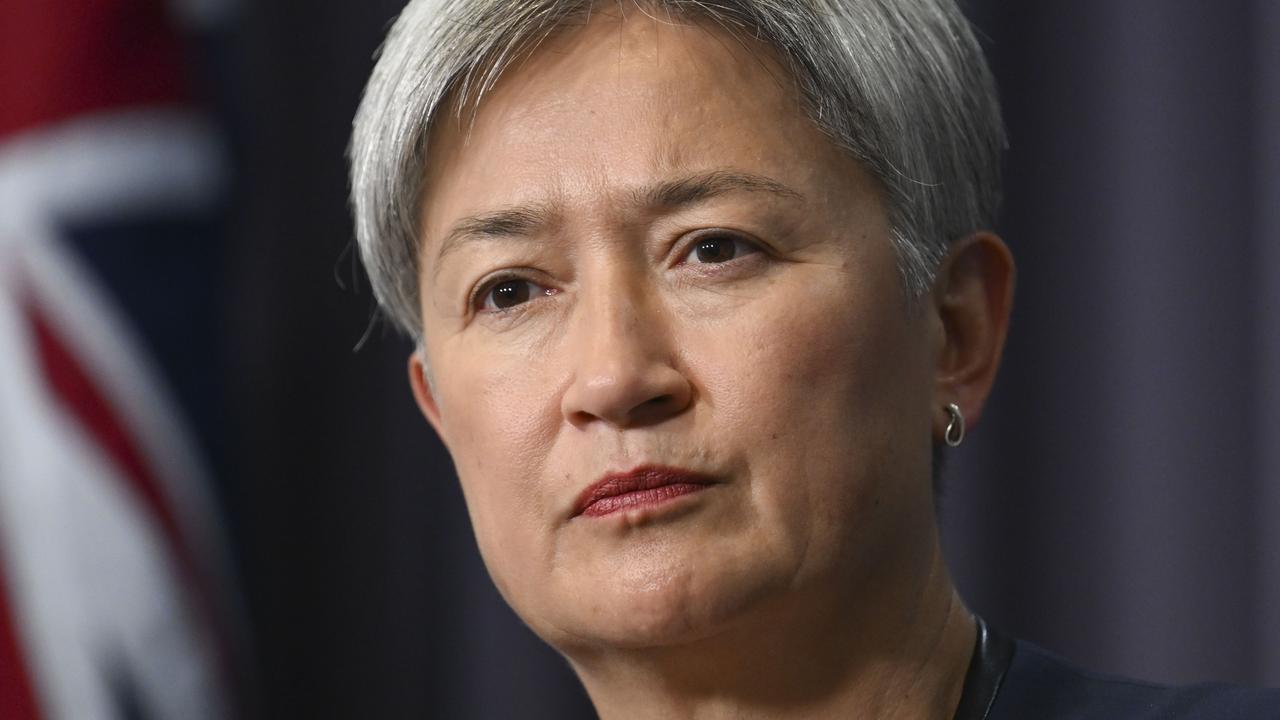
During an interview with the morning current affairs program *Sunrise* on Monday, Australia’s Foreign Affairs Minister Penny Wong repeatedly dodged direct questions about whether the Syrian government’s claims of an Australian refusal were accurate. When pressed to confirm if Canberra had rejected the group’s repatriation request, Wong declined to endorse the Syrian government’s statement, instead stating, “I can’t speak for the Syrian government. I can only speak for the Australian government, and what I am saying is we are not acting to repatriate them.” She further implied that the Syrian account aligns with the Australian government’s longstanding position of refusing to facilitate the group’s return, a policy that was maintained after a previous attempt by the group to reach Damascus was turned back by Syrian authorities in February.
Notably, Wong did acknowledge that as registered Australian citizens, the group holds an inherent legal right to enter and return to Australian territory, a fundamental entitlement under national immigration law. The federal government has not outlined how it intends to reconcile this legal right with its stated policy of refusing to actively repatriate the group.
In terms of national security preparations, Home Affairs Minister Tony Burke has already issued a temporary exclusion order for one adult member of the group, following an official security assessment from the Australian Security Intelligence Organisation (ASIO). When asked last week whether authorities would immediately arrest the group upon arrival, Burke emphasized he would not interfere in operational law enforcement matters, leaving all public announcements to the Australian Federal Police’s discretion. “There is no way I’ll interfere with anything operationally,” Burke stated.
Reports confirm that the group received new Australian passports with the support of Jamal Rifi, a well-respected Sydney-based community doctor who has long advocated for the repatriation of stranded children from Syrian detention camps.
The center-right Coalition opposition has ramped up criticism of the Albanese government’s handling of the case, accusing cabinet of both a lack of transparency and failure to fully utilize existing legal powers to block the group’s entry. Opposition Home Affairs Spokesman Jonno Duniam argued over the weekend that the government’s ambiguous stance poses an unacceptable risk to national security. “There seems to be equivocation and a lack of certainty, a lack of clarity, when it comes to something so important as national security and protecting us from a risk that I believe, and many Australians believe, ISIS brides would pose to the Australian community,” Duniam said.
The case comes amid shifting global dynamics around the detention of ISIS affiliates: since the collapse of ISIS’s self-declared caliphate in 2019, tens of thousands of foreign citizens, including many women and children, have been held in Kurdish-run detention camps across northeastern Syria, where most have been held in poor conditions. In recent months, as relations between Western powers and Syria’s new transitional government have begun to thaw, U.S. officials have actively pressured foreign governments to repatriate their citizens held in these camps, rather than leaving them stranded in Syrian territory.