作者: admin

  • HK’s safe-haven appeal to capital lauded

    HK’s safe-haven appeal to capital lauded

    Amid escalating geopolitical tensions and shifting international dynamics, Hong Kong is reinforcing its position as a premier safe harbor for global capital through its unique combination of institutional stability, growth potential, and technological advancement. The special administrative region’s appeal was prominently showcased during the fourth Wealth for Good Summit, which attracted approximately 400 family office decision-makers and successors from across Asia, Europe, the Americas, Oceania, and Africa.

    Co-hosted by the Financial Services and the Treasury Bureau alongside Invest Hong Kong, the ‘Building Lasting Legacies’ themed summit facilitated cross-sector dialogues exploring innovative approaches to intergenerational wealth management, cultural legacy development, philanthropic initiatives, and technological innovation.

    Financial Secretary Paul Chan Mo-po emphasized Hong Kong’s distinctive advantages during the summit’s gala dinner, stating: ‘Families seeking to preserve their legacy look for a safe haven—not merely a place to park capital, but a environment offering institutional strengths, legal clarity and credible commitments.’

    The data substantiates Hong Kong’s growing prominence: assets under management surged 13% annually to exceed $4.5 trillion in 2024—equivalent to 11 times the city’s GDP. This momentum persisted through 2025, with Hong Kong-domiciled funds recording robust net inflows of $45.8 billion. The city currently ranks as the world’s second-largest hub for ultra-high-net-worth individuals.

    Deputy Financial Secretary Michael Wong Wai-lun highlighted the city’s fundamental attractions: ‘Our common law legal system, independent judiciary, open economy, free capital flow, freely convertible currency, straightforward tax regime, and dynamic financial market collectively create an ideal environment for global family offices.’

    Significant regulatory enhancements are underway, with the SAR government preparing to expand preferential tax regimes for funds, family-owned investment holding vehicles, and carried interest by June. These reforms will grant family offices increased flexibility as qualifying investment vehicles expand to include private credit, precious metals, commodities, carbon credits, insurance-linked securities, and digital assets.

    The government has additionally implemented tax incentives to encourage philanthropic activities, while maintaining the absence of estate duty, capital gains tax, or dividend taxes—features particularly appealing to family office managers.

    Secretary for Financial Services and the Treasury Christopher Hui Ching-yu affirmed: ‘Hong Kong offers the safe harbor, policy stability, and sophisticated ecosystem that ambitious families require to transform vision into lasting impact. We remain fully committed to strengthening this foundation to position Hong Kong as a nexus of legacies and innovation.’

    The results are already materializing: Under Secretary Joseph Chan Ho-lim reported that over 20 family offices utilized InvestHK’s assistance to establish or expand their Hong Kong operations in January and February alone. As of February’s conclusion, InvestHK has facilitated 242 family offices in establishing or expanding their local presence—a 20% increase since September 2023. An additional 156 family offices are presently preparing or have committed to establishing operations in Hong Kong, with 60% originating from the Chinese mainland and Hong Kong, and the remainder from Europe, the United States, the Middle East, and other regions.

    Chan further noted that established family offices can leverage Hong Kong’s efficient refinancing platform for share placements, bond issuances, and diverse business operations, thereby expanding market breadth and depth. The evolving family office ecosystem is maturing into a powerful network that connects various family offices with alternative or impact investing opportunities, enabling effective resource integration.

  • ‘A game-changing moment for social media’ – what next for big tech after landmark addiction verdict?

    ‘A game-changing moment for social media’ – what next for big tech after landmark addiction verdict?

    A groundbreaking jury verdict in Los Angeles has delivered a seismic blow to tech giants Meta and Google, ruling their platforms Instagram and YouTube deliberately engineered addictive features while negligently failing to protect young users. The court ordered both companies to pay $6 million in damages to Kaley, a plaintiff who developed severe body dysmorphia, depression, and suicidal thoughts after using the platforms.

    The ruling represents a potential watershed moment for social media regulation globally. Legal experts describe it as ending the ‘era of impunity’ for technology companies that have historically operated with limited liability for user harm. Despite immediate appeals from both defendants—with Meta arguing no single app bears sole responsibility for teen mental health crises, and Google disputing YouTube’s classification as a social network—the verdict establishes critical precedent.

    Internal whistleblower testimony proved damning during proceedings. Former Instagram executive Arturo Bejar revealed he had warned CEO Mark Zuckerberg years ago about the platform’s dangers to children, stating the service evolved from ‘a product you used to a product that uses you.’ Meta has denied these allegations.

    The case exposes fundamental tensions between engagement-driven business models and user welfare. Social platforms rely on infinite scrolling, algorithmic recommendations, and autoplay features to maximize advertising exposure—practices now facing unprecedented legal scrutiny. While TikTok and Snap settled similar claims pre-trial, Meta and Google invested enormous resources in their defense, indicating the verdict’s profound commercial implications.

    Globally, regulatory momentum is building. Australia has already implemented under-16 social media bans, while the UK parliament debates similar restrictions through the Children’s Schools and Wellbeing Bill. This verdict strengthens arguments for age-gated access worldwide, with bereaved parents like Ellen Roome—whose son died following an online challenge—demanding immediate action.

    Legal scholars compare this moment to Big Tobacco’s historical reckoning, suggesting mandatory health warnings, advertising restrictions, and potential revisions to Section 230 protections that shield tech companies from content liability. As dozens of similar lawsuits advance through US courts, this ruling fundamentally redefines accountability standards for digital platforms engineered for maximum engagement.

  • Chinese researchers develop high-efficiency thin-film photovoltaic for space energy

    Chinese researchers develop high-efficiency thin-film photovoltaic for space energy

    Chinese researchers have made a significant advancement in photovoltaic technology with the development of a high-efficiency thin-film solar cell specifically designed for space applications. The breakthrough comes from the Institute of Physics at the Chinese Academy of Sciences, where scientists have achieved a certified efficiency rating of 16.6% for their CZTSSe photovoltaic technology.

    This innovation addresses critical needs in space infrastructure development and deep-space exploration, where solar technology must meet stringent requirements including lightweight design, radiation resistance, long operational lifespan, and sustainable resource utilization. The CZTSSe technology, composed of abundant elements including copper, zinc, and tin, offers distinct advantages over conventional solar solutions through its environmental friendliness, cost-effectiveness, and natural resistance to space radiation.

    Led by researcher Meng Qingbo, the team overcame fundamental challenges in material crystallization, atomic structure, and defect control. Their novel approach involved developing an atomic vacancy strategy that guides the precise positioning of copper and zinc atoms within the material matrix. This breakthrough fundamentally reduces defect activity and minimizes internal energy losses, resulting in significantly improved performance.

    The research team has already developed flexible cells and modules based on this technology, with the current efficiency level providing a solid foundation for industrial applications. Scientists project that once cell efficiency approaches 20% and module efficiency reaches 18%, enabling mass production, the technology will become commercially competitive and widely applicable in aerospace equipment and other advanced scenarios.

  • China to open 10 major scientific facilities to international academia in 2026

    China to open 10 major scientific facilities to international academia in 2026

    In a groundbreaking move for global scientific collaboration, China has announced it will grant international researchers access to ten of its most advanced scientific facilities throughout 2026. The announcement was made during the opening ceremony of the Zhongguancun Forum Annual Conference in Beijing, marking a significant step in international scientific cooperation.

    The facilities opening to global academia represent China’s cutting-edge research infrastructure, including the remarkable Five-hundred-meter Aperture Spherical Radio Telescope (FAST) in Guizhou province—the world’s largest single-dish radio telescope. Also available will be the Space Environment Simulation and Research Infrastructure in Heilongjiang province and the Experimental Advanced Superconducting Tokamak nuclear fusion research facility in Anhui province, among other premier installations.

    This initiative forms part of the Action Plan for International Cooperation in Open Science, launched collaboratively by China and international partners in 2025. The program aims to establish a more transparent, equitable, and non-discriminatory global environment for scientific and technological advancement. The move aligns with China’s broader strategy of driving innovation through high-level international partnerships, as outlined in the recently released 15th Five-Year Plan (2026-30) for national economic and social development.

    The policy framework emphasizes creating an open innovation ecosystem with global competitiveness while supporting collaborative efforts among scientists worldwide to address fundamental and frontier scientific challenges. This unprecedented access to China’s scientific infrastructure represents a new chapter in global research cooperation, potentially accelerating breakthroughs across multiple scientific disciplines.

  • Data product IPs drive value creation in Shanghai

    Data product IPs drive value creation in Shanghai

    Shanghai has emerged as a pioneering force in data intellectual property commercialization, generating approximately 19.6 billion yuan ($2.84 billion) in economic value through its groundbreaking data product IP registration system. The municipal initiative, launched in December 2024 as China’s first comprehensive data IP framework, has transformed how digital assets are valued, traded, and leveraged within the commercial ecosystem.

    The Shanghai Intellectual Property Administration (SIPA) revealed that 837 registered data products have facilitated economic activity through licensing agreements, market transactions, and service fees as of February 2026. Beyond direct monetization, the program has enabled 16 enterprises to secure 355 million yuan in loans using their data IP as collateral, demonstrating the tangible asset value now attributed to processed digital resources.

    Industry analysts characterize the IP registration mechanism as the critical bridge converting raw data from mere resource to recognized asset class. The framework establishes legal rights for individuals and entities over data resources that undergo substantial processing and innovation, creating commercially valuable intellectual assets. These rights encompass three primary categories: data processing collections, processed data products, and proprietary technical algorithms.

    SIPA officials emphasized that data has evolved into a fundamental production factor within modern economies, with proper ownership confirmation and registration serving as essential prerequisites for value creation. The administration has received over 1,500 registration applications since program inception, granting certification to more than 1,100 qualified data products from nearly 600 legal entities and 200 individuals.

    The applicant pool reflects Shanghai’s innovative economic structure, with over 80% representing high-technology enterprises or specialized innovative firms according to Xu Shang, head of SIPA’s strategic planning division. Registered products predominantly address artificial intelligence and biopharmaceutical applications—sectors aligned with Shanghai’s strategic industrial priorities—while also spanning financial services, educational resources, cultural content, and transportation systems.

    Notably, the judicial system has recognized data IP certificates as valid evidence in infringement cases. A landmark 2025 ruling by Nanjing Intermediate People’s Court awarded Taobao 30 million yuan in damages after the e-commerce platform successfully demonstrated proprietary rights over its processed data products. The case involved malicious data scraping through unauthorized browser plugins that circumvented Taobao’s commercial data services, generating approximately 23 million yuan in illicit revenue.

    This legal precedent reinforces the program’s significance in protecting data innovation investments while establishing clear ownership frameworks for derivative data products. Shanghai’s model demonstrates how systematic data IP management can accelerate digital economic growth while providing legal protection for increasingly valuable digital assets.

  • Israel strikes Iran as Tehran rejects US talks overture

    Israel strikes Iran as Tehran rejects US talks overture

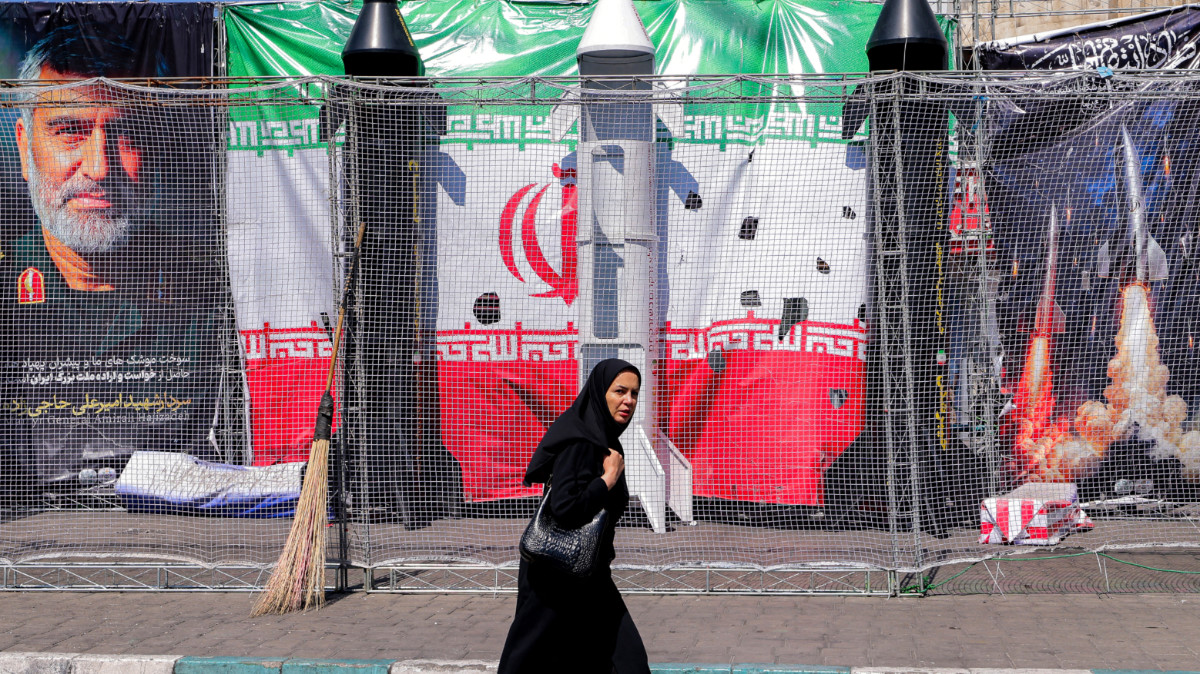
    Tensions in the Middle East reached new heights on Thursday as Israeli forces conducted extensive military operations against multiple Iranian targets. The offensive, described by the Israeli military as “wide-scale strikes targeting infrastructure,” hit locations in central cities including Isfahan and Shiraz, along with southern Bandar Abbas, northwestern Tabriz, and northeastern Mashhad—a region previously largely unaffected by the conflict.

    This escalation comes amid diplomatic tensions after Iran’s Foreign Minister Abbas Araghchi explicitly rejected negotiations with the Trump administration, stating on national television that Tehran’s current policy remains “the continuation of resistance.” While acknowledging message exchanges through “friendly countries,” Araghchi emphasized that “no negotiations have taken place.”

    The conflict, which began with joint US-Israeli attacks on February 28, has expanded dramatically across the region. Iran maintained its retaliatory measures against Israel, with medical officials reporting six people lightly wounded from missile attacks in central Israel. Meanwhile, the Gulf region witnessed fresh violence as debris from an intercepted Iranian ballistic missile killed two people near Abu Dhabi. Saudi Arabia reported intercepting at least 18 drones, while Kuwait confirmed additional missile and drone attacks.

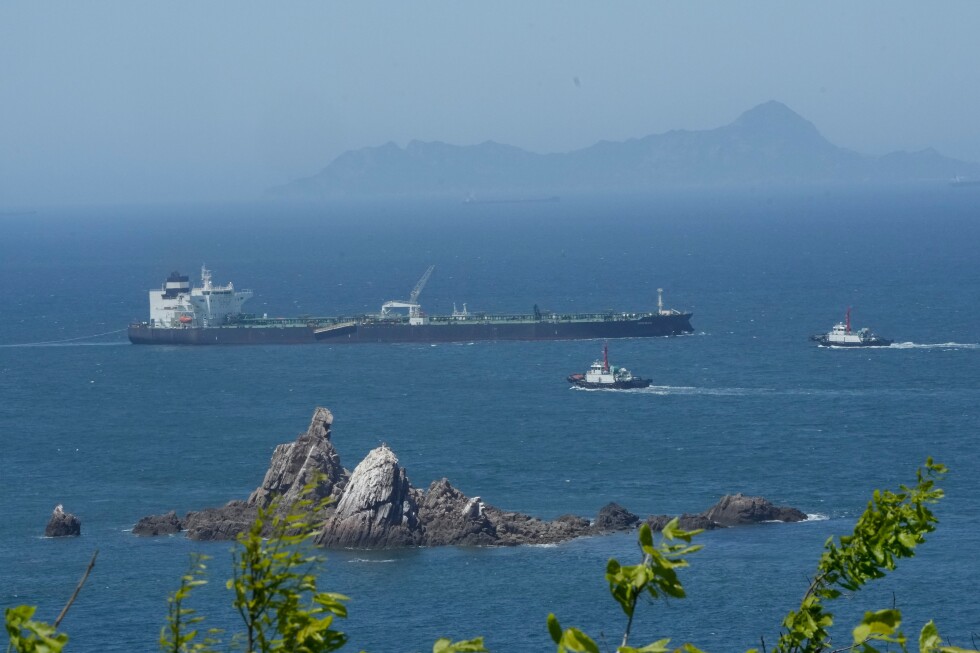
    Economic implications continued to concern global markets, particularly regarding Tehran’s partial blockade of the Strait of Hormuz—a critical passageway for approximately 20% of the world’s oil and gas. Although crude prices had declined recently as the Trump administration appeared to step back from regime change objectives, Thursday’s developments caused renewed market volatility.

    Diplomatic efforts faced additional complications as details emerged of a purported 15-point US peace plan reportedly communicated through Pakistan. However, Iran’s state-controlled media indicated Tehran had “responded negatively” and instead presented its own five conditions for ending hostilities, including guarantees against resumed attacks and compensation for damages.

    President Trump maintained at a Wednesday dinner with lawmakers that Tehran desired negotiations but feared acknowledging them publicly. “They’re afraid to say it because they figure they’ll be killed by their own people,” he stated, adding, “They’re also afraid they’ll be killed by us.”

    The conflict has drawn in additional regional actors, with Hezbollah launching over 80 attacks against Israel on Wednesday—the largest daily number in the current conflict—and targeting Israeli forces in nine border towns. Israeli Prime Minister Benjamin Netanyahu claimed the military had “created a genuine security zone” in southern Lebanon, where an Israeli soldier was killed in fighting on Thursday.

  • Australians worry about fuel supplies

    Australians worry about fuel supplies

    Australia is confronting a severe fuel supply crisis as escalating Middle East tensions trigger widespread panic buying and send gasoline prices to unprecedented levels. The situation has prompted authorities to implement emergency measures while urging consumers to avoid stockpiling behaviors that exacerbate shortages.

    According to New South Wales’ official fuel monitoring platform, Premium 95 gasoline reached a record A$2.58 per liter on Monday, significantly exceeding the previous high of A$2.27 recorded just twelve days earlier. Gas stations across the nation are displaying substantially higher prices while implementing purchase limitations and anti-hoarding notices. National broadcaster ABC reports that rural and regional stations are experiencing particularly acute shortages due to consumer stockpiling.

    Despite the visible disruptions, government officials maintain that adequate fuel supplies continue entering the country. The crisis stems primarily from the effective closure of the Strait of Hormuz, which has disrupted crude oil shipments from Australia’s primary suppliers in the Asia-Pacific region.

    Financial expert Lurion De Mello of Macquarie University warned that panic purchasing “risks creating the very shortages we are worried about,” noting that while gasoline supplies remain relatively secure, Australia’s diesel-dependent economy faces greater vulnerability to supply chain interruptions.

    University of Sydney supply chain management professor Ben Fahimnia characterized the situation as “primarily an upstream supply disruption” exacerbated by consumer behavior. He explained that panic buying creates false demand signals that ripple through the entire supply chain, ultimately driving prices higher across transportation and production systems.

    In response to the crisis, Prime Minister Anthony Albanese met with International Energy Agency Executive Director Fatih Birol and announced the release of 20% of national fuel reserves following agency recommendations. The government has implemented additional measures to secure supply chains and address distribution challenges.

    The Middle East conflict has simultaneously disrupted global liquefied natural gas supplies, driving international prices upward. ABC reports the Australian government is considering implementing a “windfall tax” on the domestic LNG industry to address resulting economic pressures.

  • ‘Hydrogen pony’ bikes gaining traction

    ‘Hydrogen pony’ bikes gaining traction

    In the streets of Chengdu, Sichuan province, a transportation revolution is quietly unfolding as residents embrace a novel form of clean mobility. The city has become the testing ground for hydrogen-powered shared bicycles, locally nicknamed ‘hydrogen ponies,’ which are transforming urban transportation with their innovative technology and impressive performance metrics.

    Qinglv Technology, a Chengdu-based startup, has deployed 11,000 hydrogen bicycles since August, accumulating over 550,000 registered users and facilitating more than 3.5 million rides. This represents one of the world’s first large-scale commercial operations of hydrogen-powered mobility solutions.

    The bicycles operate on a sophisticated hydrogen fuel cell system that generates electricity to power the vehicle. Each unit carries a compact storage tank containing 100 grams of hydrogen, enabling an impressive range of nearly 100 kilometers—approximately double the distance of conventional shared e-bikes. The pricing structure remains accessible at 2.5 yuan (36 cents) for the initial 10 minutes, with an additional one yuan charged for every subsequent five minutes.

    According to Yang Hao, co-founder of Qinglv Technology, the hydrogen bicycles employ groundbreaking solid-state hydrogen storage technology that combines hydrogen with a specialized metal powder. This innovative approach maintains internal pressure at just 2 MPa, significantly lower than conventional high-pressure hydrogen tanks that operate at 35-70 MPa. ‘This technology ensures that even in the unlikely event of a leak, it would occur gradually and pose minimal safety risks,’ Yang explained.

    The technological advantages become particularly evident in colder climates. While lithium batteries experience rapid energy depletion in low temperatures, hydrogen fuel cells maintain consistent performance regardless of temperature variations, making them ideally suited for northern winters.

    With strong governmental support, Qinglv Technology plans to expand its fleet by 15,000-30,000 additional bicycles within Chengdu this year. The company has also established partnerships to launch services in multiple Chinese cities including Hangzhou, Jinan, Sanya, Shenyang, and Ganzhou.

    International interest has surged, with the company securing orders for 50,000 units from markets across the Middle East, Europe, the United States, and Southeast Asia. These export models will require design modifications to accommodate local preferences and regulations.

    To support this growing demand, the company is constructing a new production facility in Xindu dedicated to manufacturing small-power hydrogen fuel cell systems specifically for bicycles. The facility, scheduled for completion by July, will boast an annual production capacity of 300,000 units.

    Yang acknowledges that current market penetration faces challenges due to the higher costs associated with onboard power generation and hydrogen storage systems. However, he projects that achieving mass production scale will drive costs down to levels comparable with lithium battery-powered alternatives.

    This innovation emerges against the backdrop of China’s massive electric bicycle market, which reached 380 million units in operation as of September 2025 according to the China Bicycle Association. LeadLeo Research Institute forecasts continued market expansion, with annual sales expected to grow from 51.2 million units in 2025 to 59.3 million units by 2030.

    ‘Our objective isn’t to replace lithium battery-powered bicycles with hydrogen alternatives,’ Yang emphasized. ‘There exists ample space for both technologies to coexist and complement each other within the evolving urban mobility landscape.’

  • Small theaters drive Changsha’s cultural rise

    Small theaters drive Changsha’s cultural rise

    Changsha, the capital of Hunan province renowned for its fiery cuisine and dynamic entertainment landscape, is experiencing a cultural transformation driven by an unexpected force: small-scale theaters. These intimate venues, typically seating fewer than 500 patrons, are becoming epicenters of creative expression and immersive tourism, attracting young travelers seeking authentic cultural engagement beyond traditional sightseeing.

    The phenomenon exemplifies a broader shift in China’s cultural tourism preferences, where interactive and participatory experiences are increasingly valued. At venues like the pioneering Xiaoma Theater, audiences don’t merely observe performances but actively contribute to them. The theater’s improvisational comedy nights regularly incorporate spontaneous audience input directly into shows, creating a unique co-creation dynamic that resonates particularly with younger demographics.

    Wu Xiangrong, a 23-year-old university student from Yueyang, represents this new generation of cultural consumer. After attending an improv comedy show, she described the experience as “less structured but far more engaging” than scripted performances, noting the “unexpected surprises” that characterize live interactive theater.

    The success of these venues stems from their distinctive characteristics: intimate performer-audience proximity, highly interactive formats, and accessible pricing. Li Weisheng, founder of Xiaoma Theater and known professionally as “Wei Daye,” emphasizes that “there is no ‘wall’ between on- and off-stage at small theaters.” He describes the atmosphere as “free, relaxing, engaging, grassroots-oriented and inclusive” compared to larger, more formal venues.

    The economic impact is substantial. In 2025 alone, Changsha hosted approximately 17,000 small theater performances, drawing 4.54 million spectators and generating box office revenues of 366 million yuan ($53 million). During peak travel periods like the National Day holiday, over half of attendees were tourists specifically seeking these cultural experiences.

    Beyond comedy, venues like Jiangtian Muxue Theater on Orange Isle offer historically-grounded immersive experiences. Their signature production, “Twilight River Dance of Snowflakes,” creatively blends Northern Song Dynasty history with modern dance and projection technologies. Unlike traditional theater, audiences move through various scenes alongside performers, becoming active participants in the narrative.

    According to Chen Zhangyi, branding director at Jiangtian Muxue Theater, tourist feedback significantly influences programming decisions. The venue has welcomed over 400,000 visitors since opening in November 2024, with approximately 60% being tourists. Many express surprise at both the quality of productions and the historical education they receive simultaneously.

    This cultural movement benefits from municipal government support optimizing the business environment for small cultural enterprises. The convergence of historical depth, contemporary creativity, and governmental encouragement has positioned Changsha as a model for cultural urban development, demonstrating how medium-sized cities can leverage their unique assets to drive both cultural enrichment and economic growth.

  • China-Brazil economic cooperation hailed

    China-Brazil economic cooperation hailed

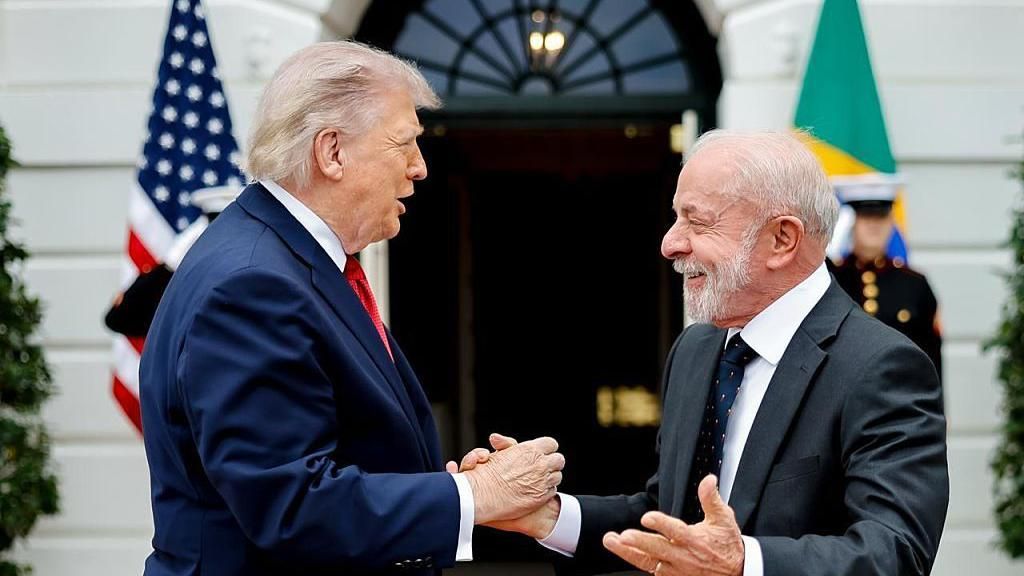
    Against a backdrop of global market volatility exacerbated by geopolitical tensions, China and Brazil are significantly strengthening their economic partnership, with officials and experts highlighting this collaboration as a catalyst for green transformation and technological innovation. The strengthened bilateral relations were the focal point of discussions at the recent Brazil-China economic conference in Shanghai.

    Brazilian Ambassador to China Marcos Galvao characterized the current international environment as a ‘rough sea,’ invoking a traditional Brazilian proverb about fishermen staying ashore during storms. However, he emphasized that nations must not remain passive but instead ‘set sail’ to navigate through challenges by reinforcing international law and diplomatic engagement while capitalizing on emerging development opportunities.

    The economic cooperation has evolved beyond traditional sectors, with Chinese investment now extending into Brazil’s manufacturing industry, which Ambassador Galvao noted creates technological spillover effects across South America through Brazil’s regional networks. The partnership has reached unprecedented levels across multiple domains including energy transition, logistics infrastructure, healthcare innovation, technological advancement, food security, and green finance, according to Marcos Caramuru of the Brazilian Center for International Relations.

    Shen Xin, Vice-President of the Chinese People’s Association for Friendship with Foreign Countries, highlighted the strategic shift in Chinese investments from conventional energy sectors like oil to cutting-edge industries such as electric vehicles, photovoltaic technology, artificial intelligence, smart agriculture, and ultrahigh-voltage power transmission. He particularly noted Brazil’s healthcare sector as one of the most accessible areas for foreign investment, suggesting substantial potential for collaboration between medical institutions, device manufacturers, and biotechnology firms from both nations.

    Former Brazilian Environment Minister Izabella Teixeira proposed enhanced Sino-Brazilian cooperation in climate action and natural resource management, advocating for scientific knowledge as a political instrument to advance climate solutions. She emphasized that both nations, as mega-biodiverse countries, should treat natural resources as strategic assets and explore biomass applications connecting energy and food security.

    Fang Li of the World Resources Institute China reported growing interest among Global South nations in co-creating investment and trade frameworks. She identified significant potential for Sino-Brazilian collaboration in green energy development and petroleum alternatives for chemical production, noting Brazil’s exceptional position with over 80% of its electricity generated from hydropower and abundant ecological resources.

    The energy transition demand in Brazil has created substantial opportunities for Chinese companies. Hangzhou Hexing Electrical now supplies over 60% of Brazil’s electricity meters, with company representative Shelley Wang noting rising demand for distributed photovoltaics, grid digitalization, and smart metering solutions. She emphasized that achieving Brazil’s energy transition goals requires not only technological advancement but comprehensive industrial chain restructuring and international cooperation.

    Ding Songbing of Shanghai International Port Group highlighted maritime trade’s crucial role in the bilateral relationship, noting their capacity to contribute expertise in modernizing and automating Brazil’s existing port infrastructure to support growing trade volumes between the two economic powerhouses.