作者: admin

  • Conflict in eastern Congo is escalating with use of heavy weapons and drones, UN warns

    Conflict in eastern Congo is escalating with use of heavy weapons and drones, UN warns

    UNITED NATIONS — The United Nations’ acting special envoy for Congo delivered an urgent warning to the Security Council on Thursday regarding the rapidly deteriorating security situation in mineral-rich eastern Congo. Vivian van de Perre reported that the conflict is intensifying and expanding geographically despite previous international pressure that forced Rwanda-backed M23 rebels to withdraw from Uvira in January.

    The UN official highlighted two particularly concerning developments: the conflict’s expansion from North and South Kivu provinces into Tshopo province, and the increasing use of heavy weapons and offensive drones in urban areas that endanger civilian populations and critical infrastructure. Van de Perre, who leads the nearly 9,000-strong UN peacekeeping mission MONUSCO, expressed specific concern about recent incidents affecting Bangoka Airport in Kisangani and areas within Goma town.

    Eastern Congo has endured decades of instability as government forces combat over 100 armed groups, with M23 being the most potent faction. The rebels made significant territorial gains early last year, capturing Goma and other key cities while expanding their control over mineral-rich areas. Van de Perre noted that M23 is now establishing parallel administrative structures in territories under its control, further undermining state authority and complicating humanitarian operations.

    The situation in Ituri province remains alarming according to the envoy, with one rebel group linked to numerous casualties while another has been systematically attacking mining sites. The conflict’s expansion toward Burundi’s border raises the risk of regional conflagration, van de Perre warned.

    Recent diplomatic efforts saw officials from Congo, Rwanda, and the United States meeting in Washington last week to coordinate de-escalation steps. Following her Security Council briefing, van de Perre emphasized to reporters that the “extremely volatile” situation requires implementation of all signed agreements, beginning with an immediate ceasefire followed by reopening airports and restoring freedom of movement for peacekeepers.

    Massad Boulos, senior adviser to President Trump on African and Arab affairs who chaired the council meeting, stated that MONUSCO remains “indispensable to the success of the peace process” and that resolving the eastern Congo conflict represents “a matter of highest priority” for the Trump administration.

  • Kylian Mbappé shakes off knee injury and sparks France’s 2-1 World Cup tuneup win over Brazil

    Kylian Mbappé shakes off knee injury and sparks France’s 2-1 World Cup tuneup win over Brazil

    In a highly anticipated World Cup preparatory match, France secured a 2-1 victory against Brazil at Gillette Stadium in Foxborough, Massachusetts. The encounter between these football powerhouses drew a massive crowd of 66,215 spectators, predominantly supporting the Brazilian side.

    French superstar Kylian Mbappé demonstrated his complete recovery from a previous left knee injury by scoring the opening goal in the 32nd minute. Receiving a precise through ball from Ousmane Dembélé, Mbappé expertly chipped the ball over the Brazilian goalkeeper to give France an early advantage. The Real Madrid forward, who had recently returned from a month-long absence due to the knee issue, confirmed before the match that his injury concerns were fully resolved.

    France extended their lead in the 65th minute when Hugo Ekitike converted a well-placed pass from Michael Olise within the penalty area. Shortly after contributing to the second goal, Mbappé was substituted from the match.

    Brazil managed to reduce the deficit in the 78th minute through Bremer, who redirected Luiz Henrique’s cross past French goalkeeper Mike Maignan. The match saw a significant turning point when France’s Dayot Upamecano received a red card following video review after fouling a Brazilian player with a clear scoring opportunity in the 55th minute.

    The friendly proceeded smoothly despite previous tensions between Foxborough officials and World Cup organizers regarding security funding, which was resolved two weeks prior to the match. The stadium itself underwent significant modifications to meet FIFA standards, including the installation of a natural grass surface replacing the artificial turf typically used by the New England Patriots and Revolution.

    The event attracted notable figures including Boston Celtics coach Joe Mazzulla, players including Jayson Tatum, and Massachusetts Governor Maura Healey, who participated in the pregame coin toss ceremony. The match also featured the implementation of FIFA’s new cooling break policy, which will be standard during the 2026 World Cup regardless of environmental conditions.

  • AFL 2026: Adelaide coach Matthew Nicks slams side’s poor start against Geelong

    AFL 2026: Adelaide coach Matthew Nicks slams side’s poor start against Geelong

    Adelaide Crows coach Matthew Nicks pinpointed a disastrous opening phase as the decisive factor in his team’s narrow defeat to Geelong on Thursday evening. Following the 13-point loss, Nicks candidly described his squad’s initial performance by stating, ‘we were still on the bus,’ highlighting a critical period where they conceded the first ten inside-50 entries.

    The Crows entered the match significantly hampered by the absence of key experienced players Jordan Dawson, Taylor Walker, Rory Laird, and Callum Ah Chee. Despite these challenges and widespread expectations of a straightforward Geelong victory, Adelaide demonstrated resilience and managed to compete on even terms with their more seasoned opponents for the majority of the contest after the poor start.

    Nicks acknowledged the potential impact of the missing leadership, noting that losing such experience undoubtedly challenges a team’s ability to control the game, especially with several players featuring in their first ten AFL matches. He expressed disappointment that the team’s depth was exposed so early, emphasizing that the opening ten minutes were an anomaly they must urgently review.

    In a positive twist, Adelaide fought back valiantly and even seized the lead during the final term following a long-range goal from Alex Neal-Bullen. Nicks, however, dismissed the differing break schedules—Adelaide played the previous Friday while Geelong was returning from a bye—as a contributing factor to the result.

    A concerning moment arose when defender Jordon Butts was removed from the field for a concussion assessment after a collision in a marking contest. Nicks reported the medical procedure was handled with utmost professionalism. Looking forward, the coach is optimistic about reintegrating Dawson, Laird, and Walker for the upcoming clash against Fremantle.

  • UAE envoy to US says ‘ceasefire not enough’ and calls for escalation in Iran war

    UAE envoy to US says ‘ceasefire not enough’ and calls for escalation in Iran war

    In a significant departure from traditional Gulf diplomacy, the United Arab Emirates has publicly advocated for a conclusive military resolution against Iran rather than a simple ceasefire in the ongoing regional conflict. Ambassador Yousef al-Otaiba articulated this hardened stance in a Wall Street Journal commentary, emphasizing that Tehran’s comprehensive threat portfolio—encompassing nuclear capabilities, missile systems, drone technologies, and proxy militant networks—requires definitive addressing.

    The Emirati diplomat revealed startling data indicating Iran has launched over 2,180 missiles and drones at UAE territories, substantially more than any other nation. This aggression, according to analysts, stems partly from the UAE’s growing security cooperation with Israel and the presence of foreign military installations within its borders.

    The UAE’s strategic positioning has evolved dramatically since formalizing relations with Israel through the 2020 Abraham Accords. This alignment has drawn sharp criticism from regional neighbors, with Saudi Arabian commentators accusing Abu Dhabi of becoming ‘Israel’s Trojan horse in the Arab world.’

    Despite these regional tensions, Ambassador Otaiba reaffirmed the UAE’s substantial $1.4 trillion investment commitment to the United States, asserting that strengthened economic ties mutually benefit both nations. This reaffirmation comes amid warnings that prolonged conflict could precipitate economic challenges for the Emirates.

    The UAE’s increasingly assertive rhetoric exposes deepening fractures within traditional Gulf alliances. Anwar Gargash, diplomatic adviser to the UAE presidency, openly questioned the silence of Arab League and Organisation of Islamic Cooperation regarding Iranian aggression, while former Dubai police chief Dhahi Khalfan Tamim advocated for strengthened ties with Western powers and Israel.

    Analysts interpret this messaging as reflecting a profound strategic gamble. The UAE has constructed its economic model on stability and openness to global capital, yet Iranian retaliatory strikes have compromised this carefully cultivated image. According to security expert Andreas Krieg of King’s College London, the Emirates seek to project control while actually responding verbally to Iranian military campaigns.

    The UAE’s positioning as a reliable military partner to the US carries significant risks, potentially winning favor with Washington conservatives while further antagonizing Tehran. This approach may increasingly isolate Abu Dhabi within its regional context as it tethers its security future more closely to American interests.

  • Met Police officer called Al Jazeera journalist ‘dog’ and ‘donkey’

    Met Police officer called Al Jazeera journalist ‘dog’ and ‘donkey’

    A serving Metropolitan Police officer has been placed under internal investigation following an off-duty incident involving the intimidation of an Al Jazeera journalist in London. The altercation occurred in Golders Green on Monday, where Special Constable David Soffer was captured on film among a group of men surrounding the news crew.

    The incident took place as Al Jazeera was reporting on an arson attack targeting ambulances owned by a Jewish charity, which police are investigating as an antisemitic hate crime. In widely circulated footage, Soffer—who was off-duty and wearing civilian clothing—verbally assaulted a Palestinian journalist, using derogatory Arabic terms including ‘dog’ and ‘donkey.’ He additionally told the reporter to ‘go back to Qatar’ and demanded he leave the area.

    The Metropolitan Police confirmed awareness of the incident and referred the matter to the Department of Professional Standards for assessment. A spokesperson emphasized the importance of press freedom, stating, ‘Journalists must be able to do their job without being subject to intimidation or harassment.’ The force acknowledged that although officers eventually intervened, the journalists were placed in a difficult situation that compelled them to leave.

    Soffer, who also operates a reputation management company, has since removed his affiliation with the Met from his LinkedIn profile. Meanwhile, the police are reviewing footage to determine whether any criminal offenses were committed. In a related development, two British men were arrested and released on bail in connection with the ambulance arson attack.

  • The Oscars will move to a new home outside Hollywood

    The Oscars will move to a new home outside Hollywood

    In a landmark decision that reshapes the future of Hollywood’s most prestigious ceremony, the Academy of Motion Picture Arts and Sciences has announced a dual transformation for the Oscars. Beginning in 2029, the Academy Awards will depart their longtime home at the Dolby Theatre on Hollywood Boulevard and relocate to the Peacock Theater within the L.A. LIVE complex in downtown Los Angeles. This strategic move coincides with a revolutionary shift in broadcasting, as the ceremony will abandon traditional network television for a global, free live stream on YouTube.

    The multi-year partnership with entertainment giant AEG, announced by Academy CEO Bill Kramer and President Lynette Howell Taylor, marks a significant homecoming. The Peacock Theater, with its expanded seating capacity, returns the Oscars to a more centralized location, reminiscent of its earlier venues like the Dorothy Chandler Pavilion and Shrine Auditorium. Todd Goldstein, AEG’s Chief Revenue Officer, emphasized that L.A. LIVE was specifically designed to host culturally defining global events, pledging to create an unparalleled experience that celebrates cinematic creativity and excellence.

    This relocation, an eight-mile journey away from the iconic Hollywood sign, concludes a 27-year tenure at the Dolby Theatre (formerly the Kodak Theatre), which has hosted the ceremony since 2002 amidst the storied Hollywood Walk of Fame. The final Oscars broadcast on ABC will be the centennial ceremony in 2028, held at the Dolby Theatre, before the dual transition to a new venue and streaming platform takes effect the following year. Academy leadership praised AEG’s unrivaled expertise in operating technologically sophisticated live performance venues, signaling a new era for the globally watched event.

  • Cubans face darkest hour as US blockade strangles island

    Cubans face darkest hour as US blockade strangles island

    A sudden power outage plunged a Havana press conference into darkness as Irish rap group Kneecap addressed international aid delegates, creating a starkly symbolic moment that encapsulated Cuba’s escalating crisis. The blackout on March 21, 2026—the third nationwide grid collapse that month—occurred just as the Nuestra America Convoy delivered over 35 tonnes of essential supplies to the island nation struggling under intensified US sanctions.

    The electricity failure exposed the brutal reality of Cuba’s energy shortage, immediately halting transportation, refrigeration, and communications systems. As night fell, Havana became almost entirely dark except for a handful of hotels powered by generators—a visible manifestation of the inequality created by US policies that restrict fuel to state systems while permitting supplies to private entities.

    President Donald Trump’s administration has dramatically tightened the six-decade economic blockade against Cuba, including comprehensive restrictions on oil, finance, and imports. In January 2026, Trump signed an executive order declaring Cuba “an unusual and extraordinary threat” to the United States, while publicly boasting about his ability to “take” the Caribbean nation. These measures have crippled Cuba’s economy and vital public services, with the infant mortality rate more than doubling since the end of the Obama-era détente.

    The humanitarian impact is most acute in healthcare facilities like Havana’s Covadonga hospital (renamed after Salvador Allende), where doctors struggle to maintain services with rationed generators and scarce medical supplies. Hospital director Dr. Milene Vazquez emotionally welcomed the arrival of antibiotics, chronic disease treatments, and other urgently needed medications from the international aid mission.

    Cuban President Miguel Díaz-Canel framed the situation as part of broader global tensions, linking Cuba’s plight to conflicts in the Middle East and describing the struggle as “war and hegemony trying to crush peace and multilateralism.” Meanwhile, Cuban Americans like Danny Valdes of Cuban Americans for Cuba are challenging the narrative that all exiles support the blockade, emphasizing that “solidarity across the Florida Straits is stronger than the politics of blockade.”

    As darkness enveloped Havana, the blackout served as a powerful reminder that resilience in Cuba now means organizing life around unpredictable outages, preserving food during brief power resurgences, and maintaining healthcare amid constant strain—all while facing what many Cubans fear might be impending regime change operations from the United States.

  • Global media and content creators to uncover colorful Guizhou

    Global media and content creators to uncover colorful Guizhou

    TONGREN, China – An international delegation comprising foreign journalists and digital content creators from over ten nations has converged in China’s southwestern Guizhou province for an unprecedented cultural immersion experience. The gathering marks the commencement of the “2026 China Storyteller Partnerships: Global Media and Content Creators Explore Colorful Guizhou” initiative, scheduled to officially launch on March 27 in Tongren city.

    The comprehensive five-day itinerary has been meticulously designed to showcase Guizhou’s diverse cultural heritage, natural wonders, and technological innovations. Participants will embark on a multifaceted journey beginning with traditional Dong ethnic performances and bonfire celebrations in Zhaisha Dong Village. The program subsequently leads to the majestic Fanjing Mountain, a UNESCO World Heritage Site renowned for its breathtaking biodiversity and spiritual significance.

    Further enriching the experience, delegates will engage with Jiangkou county’s distinctive matcha culture and participate in the unique local tradition of “Cave Basketball” – a sporting event held within Guizhou’s remarkable karst cave formations. The expedition continues through the dramatic landscapes of the Wujiang River Gorge National Scenic Area and the historically significant Zhongnanmen Historic and Cultural Tourist Area.

    The program culminates in Guiyang with attendance at the opening ceremony of the 20th Guizhou Tourism Development Conference, followed by an exploration of “Red Ribbon” – China’s pioneering immersive digital museum dedicated to preserving and presenting the legacy of the Long March through cutting-edge technological exhibits.

  • Tianjin can be springboard for wushu: Wu Jing

    Tianjin can be springboard for wushu: Wu Jing

    TIANJIN – As Tianjin becomes the first mainland Chinese city to host the World Youth Wushu Championships, International Wushu Federation ambassador Wu Jing has positioned the martial art as a vital conduit of Eastern philosophical wisdom. The acclaimed actor and martial artist emphasized that wushu transcends physical discipline, embodying the Chinese cultural principle of ‘harmony in diversity’ and the conceptual foundation that ‘stopping conflict represents the ultimate purpose of martial arts.’

    Wu articulated that global wushu promotion requires accessible, grassroots engagement strategies. ‘Our mission involves deploying straightforward, relatable methods to integrate wushu into everyday experiences, making its profundity tangible to international audiences,’ he stated during the championship events. This approach aims to resonate across diverse demographics and cultural backgrounds.

    Highlighting Tianjin’s rich wushu heritage, Wu endorsed the city as an ideal platform for this inaugural youth-focused global gathering. He expressed aspirations for young competitors to not only demonstrate athletic excellence but also evolve into cultural ambassadors post-tournament. The championships thus serve dual purposes: nurturing competitive talent and facilitating cross-cultural dialogue through traditional martial arts.

    The event marks a strategic effort by the International Wushu Federation to leverage youth engagement and celebrity advocacy in boosting wushu’s international profile. By combining athletic competition with cultural exchange, the federation seeks to transform perceptions of wushu from mere combat technique to a holistic practice integrating physical mastery and philosophical depth.

  • Israel extends Al-Aqsa Mosque closure until mid-April

    Israel extends Al-Aqsa Mosque closure until mid-April

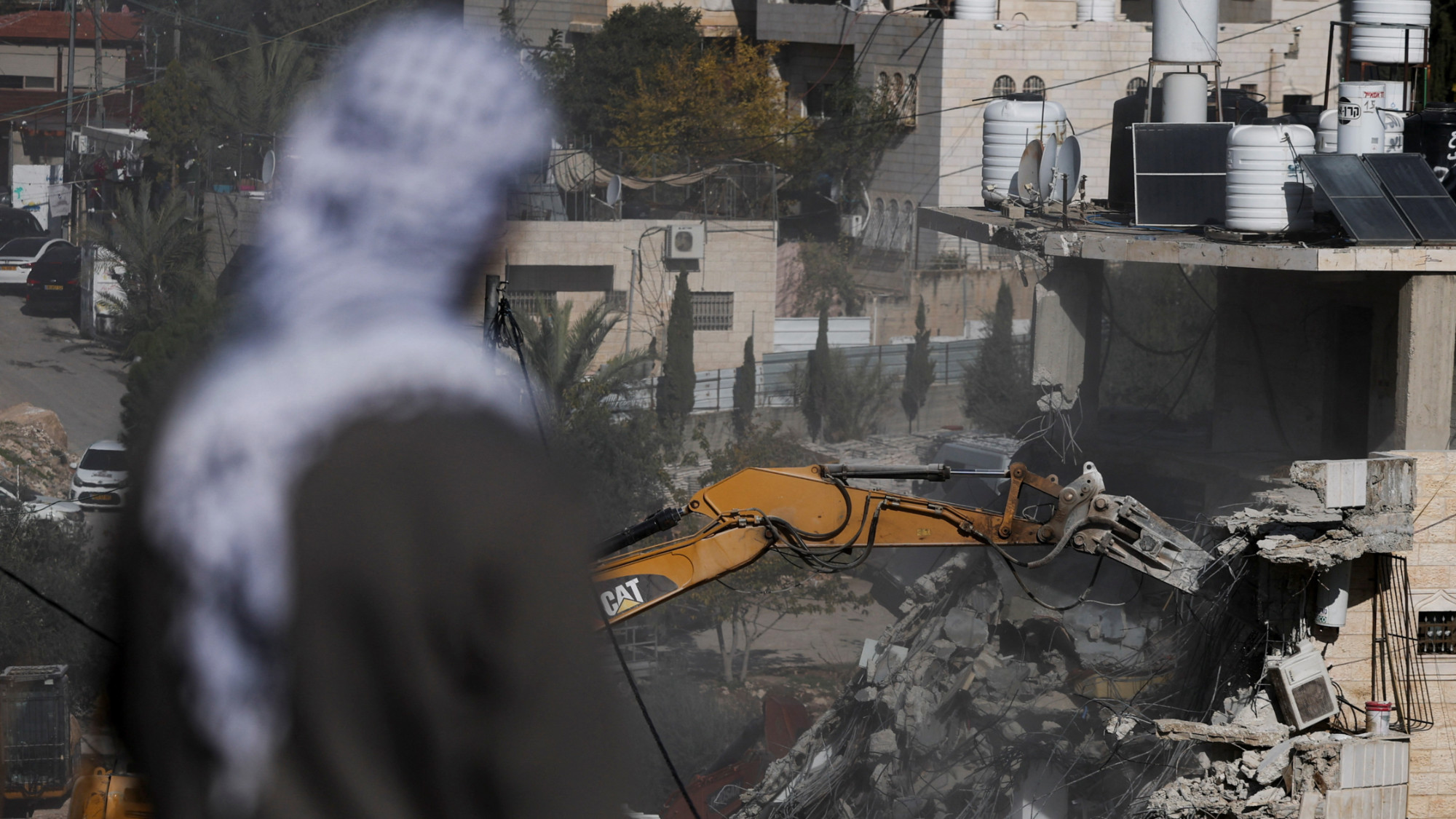
    Israeli authorities have prolonged the shutdown of Jerusalem’s Al-Aqsa Mosque, one of Islam’s most sacred sites, until at least April 15th, according to exclusive information obtained by Middle East Eye. This extension marks nearly a month of continuous closure, an unprecedented duration since Israel’s occupation of East Jerusalem in 1967.

    Official communications on Wednesday confirmed that Israeli officials notified the Jordanian-appointed Jerusalem Islamic Waqf, the administrative body overseeing the mosque, about the decision. The timeline beyond mid-April remains uncertain, with no guarantees of reopening. Israeli justification cites public safety concerns stemming from its military engagement with Iran that commenced on February 28th.

    Palestinian authorities and local worshippers strongly contest these claims, alleging that security pretexts mask a strategic effort to solidify Israeli control over the holy compound. This perspective gains traction amid ongoing initiatives to expand Jewish presence at the site while simultaneously restricting Palestinian access.

    The situation presents stark contrasts: while Jerusalem’s Old City remains under near-total lockdown, daily life in other parts of the city continues normally, including large gatherings and religious events. Critics highlight additional concerns regarding Palestinian safety, noting both the absence of adequate air raid shelters and the irony that Al-Aqsa itself contains underground facilities capable of sheltering hundreds during emergencies.

    International condemnation has been swift and widespread. The Palestinian Authority, multiple Muslim nations including Egypt, Jordan, Turkey, Saudi Arabia, Qatar, UAE, Indonesia, and Pakistan, alongside prominent religious leaders, have denounced the closure. Ekrima Sabri, former Grand Mufti of Jerusalem, condemned the measures as ‘unjustified’ and ‘illegal,’ asserting they violate worship freedoms and undermine the Waqf’s administrative authority.

    The Jerusalem Governorate characterized the closure as an ‘unprecedented escalation’ and accused Israel of implementing ‘dangerous Judaisation measures.’ These actions, they argue, constitute severe breaches of international humanitarian law and disrupt the established status quo governing holy sites. Israel’s control over East Jerusalem remains internationally contested, with many legal experts considering it a violation of international law prohibiting permanent changes in occupied territories.