作者: admin

  • Modi’s BJP conquers Bengal, one of India’s toughest political frontiers

    Modi’s BJP conquers Bengal, one of India’s toughest political frontiers

    For over a decade, Narendra Modi’s Bharatiya Janata Party (BJP) has reshaped India’s political map, sweeping through the Hindi-speaking heartland, expanding into the country’s western and northeastern regions, and dismantling long-dominant regional opposition. For years, however, one state stood as a stubborn outlier to Modi’s national advance: West Bengal. Culturally distinct and historically resistant to national BJP expansion, West Bengal’s 2026 state election emerged as one of the most consequential political contests in modern Indian history, with results that promise to reshape the trajectory of Modi’s 12-year national rule.

    With an electorate of more than 100 million people — larger than the entire voting population of Germany — this was no routine subnational election. When the final results were confirmed on Monday, the BJP secured a historic victory over three-term incumbent Mamata Banerjee and her Trinamool Congress (TMC) party, marking the completion of the BJP’s decades-long march to power across eastern India. “Winning Bengal is a big victory for the BJP – a land of promise that has long eluded its grasp,” explained author and veteran political journalist Nilanjan Mukhopadhyay.

    Monday’s election results upended political landscapes across southern India as well. In Tamil Nadu, the ruling DMK government led by MK Stalin was decisively ousted by movie star-turned-politician Vijay and his newly formed TVK party, bringing the era of film-led politics back to the state in dramatic fashion. In Kerala, the Congress-aligned United Democratic Front (UDF) defeated the ruling Left Democratic Front (LDF) after two consecutive terms in office, bringing an end to the last remaining Communist-led state government in India. Only in Assam did the BJP buck a national anti-incumbent trend to retain power, while the party and its coalition partners also held control of the federal territory of Puducherry. Even with these major shifts across the south, no result carried the national political weight of the BJP’s breakthrough in West Bengal.

    West Bengal has seen just one change in ruling government in nearly 50 years: the Communist Left Front held power for 34 years before Banerjee’s populist TMC took control 15 years ago. Political analysts have long characterized the state’s political system as one that favors long-ruling “hegemonic” parties, making the BJP’s victory all the more remarkable. Analysts note the outcome is not a sudden political upheaval, but rather the culmination of a 10-year incremental political project by the BJP. Unlike the party’s rapid takeover of Tripura or earlier breakthrough in Assam, West Bengal was never a quick conquest.

    “The BJP has been a major force in Bengal for three successive elections, consistently polling around 39% of the popular vote,” said Rahul Verma, a fellow at the Centre for Policy Research. Once the party solidified its base in the 39-40% vote share range, Verma explained, it only needed an additional 5-6% of the vote to cross the winning threshold. Final voting trends confirm the BJP secured just over 44% of the popular vote this cycle, enough to secure a majority. What makes this outcome particularly striking is that the BJP achieved this majority without building the deep grassroots organizational infrastructure that regional parties have historically relied on to win power in West Bengal. The TMC still maintained a denser on-the-ground network and retained the charismatic draw of Banerjee, yet the BJP held a commanding vote share even while facing accusations of political intimidation and fighting one of India’s most deeply entrenched regional parties. “That suggests,” Verma says, “the party’s support now extends beyond the limits of its relatively thin organisational structure.”

    What political shifts pushed the final result firmly toward the BJP? For 15 years, Banerjee’s TMC built an unbeatable social coalition, uniting women, Muslim voters, and large segments of the Hindu electorate across both rural and urban West Bengal. Women in particular formed the backbone of the TMC’s welfare-focused political strategy: a 2021 post-poll survey by Lokniti-CSDS found TMC support among women reached 50%, four points higher than support among men, a gap that reflected the impact of years of women-centered welfare programming and Banerjee’s work expanding women’s political representation. This election cycle, the BJP directly targeted this TMC advantage, rolling out its own promises of larger direct cash transfers and expanded social welfare benefits.

    “Banerjee’s long electoral success rested on a delicate equilibrium between welfare and organisation. But the very organisation that sustained her for 15 years also became her Achilles’ heel,” said political scientist Bhanu Joshi. “That balance broke down as the party machinery weakened and welfare politics appeared to reach its limits – voters began to see benefits as routine rather than transformative. The BJP’s opening was to translate this anti-TMC fatigue into a sharper language of Hindu consolidation. So this is not simply a story of welfare failing; it is a story of welfare and organisation no longer being strong enough to contain polarisation,” Joshi added.

    The election also reaffirmed the critical role of Muslim voters in West Bengal’s political math, even as final details of voting patterns remain preliminary. Muslims make up roughly 27% of the state’s population, and nearly a third of legislative seats have majority or plurality Muslim populations. In the 2021 election, the TMC won 84 of 88 Muslim-majority seats, reflecting a broad consolidation of Muslim support behind Banerjee. While early data indicates the TMC retained significant Muslim support this cycle, the BJP worked to offset this advantage through Hindu voter consolidation and competing welfare promises. “The BJP combined an aggressive welfare pitch with sharper polarisation. It promised to double cash benefits, while visible communalisation consolidated sections of the Bengali Hindu vote behind the party,” said Maidul Islam, a political scientist at Kolkata’s Centre for Studies in Social Sciences.

    BJP leaders, however, frame the result as a rejection of TMC governance rather than an ideological victory. The TMC created a “crisis of leadership for itself,” senior BJP leader Dharmendra Pradhan told reporters, accusing the party of “arrogance” and claiming that “voters, particularly women angered by atrocities and law-and-order failures, had decisively rejected the Trinamool Congress.”

    A major point of controversy throughout the campaign was the fiercely debated special revision of West Bengal’s electoral rolls. The Election Commission of India framed the process as a routine cleanup to remove duplicate and ineligible voter registrations. But with nearly three million voters still waiting for tribunal decisions on their registration status before polling began, Banerjee, activists and civil society groups alleged the process amounted to a “mass disenfranchisement exercise” that disproportionately targeted poor, minority, and migrant voters in border districts. Analysts note the controversy will likely face increased scrutiny in closely fought seats where the winning margin was smaller than the number of voters removed from the rolls. “The revision of polls will come into play [once the results are in],” politician and activist Yogendra Yadav told NDTV.

    Most analysts agree the electoral roll controversy alone cannot explain the scale of the BJP’s surge. Additional factors that worked in the party’s favor included a tightly focused national campaign centered on alleged corruption and governance failures in the TMC government, with the party repeatedly highlighting high-profile scandals like the state’s controversial teacher recruitment scam rather than relying solely on personal attacks against Banerjee.

    With the BJP’s victory confirmed, the political implications extend far beyond the borders of West Bengal. Unlike neighboring Bihar, where the BJP governs through coalition alliances, or 2024’s breakthrough in Odisha against a weakened regional incumbent, a standalone victory in West Bengal cements the BJP’s status as a national competitor capable of winning even India’s most politically formidable regional strongholds. “It would strengthen Modi enormously,” says Mukhopadhyay. “More than Odisha, this would be seen as a personal political victory not only for Narendra Modi, but also for Home Minister Amit Shah, who effectively ran the campaign.”

    Within the BJP’s internal power structure, Shah is almost certain to emerge as the unofficial “man of the match” for the win, echoing the political capital Modi gained after the party’s landmark 2014 victory in Uttar Pradesh, which elevated Shah to the national leadership. Mukhopadhyay notes a West Bengal victory could also reshape the BJP’s internal succession politics, reinforcing Shah’s position as Modi’s most likely successor and potentially moving him ahead of rivals including Yogi Adityanath, Nitin Gadkari and Rajnath Singh in the party’s next-generation power hierarchy.

    For decades, West Bengal prided itself on resisting the national political currents that transformed the rest of India. Now that the BJP has finally breached one of India’s most enduring regional strongholds, the result marks not just the end of an era for West Bengal politics, but the beginning of a new chapter for the Modi-led BJP project across India.

  • UAE-Israel ties useful but nowhere near a Middle East reset

    UAE-Israel ties useful but nowhere near a Middle East reset

    Five and a half years have passed since the Abraham Accords were signed in a ceremony on the White House South Lawn, where celebratory triumphalism overshadowed a far more sober underlying reality. While the normalization agreement between Israel and the United Arab Emirates marked a meaningful breakthrough in regional relations, it never delivered the long-promised “dawn of a new Middle East” that U.S. diplomats touted that day. A cascade of escalating regional crises – from the October 7 attacks, the devastating Gaza war, an Israeli targeted strike on Hamas leaders in Doha, and most recently the 12-day cross-border conflict with Iran that brought an Israeli Iron Dome battery to Emirati soil – has rendered the original optimistic Washington narrative increasingly unsustainable.

    Today, policy analysts and Israeli strategists are consumed by one core question: Can the UAE-Israel partnership reorient the entire Middle East’s balance of power? This analysis argues that question itself is rooted in the same flawed assumption that has undermined U.S. Middle East policy dating back to the Carter administration: the belief that a bilateral alignment between two U.S.-aligned states can replace the hard, messy work of building a durable regional order, and that carefully choreographed diplomatic publicity can override the underlying realities of power distribution across the region.

    To evaluate the Accords fairly, one must start by separating tangible progress from overstated hype. The economic and security ties forged between the two states are not empty rhetoric. In 2024, bilateral trade hit $3.2 billion and continues an upward trajectory. Israeli tech firms have established permanent headquarters at Abu Dhabi Global Market, while Emirati sovereign capital has become a major investor in Israel’s high-tech sector. Defense cooperation has also moved well beyond symbolic gestures: when UAE’s defense conglomerate Edge Group acquired Elbit Systems’ Hermes 900 drones, it marked the first substantive industrial defense partnership between the two nations, rather than just an exchange of friendly press statements. Most notably, during the 2026 conflict with Iran, Israeli military personnel operating an Iron Dome defense system from Emirati territory represented a genuinely unprecedented development: an Israeli forward defensive posture in the Persian Gulf, made possible only by the strategic opening created by the Accords.

    These are meaningful tactical achievements, but they do not add up to a strategic transformation of the region. To claim otherwise is to ignore both the fundamental constraints shaping Emirati foreign policy and the structural regional realities that no single bilateral partnership can erase.

    First, the UAE itself is a small federation of seven emirates with a population majority made up of expatriate workers, whose long-term security still ultimately relies on U.S. extended deterrence. For more than a decade, Emirati leaders have judged Washington to be an increasingly unreliable security patron, so they have systematically pursued hedging strategies across major global powers – building closer ties with Beijing, Moscow, New Delhi, and most consequentially, pursuing quiet tactical reconciliation with Iran. The decision to normalize relations with Israel was always a pragmatic calculation: it gave Abu Dhabi a useful counterweight to Iranian regional expansion while unlocking significant economic benefits. It was never, despite optimistic rhetoric in press releases and Negev Forum communiques, a decision to subordinate Emirati grand strategy to Israeli interests. When Sheikh Mohammed bin Zayed traveled to Doha just hours after Israel’s strike on Hamas leaders there, he was not betraying the Accords. He was simply demonstrating that the Accords were never meant to be the sole organizing principle of UAE foreign policy – and no rational Gulf leadership would ever allow them to become so.

    This leads to the second structural reality: Arab Gulf states have never sought, and do not want, to be junior partners in an Israeli-led regional order. The ideological project of an “Abraham Alliance,” championed by former Israeli Prime Minister Benjamin Netanyahu and embraced by American neoconservatives eager to anoint any new regional alignment as transformative, assumes a level of Emirati deference to Israeli strategic priorities that Abu Dhabi has never accepted. The UAE swiftly and clearly condemned the October 7 attacks, but it has also maintained an open humanitarian corridor for Gaza, publicly denounced what it calls Israeli violations of international law, pulled Israeli participation from the Dubai Airshow, and warned that any Israeli annexation of the West Bank would cross a permanent red line. These are not the actions of a satellite state. They are the measured moves of a small state carefully hedging its bets in an unstable neighborhood, exactly as small states have always done.

    Third, the future of the Accords is inextricably tied to Saudi Arabia, the most powerful Arab Gulf state. Without Riyadh joining the Abraham framework, the agreement remains a useful but limited diplomatic win. With Saudi participation, it would amount to a genuine regional reordering. But Saudi Arabia’s core condition for normalization – that Israel must create a credible path to an independent Palestinian state – has only hardened in the wake of the Gaza war. Israel’s current ruling coalition relies on far-right political partners who openly and proudly advocate for permanent annexation of the West Bank, making it impossible to deliver the political commitments Saudi Arabia demands. This is not a problem that can be fixed with clever diplomatic maneuvering, nor is it merely a question of personality – though Netanyahu’s personal credibility across the Gulf is widely reported to be severely diminished. It is a fundamental clash of incompatible strategic objectives, one that a potential second Trump administration, for all its focus on dealmaking, will find far more intractable than the first Trump administration did.

    Finally, the broader regional environment has not shifted in the direction the Accords’ original architects predicted. While Iran has been weakened by the collapse of its Axis of Resistance and U.S. strikes on its nuclear program, it remains a major regional power that cannot be simply dismissed from the regional order. Turkey has expanded its influence across post-Assad Syria, while Qatar – whose ties to Hamas Israeli leaders have long sought to punish – has emerged from the Gaza war with its diplomatic standing strengthened, not diminished. Qatar now hosts key U.S.-brokered ceasefire negotiations and summits that have repeatedly set the terms for potential conflict resolution. The much-hyped regional realignment promised by the Accords has actually produced a more crowded, more complex regional system, not a simpler, more pro-Western order.

    So what can the UAE-Israel partnership actually achieve? Quite a lot, when judged by realistic, modest standards. It can act as a platform for cross-border technology transfer, intelligence sharing, and joint commercial development. It has given Israel a level of regional integration that would have seemed unthinkable just 20 years ago. It helps the UAE diversify its non-oil economy and modernize its defense industrial base. It provides a mutual hedge against Iranian assertiveness without forcing either side into a formal alliance that neither can afford to accept. These are not small achievements. For two pragmatic states navigating a volatile neighborhood, they represent real, tangible gains.

    But they are not a transformation of the regional balance of power. Instead, they are a pragmatic adaptation by two states to a new multipolar Middle East, where American hegemony has receded, core disputes over Palestinian self-determination remain unresolved, and regional actors increasingly take responsibility for managing their own security and order. These adaptations are important, and they should be welcomed. But they should never be confused with the grand strategic reordering they have so often been described as.

    As realist geopolitical thought has long held, history does not easily bend to the press conferences of great powers. The Middle East’s fundamental fault lines – the unresolved Palestinian question, Iran’s regional role, decades of Sunni-Shia division, the stalled progress on Saudi-Israeli normalization, and the gradual rebalancing of U.S. regional commitments – will shape the future regional order far more than any single bilateral partnership, however valuable that partnership may be. To expect anything more is to mistake the choreography of diplomatic spectacle for the hard substance of geopolitics. It is a mistake Washington has made many times before. There is no clear reason for it to make the same mistake again.

  • A cruise ship is waiting for help after a suspected outbreak of rare hantavirus onboard killed 3

    A cruise ship is waiting for help after a suspected outbreak of rare hantavirus onboard killed 3

    A Dutch-operated polar cruise vessel carrying nearly 150 people is currently anchored off the coast of Cape Verde in the Atlantic Ocean, waiting for local authorities to grant evacuation permission after a suspected hantavirus outbreak left three passengers dead and at least three others in serious condition, the World Health Organization (WHO) and cruise line operator have confirmed. Among the 88 passengers on board the MV Hondius are 17 American citizens, alongside travelers from the United Kingdom, Spain and other nations.

    The multi-week expedition, which began in Ushuaia, southern Argentina, was originally scheduled to take passengers through Antarctica, the Falkland Islands, South Georgia and a series of remote South Atlantic island outposts. The first fatality was recorded on April 11, when a 70-year-old Dutch passenger died on board after developing classic hantavirus symptoms including fever, headache, abdominal pain and diarrhea, according to Netherlands-based operator Oceanwide Expeditions. His remains were disembarked nearly two weeks later at Saint Helena, a British overseas territory roughly 1,900 kilometers off the African coast, where they remain awaiting repatriation to the Netherlands.

    The man’s 69-year-old wife, who had also fallen ill, was evacuated to South Africa alongside the body. She collapsed shortly after arriving at Johannesburg’s OR Tambo International Airport and died at a nearby hospital. By April 27, the ship reached the remote Atlantic outpost of Ascension Island, where a sick British passenger was evacuated for emergency care in South Africa. That patient later tested positive for hantavirus, and remains in critical, isolated care in an intensive care unit in South Africa.

    A third fatality occurred on board Saturday, when a German national passenger died. Their body is still being held on the MV Hondius, as local authorities have not yet permitted anyone to disembark after the vessel reached Cape Verde on Sunday to request emergency assistance. To date, only the evacuated British patient has received a confirmed positive hantavirus diagnosis; WHO officials note that five total cases are suspected, including the three fatalities.

    Two additional crew members — one British, one Dutch — are currently on board experiencing severe symptoms and require urgent evacuation, Oceanwide Expeditions confirmed. As of Monday, the operator was still waiting for approval from Cape Verdean public health authorities to offload sick passengers and crew. If evacuation permission is not granted in Cape Verde, the company says it is considering rerouting to the Spanish Canary Islands, specifically Las Palmas or Tenerife, to offload those in need of care.

    Oceanwide Expeditions stated that it has implemented strict precautionary protocols on the vessel, including isolation of symptomatic people, and no other people on board have reported developing hantavirus symptoms. The WHO is coordinating a multi-country public health response to the incident, working alongside local authorities and the cruise operator to conduct a full public health risk assessment, coordinate evacuations, and carry out further laboratory testing and epidemiological tracing. Viral sequencing is also underway to confirm the strain of the virus. The Dutch Ministry of Foreign Affairs is also assisting in exploring evacuation options for people on the vessel.

    Hantavirus is a rare pathogen spread primarily through contact with urine or feces from infected rodent populations such as rats and mice. The virus gained renewed public attention last year, when Betsy Arakawa, wife of veteran Hollywood actor Gene Hackman, died from a hantavirus infection in New Mexico. While rare cases of person-to-person transmission have been recorded, the virus is not easily spread between humans, WHO officials emphasize. There is no specific cure or targeted treatment for hantavirus, but early clinical intervention significantly improves a patient’s chance of survival. The virus causes two severe syndromes: hantavirus pulmonary syndrome, which impacts the lungs, and hemorrhagic fever with renal syndrome, which affects kidney function; pulmonary syndrome is the more common presentation in the Americas, per the U.S. Centers for Disease Control and Prevention (CDC).

    “While severe in some cases, it is not easily transmitted between people. The risk to the wider public remains low. There is no need for panic or travel restrictions,” Dr. Hans Henri P. Kluge, WHO Regional Director for Europe, said in a public statement Monday.

    The MV Hondius is a 107-meter expedition vessel with capacity for 170 passengers across 80 cabins, and typically sails with a crew of approximately 70, including a full-time on-board doctor. Oceanwide offers 33- and 43-night “Atlantic Odyssey” expeditions along the route the MV Hondius was traveling when the outbreak began. While the source of the current outbreak has not yet been identified, a 2019 hantavirus outbreak in southern Argentina killed at least nine people, prompting a 30-day lockdown of a remote rural town to halt transmission.

    South African public health officials are currently conducting contact tracing in the Johannesburg region to identify any people who may have been exposed to the infected passengers who disembarked in the country. Like the WHO, South Africa’s Department of Health has stressed that there is no cause for public panic, noting that international health authorities are coordinating a coordinated cross-border response to contain any potential spread.

  • A European lawmaker is sentenced in a fraud case involving Czech populist leader Andrej Babiš

    A European lawmaker is sentenced in a fraud case involving Czech populist leader Andrej Babiš

    PRAGUE — In a high-profile legal ruling that has roiled the Czech political landscape just months after Prime Minister Andrej Babiš formed his new government, a municipal court in Prague found former close aide Jana Nagyová guilty of fraud connected to a $2 million European Union subsidy scheme on Monday. The court handed Nagyová a three-year suspended prison sentence and ordered her to pay a fine of 500,000 Czech koruna, equal to approximately $24,000. The verdict is not binding, as Nagyová retains the right to file an appeal to challenge the conviction.

    The case, one of the most controversial political legal matters in modern Czech history, names both Nagyová and Babiš, a populist billionaire who began his third term as prime minister in December 2024, as co-defendants. The fraud allegation centers on the Stork’s Nest farm, a property that was deliberately restructured to qualify for EU agricultural subsidies earmarked exclusively for small and medium-sized enterprises.

    Originally owned by Agrofert, the large industrial conglomerate controlled by Babiš, the farm was transferred into the names of Babiš’s family members to meet the small-business eligibility criteria for the funding. After securing the $2 million in subsidies, full ownership of the property was transferred back to Agrofert — a company that would never have qualified for the targeted funding on its own. Agrofert has since returned the disputed subsidy to authorities.

    Unlike Nagyová, who currently serves as a member of the European Parliament and has already had her legal immunity lifted by EU legislative bodies, Babiš retains parliamentary immunity from criminal prosecution. In March, lawmakers in the lower chamber of the Czech Parliament voted down a motion to revoke Babiš’s immunity, a decision that means any trial against the sitting prime minister cannot proceed until his current term ends in 2029. Babiš has repeatedly denied any wrongdoing, framing the entire case as a politically motivated attack against his administration.

    Babiš’s return to the prime minister’s office came after his populist political movement ANO — which translates to YES in Czech — secured a decisive victory in October national elections. He went on to form a narrow governing coalition with two small right-wing and populist parties: the anti-immigrant Freedom and Direct Democracy party, and the right-wing Motorists party. The coalition’s stated policy agenda marks a notable shift from the previous Czech government, including plans to reduce Czech military and political support for Ukraine amid the ongoing Russian invasion, and to push back against a number of flagship European Union policy initiatives. The conviction of Babiš’s former closest associate is expected to amplify domestic tensions, with opposition leaders already calling for greater transparency and accountability for the new administration.

  • Austria expels 3 Russian Embassy staff over suspected antenna spying in Vienna

    Austria expels 3 Russian Embassy staff over suspected antenna spying in Vienna

    VIENNA – In a sharp escalation of diplomatic tensions between Moscow and a European Union member state, Austria’s Foreign Ministry announced Monday it has expelled three Russian Embassy personnel over credible allegations of systematic espionage targeting international organizations headquartered in the country. The move confirms an earlier report from Austrian public broadcaster ORF, which first broke the story Sunday, detailing accusations that the three diplomats used hidden antenna arrays installed on the roofs of two Russian diplomatic properties – the main Russian Embassy in central Vienna and a separate diplomatic compound in the capital’s Donaustadt district – to conduct covert intelligence gathering.

    According to ORF’s reporting, the custom-built antenna installations gave Russian intelligence operatives the capability to intercept satellite internet data transmitted by major international organizations based in Vienna. The Austrian capital hosts a dense network of key global bodies, including multiple United Nations agencies, the United Nations’ nuclear watchdog the International Atomic Energy Agency (IAEA), the Organization of the Petroleum Exporting Countries (OPEC), and the Organization for Security and Co-operation in Europe (OSCE).

    In an official statement announcing the expulsions, Austrian Foreign Minister Beate Meinl-Reisinger emphasized that the new government has shifted its approach to addressing foreign espionage on Austrian soil. “Espionage is a security problem for Austria. In this government, we have changed course and are taking decisive action against it,” Meinl-Reisinger said. “We have made this unequivocally clear to the Russian side, also with regard to the array of antennas at the Russian embassy. One thing is clear: it is unacceptable for diplomatic immunity to be used to engage in espionage.”

    The incident traces back to April, when Austrian authorities summoned Russian Ambassador Dmitry Lyubinsky to the Foreign Ministry over the suspected activities. Prosecutors requested that Moscow waive diplomatic immunity for the three employees to allow a formal criminal investigation, but Russia rejected the request – a decision that directly triggered the expulsion order, ORF confirmed. As of Monday, all three expelled diplomats have already departed Austrian territory.

    Beyond the immediate expulsions, the Austrian government is moving to update the country’s national espionage legislation to close critical gaps that currently leave international organizations based in Austria underprotected. Under existing law, espionage carried out by foreign actors is only criminalized if it targets direct Austrian national interests. The proposed regulatory reforms, put forward by the current administration, will extend the same legal protections to activities involving international organizations hosted on Austrian soil, the Austrian Press Agency confirmed.

    The expulsions mark the latest in a series of reciprocal diplomatic expulsions between Western European states and Russia that have taken place since Moscow launched its full-scale invasion of Ukraine in February 2022. Austria, which holds formal military neutrality as an EU member, initially avoided taking high-profile diplomatic action against Moscow but has ramped up such expulsions in recent months.

    The Russian Embassy in Vienna had not responded to direct requests for comment on the decision by Monday afternoon. However, in a public statement posted to its official Telegram channel Monday, the embassy called Austria’s decision “outrageous” and warned that Moscow would issue a forceful reciprocal response. The statement added that “Vienna bears full responsibility for the further deterioration of bilateral relations, which are already at a historical low.”

  • War in the Middle East: latest developments

    War in the Middle East: latest developments

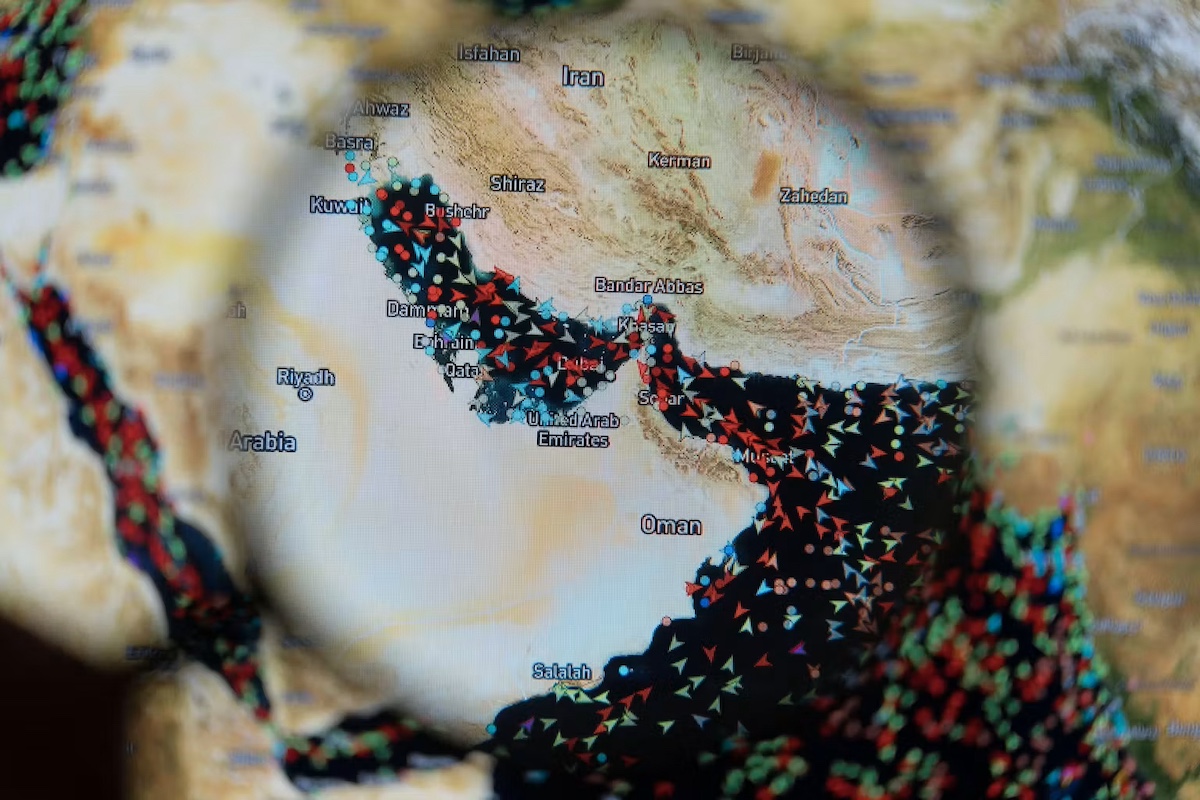
    Tensions across the Middle East have surged once again this week, with a series of interconnected incidents in the strategic Strait of Hormuz and shifting diplomatic moves reshaping the two-month-old regional conflict. The latest wave of developments brings new risks to global energy supplies and fragile peace negotiations between the United States and Iran.

    The United Arab Emirates (UAE) officially confirmed that two drones launched from Iranian territory targeted a tanker operated by ADNOC, the country’s state-owned oil giant, in the Strait of Hormuz. In a strongly worded statement, the UAE foreign ministry labeled the assault an act of piracy carried out by Iran’s Revolutionary Guard Corps, noting the attack was an attempt to use the critical waterway — a linchpin for global fossil fuel and food fertilizer trade — as a tool for economic coercion and blackmail. No crew members were injured in the strike, the ministry added.

    Parallel to this claim, Iranian state-affiliated media outlet Fars News Agency reported that two missiles were fired at a U.S. Navy frigate that had violated navigation rules near Iran’s Jask Port, after the vessel ignored multiple verbal warnings from the Iranian navy. The report came shortly after former President Donald Trump announced U.S. forces would begin escorted transits for commercial ships through the strait, which Iran has blockaded since the outbreak of the current conflict. The U.S. military has flatly denied any of its vessels were struck, contradicting the Iranian media account.

    Diplomatic efforts to end the conflict remain deadlocked nearly a month after a ceasefire took effect on April 8. So far, only one round of direct talks between U.S. and Iranian negotiators has been held, with no visible progress toward a permanent resolution. Iranian foreign ministry spokesperson Esmaeil Baqaei emphasized in a televised briefing that Tehran’s top priority is an immediate end to hostilities, and called on Washington to roll back its maximalist positions. “The other side must commit to a reasonable approach and abandon its excessive demands regarding Iran,” Baqaei stated.

    Trump, for his part, struck a more optimistic tone in a Truth Social post Sunday, claiming “very positive discussions” are ongoing with Iranian officials to resolve the conflict. He announced the launch of what he calls “Project Freedom”, a U.S. military mission to escort trapped commercial ships out of the blockaded strait, framing the operation as a “humanitarian gesture” after reports that dozens of marooned vessels were facing critical food shortages for their crews. U.S. Central Command later outlined the scale of the mission, confirming it will deploy guided-missile destroyers, more than 100 land and sea-based aircraft, a array of multi-domain unmanned systems, and 15,000 active service members to support the escort operation.

    The escalating tensions have already taken a visible economic toll on Gulf states. Dubai’s media office confirmed Monday that passenger traffic through the emirate’s major international airport plummeted to just 2.5 million travelers in March, a 67% drop compared to the same period last year. The decline is directly tied to Iranian attacks on UAE infrastructure and shipping amid the ongoing conflict, which has deterred commercial and leisure travel to the region.

    In a separate development off the UAE coast, the United Kingdom Maritime Trade Operations (UKMTO) reported that an unidentified tanker was hit by unspecified projectiles approximately 78 nautical miles north of the UAE’s Fujairah Port Monday. The agency confirmed all crew members on board the vessel escaped unharmed, and did not assign blame for the attack.

    On the diplomatic front, Pakistan announced Monday it had facilitated the transfer of 22 Iranian crew members who had been held on a vessel seized by U.S. authorities. The Pakistani government described the handover as a “confidence-building measure” designed to support the fragile behind-the-scenes contacts between Washington and Tehran.

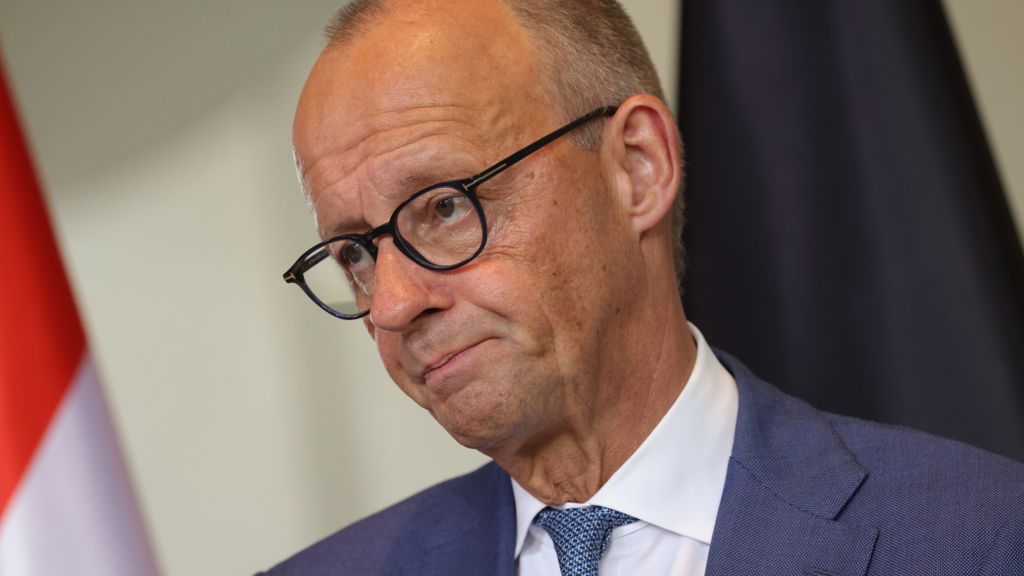
    Across the Atlantic, the ongoing conflict has sparked friction between the U.S. and Germany, after Trump announced that the U.S. would cut its troop deployment in Germany by more than 5,000 service members, a move widely tied to disagreements over policy toward the Iran war. Despite the public spat, German Chancellor Friedrich Merz told public broadcaster ARD Sunday that he remains committed to preserving transatlantic cooperation. “I am not giving up on working on the transatlantic relationship,” Merz said. “Nor am I giving up on working with Donald Trump.”

  • US vs China: two armies, two theories of the body

    US vs China: two armies, two theories of the body

    In the first week of May 2026, as China’s People’s Liberation Army (PLA) carried forward its long-standing annual routine of large-scale immunization drills with little public fanfare, U.S. Defense Secretary Pete Hegseth made a landmark policy announcement: American service members would no longer face a mandatory requirement to receive the seasonal influenza vaccine. This shift ends a policy that had remained almost continuously in place across the U.S. military since 1945.

    On the surface, this change appears to be nothing more than a narrow adjustment to military administrative rules. But when contrasted with the PLA’s consistent approach to force health protection, the decision reveals a far deeper ideological split over the boundary between an individual service member’s personal autonomy and the collective requirements of national military power.

    Formally signed into effect on April 21, the new U.S. policy reclassifies seasonal flu vaccination as a voluntary choice for all active-duty personnel, reserve troops, and civilian employees working for the Department of Defense. Mandatory vaccine requirements remain in place for other illnesses including measles, mumps, and polio. The Biden administration’s official justifications for the change center on expanding individual medical autonomy and upholding religious freedom for service members.

    In sharp contrast, the PLA frames routine universal immunization as a standard, unremarkable component of force readiness protection. For Chinese military planners, immunization follows the same logic as mandatory physical fitness testing: it is a core operational requirement, not a personal medical decision left to individual preference.

    This contrast is not a simple case of a democratic vs. authoritarian divide, as the original analysis points out. Multiple Western-aligned militaries around the world, from the Singapore Armed Forces to the Israel Defense Forces and the British Armed Forces, maintain non-negotiable mandatory vaccine schedules without being labeled illiberal or anti-democratic.

    What makes the new U.S. stance unprecedented among modern great power defense policies is its core framing: it treats a service member’s immune system as, by default, an individual’s private sphere, separate from military operational requirements.

    Setting aside the ideological debate, all military institutions must confront one unavoidable practical question: can a contagious respiratory virus, which spreads rapidly in the close-quarters environments shared barracks, berthing areas on warships, and military training camps, be effectively managed if prevention is left to individual personal choice?

    History offers an unforgiving answer to this question. During World War I, approximately 45,000 U.S. military personnel died from influenza complications. For the vast majority of modern military history, infectious disease has killed more service members than direct combat engagement. Among new military recruits, who live in extremely dense group quarters, flu hospitalization rates are roughly 10 times higher than rates among the broader military population. A flu outbreak on a submarine deployed at sea or at a remote forward operating base is far more than a personal inconvenience: it is a direct threat to the unit’s ability to complete its assigned mission.

    Chinese military planners, whose force is increasingly oriented toward expeditionary operations and long-duration naval deployments far from home ports, have fully internalized this historical lesson with no ambivalence. The United States, which originally helped develop the modern global playbook for military force health protection, is now conducting a live, real-world experiment to test whether voluntary vaccine uptake can achieve the same high levels of coverage that mandatory mandates have long delivered.

    Public health researchers have long warned that mandatory requirements are the most reliable tool to reach the herd immunity thresholds needed to stop outbreaks in closed, congregate populations like military bases. If voluntary uptake leads to a meaningful drop in flu vaccination rates among U.S. service members, the PLA will gain a small but measurable advantage in operational readiness during peak respiratory virus seasons — an advantage gained without any military confrontation or public diplomatic statement.

    Beyond operational readiness, the policy shift carries a less obvious cultural cost for the U.S. military. When top Pentagon leadership frames a decades-old preventive public health measure as “overly broad and not rational,” it signals to the entire force that readiness-focused medical policy is open to negotiation and shaped by ideological conflict. This ripple effect will not stay limited to influenza vaccination. Commanders preparing for potential exposure to anthrax, new pandemic virus variants, or engineered biological weapons will now operate in a changed environment, where troops can reasonably question why one vaccine is mandatory when a different routine vaccine was made voluntary just a year earlier. Adversaries that invest in biological warfare capabilities closely track these kinds of cultural shifts in military policy.

    The PLA’s approach faces its own set of tradeoffs, the analysis notes. Its culture of rigid compliance guarantees high vaccination coverage, but it gives up the legitimacy dividend that comes from persuading service members of the value of immunization, rather than simply ordering it. Troops who accept vaccination because they understand how it protects both themselves and their unit are more resilient partners during long-term campaigns than troops who only comply because refusal is not permitted. A military that cannot distinguish between informed consent and blind obedience will struggle to improvise during high-stress operations, particularly in joint missions with allied forces that expect troops to participate with full, informed understanding of operational requirements.

    Neither the U.S. nor the Chinese model is clearly optimal, the author argues. Instead of caricaturing one another’s approaches, defense establishments on both sides could gain useful insights from each other’s frameworks. A more effective, mission-aligned vaccine doctrine would start with one single question for every immunization requirement: does this vaccine directly protect operational deployability and reduce preventable disruption to military missions?

    If the answer is yes, the policy should be defended as a core readiness measure, not pulled into broader cultural and ideological political battles. Under this targeted doctrine, influenza vaccination would remain mandatory in settings where the operational case for it is strongest: recruit training camps, warships, submarines, aviation units, military medical facilities, rapid-deployment response forces, and troops assigned to overseas missions. In lower-risk settings, vaccination could be strongly encouraged without being universally mandated. Medical exemptions would still be available, but they would be tied to operational risk assessments rather than ideological or identity-based claims.

    This balanced approach would preserve the PLA’s strength in operational discipline while integrating the Western insight that institutional legitimacy itself acts as a force multiplier for military readiness. It would also pull the U.S. policy debate out of the unproductive binary choice between universal mandatory mandates and unrestricted individual opt-outs modeled on consumer choice.

    A single flu shot is a routine, low-stakes medical procedure. But the policy that governs it carries profound meaning. It encodes how a nation-state understands the fundamental relationship between the individual service member and the collective military mission, between personal conscience and unit cohesion, between individual freedom and the requirements of national defense.

    Today, China and the United States are conducting parallel, contrasting experiments on how to balance these core priorities. The results of these experiments will not show up in official press releases or diplomatic statements. They will appear in sick call rosters, delayed deployment timelines, and the quiet, unpublicized metrics that measure military readiness. Military planners have relearned the same lesson in every generation since the 1918 influenza pandemic: infectious disease does not stop being an operational threat just because policy chooses to frame it as a personal matter. Whichever military remembers this lesson most clearly, and translates it into a doctrine that its own troops actually believe in, will gain a strategic advantage that no amount of defense procurement spending can buy.

  • A sun-baked Senegal village erupts in color for one of Africa’s biggest dance festivals

    A sun-baked Senegal village erupts in color for one of Africa’s biggest dance festivals

    Over the weekend, 25 dynamic dance collectives from across the African continent gathered in the quiet Senegalese fishing community of Toubab Dialao to take part in the African Dance Biennial, the region’s biggest platform dedicated to celebrating contemporary African choreographic art. Against the backdrop of sun-scorched coastal sand, dozens of performers clad in eye-catching hues of tangerine, emerald and sapphire moved through their pieces — stomping, soaring through leaps, and melting into the shoreline, drawing audiences into the emotional core of their work. Just an hour’s drive outside Senegal’s capital city of Dakar, this tiny coastal village played host to three days of cutting-edge dance that wrapped up its programming late Sunday.

    Established in 1997, the African Dance Biennial has traveled across the continent for nearly 30 years, bringing world-class choreography to audiences in a rotating roster of African cities. The 2023 edition of the event was most recently held in Maputo, Mozambique, and the festival’s core mission has remained consistent since its founding: to amplify the profile of underrepresented African choreographic talent on the global stage.

    This year’s festival was hosted at the iconic École des Sables — the School of Sands — the continent’s leading professional dance training center. Founded in 1998 by Germaine Acogny, a figure universally hailed as the mother of contemporary African dance, the institution has shaped a generation of dance artists from around the world. Its signature open-air sand studio is a direct reflection of Acogny’s philosophy, which roots dance education in connection to the natural world. The school’s signature training programs blend Acogny’s original contemporary dance technique with traditional West African movement vocabularies and Black modern dance traditions, attracting students and professionals from more than 40 countries for intensive annual residencies. In recent years, the École des Sables has risen to global fame as the base for the first all-African production of Pina Bausch’s legendary *The Rite of Spring*, which has toured across 15 countries since 2021 and will continue its global run through 2025.

    Despite the success of this year’s biennial and the school’s growing international acclaim, the institution now faces an uncertain future. A $1 billion deep-water port development project, led by global logistics giant Dubai Port World, is currently under construction just south of Toubab Dialao. The project puts the school at risk of forced expropriation of land surrounding its campus that the institution purchased specifically to protect the fragile coastal natural ecosystem that has long been central to its artistic and educational identity. In response, arts organizations across the region have joined forces to form a collective advocacy group, organizing to push back against the proposed development and protect the future of one of Africa’s most important cultural institutions.

  • Newborn baby dies at rough sleeper campsite along Murrumbidgee River in NSW’s south

    Newborn baby dies at rough sleeper campsite along Murrumbidgee River in NSW’s south

    A devastating tragedy has unfolded at an informal homeless encampment along the Murrumbidgee River near Wagga Beach in southern New South Wales, where a newborn infant has died following an unassisted birth on site, while a second newborn remains hospitalized. The incident has prompted urgent calls for accountability, with local leaders pointing to long-unaddressed gaps in housing and support services for Australia’s unhoused population as the root cause of the preventable loss.

    New South Wales Police confirmed that first responders from the Riverina Police District were dispatched to the riverside campsite after reports of the emergency. Upon arrival, officers located the 37-year-old mother and her two newly born infants, one of whom was already deceased. “The woman and the surviving infant were treated by NSW Ambulance paramedics before being taken to Wagga Wagga Base Hospital,” a police spokeswoman confirmed in an official briefing.

    Local public broadcaster ABC reports that both babies were delivered at the unregulated encampment, which has long been a makeshift shelter for a community of people experiencing chronic homelessness in the Wagga Wagga area. No foul play is suspected in connection with the newborn’s death, police confirmed, adding that a full incident report will be prepared and submitted to the state coroner for formal review.

    NSW Minister for Homelessness Rose Jackson described the news of the infant’s death as “heartbreaking” in a public statement. In response to the tragedy, Jackson announced she had ordered Homes NSW, the state government’s housing authority, to launch a full investigation into the specific circumstances of the family and their access to support services before the incident.

    The tragedy has sent shockwaves through the tight-knit Wagga Wagga local community, with many leaders and residents expressing grief and anger over the preventable loss. Wagga Wagga City Councillor Richard Foley, who has long advocated for improved housing and support for the city’s unhoused population, said he was “devastated” by the reports of the newborn’s death. In a message posted to his official Facebook page, Foley extended his deepest condolences to the grieving mother and her loved ones, and shared prayers for the recovery of the surviving infant.

    Foley did not shy away from placing blame for the tragedy, saying the newborn’s death was a “direct and predictable” outcome of years of systemic failure by both state and federal governments to address the worsening housing affordability and homelessness crisis across New South Wales and the Wagga Wagga region. “I have been raising the alarm in council chambers, in public, and to anyone who would listen that the situation on our riverbanks was going to end in tragedy if left unaddressed,” Foley said. He went on to note that local officials have long been aware that vulnerable people, including pregnant women of childbearing age, have been sleeping rough along the city’s riverfront. “This has been documented. This has been reported. This has been raised at council. And nothing adequate in my opinion has yet been done,” he said. “This crisis has been duck-shoved between bureaucracies for too long. State agencies, federal departments, and yes at times this very council have passed responsibility around while vulnerable people sleep rough on our riverbanks.”

  • A2 Milk baby formula pulled from US shelves after potent toxin discovered in product

    A2 Milk baby formula pulled from US shelves after potent toxin discovered in product

    New Zealand-based dairy giant The A2 Milk Company, owner of one of Australia’s most beloved milk brands, has initiated a voluntary recall of three specific batches of its A2 Platinum infant formula from the United States market after testing confirmed the presence of cereulide, a powerful bacterial toxin.

    The recalled products were distributed exclusively to U.S. consumers through three sales channels: the company’s official website, major e-commerce platform Amazon, and regional retail chain Meijer. In total, approximately 16,428 units of the affected formula were sold to customers across the country.

    Cereulide, the toxin identified in the recalled batches, triggers acute gastrointestinal symptoms that typically onset between 30 minutes and six hours after consumption. The most common reactions include nausea and repeated vomiting. While most healthy adults experience mild, self-resolving symptoms within a short period, infants face elevated risks due to their underdeveloped immune systems. The toxin can lead to dangerous rapid dehydration in young children, so healthcare providers urge caregivers to seek immediate medical attention if an infant displays any adverse symptoms after consuming the affected product.

    The company confirmed that, as of the recall announcement, it has not received any reports of illness, injury, or adverse health events linked to the affected batches. A2 Milk managing director and chief executive officer David Bortolussi moved quickly to reassure consumers that the recall is an isolated incident limited solely to the U.S. market. Bortolussi emphasized that all A2 Milk products sold in other regions, including the company’s key Australian domestic market, remain completely unaffected and safe for consumption.

    Full details of the recalled batches are as follows: batch number 2210269454 with a use-by date of July 15, 2026; batch number 2210324609 with a use-by date of January 21, 2027; and batch number 2210321712 with a use-by date of January 15, 2027. The company is advising all customers who have purchased any of these batches to immediately stop using the product, dispose of it safely, or return it to the original point of purchase for a refund.

    Shortly after the recall was made public, the company’s shares dropped sharply on the Australian Securities Exchange. The Auckland-based firm’s stock closed down 12% from its opening price, falling from AU$7.27 to AU$6.49 in the wake of the announcement, reflecting investor concern over potential reputational and financial impacts from the incident.