作者: admin

  • China-ROK climate ties seen as vital globally

    China-ROK climate ties seen as vital globally

    At the Boao Forum for Asia, former United Nations Secretary-General Ban Ki-moon declared climate collaboration between China and South Korea to be of paramount global importance, particularly following the United States’ withdrawal from the Paris Agreement. Speaking during the China-ROK Roundtable on Climate Change Cooperation, Ban framed the two Northeast Asian economic powerhouses as indispensable leaders in the worldwide shift toward sustainable development.

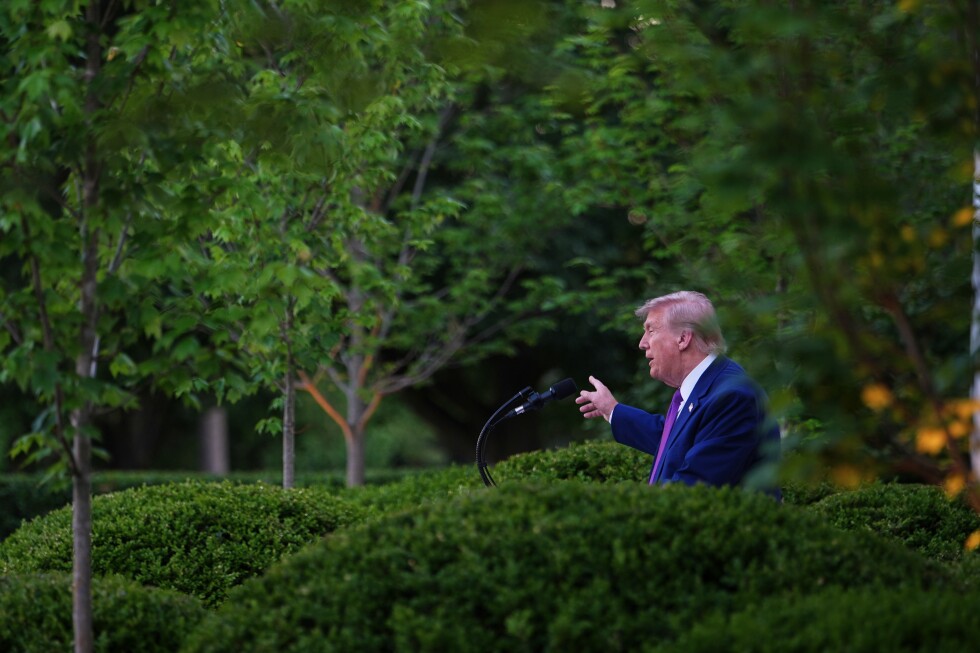
    Ban emphasized the borderless nature of the climate crisis, stating, “The atmosphere does not recognize national borders… Our solutions, therefore, must also transcend borders.” He expressed profound disappointment at the U.S. abandoning the Paris treaty for the second time under the Trump administration, noting that while nations might eventually return to the agreement, climate change continues its relentless advance.

    The former diplomat highlighted existing promising leadership through joint investments in renewable energy, green technologies, and carbon markets. Such bilateral dialogue, he argued, builds understanding, shares best practices, and inspires new partnerships while signaling that regional cooperation can effectively address global challenges.

    China’s special climate envoy Liu Zhenmin provided context, revealing that Asia accounts for approximately 57% of global electricity consumption, demonstrating the region’s substantial economic dynamism. Both China and South Korea possess world-leading advantages in renewables, batteries, and nuclear energy, positioning them as key players in global climate governance.

    Amid growing geopolitical tensions and resurgent unilateralism, Liu urged both nations to uphold multilateralism, reject destabilizing interference, and strengthen solidarity. Professor Li Zheng of Tsinghua University’s Institute of Climate Change and Sustainable Development detailed complementary strengths: China’s prowess in large-scale wind/solar development and new power systems, combined with South Korea’s excellence in nuclear power, high-end manufacturing, and international standardization.

    Li proposed establishing joint research platforms in energy storage, hydrogen, carbon capture utilization and storage (CCUS), and smart grids, leveraging artificial intelligence advancements. He further advocated for third-party market cooperation that integrates China’s green manufacturing capabilities with South Korea’s technical standards expertise.

  • Overseas assets to be seized in major loan fraud case

    Overseas assets to be seized in major loan fraud case

    In a groundbreaking judicial ruling, a Chinese court has authorized the confiscation of overseas properties and bank assets linked to a massive loan fraud scheme exceeding 2.7 billion yuan ($391 million). The Weinan Intermediate People’s Court in Shaanxi province issued the verdict against fugitives Zhang Qingmin and Zhang Shumin, marking a significant escalation in China’s efforts to combat transnational financial crimes.

    The case centers on an elaborate deception perpetrated between 2011 and 2016, where the defendants utilized tungsten-core gold bars plated with genuine gold to secure substantial loans from multiple financial institutions across Shaanxi and Henan provinces. Court documents reveal that Zhang Qingmin masterminded the operation while Zhang Shumin orchestrated the sophisticated money laundering network that dispersed over 1.4 billion yuan through various channels.

    The illicit funds were systematically transferred to offshore destinations, including Hong Kong and Cyprus, where the suspects acquired 17 properties and maintained seven bank accounts. Both defendants fled China in May 2016 following the issuance of arrest warrants and remain at large despite international efforts to locate them.

    The court’s confiscation order specifically targets the Cypriot real estate holdings and frozen bank assets, which will be partially returned to the four defrauded financial institutions that joined the litigation during the six-month notice period. The March 20 hearing, attended by national legislators, political advisors, and local citizens, ensured full protection of all parties’ litigation rights according to the court’s statement.

    This case represents one of China’s most substantial asset recovery efforts involving overseas properties and demonstrates the judiciary’s increasing sophistication in handling complex cross-border financial crimes.

  • Blossoms fuel village’s tourism and vitalization

    Blossoms fuel village’s tourism and vitalization

    The picturesque landscape of Jinlong village in Chongqing’s Nanchuan district has undergone a remarkable transformation, with vast expanses of cherry blossoms creating a spectacular pink canopy against vibrant yellow rapeseed fields. This breathtaking natural spectacle has become a powerful engine for rural tourism development and economic revitalization in the region.

    During the recent Cherry Blossom Festival, Daguan town launched an extensive program of cultural activities designed to enhance visitor experiences. The festivities included elaborate float parades, innovative cultural markets, interactive family activities, and traditional village singing competitions. These events have successfully created an immersive cultural tourism environment that extends beyond simple flower viewing.

    Huang Hua, a visitor from a neighboring urban center, expressed her admiration: “The countryside during spring offers an unparalleled sensory experience. The vibrant colors and serene atmosphere provide the perfect escape from city life.”

    This floral phenomenon represents a broader national trend where rural destinations are experiencing unprecedented tourism growth. As urban dwellers increasingly seek authentic agricultural experiences and natural beauty, villages like Jinlong are capitalizing on this demand to generate substantial local income.

    Nanchuan district’s strategic advantages—including abundant natural resources, exceptional ecological preservation, and developed transportation infrastructure—have enabled the successful integration of agricultural production with tourism services. This synergistic approach has established the region as a national model for recreational agriculture and sustainable rural development.

    The village’s transformation gained official recognition in 2022 when the Ministry of Culture and Tourism designated Jinlong as one of China’s key rural tourism villages. This prestigious acknowledgment came in response to the community’s successful transition from traditional crop cultivation to a modern leisure industry model.

    Village Party Secretary Luo Chunlan highlighted the dramatic changes: “Our agricultural focus has evolved from staple crops like rice and corn toward tourism-oriented development. This shift has created diverse employment opportunities while significantly enhancing our village’s aesthetic appeal and living standards.”

    Local residents have embraced this economic transformation by establishing various hospitality businesses including restaurants, tea houses, and specialty coffee shops. The area’s enhanced natural beauty has also attracted external investment in premium accommodation facilities, particularly boutique homestays that cater to discerning tourists seeking authentic rural experiences.

  • HK fire-hit get a window for retrieval

    HK fire-hit get a window for retrieval

    Hong Kong’s administration has unveiled a comprehensive 15-day operation to enable residents displaced by last year’s catastrophic Wang Fuk Court fire to retrieve their personal possessions. From April 20 to May 4, over 1,700 affected households will be permitted staged access to their fire-damaged residences in the Tai Po district complex.

    The massive logistical undertaking will involve approximately 1,000 government personnel daily, totaling 15,000 staff members throughout the operation period. These officials will provide on-site assistance, crowd management, emotional support, and emergency response capabilities during the retrieval windows.

    Deputy Chief Secretary for Administration Warner Cheuk Wing-hing detailed the arrangements at a Friday press briefing, noting that access times are scheduled from 9:00 AM to 1:00 PM and 2:30 PM to 6:30 PM daily. Each household may send up to four representatives simultaneously, with visits limited to a maximum of three hours. However, units with significant structural damage will restrict entry to just one person per household.

    The November 26 blaze, which claimed 168 lives and completely destroyed seven of the eight high-rise buildings in the residential complex, represents one of Hong Kong’s most devastating residential fires in recent history. The upcoming retrieval operation follows a brief 90-minute access period granted in early December exclusively for residents of Wang Chi House, the sole tower spared from complete destruction.

    Practical challenges remain significant, as Mr. Cheuk confirmed that building elevators remain inoperable, requiring residents to navigate staircases. Those who resided in upper-floor units may face climbs of 20 to 30 stories, prompting authorities to advise elderly individuals, people with health or mobility limitations, and children to avoid participation.

    Security Secretary Chris Tang Ping-keung announced complimentary shuttle bus services running at 15-minute intervals from 8:15 AM between Wang Fuk Court and Tai Po Market MTR station to facilitate transportation.

    Regarding long-term resettlement prospects, Secretary for Home and Youth Affairs Alice Mak Meikuen provided updates on restoration efforts for Wang Chi House, indicating that rehabilitation work has proven more complex than initially projected. Critical repairs including external wall restoration and construction of a new emergency exit are estimated to require at least nine and three months respectively, with total costs anticipated to exceed HK$10 million (approximately US$1.28 million).

    The government has engaged professional consultants to ensure safe reoccupation conditions and will conduct information sessions starting mid-April to address resident concerns regarding the rehabilitation timeline and process.

  • Israel launches strikes as diplomacy shatters

    Israel launches strikes as diplomacy shatters

    The Middle East conflict escalated dramatically as Israel executed extensive airstrikes against Iranian targets, striking both military installations and civilian areas. The offensive, described by observers as unprecedented in scale, targeted ballistic missile production facilities and air defense systems across multiple Iranian regions including Tehran, Qom, and Urmia.

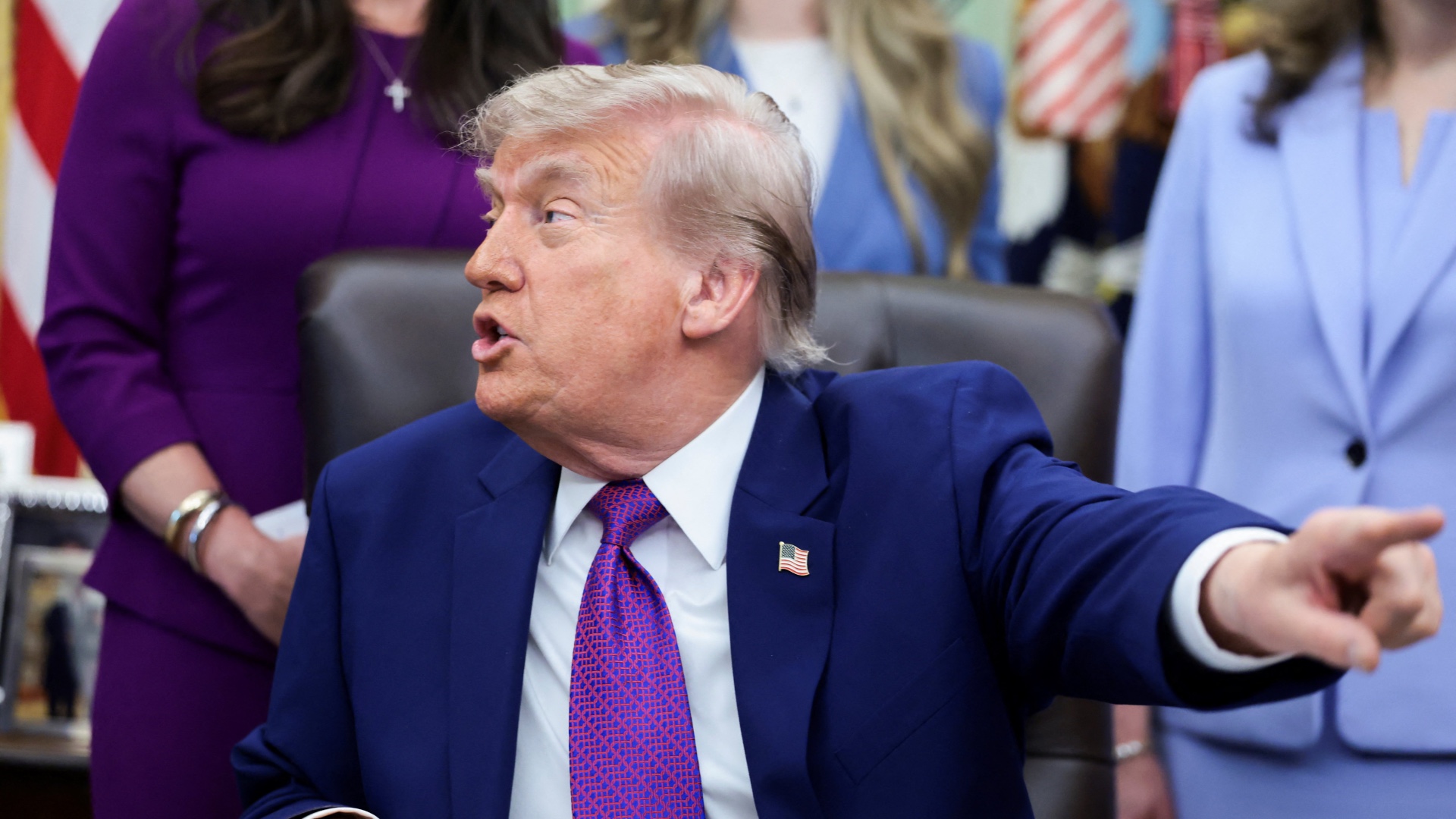
    Simultaneously, diplomatic efforts between Iran and the United States reached a critical impasse. President Donald Trump extended his deadline for Iran to reopen the Strait of Hormuz until April 6, 2026, threatening the destruction of Iranian energy plants if compliance isn’t met. Tehran had previously rejected a US peace proposal as “one-sided and unfair.”

    Iran responded with continued drone and missile attacks against Israeli positions and US military facilities in the Gulf region. The Islamic Revolutionary Guard Corps announced it had turned back three ships attempting to transit the Strait of Hormuz, declaring shipping to allies of “Israeli-American enemies” prohibited.

    The conflict’s economic repercussions intensified as oil prices surged to $107 per barrel—a 45% increase since hostilities began on February 28. Asian markets retreated following Wall Street’s worst single-day performance since the conflict’s inception. Finnish President Alexander Stubb warned the confrontation could trigger a “self-inflicted global recession” with potentially more severe consequences than the COVID-19 pandemic.

    Military preparations accelerated as the US deployed approximately 2,500 Marines and 1,000 paratroopers from the 82nd Airborne Division to the region. Reports indicated the Pentagon is considering sending up to 10,000 additional ground troops. Iran claimed readiness to deploy over one million fighters to create “a historic hell for Americans” should a ground invasion occur.

    International concern mounted as IAEA Director General Rafael Grossi expressed “deep concern” over military strikes near Iran’s Bushehr Nuclear Power Plant, warning of potential radiological consequences. The UN Security Council scheduled emergency consultations to address strikes on Iranian civilian infrastructure.

  • Africa is hurting again from a global crisis it had no part in starting

    Africa is hurting again from a global crisis it had no part in starting

    LAGOS, Nigeria — The distant conflict in the Middle East is delivering severe economic blows across Africa, with millions facing unprecedented hardship despite their continent’s geographical remove from the battlefield. The crisis, triggered by joint U.S.-Israeli strikes on Iran that began February 28, has effectively closed the Strait of Hormuz—a critical maritime corridor—sending fuel prices soaring and exacerbating existing struggles in some of the world’s most vulnerable economies.

    For Adegbola Isaac, a Lagos taxi driver, the impact is brutally tangible. During two separate visits to gas stations last weekend, he witnessed prices surge to 1,350 naira ($0.99) per liter—a nearly 35% increase since the conflict’s onset. This spike has virtually eliminated his daily earnings. “It is hitting hard,” Isaac told The Associated Press, echoing the sentiments of countless Africans.

    This latest crisis represents the third major global shock to batter Africa in recent years, following the COVID-19 pandemic and the Ukraine war. As the world’s fastest-growing continent—with a population rivaling China and India—Africa finds itself repeatedly at the painful receiving end of international disruptions, particularly regarding essential resources like fuel and fertilizer.

    The dependency on imported refined oil products makes African nations exceptionally vulnerable. All of Kenya’s fuel originates from the Middle East, primarily the United Arab Emirates, with approximately 20% of the country’s fuel outlets already affected. Uganda’s fuel reserves were initially projected to last merely weeks, while South Africa, which sources significant quantities from Saudi Arabia, has seen diesel-dependent industries engage in panic-buying despite government assurances about strategic reserves.

    Even Nigeria, Africa’s largest oil producer, suffers from insufficient local refinery capacity and must import refined products from Europe. This structural weakness amplifies the continent’s exposure to global market fluctuations.

    The ripple effects extend beyond transportation. Zimbabwe’s health workers have protested demanding wage increases as living costs skyrocket. In response, the government plans to increase fuel blending with ethanol from 5% to 20%—a measure that risks vehicle damage and increased pollution. Informal traders like Washington Nyakarize in Harare report avoiding peak travel hours due to prohibitive fares, consequently losing business opportunities.

    According to a 2025 UN Trade and Development (UNCTAD) report describing Africa as “the epicenter of overlapping global crises,” fertilizer access across the continent—including conflict-ravaged nations like Sudan and Somalia—faces imminent threat. Kenya’s flower industry reports weekly losses reaching $1.4 million since the war began, attributed to declining demand and shipping disruptions.

    Governments are scrambling for alternatives. Bloomberg reports several countries—including South Africa, Kenya, and Ghana—have approached Nigeria’s massive Dangote Refinery for fuel agreements. The facility recently completed sales of 12 shipments of refined petroleum products to Ivory Coast, Cameroon, Tanzania, Ghana, and Togo—marking its first large-scale distribution since reaching full capacity earlier this year.

    However, energy experts caution that the Dangote Refinery could struggle to meet growing continental demand if expansion plans slow or crude oil supplies face disruption. “As long as there is a steady supply of crude oil, the refinery has the capacity to meet some of the needs,” noted Olufola Wusu, a Lagos-based oil and gas expert involved in reviewing Nigeria’s national gas policy.

    The United Nations is pursuing diplomatic efforts to resume safe fertilizer transit through the Strait of Hormuz, hoping to build confidence for broader conflict resolution. Yet experts warn that prolonged hostilities could push Africa into uncharted territory. “If the conflict persists for another month or two, honestly, we’re going to be in unknown terrain that no one can really predict,” said Zainab Usman, a senior research scholar at New York’s Center on Global Energy Policy.

  • Lynwood, Western Australia: Infant killed in horror crash, two in hospital

    Lynwood, Western Australia: Infant killed in horror crash, two in hospital

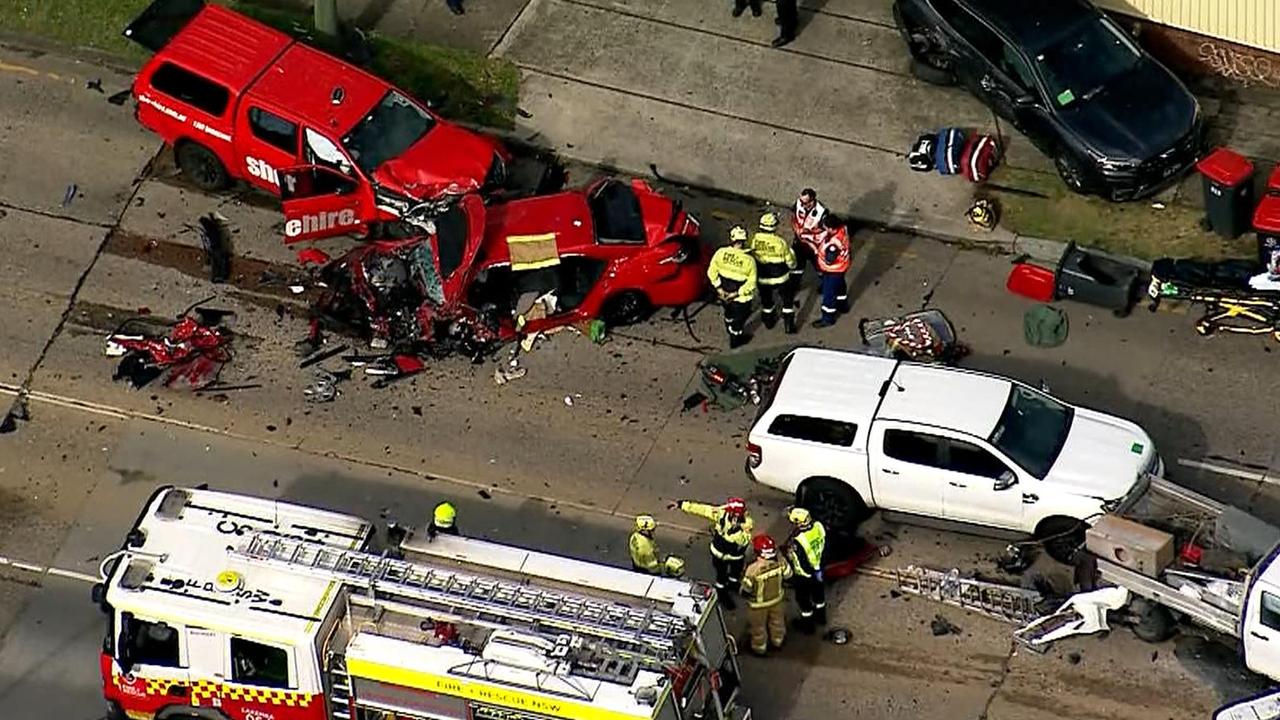
    A devastating overnight collision in a Perth suburb has resulted in the death of a seven-month-old infant, with Western Australian police launching a comprehensive investigation into the circumstances of the fatal crash. The incident occurred at approximately 3:40 AM on Saturday along Nicholson Road in Lynwood, a major arterial route in Perth’s southeastern corridor, when a silver Toyota Kluger—operating as a rideshare vehicle—veered off the roadway and collided with a tree. Emergency services responded promptly to the scene, transporting all four occupants to medical facilities. The 35-year-old male driver sustained minor injuries in the impact, while his three passengers—a 32-year-old woman, a three-year-old child, and the infant—were admitted with critical conditions. Medical personnel at Fiona Stanley Hospital subsequently confirmed the youngest victim succumbed to injuries despite intensive intervention efforts. The adult female and three-year-old remain hospitalized under serious but stable conditions as investigators work to determine contributing factors to the accident. Law enforcement officials have issued a public appeal for witnesses who may have observed the vehicle’s movements prior to the collision, emphasizing the importance of community assistance in reconstructing the events leading to this tragedy. The investigation continues as authorities examine road conditions, vehicle mechanics, and driver-related factors.

  • How will energy crisis hit Ireland’s economy?

    How will energy crisis hit Ireland’s economy?

    The Irish government has implemented a targeted economic relief package this week to mitigate the impact of global energy market disruptions stemming from international conflicts. The measures include reductions in petrol and diesel taxes alongside a €150 supplemental benefit for approximately 470,000 low-income households, representing a total fiscal commitment of nearly €250 million.

    Taoiseach Micheál Martin characterized the government’s approach as both measured and flexible, noting the administration’s readiness to escalate support should economic conditions deteriorate further. ‘The current global situation remains highly unpredictable,’ Martin stated, emphasizing that Ireland confronts these challenges from a position of economic strength compared to previous crises.

    This resilience stems substantially from Ireland’s unique corporate tax revenue stream, predominantly derived from U.S. technology and pharmaceutical corporations that utilize Ireland as their European tax base. This fiscal advantage has enabled the government to maintain budget surpluses despite global headwinds.

    Recent economic indicators reveal robust underlying fundamentals, with official data showing nearly 5% domestic economic growth in 2025 and record employment levels. However, economic institutions project moderated performance in the coming year. The Central Bank of Ireland has outlined two primary scenarios contingent on conflict duration: a baseline forecast predicting sub-3% growth with inflation rising to approximately 3%, and an adverse scenario projecting growth near 2% with inflation exceeding 4% should supply chain disruptions persist.

    Both the Central Bank and the Economic and Social Research Institute (ESRI) have emphasized the exceptional uncertainty surrounding these projections. ESRI researcher Conor O’Toole specifically highlighted concerns that energy-driven inflation could exacerbate Ireland’s persistent housing shortage by increasing construction costs and potentially constraining housing output.

  • ‘Shooting gallery’: How a US invasion of Iranian islands might unfold

    ‘Shooting gallery’: How a US invasion of Iranian islands might unfold

    A potential US military operation to capture Iranian islands in the Gulf would confront American forces with a hazardous combat environment characterized by vulnerable supply lines and ambiguous strategic objectives, according to former US military officials and analysts interviewed by Middle East Eye.

    The operational blueprint would commence with electronic warfare campaigns to disrupt Iranian radar and communications, followed by intensive aerial bombardment to dismantle coastal defenses. Seth Krummrich, former chief of staff for US special operations in the Middle East, emphasized the necessity of preliminary isolation efforts before any ground assault.

    Primary targets under consideration include Kharg Island, responsible for 90% of Iran’s oil exports; Abu Musa and its associated islands, subject to territorial disputes with the UAE; and Qeshm Island, the largest and most fortified location containing tunnel networks for drones and missiles.

    Military strategists note significant operational challenges distinct from historical Pacific island campaigns. Daniel Davis, former US Army lieutenant colonel, asserts that Iran’s control over the Strait of Hormuz would necessitate airborne insertion rather than amphibious landing due to the vulnerability of naval vessels. Potential transportation would involve V-22 Osprey aircraft, Chinook, and Black Hawk helicopters deploying troops from bases in Gulf partner nations.

    The invasion force would comprise approximately 2,500 Marines from expeditionary units and 3,000 paratroopers from the 82nd Airborne Division. However, analysts highlight the critical dependency on basing rights from Gulf states including Saudi Arabia, UAE, and Kuwait—cooperation that remains politically complex.

    Military experts draw concerning parallels to Britain’s 1982 Falklands campaign while noting more severe contemporary challenges. The geographical compression of the Gulf region and advancements in drone warfare create particularly adverse conditions. Kalev Sepp of the US Naval Postgraduate School noted that technological and geographical factors make such an operation more difficult than historical precedents.

    Upon establishment of beachheads, US forces would face Iran’s decentralized ‘mosaic defense’ structure implemented by the Islamic Revolutionary Guard Corps. This guerrilla warfare approach, featuring 31 provincial commands with autonomous strike capabilities, would prevent conventional engagement and necessitate sustained defensive support from already stretched air and naval assets.

    Logistical complications present another critical vulnerability. The requirement of approximately nine support personnel for every combat soldier—excluding maritime control and air cover—creates massive supply chain vulnerabilities under the umbrella of Iranian missile and drone capabilities. US bases throughout the Gulf have demonstrated vulnerability to Iranian strikes, with reporting indicating significant damage to regional facilities.

    Experts suggest Iran could escalate through proxy forces like the Houthis targeting strategic waterways including the Bab al-Mandeb Strait, potentially triggering global energy price spikes. Additionally, seizure of economically critical islands like Kharg could prompt Iranian counter-escalation against regional energy infrastructure despite damaging their own economic interests.

    Analysts conclude that most Iranian islands offer minimal strategic advantage unavailable through existing US bases in the region, questioning the fundamental operational rationale while highlighting extreme risks to personnel and regional stability.

  • Minnesota staging flagship ‘No Kings’ protest against Trump, with rallies in Europe, DC

    Minnesota staging flagship ‘No Kings’ protest against Trump, with rallies in Europe, DC

    ST. PAUL, Minn. — A massive wave of organized dissent is sweeping across the United States and beyond as the ‘No Kings’ movement prepares for what could become one of the largest protest events in American history. With its national flagship event centered at the Minnesota Capitol, the movement has registered over 3,100 coordinated demonstrations spanning all 50 states and multiple international locations.

    The protests represent a multifaceted rejection of President Donald Trump’s policies and governing style, with participants expressing opposition to aggressive immigration enforcement, transgender rights rollbacks, and military engagements in Iran. In Washington D.C., hundreds marched past iconic monuments carrying signs reading ‘Put down the crown, clown’ and chanting anti-authoritarian slogans.

    Minnesota emerged as the symbolic heart of the resistance following fatal shootings by federal agents during immigration operations. The St. Paul rally expects approximately 100,000 attendees and will feature performances by Bruce Springsteen, who penned ‘Streets of Minneapolis’ in response to recent casualties, alongside appearances by Joan Baez, Jane Fonda, and Senator Bernie Sanders.

    International solidarity events are occurring across Europe, Australia, and Latin America, with participants in Paris, Rome, and London expressing parallel concerns about rising authoritarianism. Organizers from Indivisible report significant registration surges in traditionally conservative states including Idaho, Wyoming, and Montana, suggesting broadening discontent beyond urban centers.

    The Trump administration dismissed the events as ‘Trump Derangement Therapy Sessions’ funded by leftist networks, while Republican officials labeled them ‘Hate America Rallies.’ Despite this criticism, organizers emphasize the cross-demographic nature of the participation, noting substantial involvement from suburban and rural communities.