作者: admin

  • Outspoken MP Moira Deeming dumped from Liberal ticket

    Outspoken MP Moira Deeming dumped from Liberal ticket

    Controversial Victorian MP Moira Deeming has suffered a significant political setback after losing Liberal preselection for the upcoming state election, casting serious doubts about her continued affiliation with the party. The outspoken conservative figure was defeated by businessman Dinesh Gourisetty in the battle for placement on the Liberals’ Western Metropolitan ballot for the November electoral contest.

    The preselection loss has ignited widespread speculation that Deeming might consider defecting to alternative political movements, with One Nation and various minor parties emerging as potential destinations for the displaced parliamentarian.

    Deeming first captured national attention in 2023 when she participated in an anti-trans rights demonstration that was subsequently infiltrated by neo-Nazi elements. While she publicly condemned the extremist groups on social media platforms, her involvement prompted then-Opposition Leader John Pesutto to initiate expulsion proceedings against her.

    The political drama escalated when Deeming was formally removed from the parliamentary Liberal Party after threatening legal action against Pesutto. However, in a dramatic reversal of fortunes, Deeming emerged victorious in a December 2024 defamation case against her former leader.

    Federal Court Justice David O’Callaghan ruled that Pesutto had defamed Deeming through multiple channels including radio interviews, press conferences, and official party documents. The court found that Pesutto’s communications wrongfully suggested Deeming knowingly associated with or sympathized with neo-Nazis and white supremacist ideologies.

    The judicial outcome resulted in a $300,000 damages award to Deeming and a subsequent order for Pesutto to cover her legal costs amounting to $2,308,873. This legal victory stands in stark contrast to her current political predicament, creating a complex narrative of judicial vindication amid electoral rejection.

  • Pope Leo XIV opens Holy Week with Palm Sunday that recalls final days of Pope Francis’ life

    Pope Leo XIV opens Holy Week with Palm Sunday that recalls final days of Pope Francis’ life

    VATICAN CITY — Pope Leo XIV inaugurated his inaugural Holy Week as pontiff with Palm Sunday celebrations in St. Peter’s Square, drawing tens of thousands of faithful in a ceremony marked by both tradition and remembrance of his predecessor. The event commenced with a solemn procession of cardinals, bishops, clergy, and laypeople carrying intricately braided palm fronds and olive branches, symbolizing Jesus’ triumphant entry into Jerusalem before his crucifixion.

    The liturgical celebration held particular significance as it evoked memories of Pope Francis’ final days. Last year, Francis had delegated Holy Week ceremonies while recovering from pneumonia but made a poignant final appearance on Easter Sunday before passing away from a stroke on Easter Monday. His nurse, Massimiliano Strappetti, revealed Francis’ moving last words: “Thank you for bringing me back to the square.”

    Pope Leo’s approach signals a return to traditional practices while acknowledging Francis’ legacy. The new pontiff will restore the Holy Thursday foot-washing ceremony to St. John Lateran Basilica, reversing Francis’ practice of performing the ritual in prisons and refugee centers. While Francis used the ceremony to emphasize service to society’s marginalized, including non-Christians, Leo will follow the tradition of previous popes by washing the feet of twelve priests.

    The Holy Week schedule includes Friday’s Good Friday procession at Rome’s Colosseum commemorating Christ’s crucifixion, followed by the Easter Vigil on Saturday where Leo will baptize new converts. The week culminates with Easter Sunday Mass in St. Peter’s Square and the traditional papal blessing from the basilica loggia.

  • Cuba slams US for ‘lying’ over fuel blockade

    Cuba slams US for ‘lying’ over fuel blockade

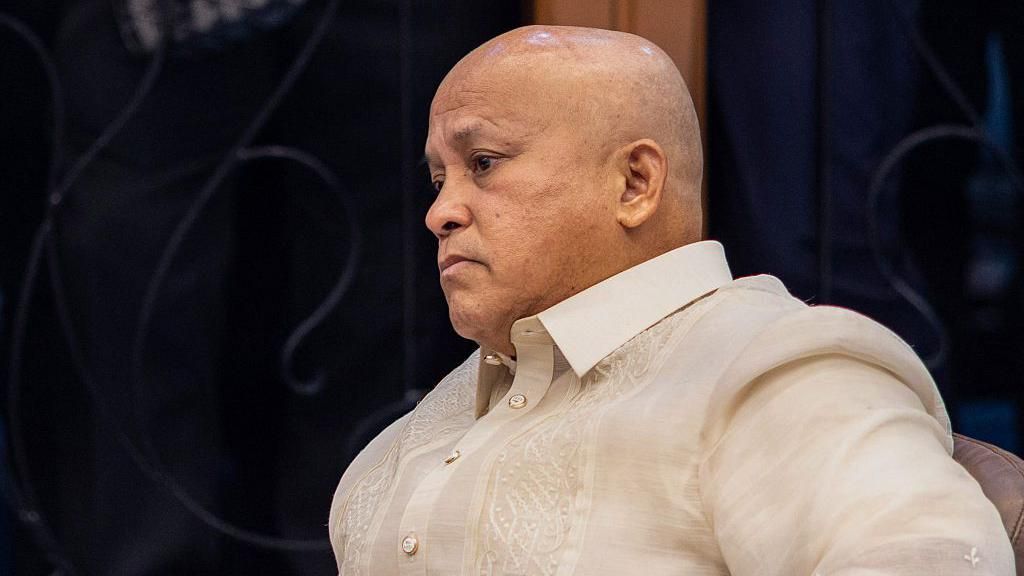
    HAVANA – Cuban Foreign Minister Bruno Rodríguez has launched a vehement condemnation against the United States, accusing it of engaging in systematic deception regarding its enforcement of a comprehensive fuel blockade against the Caribbean nation. The diplomatic offensive unfolded on social media platform X this past Saturday.

    Rodríguez presented what he characterized as incontrovertible evidence contradicting Washington’s official statements, specifically referencing a January 29 executive order alongside subsequent regulatory measures. According to the top diplomat, these documents explicitly establish what he termed a ‘brutal blockade’ designed to prevent fuel from reaching Cuban territory.

    The minister detailed the mechanisms of this economic pressure campaign, highlighting Washington’s alleged threats of sanctions against third-party nations and international corporations that attempt to supply petroleum products to Cuba. Rodríguez further cited what he described as hostile maneuvers specifically targeting vessels attempting to transport oil to Cuban ports.

    This policy, Rodríguez asserted, represents a calculated strategy to undermine Cuba’s economic foundations by deliberately restricting development opportunities, eliminating revenue streams, and creating artificial barriers to essential markets and technologies.

    The current allegations emerge against the backdrop of a severe multidimensional crisis gripping the island nation. Decades of comprehensive US economic sanctions have precipitated what international observers describe as one of Cuba’s most challenging economic and energy crises in recent history. United Nations assessments indicate the escalating fuel shortage is rapidly evolving into a full-scale humanitarian emergency, with widespread implications for basic services and quality of life.

  • Disney opens World of Frozen at renamed Paris park in 2 billion euro expansion

    Disney opens World of Frozen at renamed Paris park in 2 billion euro expansion

    DISNEYLAND PARIS – Europe’s premier theme park has undergone a monumental transformation with Sunday’s grand opening of the ‘World of Frozen’ immersive land, marking the centerpiece of a €2 billion ($2.18 billion) expansion that reimagines the guest experience. The newly rebranded Walt Disney Studios Park now operates as Disney Adventure World, featuring the permanent kingdom of Arendelle from Disney’s acclaimed ‘Frozen’ franchise.

    The enchanted Nordic-themed environment includes meticulously crafted wooden village architecture, the Frozen Ever After boat ride attraction, and interactive character experiences with Anna and Elsa. A technologically advanced robotic snowman engages visitors with responsive dialogue, creating dynamic interactions for younger guests.

    Beyond the Frozen expansion, the comprehensive park redesign introduces a massive central lagoon, a new ‘Tangled’ attraction based on the Brothers Grimm’s Rapunzel, fifteen additional dining venues, and an innovative nighttime spectacular utilizing the world’s first integrated aquatic and aerial drone system. This redevelopment represents over 90% of the second park’s area being transformed since its original 2002 opening.

    Disney executives emphasize the deliberate European connection in their creative strategy. ‘Frozen draws from European storytelling traditions,’ explained Michel den Dulk, Vice President and Creative Director at Walt Disney Imagineering. ‘Establishing a northern European wooden village within Disneyland Paris represents a natural cultural alignment.’

    The resort’s evolution marks a significant turnaround from its 1992 debut as Euro Disney, which faced substantial criticism from French intellectuals who labeled it a ‘cultural Chernobyl.’ Today, the destination has welcomed 445 million visitors and sustains 70,000 employment opportunities.

    This Paris investment constitutes part of Disney’s global $60 billion parks and experiences expansion strategy, which generated 57% of the company’s segment operating income in fiscal 2025. French President Emmanuel Macron, during a Friday visit, recognized the resort as ‘Europe’s leading tourist destination’ and highlighted the expansion’s creation of 1,000 direct jobs.

  • Two sides of Luoyang: From tractors to hanfu dreams

    Two sides of Luoyang: From tractors to hanfu dreams

    The ancient city of Luoyang in Henan province reveals a fascinating dichotomy of modern industrial legacy and cultural renaissance. China Daily’s Xia Ji, accompanied by Italian friend Martina, recently embarked on an extraordinary journey showcasing the city’s contrasting identities within a single day.

    The exploration began with an unexpected agricultural experience as the visitors operated tractors, symbolizing Luoyang’s industrial significance in China’s manufacturing landscape. This hands-on encounter demonstrated the city’s contribution to modern agricultural machinery production and technological advancement.

    Transitioning dramatically from industrial to historical, the travelers then immersed themselves in Luoyang’s rich cultural heritage by donning traditional hanfu garments. Wearing these elegant historical costumes, they wandered through the city’s ancient streets, experiencing what life might have been like during Luoyang’s golden era as the ‘divine capital’ over a millennium ago.

    This remarkable day-trip illustrates how Chinese cities like Luoyang successfully preserve and celebrate their historical legacy while simultaneously embracing modern development. The hanfu movement, particularly strong in historically significant cities, represents a growing cultural phenomenon among Chinese youth who seek to reconnect with their traditional heritage through fashion and experiential tourism.

    The seamless transition between these two worlds demonstrates urban China’s unique ability to harmonize industrial progress with cultural preservation, offering both residents and visitors multifaceted experiences that span centuries of development within a single city’s boundaries.

  • Iran claims aluminium plant attacks in Gulf as Houthis join war

    Iran claims aluminium plant attacks in Gulf as Houthis join war

    The Middle East conflict has entered a dangerous new phase with Yemen’s Houthi rebels formally joining the hostilities and Iran launching targeted attacks on strategic industrial facilities across the Gulf region. According to statements from Iran’s Revolutionary Guards on Sunday, ballistic missiles and drones struck aluminum production plants in Bahrain and the United Arab Emirates—facilities described as having connections to U.S. military operations.

    The industrial attacks resulted in significant damage and casualties. Emirates Global Aluminium reported six injuries and substantial damage to its infrastructure, while Bahraini state media confirmed two employees were wounded at Aluminium Bahrain. These economic strikes represent a calculated escalation in Iran’s response to what it characterizes as aggression from the United States and Israel.

    The conflict, which originated from U.S.-Israeli attacks on Iran on February 28, has progressively expanded throughout the region, creating ripple effects across global energy markets and threatening economic stability worldwide. The situation remains particularly volatile as the status of diplomatic negotiations between Washington and Tehran remains uncertain despite ongoing mediation efforts.

    Yemen’s Houthi rebels marked their official entry into the conflict by launching what they described as ‘a barrage of cruise missiles and drones’ toward strategic sites in Israel. This development has raised alarms about potential expansion of hostilities into critical maritime corridors, particularly the Red Sea, where Saudi Arabia has already begun rerouting oil exports to avoid the Strait of Hormuz—a waterway Iran claims to have closed to shipping from hostile nations.

    The violence has extended beyond the Gulf region, with reports of explosions in Tehran and continued Israeli operations in Lebanon. Tragically, three journalists were killed in southern Lebanon, including prominent war correspondent Ali Shoeib, drawing condemnation from Lebanese authorities who characterized the killings as war crimes. The conflict has also disrupted education for hundreds of thousands of students across the region, creating a humanitarian crisis that extends beyond immediate battlefield casualties.

    Diplomatic efforts continue with Pakistan hosting foreign ministers from Saudi Arabia, Turkey, and Egypt for crisis talks. While Germany’s Foreign Minister suggested a direct U.S.-Iran meeting could occur ‘very soon,’ military preparations continue with the USS Tripoli arriving in the region carrying approximately 3,500 Marines and sailors.

  • Nationwide ‘No Kings’ demonstrations take place across US

    Nationwide ‘No Kings’ demonstrations take place across US

    A widespread wave of coordinated demonstrations under the banner of ‘No Kings’ swept across the United States on Saturday, marking one of the most extensive grassroots mobilizations in recent political history. The movement, which expanded beyond major metropolitan centers to include suburban and rural communities, saw participation across all fifty states with over 3,100 organized events.

    The protests, which also garnered international support with simultaneous events reported across several European nations including Italy, France, Germany, and Spain, represented a coalition of advocacy groups addressing diverse domestic and international concerns. Organizers from the No Kings Coalition reported unprecedented participation from traditionally less politically active demographics, with nearly two-thirds of registered attendees hailing from suburban or rural areas.

    Aerial footage from Philadelphia captured substantial crowds marching through city streets, while California hosted more than 300 individual events spanning from Los Angeles to Sacramento. The demonstrations maintained a consistent emphasis on nonviolent action, with organizers providing comprehensive safety and de-escalation training to participants.

    The movement emerged against a backdrop of mounting economic pressures, including rising fuel prices and living costs, combined with concerns about international conflicts and domestic policies. Civil rights leader Rev. Al Sharpton characterized the events as transcending traditional political divisions, stating at a news conference: ‘We may not all agree on some issues, but we all agree that if we do not protect the right to vote and protect democracy, it doesn’t matter where we disagree.’

    The White House responded dismissively to the demonstrations, with spokesperson Abigail Jackson describing them as ‘Trump Derangement Therapy Sessions’ primarily of interest to media personnel. However, organizers pointed to the geographic diversity and scale of participation as evidence of sustained public engagement with democratic processes.

    Notable gatherings included an anticipated attendance of 100,000 participants at Minnesota’s state capitol in St. Paul, building on previous protests related to federal immigration enforcement operations in the region. The coalition behind the movement includes major organizations such as Indivisible, MoveOn, the American Federation of Teachers, the American Civil Liberties Union, and the Service Employees International Union.

  • Qatar elder statesman warns Israel’s war on Iran risks spiralling out of control

    Qatar elder statesman warns Israel’s war on Iran risks spiralling out of control

    A prominent Qatari royal and former prime minister has issued a grave warning about the escalating military confrontation between the US-Israel alliance and Iran, stating the coming days will be critical for regional stability. Sheikh Hamad bin Jassim Al Thani, commonly known as HBJ, expressed deep concerns through his official social media channel about the potential for prolonged conflict with devastating economic consequences.

    The veteran statesman, who previously served as both Qatar’s prime minister and foreign minister, characterized the Gulf situation as ‘a war in every sense of the word.’ He highlighted the increasing complexity of the conflict following the involvement of Ansar Allah (Houthi) forces, noting they represent just one element in a multifaceted confrontation.

    HBJ specifically warned about the dangerous possibility of a ‘suffocating blockade’ resulting from the closure of the Strait of Hormuz, which would trigger severe economic repercussions globally. He pointed to recent attacks on Qatar’s Ras Laffan LNG facility, which suffered extensive damage from missile strikes, knocking out 17% of the country’s liquefied natural gas export capacity. The damage resulted in an estimated $20 billion in annual lost revenue and will require three to five years for complete repairs.

    The Qatari leader questioned who ultimately benefits from this regional collapse, acknowledging that while the United States isn’t the primary beneficiary, uncertainty remains about whether decision-making authority rests in Washington or Jerusalem. He emphasized the urgent need for tangible diplomatic outcomes to prevent further escalation, noting Qatar’s active but discreet mediation efforts alongside Pakistan’s emerging role as an unlikely intermediary between Washington and Tehran.

    HBJ concluded with a sobering assessment that continued conflict would primarily benefit only a handful of states while the majority of regional players would endure significant economic losses, bringing his previously warned-about ‘prolonged war of attrition’ closer to reality.

  • North Korea conducts engine test for missile capable of targeting US mainland

    North Korea conducts engine test for missile capable of targeting US mainland

    SEOUL, South Korea – North Korean leader Kim Jong Un has personally supervised a critical test of an advanced solid-fuel engine designed for strategic weapons systems, state media confirmed Sunday. The Korean Central News Agency (KCNA) reported this development represents a significant enhancement to the nation’s military capabilities.

    The newly upgraded engine utilizes composite carbon fiber materials and demonstrates a maximum thrust of 2,500 kilotons, marking a substantial improvement over the 1,971 kilotons recorded during previous testing in September. This technological advancement occurs within the framework of North Korea’s five-year military modernization program, which explicitly prioritizes the enhancement of strategic strike capabilities.

    Military analysts suggest this engine development correlates with Pyongyang’s efforts to develop multiple independently targetable reentry vehicle (MIRV) technology, which would enable a single missile to deliver multiple warheads and potentially overwhelm United States missile defense systems.

    The test follows Kim Jong Un’s recent address to North Korea’s Parliament where he unequivocally affirmed the country’s status as a nuclear power and accused the United States of engaging in what he termed ‘state terrorism and aggression’ in reference to ongoing conflicts in the Middle East.

    Solid-fuel missiles represent a significant strategic advancement as they require minimal preparation time compared to liquid-fuel counterparts and can be launched with greater stealth, making detection prior to launch considerably more challenging for defense systems.

    While some weapons experts maintain that North Korea still faces technical hurdles in developing fully functional intercontinental ballistic missiles capable of surviving atmospheric re-entry, others argue the country’s sustained investment in nuclear and missile programs suggests substantial progress.

    North Korea’s weapons development has accelerated markedly since the collapse of diplomatic talks with the United States in 2019. During the ruling Workers’ Party congress in February, Kim indicated openness to dialogue while simultaneously demanding the United States abandon its stance on North Korean denuclearization as a precondition for negotiations.

  • Antonelli starts from pole-position in Japan with Hamilton looking for another podium finish

    Antonelli starts from pole-position in Japan with Hamilton looking for another podium finish

    SUZUKA, Japan — The Japanese Grand Prix sets the stage for a historic generational showdown between motorsport’s emerging prodigy and its most decorated champion. Mercedes’ 19-year-old Italian phenom Kimi Antonelli secured pole position, positioning himself alongside the sport’s living legend, 41-year-old Lewis Hamilton of Ferrari, who boasts an unparalleled record of seven world championships.

    Antonelli arrives at Suzuka riding a monumental wave of momentum after becoming the second-youngest winner in Formula 1 history with his victory in China just two weeks prior. His achievement of winning from pole position in Shanghai made him the youngest driver ever to accomplish this feat, surpassing even Max Verstappen’s early career milestones.

    The striking age gap between the two frontrunners underscores a dramatic transition within the sport. When Hamilton claimed his maiden Formula 1 victory in the 2007 Canadian Grand Prix, Antonelli was merely nine months old—a statistical marvel highlighting the passing of the torch to a new generation of racing talent.

    Hamilton, who holds virtually every significant record in Formula 1 including most race wins (105), pole positions (104), and podium finishes (207), endured a challenging debut season with Ferrari in 2025 without a single victory or podium appearance. His recent third-place finish in China signals a competitive resurgence for the 2026 season, with Hamilton himself asserting, ‘I’ve not lost what I had.’

    Mercedes demonstrates formidable team strength with George Russell qualifying alongside his teammate Antonelli on the front row, marking the team’s dominant start to the young season. The McLaren duo of Oscar Piastri and defending champion Lando Norris join Ferrari’s Charles Leclerc in the second and third rows, while four-time champion Max Verstappen struggles unexpectedly in eleventh position amid Red Bull’s challenges with newly configured car designs.