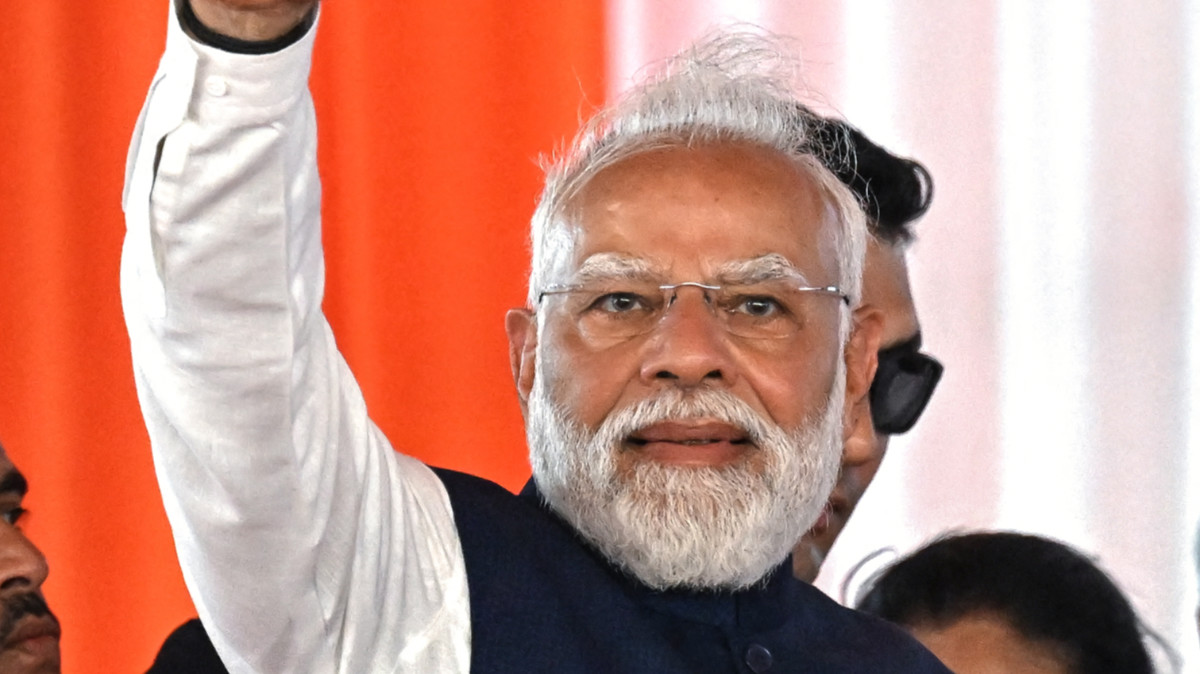
The ongoing US-Israeli military campaign against Iran is now sending ripple effects through the global economy, and India — the world’s fourth largest energy consumer — is already feeling the strain. On Sunday, Indian Prime Minister Narendra Modi delivered a public appeal urging citizens across the country to cut back on petrol and diesel usage, halt gold purchases for 12 months, and reduce foreign travel to shore up the nation’s strained foreign exchange reserves and avert widespread energy shortages.
Up to this point, India has avoided implementing domestic price increases or supply rationing for petrol and diesel, unlike many other emerging economies facing global energy market shocks. However, the government has already moved to raise prices for liquefied petroleum gas (LPG), the primary cooking fuel used by hundreds of millions of Indian households. The country sources roughly 60 percent of its total LPG imports from Qatar, the United Arab Emirates, and Saudi Arabia, and 90 percent of these shipments pass through the Strait of Hormuz — a critical global chokepoint that has been effectively shut down by overlapping US and Iranian blockades amid the ongoing conflict.
Modi’s public appeal marks a clear shift in policy signaling, indicating New Delhi is preparing for impending energy shortages and broad-based price increases that will extend beyond cooking fuel to transportation fuels. Speaking at an event in the southern state of Telangana, the prime minister outlined concrete steps for households and commuters to reduce consumption. “We have to reduce our use of petrol and diesel. In cities with metro lines, we should try to travel by metro…If we must use a car, then we should try to carpool,” Modi stated.
Beyond balancing energy supplies, the appeal is rooted in urgent efforts to protect India’s foreign currency holdings, which have come under severe pressure from soaring global energy prices tied to the Iran conflict. “We must also place a strong emphasis on saving foreign exchange, as petrol and diesel have become so expensive globally,” Modi added.
In a notable departure from typical policy messaging, the prime minister specifically called for a one-year pause on domestic gold purchases, a culturally embedded preference across India where the precious metal is a traditional store of value and a staple gift for weddings and major life events. Like crude oil, global gold transactions are denominated in U.S. dollars, meaning rising domestic gold demand directly draws down foreign reserve holdings. New Delhi previously imposed higher tariffs on gold imports back in 2022 to curb demand and conserve dollars, a policy that has only been partially effective.
India’s structural reliance on foreign energy sources leaves it uniquely vulnerable to the current Middle East crisis: the country imports 90 percent of its total crude oil needs and 50 percent of its natural gas. Surging global energy prices driven by conflict-related supply disruptions have already eaten into India’s foreign exchange reserves, putting heavy downward pressure on the Indian rupee. While the rupee is not officially pegged to the U.S. dollar, capital outflows and rising import costs have driven the currency to a record all-time low against the greenback just last week.
To stabilize the rupee, the Reserve Bank of India has already stepped into foreign exchange markets, selling off U.S. dollar reserves to support the rupee’s value. Compounding the pressure, India relies heavily on dollar remittances from Indian workers based in Gulf states, particularly the United Arab Emirates. The conflict has hit regional tourism hard, and that slowdown has already reduced remittance flows into India.
Modi also called on Indian businesses and workplaces to reinstate the energy-saving remote work policies that were widely adopted during the height of the COVID-19 pandemic. “We should prioritise work from home, online conferences, and virtual meetings again,” he added.