作者: admin

  • Oil rises above $115 and Asia stocks slide as Iran war escalates

    Oil rises above $115 and Asia stocks slide as Iran war escalates

    Financial markets across Asia experienced significant turbulence on Monday morning as escalating military tensions between the US-Israel alliance and Iran triggered a dramatic surge in oil prices and substantial stock market declines.

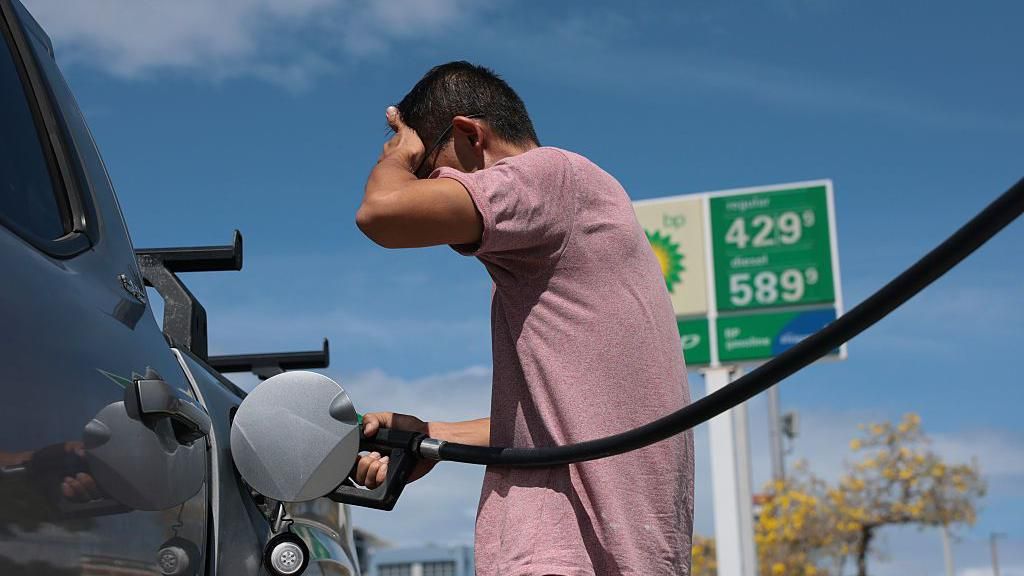
    The global benchmark Brent crude oil skyrocketed by over 3%, surpassing $115 per barrel, while US-traded crude climbed approximately 3.5% to reach $103. This surge positions Brent for its most substantial monthly gain in recorded history. Concurrently, Asian equity markets opened sharply lower, with Japan’s Nikkei 225 index plummeting 4.5% and South Korea’s Kospi dropping 4%.

    This market volatility follows a dangerous escalation in Middle East hostilities over the weekend. Iran-backed Houthi rebels from Yemen launched strikes against Israel, while Tehran issued threats to expand retaliatory actions against educational institutions and residences of US and Israeli officials. The situation intensified when former US President Donald Trump stated in a Sunday interview with the Financial Times that he could potentially ‘take the oil in Iran’ and seize the country’s major fuel hub on Kharg Island, claiming such action could be accomplished ‘very easily.’

    Trump drew parallels to US actions in Venezuela, where American control over the oil industry continues ‘indefinitely’ following the January seizure from then-President Nicolás Maduro. Meanwhile, Iran’s parliament speaker declared that Iranian forces were ‘waiting for American soldiers’ as an additional 3,500 US troops deployed to the region.

    Global energy markets have exhibited extreme volatility since Tehran’s retaliation to US and Israeli strikes, including threats to attack vessels attempting to traverse the strategically critical Strait of Hormuz. Shipping operations through this vital waterway, which handles approximately 21% of global petroleum consumption, have largely halted, creating substantial upward pressure on oil and gas prices worldwide.

    The price escalation represents a dramatic increase from February 27th, when Brent traded at approximately $72 per barrel just before the initial US-Israel strikes on Iran. By March 18th, the benchmark contract reached $119.50—the highest level since June 2022—demonstrating the profound impact of geopolitical instability on energy markets.

  • Trump says he has ‘no problem’ with Russian oil tanker bringing relief to Cuba despite blockade

    Trump says he has ‘no problem’ with Russian oil tanker bringing relief to Cuba despite blockade

    In a significant shift of policy stance, former President Donald Trump has expressed his approval for a sanctioned Russian oil tanker to deliver critical fuel supplies to Cuba despite an aggressive U.S. blockade. The announcement came aboard Air Force One on Sunday as Trump returned to Washington.

    Trump stated unequivocally, ‘I have no problem whether it’s Russia or not’ when questioned about the New York Times report regarding the Russian vessel. He emphasized humanitarian concerns, noting that Cubans ‘need to survive’ and require essential resources like heating and cooling.

    The Russian tanker Anatoly Kolodkin, which is under sanctions from the United States, European Union, and United Kingdom due to the Ukraine conflict, arrived at the Cuban port of Matanzas carrying approximately 730,000 barrels of oil labeled as ‘humanitarian supplies.’ Kremlin spokesman Dmitry Peskov confirmed Monday that Moscow had previously discussed the shipment with U.S. officials, describing it as Russia’s duty to assist ‘our Cuban friends.’

    This development occurs against the backdrop of severe energy shortages in Cuba that have resulted in island-wide blackouts and crippled transportation and healthcare systems. Experts estimate the Russian shipment could generate about 180,000 barrels of diesel—sufficient to meet Cuba’s daily energy demands for just nine to ten days.

    Trump dismissed suggestions that allowing the oil delivery would benefit Russian President Vladimir Putin, asserting that ‘Cuba’s finished’ regardless of external assistance due to what he characterized as ‘bad and corrupt leadership.’ The former president’s administration had implemented what experts describe as the most aggressive Caribbean policy in recent history, effectively cutting Cuba off from vital oil shipments in an effort to force regime change.

    The situation has created a humanitarian crisis for Cuban civilians, with images emerging of residents collecting potable water during blackouts and limited humanitarian aid arriving from other sources, including solar panels from Mexico.

    This event represents the latest chapter in the decades-long geopolitical struggle between the United States and Russia over influence in Cuba, dating back to the Cold War era.

  • Witnesses say Dion Prestia and Steven May ‘not involved’ in Boxing Day brawl, court told

    Witnesses say Dion Prestia and Steven May ‘not involved’ in Boxing Day brawl, court told

    In a significant development within Australian sports legal proceedings, criminal charges against two prominent AFL premiership players may potentially be dismissed as law enforcement authorities continue their witness investigation. The case involves Richmond midfielder Dion Prestia and recently retired Melbourne defender Steven May, both facing allegations related to a physical altercation that occurred in the coastal community of Sorrento during the early hours of December 26, 2024.

    During Monday’s proceedings at Frankston Magistrates Court, prosecutor Alex Turner revealed that investigators remain actively engaged in interviewing additional witnesses, with one individual having provided testimony as recently as the previous week. The prosecution acknowledged the currently contradictory nature of evidence, stating that while some witnesses claim the athletes’ involvement, others provide exonerating accounts.

    Both defendants maintained their consistent position of non-involvement through their legal representative Tony Hargreaves, who emphasized that the ongoing police investigation actually benefits from information supplied by the defense team. The athletes appeared via video link during the hearing, with Prestia wearing Richmond-branded attire and May dressed in formal clothing.

    The judicial outcome hinges significantly on testimony from two remaining witnesses whom investigators hope to interview before the scheduled May 8 court date. Prosecutor Turner indicated that these final interviews would essentially determine whether the prosecution proceeds with the case or recommends charge withdrawal.

    Magistrate Tony Burns granted the adjournment request, allowing additional time for evidence collection. The charges stem from an alleged physical confrontation between two groups that resulted in two individuals requiring hospital treatment. Prestia faces allegations of recklessly causing serious injury while May has been charged with affray.

    Both athletes share a professional history dating back to their simultaneous AFL debuts with Gold Coast Suns in 2011. May recently concluded his professional career after eight seasons with Gold Coast and five with Melbourne, having announced his retirement earlier this month while committing to local football with East Ringwood for the 2026 season.

  • Netanyahu says Latin Patriarch will have full access to holy site

    Netanyahu says Latin Patriarch will have full access to holy site

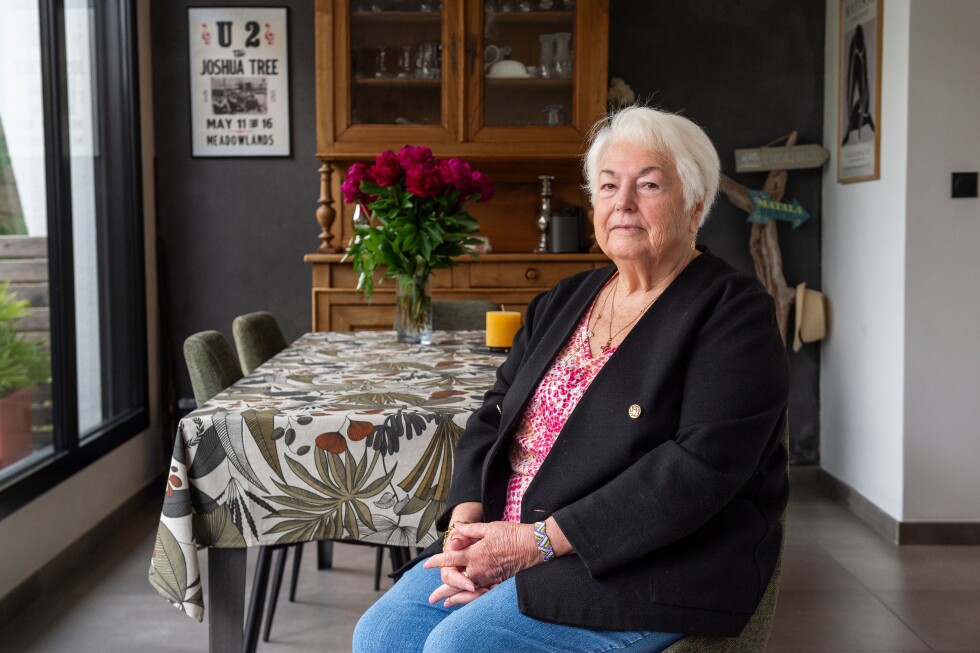
    In a significant reversal, Israeli Prime Minister Benjamin Netanyahu has granted the Latin Patriarch of Jerusalem “full and immediate access” to the Church of the Holy Sepulchre following widespread condemnation of the initial decision to bar the cardinal from celebrating Palm Sunday Mass at Christianity’s most sacred site.

    The controversy erupted when Israeli police prevented Cardinal Pierbattista Pizzaballa, head of the Catholic Church in the Holy Land, and Reverend Francesco Ielpo from entering the church to conduct a private ceremony marking the beginning of Holy Week. Church authorities described this as an unprecedented event, noting it was “the first time in centuries” a Latin Patriarch had been denied access on Palm Sunday.

    Israeli officials defended the initial restriction as a security precaution amid ongoing regional tensions. Netanyahu stated that Iranian ballistic missiles had “repeatedly targeted” Jerusalem’s holy sites in recent days, with missile fragments landing mere meters from the Church of the Holy Sepulchre in one instance. The Prime Minister emphasized that police acted out of “special safety concerns” rather than “malicious intent.”

    The decision provoked strong international criticism. U.S. Ambassador Mike Huckabee characterized the move as an “unfortunate overreach” that was “difficult to understand or justify.” Italian Prime Minister Giorgia Meloni condemned it as “an offence against every community that recognises religious freedom,” while French President Emmanuel Macron expressed concern about “the worrying increase in violations of the status of the Holy Places in Jerusalem.”

    The Latin Patriarchate issued a statement calling the decision “a grave precedent” that disregarded “the sensibilities of billions of people around the world.” Cardinal Pizzaballa described the measure as “an extreme departure from basic principles of reasonableness, freedom of worship, and respect for the status quo,” while noting his office had followed all imposed restrictions since the conflict began.

    Following Netanyahu’s intervention, Israeli authorities are now developing a plan to facilitate worship at the site during Holy Week while maintaining security protocols. The incident has highlighted the complex balance between security concerns and religious freedom in Jerusalem’s contested holy sites.

  • Forty new migratory species win international protection: UN body

    Forty new migratory species win international protection: UN body

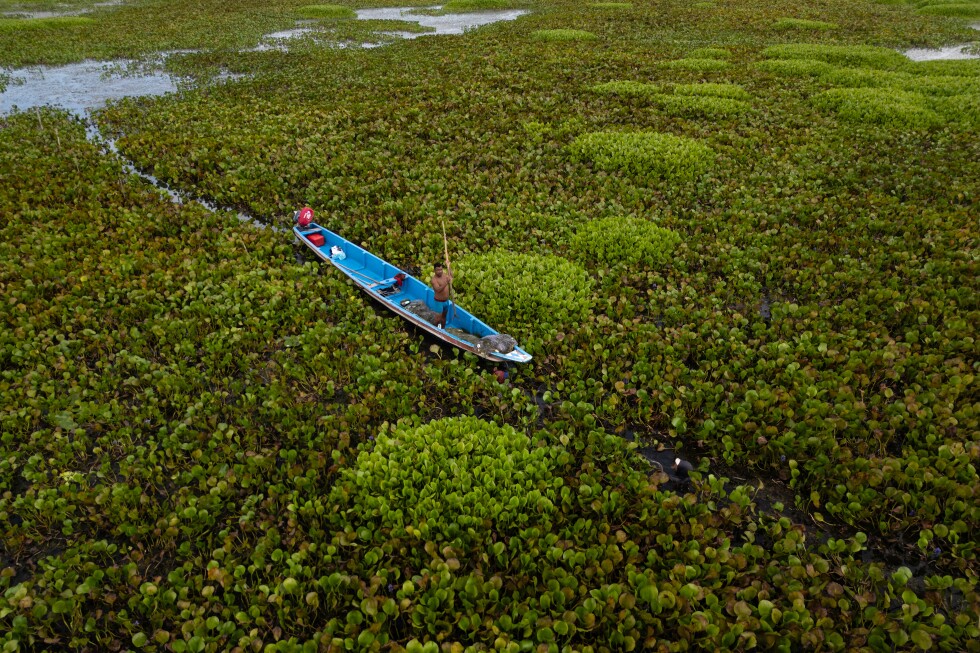
    In a landmark decision for global wildlife conservation, the United Nations Convention on Migratory Species (CMS) has extended international protections to forty additional migratory species facing population declines. The historic agreement was finalized Sunday at the conclusion of the COP15 summit in Campo Verde, Brazil, which convened delegates from 132 nations and the European Union.

    The newly protected species span diverse ecosystems and include iconic animals such as the snowy owl (Bubo scandiacus), celebrated in popular culture through the Harry Potter franchise, and the critically endangered Hudsonian godwit (Limosa haemastica), a long-beaked shorebird. The list also encompasses marine species like the great hammerhead shark (Sphyrna mokarran), terrestrial mammals including the striped hyena (Hyaena hyaena), and freshwater species such as the giant otter (Pteronura brasiliensis).

    This binding international agreement obligates signatory nations to implement comprehensive conservation measures, including habitat protection and restoration, mitigation of migration barriers, and cross-border cooperation to ensure species survival. The summit’s location in Brazil’s Pantanal wetlands—a biodiversity hotspot in the southern Amazon region—symbolically underscored the urgency of conservation efforts.

    The expanded protections come amid alarming ecological assessments. A pre-summit CMS report revealed that 49% of all tracked migratory species are experiencing population declines, with nearly one-quarter facing global extinction risks. Concurrently, a separate UN assessment published during the summit documented catastrophic declines in migratory freshwater fish populations worldwide, threatening both river ecosystem health and human communities that depend on them.

    Experts identified habitat destruction, unsustainable fishing practices, and pervasive water pollution as primary drivers of this biodiversity crisis, affecting species from the Amazon to the Danube river systems. This conservation victory builds upon Brazil’s recent environmental leadership, having hosted the COP30 climate summit in Belem just three months prior.

  • UK police question suspect after car hits pedestrians in English city

    UK police question suspect after car hits pedestrians in English city

    British authorities in Derby are conducting intensive investigations following a vehicular assault that left seven pedestrians injured on Saturday night. The incident occurred at approximately 9:30 PM in the Friar Gate district, a popular nightlife area in the central English city.

    Police apprehended a 36-year-old male suspect, a long-term UK resident originally from India, within seven minutes of the incident. The rapid arrest was facilitated by eyewitness accounts tracking the movements of the black Suzuki Swift vehicle involved. The suspect remains in custody facing multiple charges including attempted murder, dangerous driving causing serious injury, and grievous bodily harm with intent.

    Chief Superintendent Emma Aldred confirmed that counter-terrorism specialists are supporting the investigation as standard protocol, but emphasized there is no current evidence suggesting terrorist motives. “This appears to be an isolated horrific incident with no wider risk to the public,” Aldred stated during a Sunday briefing.

    All seven victims sustained serious but non-life-threatening injuries and received treatment at Royal Derby Hospital and Queen’s Medical Centre in Nottingham. Authorities specifically countered online misinformation confirming no fatalities occurred.

    The UK Interior Ministry has declined to comment on the suspect’s immigration status while the investigation continues. This cautious approach follows lessons learned from the 2024 Southport stabbing case, where premature speculation about perpetrator background contributed to significant social unrest.

  • ‘No structural damage’: Dragons clear Kyle Flanagan of any major damage after terrifying scenes on the Gold Coast

    ‘No structural damage’: Dragons clear Kyle Flanagan of any major damage after terrifying scenes on the Gold Coast

    St George Illawarra Dragons have issued a positive medical update concerning playmaker Kyle Flanagan, who sustained a severe head injury during Sunday’s NRL match against the Gold Coast Titans. The concerning incident occurred during the second half when Flanagan collided head-first with teammate Hayden Buchanan while executing a tackle, resulting in immediate medical intervention.

    Flanagan remained motionless on the field for approximately five minutes before being carefully immobilized and transported via medi-cab to Gold Coast University Hospital. The dramatic scene unfolded under the watchful eye of his father, Dragons head coach Shane Flanagan, who witnessed the incident from the coaching box.

    Medical imaging conducted overnight has confirmed the absence of structural damage to Flanagan’s neck or spine. Club officials reported the five-eighth maintained full movement and sensation in his extremities throughout the ordeal, though he did experience an extended period of unconsciousness following the collision.

    Despite the frightening nature of the injury, Flanagan has been cleared to travel home with the team while undergoing mandatory monitoring under the NRL’s strict concussion protocols. This medical oversight automatically rules him out of contention for Saturday’s upcoming match against the North Queensland Cowboys as the Dragons continue their search for their first victory of the 2024 season.

    The match itself concluded with Gold Coast securing their inaugural win under interim coach Josh Hannay, overcoming a halftime deficit to triumph 22-14. The victory came despite disciplinary action against Titans prop Moeaki Fotuaika, who received a grade one careless high tackle charge accompanied by a $1,000 fine.

  • First stop, the Moon. Next stop, Mars? Why Nasa’s mission matters

    First stop, the Moon. Next stop, Mars? Why Nasa’s mission matters

    NASA is poised to launch its groundbreaking Artemis II mission within days, sending four astronauts on a historic journey to orbit the Moon. This critical mission establishes the foundation for subsequent lunar landings and the eventual establishment of a permanent Moon base.

    Despite the iconic Apollo missions that placed twelve astronauts on the lunar surface over fifty years ago, NASA’s Artemis program represents a fundamentally different endeavor. With an estimated investment of $93 billion and thousands of contributors, this new lunar campaign moves beyond symbolic achievement toward sustained planetary presence.

    Scientific exploration drives much of this renewed interest. Planetary scientist Professor Sara Russell explains that the Moon contains identical elements to those found on Earth, including concentrated rare earth elements crucial for technology, along with metals like iron and titanium. The most significant discovery, however, is water—trapped within lunar minerals and accumulated as ice in permanently shadowed polar craters. This water proves essential for human survival, providing drinking water, breathable air through electrolysis, and even rocket fuel.

    The contemporary space race features different geopolitical dynamics than the Cold War-era competition with the Soviet Union. China has emerged as a major space power, having successfully deployed robotic missions to the Moon and announced plans for human landings by 2030. Both nations seek access to resource-rich lunar territories, particularly the South Pole region, despite the 1967 Outer Space Treaty prohibiting national claims to celestial bodies.

    Dr. Helen Sharman, the first British astronaut, clarifies the legal landscape: ‘Although you can’t own a piece of land because of the UN treaty, you can basically operate on that land without anybody interfering with it. The big thing right now is to try to grab your piece of land. You can’t own it, but you can use it.’

    Beyond lunar exploration, NASA views the Moon as a crucial testing ground for eventual human missions to Mars. Libby Jackson, head of space at the Science Museum, emphasizes the strategic rationale: ‘Going to the Moon and staying there for a sustained period is much safer, much cheaper and much easier to be a test bed for learning how to live and work on another planet.’ The Moon provides an ideal environment to develop technologies for life support, radiation protection, and habitat construction without the catastrophic risks of testing them during a Mars mission.

    Scientific discovery remains another compelling motivation. The Apollo missions transformed our understanding of the Moon’s formation through a colossal impact between Earth and a Mars-sized body. As a geological time capsule preserving 4.5 billion years of solar system history, the Moon offers unparalleled insights into Earth’s own evolution.

    The Artemis program also aims to inspire new generations through high-definition live streams of lunar exploration, potentially creating what space advocates hope will be a ‘Apollo effect’ for the 21st century—stimulating interest in science, technology, engineering, and mathematics careers while fostering international cooperation in space exploration.

  • ‘Shot of a lifetime’: March Madness as heavyweights Duke eliminated in one of the craziest finishes ever

    ‘Shot of a lifetime’: March Madness as heavyweights Duke eliminated in one of the craziest finishes ever

    In one of the most spectacular finishes in NCAA tournament history, the Connecticut Huskies engineered a miraculous comeback against top-seeded Duke, capped by an unbelievable game-winning shot that has instantly become March Madness legend. Trailing by 19 points and facing elimination, the Huskies mounted a furious rally that culminated in Braylon Mullins’ incredible three-pointer with merely 0.3 seconds remaining, securing a dramatic 73-72 victory and ending Duke’s championship aspirations.

    The game appeared destined for a conventional conclusion when Duke held a 72-70 advantage with ten seconds left, needing only to execute a simple foul strategy to secure their place in the Final Four. However, a critical defensive play by UConn resulted in a tipped pass and possession change, setting the stage for Mullins’ historic moment. The guard received the inbound pass and launched a desperation shot from well beyond the arc that found nothing but net, sending social media into a frenzy and cementing his place in tournament folklore.

    This stunning victory propels UConn into a Final Four confrontation with Illinois as the program seeks its third national championship in four years under the leadership of coach Dan Hurley. The victory exemplifies the unpredictable nature of the NCAA tournament, where a single possession can reverse fortunes and create enduring memories. March Madness, featuring 68 teams in a single-elimination format, continues to captivate audiences with its high-stakes drama and potential for life-changing moments, including the $1 billion prize offered for a perfect bracket prediction.

    While the tournament has produced numerous iconic moments throughout its history, Mullins’ game-winner against the nation’s top-ranked team, considering the magnitude of the occasion and the spectacular nature of the shot, immediately enters the pantheon of the most remarkable plays ever witnessed in college basketball.

  • Fugitive Dezi Freeman shot dead by Australian police after months on the run, reports say

    Fugitive Dezi Freeman shot dead by Australian police after months on the run, reports say

    Australian authorities have confirmed the fatal shooting of Dezi Freeman, ending a seven-month nationwide manhunt for the prime suspect in the killing of two police officers. The dramatic conclusion unfolded on Monday morning at a rural property in north-east Victoria, where specialized police units engaged the fugitive shortly after 8:30 AM local time.

    The 56-year-old Freeman, whose legal name was Desmond Filby, had evaded capture since August 26th when he allegedly executed Detective Senior Constable Neal Thompson and Senior Constable Vadim de Waart during a police visit to his Porepunkah residence. The officers were serving a search warrant related to child sex abuse investigations when the confrontation turned deadly.

    Victoria Police confirmed that no officers sustained injuries during Monday’s operation. The state coroner has been dispatched to the scene as part of standard investigative protocols following police-involved shootings.

    Freeman identified as a ‘sovereign citizen,’ part of an anti-government movement that rejects institutional authority and legal frameworks. His online presence revealed extensive conspiracy theory advocacy, which law enforcement sources suggest contributed to his violent resistance against police operations.

    The Police Association of Victoria issued a measured statement acknowledging the development while emphasizing that the resolution “doesn’t lessen the trauma” experienced by the fallen officers’ families and colleagues. The association characterized Freeman’s death as a “step forward” rather than closure for the grieving law enforcement community.

    Authorities have launched a comprehensive investigation into the circumstances surrounding Monday’s shooting, maintaining transparency about the procedures that led to the fatal encounter. The investigation will examine tactical decisions, operational protocols, and whether alternative resolutions were possible given Freeman’s documented history of violence and anti-authority ideology.

    The seven-month search operation involved one of Victoria’s most extensive bushland manhunts, with hundreds of officers combing through dense terrain near the original crime scene. Freeman’s ability to evade capture despite massive police resources had become a subject of national concern, raising questions about rural security and the challenges of tracking determined fugitives in Australia’s vast wilderness areas.