作者: admin

  • Xuankong Temple: A popular place to hang out

    Xuankong Temple: A popular place to hang out

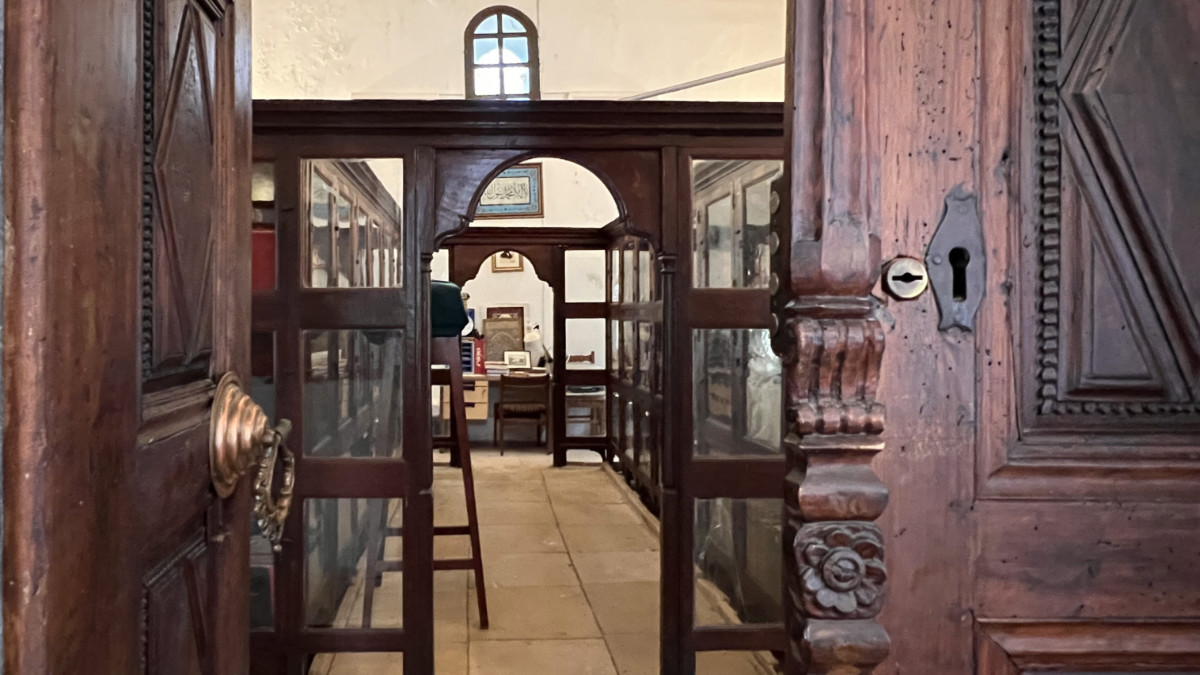
    Perched dramatically on the vertiginous cliffs of Cuiping Mountain in Datong, Shanxi province, the 1,500-year-old Xuankong Temple (Hanging Temple) is experiencing an unprecedented tourism renaissance. This architectural marvel, which defies gravity through ingenious ancient engineering, has become a global pilgrimage site following its prominent featuring in the blockbuster video game ‘Black Myth: Wukong’.

    The temple’s sudden popularity surge has created extraordinary visitor demand, with waiting times extending for hours during peak seasons. In response to the overwhelming foot traffic, local authorities have implemented protective measures, reducing daily admission quotas from 3,275 to 2,475 visitors effective immediately. This conservation strategy aims to safeguard the fragile wooden structure that has clung to the mountainside since the Northern Wei Dynasty (386-534).

    What makes the temple’s endurance particularly remarkable is its revolutionary construction technique. Heritage expert Hao Weihe explains that the structure’s stability derives not from its visible supporting pillars, but from horizontal beams crafted from durable hemlock wood. These beams, shaped like scissors at one end, penetrate deep into the cliff face—functioning similarly to modern expansion bolts—with two-thirds embedded in rock and one-third exposed to support the temple’s weight. Each beam can reportedly support several metric tons.

    Beyond its architectural wonders, the temple serves as a symbol of religious harmony. The Hall of Three Religions simultaneously honors Buddhism, Confucianism, and Taoism through statues of Buddha, Confucius, and Lao Tzu. Visitors can additionally admire exquisite carvings adorning the upturned eaves, roof tiles, and plank path corners throughout the complex.

    International tourists like Yana from Ukraine have expressed awe at the temple’s preservation, describing it as ‘staggering’ in social media posts that encourage others to witness the ancient wonder firsthand. As gaming culture continues to influence travel patterns, this 1,500-year-old temple demonstrates how digital media can breathe new life into historical treasures while presenting contemporary conservation challenges.

  • In South Sudan, a prophet’s sacred stick helps fuel a violent struggle for political power

    In South Sudan, a prophet’s sacred stick helps fuel a violent struggle for political power

    In South Sudan, the world’s youngest nation, an ancient spiritual artifact has become a focal point in the ongoing political turmoil between President Salva Kiir and opposition leader Riek Machar. The Ngundeng Bong’s dang—a sacred stick believed to have summoned deadly thunderbolts in 1878 tribal battles—now symbolizes the deep ethnic and spiritual divisions driving the country’s cycle of violence.

    Machar, who acquired the dang in 2009, is viewed by his Nuer followers as the prophesied leader foretold by Ngundeng—a gap-toothed, left-handed man destined to lead South Sudan. This perception has sustained his political struggle while simultaneously making him a target for Kiir’s Dinka-dominated government. The ethnic tensions between these groups erupted into civil war in 2013 after Kiir accused Machar of plotting a coup, resulting in approximately 400,000 deaths despite a fragile 2018 peace agreement.

    Recent escalation has prompted authorities to order civilian evacuations from rebel-held towns, while Machar remains under house arrest facing treason charges. Militias like the White Army continue fighting in belief they’re fulfilling Ngundeng’s prophecy to install Machar as president.

    Historians note the dang’s significance transcends its physical form. Douglas H. Johnson, the British-American historian who repatriated the artifact, compares its authority to a parliamentary mace. The 110-centimeter stick, fashioned from tamarind root and decorated with copper wire, was collected as a colonial trophy before Johnson discovered it in Bournemouth and returned it to South Sudan.

    Currently, the dang’s whereabouts remain uncertain, though it’s believed to be in Machar’s possession. Archivists describe it as national heritage “embedded” with political authority, while analysts suggest its perceived power contributes to the ongoing conflict. With elections scheduled for December, the absence of Machar on the ballot could further disenfranchise the Nuer population and exacerbate tensions in this spiritually-charged political struggle.

  • After Trump said MBS was ‘kissing his ass’, Gulf leaders told to send children to fight Iran

    After Trump said MBS was ‘kissing his ass’, Gulf leaders told to send children to fight Iran

    Former White House strategist Steve Bannon has provoked controversy by demanding that Gulf Arab elites deploy their own children as frontline troops in any potential military confrontation with Iran. During his ‘War Room’ podcast broadcast on Saturday, the influential ally of President Donald Trump argued that regional powers should bear the human cost of conflict.

    Bannon specifically challenged Gulf royalty to demonstrate their commitment to the cause. ‘Maybe we can get a couple or three of those princes in uniform. Got any kids in special forces? Let’s line up those royal families and see how big they’re talking,’ he stated provocatively.

    The political commentator expanded his criticism to include Washington’s traditional allies, accusing Israel, Arab nations, and European partners of ‘playing games’ while American troops shoulder the burden. He emphasized that President Trump requires ‘options and alternatives to negotiate the military operational victory.’

    Bannon framed a potential ground campaign in historical terms, envisioning a modern recreation of Alexander the Great’s conquests from 2,300 years ago. He insisted that Arab forces should lead any offensive, particularly targeting Iran’s strategic Kharg Island facility.

    In specific operational suggestions, Bannon proposed that the United Arab Emirates should form the ‘first wave’ at Kharg Island, acknowledging Abu Dhabi Crown Prince Mohammed bin Zayed as ‘probably the best ally we have over there.’ He simultaneously demanded immediate action against Iranian financial operations within UAE territories.

    These remarks emerged shortly after President Trump’s own comments about Saudi leadership at a investment conference in Florida. The president mockingly recalled that Crown Prince Mohammed bin Salman ‘didn’t think he’d be kissing my ass’ following the administration’s support during the Khashoggi crisis.

    Meanwhile, diplomatic efforts continue independently of these inflammatory statements. Pakistan has offered to host substantive negotiations to resolve tensions, with officials from Saudi Arabia, Egypt, and Turkey convening in Islamabad to explore de-escalation pathways and potential US-Iran dialogue.

  • Oil prices soar as ASX investors sell bank and technology stocks

    Oil prices soar as ASX investors sell bank and technology stocks

    Escalating Middle Eastern hostilities have triggered significant volatility across Australian financial markets, producing a stark sectoral divide in Monday’s trading session. The benchmark ASX 200 index declined 55.3 points (0.6%) to settle at 8461, mirroring identical losses in the broader All Ordinaries index which closed at 8657.5. This downturn extends a concerning trend, with the benchmark plummeting approximately 8% this month—potentially marking its most severe monthly decline since the COVID-induced market crash of March 2020.

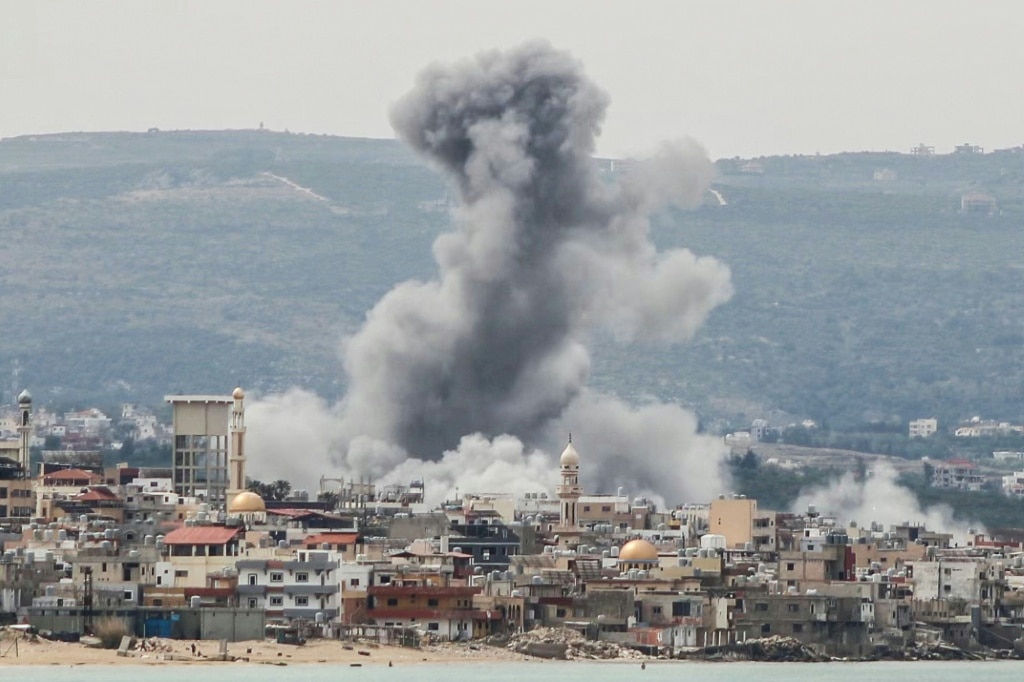
    The market reaction reflected immediate risk aversion following weekend developments where Houthi rebels launched missiles toward Israel and speculation intensified regarding potential U.S. military action against Iran. These geopolitical tensions drove oil prices upward amid supply disruption fears, creating a pronounced divergence between sector performances.

    Financial and technology equities bore the brunt of selling pressure. The banking sector experienced substantial declines with Westpac plunging 4.05%, Commonwealth Bank retreating 2.83%, National Australia Bank decreasing 1.76%, and ANZ dropping 1.62%. Technology stocks, already contending with artificial intelligence sector concerns, faced additional pressure from interest rate inflation fears. WiseTech Global plummeted 4.77%, Xero declined 3.21%, and NextDC decreased 1.4%.

    Conversely, energy equities demonstrated notable resilience amid rising crude prices. Beach Energy advanced 1.96%, Santos gained 1.26%, and Woodside Energy climbed 2.18% as the company resumed LNG cargo operations in Western Australia following Tropical Cyclone Narelle. The energy sector received additional support from government policy intervention, with the Albanese administration announcing a 50% reduction in fuel excise taxes for the forthcoming three months. This propelled Viva Energy upward by 2.01% and Ampol by 0.62%.

    Materials equities also outperformed following supply disruption concerns after alleged Iranian attacks targeted Middle Eastern aluminum producers. South32 surged 9.43%, Alcoa jumped 8.27%, and Rio Tinto advanced 4.93%. In corporate developments, Greatland Resources emerged as the session’s strongest performer, skyrocketing 11.07% after announcing a 150% expansion of its Telfer gold resource to 8 million ounces.

    The Australian dollar traded at 68.7 US cents, with analysts noting its trajectory remains heavily dependent on geopolitical developments. Market analyst Tony Sycamore observed that further Middle Eastern escalation would maintain pressure on the currency, while any resolution regarding the Strait of Hormuz could catalyze a significant rebound.

  • Australian police fatally shoot a suspect in a 3-hour standoff after 2 officers killed

    Australian police fatally shoot a suspect in a 3-hour standoff after 2 officers killed

    Australian authorities have concluded a dramatic seven-month manhunt with the fatal shooting of a suspect believed to be responsible for the killing of two police officers and serious injury of a third. The incident culminated Monday in a remote forest region northeast of Melbourne, Victoria.

    Victoria Police Chief Commissioner Mike Bush confirmed that tactical officers engaged in a three-hour standoff with the suspect near Thologolong, approximately two hours north of Porepunkah where the original shootings occurred last August. Heavily armed Special Operations Group personnel attempted to negotiate surrender before ultimately shooting the individual.

    The suspect, identified as 56-year-old Dezi Freeman, had evaded capture since allegedly opening fire on officers attempting to serve a warrant at his property on August 26, 2022. Freeman was reported to possess wilderness survival skills and held sovereign citizen beliefs, with authorities previously suspecting he might have taken his own life during the extensive search operation.

    Formal identification procedures, including fingerprint analysis, are underway and may require up to 48 hours for completion. Commissioner Bush emphasized that police priority was peaceful resolution but acknowledged strong belief that the suspect remained armed during the confrontation. Authorities continue to investigate whether Freeman received assistance in evading capture throughout the seven-month period, having previously offered a AU$1 million reward for information leading to his apprehension.

  • Myanmar junta chief Min Aung Hlaing nominated as president

    Myanmar junta chief Min Aung Hlaing nominated as president

    Myanmar’s military commander-in-chief Min Aung Hlaing has been formally nominated for the presidency as the nation’s parliament convened on Monday, marking a significant political transition following elections widely condemned by the international community. The nomination comes after a general election held between December and January that excluded major opposition parties and was dismissed by critics as fundamentally flawed.

    Min Aung Hlaing, who faces sanctions from numerous Western nations for orchestrating the military coup five years ago, stands as the certain choice for president. His nomination appears alongside two loyalists who present no substantial challenge for the position. The military establishment has defended the electoral process as legitimate despite widespread allegations of manipulation.

    The political landscape reveals approximately 90% of parliamentary members owe direct allegiance to Min Aung Hlaing, comprising both active military officers—guaranteed a constitutional quarter of seats—and elected representatives from the military’s political wing. Parliamentary proceedings this week will focus primarily on presidential selection, though the outcome appears predetermined.

    Analysts note Min Aung Hlaing’s longstanding ambition for the presidency, citing his dissatisfaction with the military party’s poor performance in the 2020 elections as a key catalyst for the coup that overthrew Aung San Suu Kyi’s democratically elected government. The constitutional requirement for the president to relinquish military command presents potential vulnerabilities, prompting Min Aung Hlaing to appoint General Ye Win Oo—a known loyalist with a reputation for brutal suppression of dissent—as his military successor.

    To mitigate power transition risks, the general has established a new consultative council under his leadership, potentially maintaining influence over both military and civilian governance structures. The emerging administration essentially represents an expanded version of the current military junta adopting civilian political trappings, with no indications of policy changes regarding the violent suppression of opposition movements that has characterized the past five years of military rule.

    The country continues to grapple with a devastating civil war that has claimed thousands of lives and displaced millions since the coup, with significant territories remaining under armed opposition control despite the junta’s characterization of elections as a pathway to peace.

  • Sydney Kings co-owner Andrew Bogut accused of ‘body shaming’ Adelaide 36ers owner

    Sydney Kings co-owner Andrew Bogut accused of ‘body shaming’ Adelaide 36ers owner

    The National Basketball League confronts a serious misconduct allegation as Adelaide 36ers formally accuse Sydney Kings assistant coach Andrew Bogut of orchestrating a targeted harassment campaign against their owner Grant Kelley. The escalating conflict reached its climax during the NBL Championship Series, prompting official intervention requests from the 36ers organization.

    According to official statements released Monday, the Adelaide franchise alleges Bogut—former NBA champion and current Kings executive—engaged in persistent personal attacks against Kelley throughout the championship games. The controversy intensified following Game 2’s dramatic conclusion last Friday, where witnesses reported a heated tunnel confrontation featuring explicit verbal exchanges between the two basketball figures.

    The situation further deteriorated when Bogut posted a social media comment following Sunday’s Game 3 victory, making apparent references to body image that the 36ers organization characterized as unacceptable body-shaming behavior. Adelaide management emphasized that such conduct transcends typical sports rivalry, noting that body-shaming represents a genuine source of psychological distress regardless of gender or age.

    In response to these developments, the 36ers have formally notified the NBL governing body and additional regulatory authorities, seeking disciplinary action during the upcoming offseason. The organization simultaneously reaffirmed its commitment to maintaining professional standards and providing optimal conditions for Wednesday’s crucial Game 4 championship matchup.

    Bogut, who enjoyed a thirteen-year NBA career before transitioning to ownership and coaching roles with Sydney, has yet to issue an official response to the misconduct allegations. The NBL now faces mounting pressure to address the situation while balancing competitive integrity with professional conduct standards within Australia’s premier basketball competition.

  • Kosovo, one of Europe’s poorest countries, struggles as Iran war drives up fuel prices

    Kosovo, one of Europe’s poorest countries, struggles as Iran war drives up fuel prices

    PRISTINA, Kosovo – In one of Europe’s most economically challenged nations, a successful snack production company exemplifies both Kosovo’s entrepreneurial potential and its vulnerability to global market disruptions. Pestova, a prominent food manufacturer operating in eastern Kosovo, manages nearly 100 acres of potato fields dedicated to its Vipa brand potato chips distributed domestically and exported to 23 countries.

    The company’s operations have been severely impacted by soaring fuel prices that skyrocketed from €1.10 to €1.70 per liter following geopolitical tensions stemming from the conflict in Iran. As a nation without domestic fuel production, Kosovo’s energy costs are entirely determined by importers working within government-mandated profit margins capped at 12%.

    Kushtrim Ajvazi, Pestova’s management representative, detailed the multifaceted challenges: “Our production and distribution networks are facing extremely high operational costs during critical planting season. While we maintained fertilizer reserves, the fuel price surge has created unsustainable pressure.”

    The company faces particular complications with export contracts, where 40% of production is committed at fixed prices that require 90-day advance notice for adjustments. This creates significant planning difficulties in an unstable market environment.

    Economic expert Safet Gerxhaliu warns that “there is not one sector unaffected by these price increases” and urges government intervention to prevent broader economic damage. Unlike neighboring Balkan nations including Romania, Hungary, and Serbia that have implemented special diesel pricing or tax reductions for agricultural producers, Kosovo’s administration has yet to enact supportive measures.

    The fuel crisis extends beyond industry to directly impact citizens like Bardh Mehmeti, an IT professional from Pristina, who now pays €100 instead of €80 to fill his tank and is considering switching to electric vehicle alternatives.

    Kosovo’s economic challenges are compounded by political complexities dating to its 2008 independence declaration from Serbia, which remains unrecognized by Belgrade, creating diplomatic stalemates that hinder European Union integration efforts. The current government under Prime Minister Albin Kurti faces additional governance challenges, including presidential election deadlock and opposition criticism regarding economic management.

    The Democratic Party, Kosovo’s main opposition force, has accused the government of inaction and advocated for temporary tax relief to support both businesses and citizens through the current crisis.

  • Israel PM restores access after Latin Patriarch blocked from Holy Sepulchre

    Israel PM restores access after Latin Patriarch blocked from Holy Sepulchre

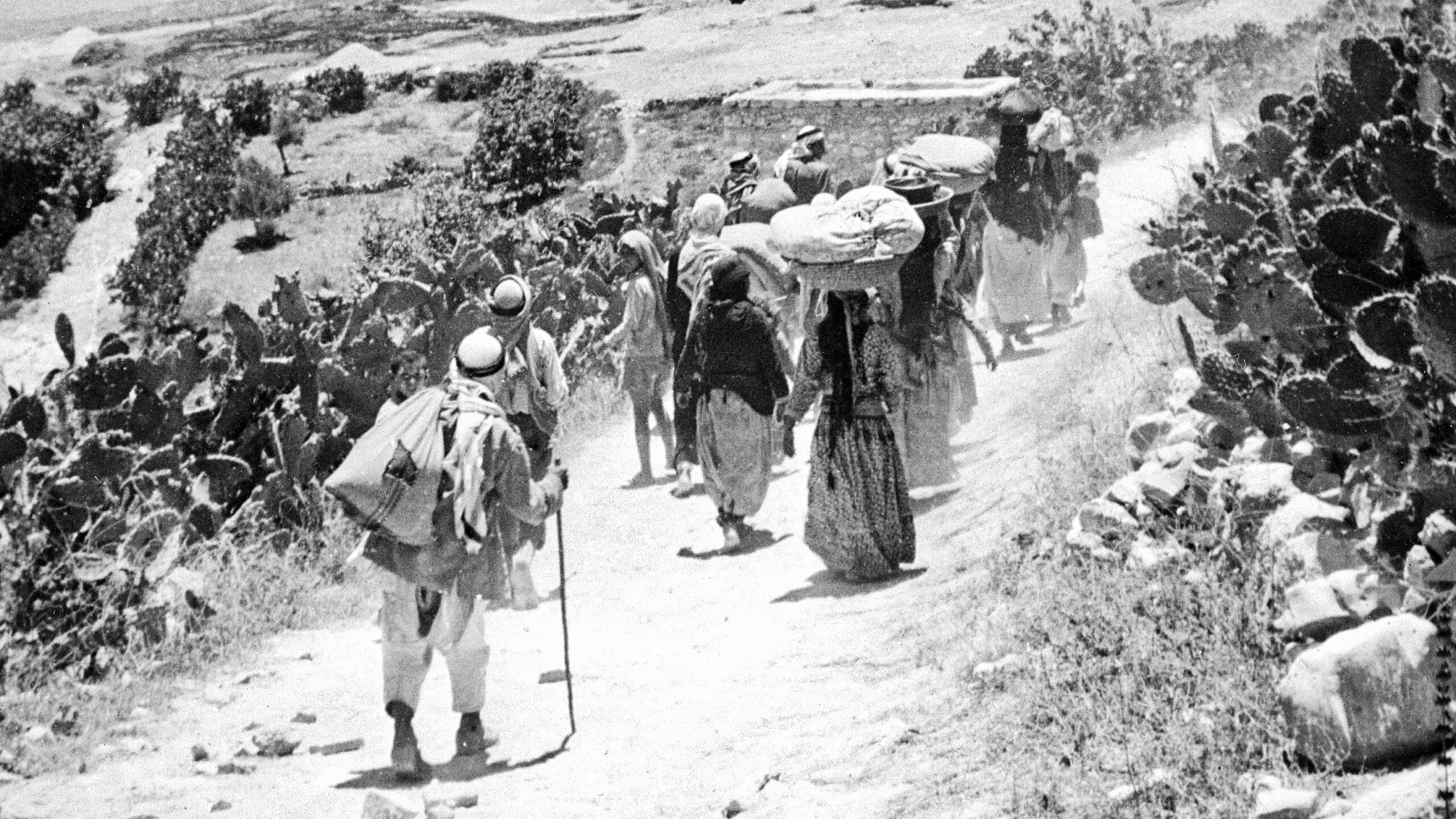
    Israeli Prime Minister Benjamin Netanyahu has ordered the immediate restoration of access rights to Jerusalem’s Church of the Holy Sepulchre for the Latin Patriarch of Jerusalem, following a controversial decision to block Cardinal Pierbattista Pizzaballa from entering Christianity’s holiest site on Palm Sunday. The incident, which occurred amid heightened security measures during Israel’s ongoing conflict with Iran, triggered widespread international condemnation and raised serious concerns about religious freedom in the region.

    Israeli police initially prevented Cardinal Pizzaballa and the Custos of the Holy Land, Father Francesco Ielpo, from entering the church complex, citing security concerns related to Iran’s recent missile strikes near holy sites. According to the Latin Patriarchate, the religious leaders were traveling privately without ceremonial procession when officers forced them to turn back—marking the first time in centuries that church authorities were prevented from celebrating Palm Sunday Mass at the site Christians believe contains the locations of Christ’s crucifixion, burial, and resurrection.

    The decision prompted immediate backlash from world leaders and religious authorities. European Union foreign policy chief Kaja Kallas condemned the action as a clear violation of religious freedom, while France, Spain, Italy, and Jordan joined in criticizing the restriction. Pope Leo XIV expressed solidarity with Middle Eastern Christians who cannot fully observe holy days due to ongoing conflicts.

    In response to the international pressure, Netanyahu’s office announced that the Patriarch would receive full and immediate access, clarifying that there had been no malicious intent behind the initial denial. The Prime Minister elaborated on Israel’s security concerns in a social media post, noting that Iran had repeatedly targeted holy sites of all three monotheistic religions in Jerusalem with ballistic missiles in recent days.

    Israeli police defended their decision, explaining that all holy sites in Jerusalem have been closed since the start of the war due to safety concerns. The force emphasized that the Old City’s narrow streets present significant challenges for emergency response capabilities in the event of mass casualty incidents.

    The controversy unfolded as Christian worshippers expressed disappointment over the cancellation of traditional Palm Sunday processions. In the Old City, shops remained shuttered and streets lay largely deserted, with local residents lamenting the scaled-back observances. Cardinal Pizzaballa ultimately celebrated Mass at the Church of All Nations on the Mount of Olives, where he delivered a message of resilience: War will not erase the resurrection, and grief will not extinguish hope.

  • A youth-led push for change threatens Orbán’s 16-year rule in Hungary’s elections

    A youth-led push for change threatens Orbán’s 16-year rule in Hungary’s elections

    BUDAPEST, Hungary — A profound generational schism is reshaping Hungary’s political landscape as the nation approaches crucial April elections that could terminate Prime Minister Viktor Orbán’s 16-year authoritarian reign. Young Hungarians, mobilized by corruption scandals and economic stagnation, are overwhelmingly backing the surging center-right Tisza party led by reformist Péter Magyar.

    Across the Lake Balaton region and beyond, volunteers in their mid-20s are conducting door-to-door campaigns advocating for political transformation. Florian Végh, a 25-year-old student activist, encapsulates the movement’s sentiment: “We’ve lived our whole lives in this system and want to see what exists beyond it. This system is absolutely dysfunctional.”

    Recent polling reveals dramatic demographic polarization: Tisza commands 65% support among voters under 30, while Orbán’s Fidesz party retains just 14% youth backing. Conversely, Fidesz maintains 50% support among retirement-age Hungarians versus Tisza’s 19%, creating a stark generational divide.

    The political upheaval stems from February 2024’s presidential pardon scandal, where Orbán’s ally pardoned an accomplice in a child sexual abuse case. The controversy triggered mass resignations and nationwide protests organized by influential figures, marking what political scientist Andrea Szabó of Eötvös Loránd University calls “a new, active political generation unfolding before our eyes.”

    Magyar, a 45-year-old lawyer who broke with Fidesz following the scandal, has rapidly built Tisza into a formidable opposition force. His platform promises to restore Hungary’s Western orientation, reverse Orbán’s drift toward Russia and China, and recover billions in blocked EU funds withheld over rule-of-law and corruption concerns.

    Despite Orbán’s appeals to youth—including recent speeches pleading “Young people, wake up! These are not times for taking risks”—his illiberal governance model faces rejection from digitally-connected generations who compare Hungary’s development unfavorably with neighboring Austria’s infrastructure and social systems.

    The election outcome remains uncertain despite Tisza’s polling lead, as Orbán maintains strong rural and elderly support. The contest represents not merely a political battle but a fundamental clash between generations with radically different experiences of Hungarian democracy.