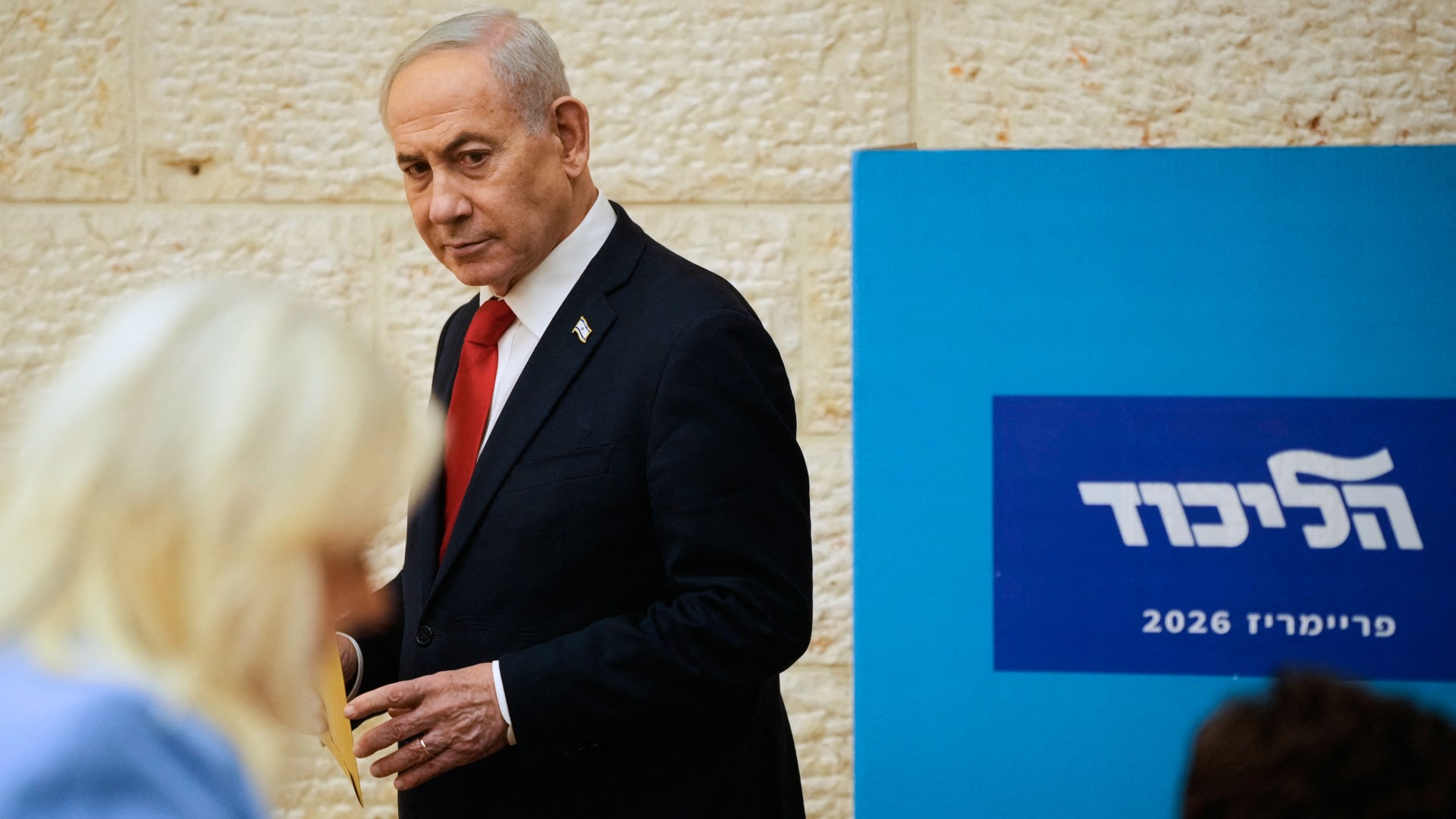
A newly published investigation by Africa Intelligence has uncovered ongoing covert diplomatic and intelligence contacts between Israeli officials and senior leaders of Sudan’s Rapid Support Forces (RSF), holding meetings and hosting RSF delegations in Tel Aviv throughout Sudan’s brutal three-year civil conflict. The inquiry, which was released Friday, details two official RSF delegations that traveled to the Israeli coastal capital, with the first visit taking place in May 2025 and the second held in February 2026. According to the investigation’s findings, RSF representatives held closed-door talks with senior officials from the Africa Division of Israel’s foreign ministry as well as top leaders from Israeli national intelligence agencies. These high-level contacts are not a new development, the investigation confirms, but rather form part of a broader security and intelligence partnership that was established long before Sudan’s civil war erupted in April 2023. The first RSF delegation was led by Abdul Rahim Hamdan Dagalo, the deputy commander of the paramilitary group and brother of RSF chief Mohamed Hamdan Dagalo, widely known by his nickname Hemedti, alongside a third Dagalo brother, Algoney Hamdan Dagalo. For the second February 2026 visit, the Dagalo brothers were joined by Ezzadean Elsafi, the RSF’s top legal advisor, the report notes. Investigators found that the years-long cooperation between Israeli officials and Hemedti’s inner circle has reportedly centered on the transfer of sensitive surveillance technologies to the RSF, a development that could significantly expand the paramilitary group’s operational capabilities on the battlefield across Sudan. Israel has a long documented history of parallel outreach to both of Sudan’s competing warring parties, maintaining ties with the official Sudanese Armed Forces (SAF) through the Ministry of Foreign Affairs and Prime Minister Benjamin Netanyahu’s office, while cultivating a separate relationship with the RSF through Israel’s national intelligence agency Mossad. Diplomatic relations between Khartoum and Tel Aviv were formally normalized in 2021, when Sudan’s post-uprising Transitional Sovereignty Council signed the US-brokered Abraham Accords, making Sudan the third Arab-majority nation to officially normalize ties with the Jewish state. The revelation of these secret meetings comes as the RSF faces mounting international accusations of mass atrocities, including genocide and ethnic cleansing, during its military campaign across Sudan. Earlier this year, the United Nations’ Independent International Fact-Finding Mission for Sudan released a landmark conclusion that the RSF’s months-long October 2025 siege of el-Fasher, the capital of Sudan’s North Darfur region, carried all the “hallmarks of genocide.” In early July of 2026, an anti-terrorism and state crimes court based in Port Sudan, which is held under SAF control, handed down death sentences in absentia to RSF leader Hemedti and 15 other senior RSF figures. The court convicted the group on multiple charges including their role in the 2023 assassination of West Darfur Governor Khamis Abdullah Abakar, as well as crimes against humanity, war crimes, unlawful warfare, and acts of genocide in the West Darfur capital of el-Geneina. This historic ruling marks the first time RSF leadership has been formally convicted by a Sudanese judicial body since the outbreak of the civil war in April 2023. The trial centered heavily on the assassination of Governor Abakar, who was killed just one day after he publicly condemned RSF shelling attacks on the residential el-Jamarik neighborhood of el-Geneina. In 2024, global human rights watchdog Human Rights Watch released its own investigation concluding that the systematic violence carried out by the RSF in el-Geneina amounted to ethnic cleansing, and likely constituted genocide targeting the Masalit people and other non-Arab ethnic communities in the region. Despite widespread evidence including circulated video footage showing RSF fighters mutilating Abakar’s body, the RSF has repeatedly denied all responsibility for the killing and has instead blamed the atrocities on the SAF. As early as June 2023, just two months after the war began, independent regional outlet Middle East Eye reported that roughly 1,500 civilians had been killed in el-Geneina alone within the first eight weeks of conflict. The violence forced tens of thousands of Masalit civilians to flee their homes on foot, crossing the Sudan-Chad border to seek safety in eastern Chad.
作者: admin
-

Watch: Moment Duane ‘Keffe D’ Davis is found guilty of Tupac Shakur’s murder
After nearly 30 years of speculation, unanswered questions and unproven conspiracy theories that gripped the hip-hop world and popular culture at large, a court has finally delivered a verdict in one of the most high-profile killing cases in modern entertainment history. Duane “Keffe D” Davis has been found guilty of the murder of iconic rap artist Tupac Shakur, marking the end of a decades-long investigation that had stumped law enforcement and fueled endless public debate.
Shakur, a cultural trailblazer whose work transformed hip-hop and cemented his legacy as one of the most influential artists of the 1990s, was fatally shot in a drive-by shooting in Las Vegas in September 1996. For nearly 27 years following his death, the case remained unsolved, with no arrests made and dozens of competing theories circulating about the circumstances of his killing and the parties responsible. The mystery surrounding Shakur’s death grew into one of the most enduring unsolved puzzles in modern popular culture, captivating true crime fans, music historians and casual observers alike for generations.
That stalemate broke in 2023, when law enforcement made their first arrest in the case, taking Davis into custody more than two and a half decades after the shooting. Davis, a former street gang leader who had long openly admitted to being in the car from which the fatal shots were fired, was charged with murder after years of new evidence gathering and investigative breakthroughs. After a trial that drew international media attention, the jury returned a guilty verdict, closing one of the most high-profile cold cases in American history.
-
Days after Trump announces Venezuela oil deal, White House fills in some of the details
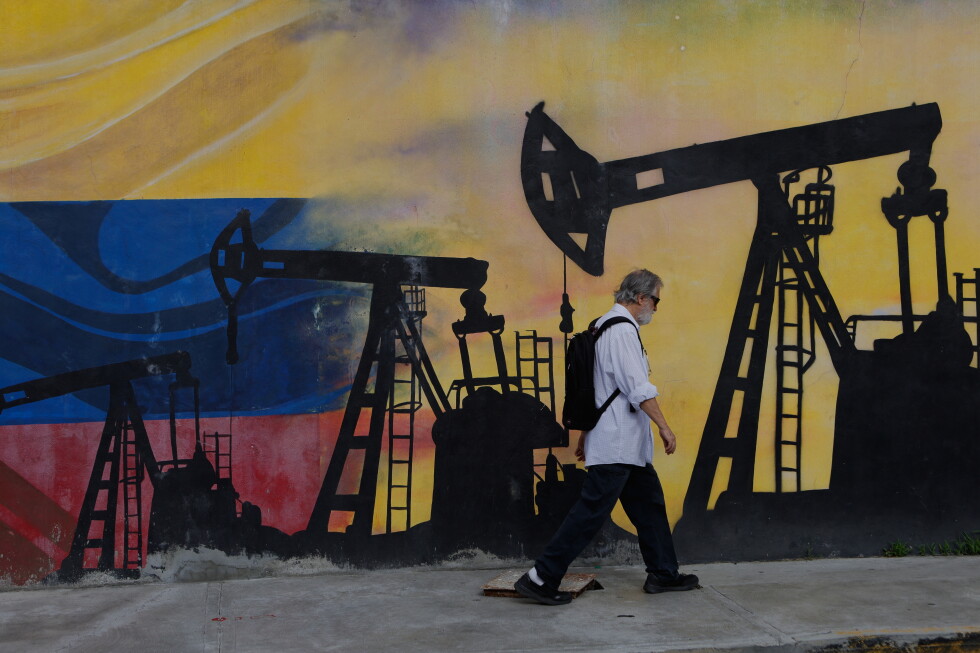
WASHINGTON – The White House formally introduced a landmark partnership with North American Blue Energy Partners (NABEP) on Monday, advancing former President Donald Trump’s policy initiative to unlock and develop Venezuela’s underutilized oil industry. The agreement, which establishes a new joint venture between the U.S. and the Venezuelan-led energy firm, grants the U.S. Pentagon a direct ownership stake in a holdings controlling roughly one-fifth of the South American nation’s massive proven oil reserves.
The disclosure comes several days after Trump announced what he billed as “the biggest oil deal in history,” with new details released publicly Monday evening clarifying key terms of the sweeping agreement that had been withheld by the White House since the initial announcement. NABEP, which is owned by prominent Venezuelan businessman Alejandro Betancourt, already operates as the second-largest oil producer in Venezuela, trailing only U.S.-headquartered Chevron.
Under the terms of the deal, Venezuela’s interim government led by acting President Delcy Rodríguez has granted the new joint venture 100-year development rights to 17 oil fields holding 65 billion barrels of proven reserves. According to White House documentation, the majority of these fields were previously controlled by energy firms based in Russia and China.
The agreement allocates a 35% ownership stake in the new joint venture to the U.S. Department of Defense, while the U.S. State Department has secured a guarantee to purchase 20% of all oil output from the fields at production cost. Betancourt’s NABEP has committed to investing $100 billion to build and upgrade critical oil extraction and transportation infrastructure across the concession area.
The Trump administration’s push for this deal follows a January military operation that resulted in the capture of former Venezuelan President Nicolás Maduro on federal charges of narcoterrorism and drug trafficking, clearing a major political hurdle for the initiative to move forward.
Administration officials have framed the agreement as a financially risk-free arrangement for U.S. taxpayers, noting that the deal comes at “zero cost” to the federal government. The U.S. will also hold veto power over all board appointments, and a majority of the joint venture’s board members will be U.S. citizens.
“The agreement with NABEP is governed by U.S. law and falls under the exclusive jurisdiction of U.S. courts, and NABEP will retain independent, reputable U.S.-based auditors, legal counsel and strategic advisers,” the White House outlined in an official fact sheet published alongside the new details.
Despite the administration’s optimistic framing, energy and policy analysts have expressed widespread skepticism that the deal will deliver on its near-term promises, noting that it will likely take years of sustained investment and development to meaningfully restart and scale oil production in the concession. Even so, Trump and his senior advisors argue that the deal lays the groundwork to establish a major new oil producing power in the Western Hemisphere.
Former U.S. government energy policy advisors have also warned that the agreement carries significant long-term political risk. Changes in administration in either Venezuela or the United States could lead to future legal or political challenges to the deal’s legitimacy and terms, creating uncertainty for investors and stakeholders.
-
UN spotlights nuclear weapon states’ refusal to ratify test ban treaty at divisive time
On the International Day Against Nuclear Tests, top United Nations disarmament officials have issued a stark public warning: the fragile decades-long global restraint on nuclear explosive testing is at grave risk of collapse, with rising geopolitical tensions pushing major nuclear-armed states closer to resumption that could ignite a dangerous new global arms race.
Held at U.N. Headquarters in New York, the commemorative General Assembly meeting came amid a rapidly shifting landscape of global distrust. Last year, the world’s two largest nuclear powers — the United States and Russia — both openly raised the possibility of resuming explosive nuclear tests, sending shockwaves through the international nonproliferation community. Then-U.S. President Donald Trump accused Russia and China of carrying out covert nuclear tests, claims both nations have flatly denied. Earlier this year, Russia took the unprecedented step of revoking its ratification of the Comprehensive Nuclear Test Ban Treaty (CTBT), the 1996 global agreement designed to permanently ban all nuclear explosive testing.
Addressing assembled delegates, U.N. High Representative for Disarmament Affairs Izumi Nakamitsu emphasized the gravity of the current moment. The world is facing “deep geopolitical tension, growing division and diminishing trust,” she noted, creating fertile ground for a rollback of decades of progress on nuclear nonproliferation. “Even contemplating such a course is dangerous,” Nakamitsu warned. “Any resumption would erode decades of restraint, deepen mistrust and risk triggering reciprocal tests and an arms race. This must never become reality.”
The CTBT, which was adopted by the international community in 1996, carries a strict requirement for entry into force: it must be ratified by 44 specific countries identified as possessing nuclear technology or infrastructure. To date, nine of those countries have failed to complete ratification. The U.S., China, Iran, Egypt and Israel have signed the treaty but never moved to ratify it. India, Pakistan and North Korea have neither signed nor ratified the agreement, leaving the treaty stuck in a decades-long limbo that has prevented it from formally entering into force. Even with that barrier, the CTBT has become the cornerstone of global norms against nuclear testing, with nearly all nations adhering to an informal moratorium for nearly 30 years.
In a small glimmer of progress, Robert Floyd, executive head of the Comprehensive Nuclear Test Ban Treaty Organization (CTBTO) that monitors global compliance with the treaty, announced that Tonga’s recent ratification has pushed the total number of states party to the agreement to 179. Still, Floyd stressed that the underlying geopolitical risks have never been higher. Since the first atomic test in 1945, more than 2,000 nuclear explosions have been conducted across the globe, he noted. While that number has dropped sharply to fewer than 12 total tests over the past three decades — a testament to the strength of the global moratorium — the shifting global landscape has erased much of that progress. “The international scene is tense, full of mistrust,” Floyd cautioned, “including about nuclear testing.”
If major powers walk away from the testing moratorium, Floyd warned, the consequences will be catastrophic. A return to regular testing would pave the way for the development of far more advanced, lethal nuclear arsenals, drastically increase the risk of accidental nuclear use, and leave the world facing “devastation from nuclear ‘bad luck.’”
The International Day Against Nuclear Tests, established to mark the 1991 closure of the Soviet Union’s Semipalatinsk test site — now located in Kazakhstan, where 456 nuclear tests were conducted over decades — also centers the human cost of nuclear testing that is often overlooked in global diplomatic debates. This year, survivors and affected community leaders shared first-hand accounts of intergenerational harm caused by unregulated nuclear testing.
Tina Cordova, co-founder of the Tularosa Basin Downwinders Consortium, an advocacy group formed to support communities affected by the 1945 Trinity atomic test in New Mexico, told delegates how five generations of her family have suffered from radiation-related illnesses linked to the first ever nuclear bomb test. “We were never warned before or after of the danger, so we lived our lives off the land as we always did,” Cordova said. Every generation of her family has battled cancer caused by radiation exposure from the test, she added, a fate shared by thousands of affected communities around the world.
Cordova emphasized that New Mexico survivors are not isolated in their struggle. Nuclear testing programs carried out across the globe have left communities in Guam, French Polynesia’s Tahiti, Kazakhstan, and Indigenous Aboriginal lands in Australia, as well as multiple U.S. states including Idaho, Utah, Arizona, Nevada, Colorado and Montana, suffering chronic health impacts from radiation exposure. Uranium miners and processing workers and their families have also faced disproportionate harm from nuclear testing programs. “We’re the people that became the collateral damage to the development and testing of nuclear devices and were left to deal with the consequences on our own,” Cordova said. “It is why we fight for acknowledgment and assistance.”
-
Ben Gvir bars Jewish anti-Zionist movement from carrying guns
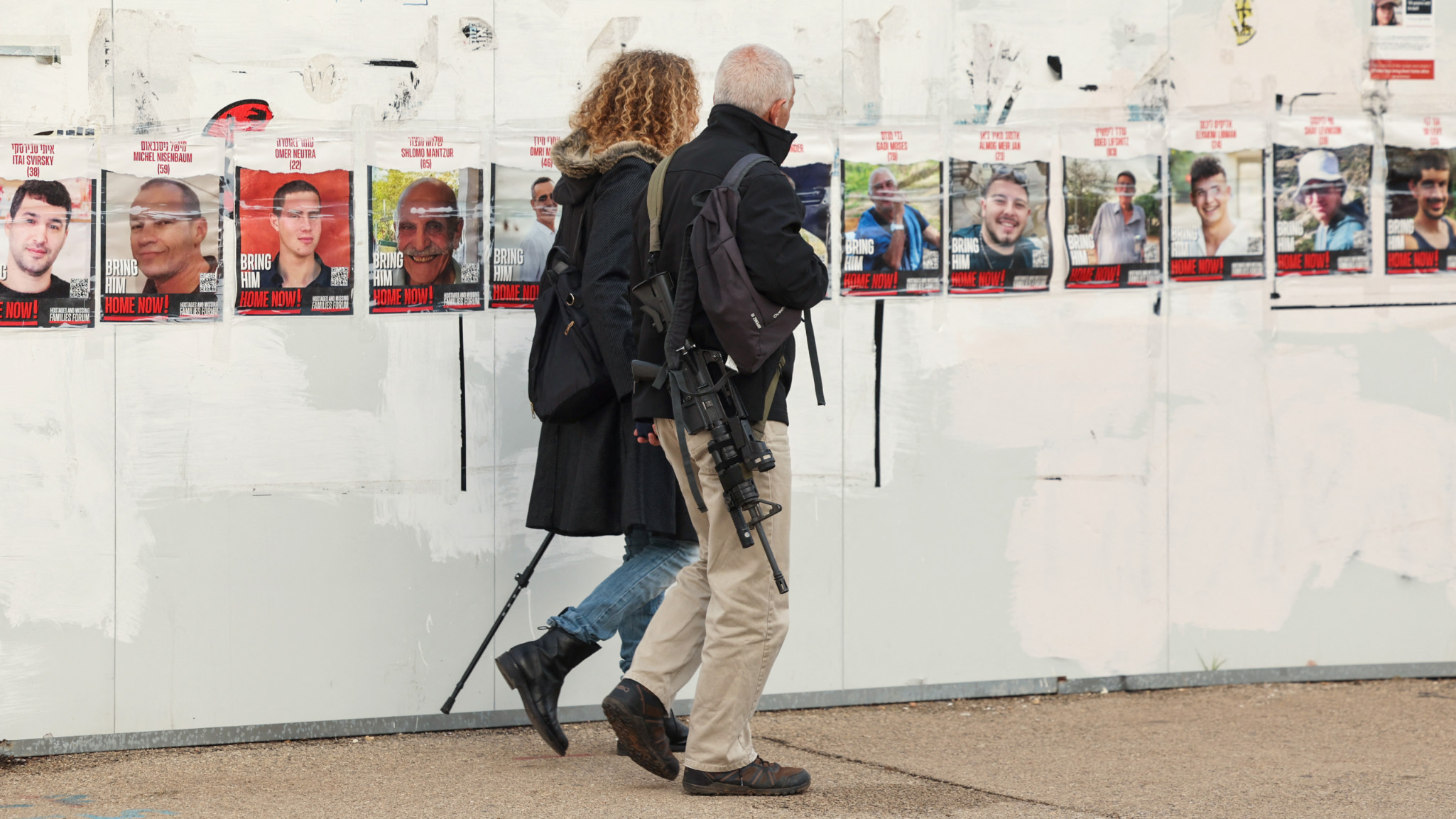
Israel’s far-right National Security Minister Itamar Ben Gvir has moved to expand his controversial loosening of civilian firearm regulations to the Jerusalem-adjacent city of Beit Shemesh, while explicitly barring members of the anti-Zionist ultra-Orthodox group Neturei Karta from accessing gun licenses, Israel Hayom reported Monday.
The expansion of the minister’s signature gun reform forms part of a broader push that began shortly after he took office, which has already upended decades of tighter Israeli regulations on civilian gun ownership. In October 2023, the Israeli government approved a sweeping set of rule changes that drastically lowered eligibility requirements for ordinary civilians to obtain personal firearms. As of the latest reporting, roughly 300,000 additional Israeli citizens have secured gun licenses since Ben Gvir assumed his post, and residents of more than 200 municipalities across the country now qualify for the program.
Under the latest expansion, most residents of Beit Shemesh – a city with a large ultra-Orthodox population located just west of Jerusalem – will newly qualify to apply for licenses to carry personal firearms. However, the fringe anti-Zionist Neturei Karta community, which maintains a presence in the city, has been completely locked out of the scheme. Eligibility for the program is mapped by residential address, with Israeli police and Ben Gvir’s office specifically removing all streets where Neturei Karta members reside from the eligible zones.
“I am proud to continue the weapons reform and expand it to Beit Shemesh as well,” Ben Gvir told Israel Hayom. “The residents of Beit Shemesh, like all citizens of the State of Israel who love the State of Israel, have a basic right to defend themselves and their family members.”
Data from The Jerusalem Post shows that 126 additional communities have been added to the eligible list for expanded gun access in 2026 alone. Ben Gvir has pledged to continue rolling out the reform across the country, saying he will “expand the weapons reform, add more cities, towns and neighbourhoods to eligibility, and ensure that as many citizens as possible can defend themselves and the State of Israel.” Repeating his long-stated policy mantra, he added: “My policy is clear: weapons in the right hands save lives.”
Justifying the exclusion of Neturei Karta – a small ultra-Orthodox faction whose name translates from Aramaic to “guardians of the city” and which rejects the existence of a Jewish state before the coming of the messiah, routinely advocating for Palestinian causes and rejecting engagement with Israeli state institutions – Ben Gvir argued the group’s positioning makes them ineligible. “Whoever prides himself with the PLO flag and takes photos with terrorists is an enemy, and therefore the neighbourhoods of the extremists have been excluded from eligibility for weapons,” he said.
The explosive growth in gun ownership under Ben Gvir’s reforms is well-documented. Before he took leadership of the national security ministry, data from Haaretz shows only around 170,000 Israelis held active firearm licenses. That number has more than doubled in the years since the regulations were loosened. By June of last year, total gun license applications filed since late 2023 had surpassed 400,000, the Times of Israel reported.
The expansion of civilian gun access has drawn widespread criticism from analysts, human rights groups, and independent researchers, who have flagged a range of severe risks stemming from the policy. Experts have repeatedly warned that the spread of unregulated firearms among Israeli civilians has fueled a sharp rise in violence targeting both Palestinians and women within Israel. Critics also note that the reform systematically excludes Palestinian citizens of Israel, who are barred entirely from obtaining gun licenses under the current framework.
Data from the UN Office for the Coordination of Humanitarian Affairs (OCHA) underscores these concerns: in the first half of 2026 alone, OCHA recorded more than 1,000 settler attacks against Palestinians that caused injury or property damage across 230 Palestinian communities. The Israel Democracy Institute, an independent Israeli research center, has concluded that Ben Gvir’s gun reform “primarily serves Israel’s Jewish citizens, at times while creating a threat to and endangering those who are not Jewish.”
This latest expansion of the scheme follows a similar move Ben Gvir made in March, when he announced that all Jewish residents of Jerusalem – including those residing in occupied East Jerusalem – would qualify for gun licenses, adding 300,000 eligible Israelis in the capital.
-
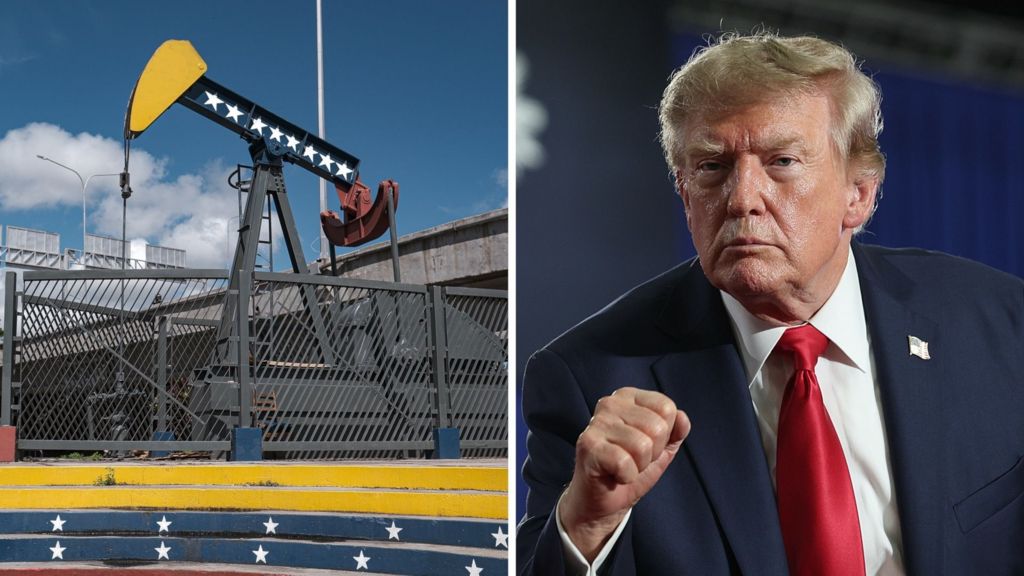
Watch: Why is the US-Venezuela oil deal so controversial?
When former U.S. President Donald Trump made the sudden announcement that Washington had finalized an agreement to take control of more than 65 billion barrels of proven Venezuelan oil reserves, it immediately sparked heated debate across global political and energy circles. This proposed deal, which has remained one of the most contentious energy-related diplomatic moves in recent Western Hemisphere history, touches on a web of overlapping issues including national sovereignty, international energy policy, and geopolitical competition in the Americas.
Venezuela has long held one of the largest proven oil reserves on the planet, with its energy sector serving as the backbone of the country’s national economy and government revenue for decades. The very framing of a U.S. deal to “control” these reserves immediately drew pushback from sovereignty advocates and regional governments, who argue that any foreign agreement that seizes operational or ownership control of a nation’s natural resources violates foundational norms of international law. Critics of the proposal also point out that the announcement came amid years of strained diplomatic relations between Washington and Caracas, marked by existing U.S. sanctions on Venezuela’s energy sector that had already disrupted global oil markets and created widespread economic hardship for Venezuelan civilians.
Supporters of the Trump administration’s move at the time argued that expanding U.S. access to Venezuelan oil would help reduce global energy dependence on less stable oil-producing regions, lower domestic fuel prices for U.S. consumers, and counter growing geopolitical influence from other major powers in Latin America. Even so, the announcement failed to address critical unresolved questions: what legal framework would govern the deal, how would existing Venezuelan oil infrastructure and industry stakeholders be affected, and what long-term impact would the agreement have on Venezuela’s ability to leverage its own natural resources for national development.
To this day, the proposed agreement remains a flashpoint for discussions about U.S. foreign policy in Latin America, the balance of power between energy-consuming and energy-producing nations, and the intersection of economic interests and sovereign rights. It continues to be cited in debates over Western intervention in the Western Hemisphere and how major global powers approach access to critical natural resources in developing nations.
-

Army Secretary Dan Driscoll is stepping down after 18 months on the job, White House says
The White House announced Monday that United States Army Secretary Dan Driscoll will step down from his post, marking the latest high-profile departure from top military leadership during President Donald Trump’s second administration. No official explanation has been provided for Driscoll’s exit, though widespread reporting has pointed to long-simmering tensions between Driscoll and Defense Secretary Pete Hegseth. The resignation deepens a pattern of dramatic turnover across senior military ranks, with the U.S. Army experiencing the most extreme upheaval in recent months.
In an official statement, White House press spokeswoman Anna Kelly praised Driscoll’s tenure, framing his work as critical to advancing Trump’s “Make America Strong Again” policy agenda. “Secretary Driscoll has been highly effective in advancing President Trump’s agenda… by providing outstanding leadership during historic military operations, restoring an emphasis on readiness and lethality, assisting with negotiations between Russia and Ukraine, and more,” Kelly said. She added that the U.S. Army “is more powerful than ever thanks to his work alongside the Commander-in-Chief and Secretary of War.”
An anonymous senior U.S. Army official, granted anonymity because they were not cleared to speak publicly on the personnel matter, confirmed that Driscoll discussed the current state of Army operations with Trump before formally submitting his resignation. The official declined to share further details about the conversation or the resignation. The Pentagon directed all media inquiries about the departure to the U.S. Army. News of Driscoll’s resignation was first reported earlier Monday by *The Wall Street Journal*.
Driscoll’s exit is part of a string of sudden leadership changes at the Army that stretch back months. In April, Hegseth unexpectedly removed Gen. Randy George, the service’s top uniformed leader, from his post. Just two months later, Gen. Christopher Donahue, commander of U.S. Army forces in Europe and Africa, stepped down unexpectedly. Gen. Christopher LaNeve, whose rapid ascent through the leadership ranks has been closely tied to Hegseth, was appointed to replace George as acting Army chief of staff.
Under LaNeve’s leadership, the Army has already canceled a key drone modernization initiative that Driscoll had championed. As first reported by Army officials in August, LaNeve ordered an Army unit based in Europe that had been developing custom in-house drones to abandon the project and revert to its original role as a traditional infantry battalion. Driscoll was a public ally of George, and openly lamented his ouster alongside lawmakers from both major U.S. political parties. During an April congressional hearing, Driscoll told legislators that he and his family traveled to George’s home immediately after his resignation, saying “we all gave him a hug.” Even so, Driscoll acknowledged the authority of civilian leadership over the military, noting: “That being said, the civilian leadership, the design of our system, is that they get to pick the leaders that they want.”
A decorated Iraq War veteran, tech investor, and long-time associate of Vice President JD Vance — whom he met while attending Yale Law School — Driscoll was tapped by Trump for the Army Secretary role in 2024. At the time of his nomination, Trump described Driscoll as “a disruptor and change agent” who would bring much-needed change to the service. Beyond his core administrative duties, Driscoll was given the unusual high-profile assignment of serving as a key negotiator in diplomatic efforts to end the ongoing war between Russia and Ukraine. He was also a leading advocate for cutting bureaucratic red tape to allow defense contractors to accelerate development of new drone and counter-drone technologies, a priority as global warfare evolves rapidly. The U.S. Senate confirmed Driscoll to the post in February 2025 by a vote of 66-28, after a largely non-confrontational Armed Services Committee hearing focused on Army modernization, recruiting reform, and strengthening the domestic defense industrial base.
Driscoll comes from a multi-generational Army family, noting during his confirmation process that both his father and grandfather served in the service, and he vowed to center his tenure on addressing the needs of frontline soldiers. His official Army biography notes he served as an armor officer from August 2007 to March 2011, with a combat deployment to Iraq from October 2009 to July 2010. Outside of military and national security work, Driscoll mounted an unsuccessful bid for the Republican nomination for a North Carolina congressional seat in 2020, earning roughly 8% of the vote in a crowded primary field.
Driscoll’s departure is not an isolated event: it follows a broader purge of senior uniformed and civilian leadership carried out by Hegseth across the U.S. armed forces, which has already seen the ouster of multiple generals, admirals, and service secretaries. In April, the Pentagon made the sudden announcement that Navy Secretary John Phelan would step down, making Phelan the first head of a U.S. military service to leave office during Trump’s second term.
-
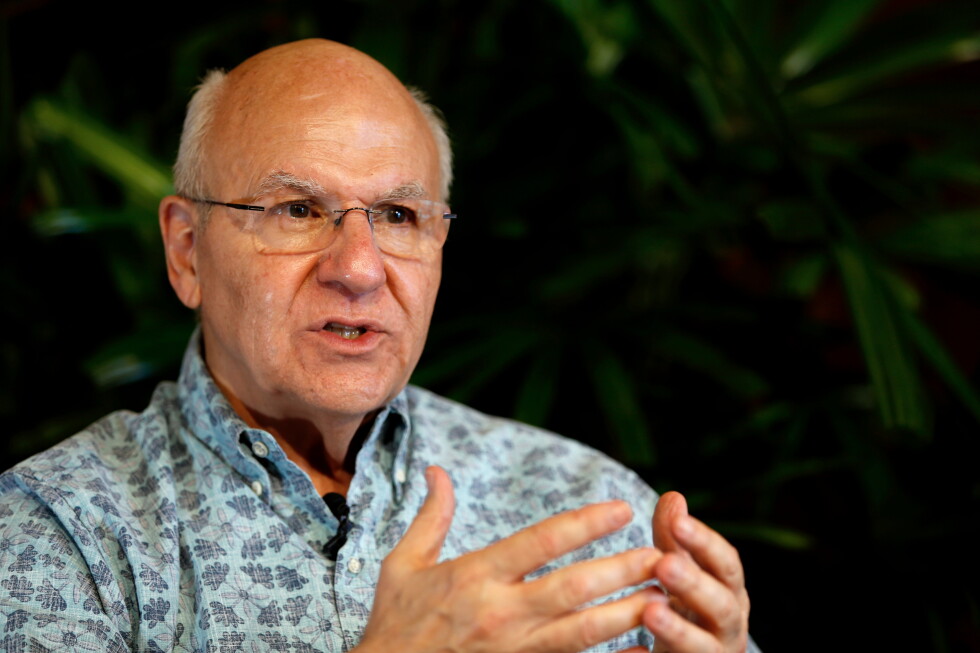
Panda Diplomacy: A Mayor’s Quest To Bring Pandas From China To Hawaiʻi
In an ambitious move that blends municipal economic ambition with high-level international diplomacy, Honolulu Mayor Rick Blangiardi has launched a years-long campaign to bring giant pandas to the Honolulu Zoo – a quest that has already taken him across China, required a direct appeal to Chinese President Xi Jinping, and sparked new conversation about the enduring role of “panda diplomacy” in tense U.S.-China relations. What began as a casual idea to boost flagging zoo attendance has evolved into a carefully negotiated diplomatic process, highlighting how China’s iconic black-and-white bears remain one of the most powerful soft power tools in global politics.
Blangiardi’s journey began when he approached the Chinese Consulate-General in Los Angeles with his proposal to add pandas to the Honolulu Zoo. Officials there advised him to take his pitch directly to China, and last spring, the mayor and his Beijing-born wife Karen Chang embarked on a 10-day, three-city tour that cost Hawaii taxpayers roughly $29,000. The itinerary included high-level meetings with senior Chinese foreign affairs officials, visits to leading panda breeding and conservation facilities in Fuzhou and Chengdu, cultural stops including the Great Wall, and an 18-course formal meal. Blangiardi later joked to local radio host Rick Hamada that the scope of negotiations felt like working out a peace treaty – a comparison that is far closer to reality than many might assume.
Today, only two zoos in the United States currently host giant pandas on loan from China. Securing the animals requires navigating a yearslong approval process that ultimately ends with a sign-off from China’s top leader, and comes with strict non-negotiable terms: a minimum annual leasing fee of $1 million for a pair of pandas, strict animal welfare reporting requirements, and an expectation that hosting institutions will avoid crossing China’s political red lines. All pandas remain the property of China, and any cubs born during the loan period are ultimately repatriated. For Blangiardi, however, the investment is well worth the risk: he projects that adding pandas could triple the zoo’s current annual attendance of more than 500,000 visitors, generating new revenue that can be reinvested into facility upgrades and animal care programs across the zoo.
Panda diplomacy is not a new concept, but its role in modern geopolitics has evolved dramatically alongside China’s rise as a global power. Giant pandas are endemic to China, and historians trace the country’s adoption of the bear as a national symbol back to the early days of the People’s Republic of China. Unlike cultural symbols tied to imperial history, pandas were a “safe” unifying national icon that could be embraced even during periods of political upheaval. The modern era of panda diplomacy began shortly after U.S. President Richard Nixon’s 1972 groundbreaking visit to China, when Premier Zhou Enlai offered two pandas to the United States as a gesture of goodwill, sparking a nationwide “panda-monium” that cemented the animals’ reputation as global diplomatic ambassadors.
Today, panda loans remain a carefully calibrated tool of Chinese soft power. The link between political alignment and panda access was underscored earlier this year, when Japan’s Ueno Zoo failed to secure a renewal of its panda loan after newly elected Prime Minister Sanae Takaichi made statements asserting Japanese military support for Taiwan in the event of a Chinese invasion. While China did not abruptly remove the pandas mid-loan, experts confirm the non-renewal was a deliberate response to the political statement, leaving Japan without pandas for the foreseeable future. This precedent is not lost on Blangiardi, who has already adjusted a local planning decision related to a Chinatown property owned by the Taiwanese government to avoid potential offense, opting to keep the site focused on Chinatown rather than rebranding it as a Taiwan Cultural Plaza.
For Honolulu Zoo, the bid for pandas comes as the facility has worked for years to rebuild its reputation after losing national accreditation in 2016 due to systemic underfunding. The zoo regained accreditation in 2020, and earlier this year earned approval to retain its status through 2030, a milestone city leaders celebrated as a sign of the facility’s turnaround. Zoo Director John Berry, who previously oversaw panda operations at the Smithsonian’s National Zoo in Washington, D.C., says the odds of Honolulu’s bid being approved are currently “leaning yes.” The team is currently working to prove the facility can meet China’s strict care standards, a process Berry compares to applying for a rental property: candidates answer detailed questions, then respond to additional requests for information, before the final application is sent to Beijing for presidential approval.
Critics have raised multiple concerns about the project, from the high annual leasing fee to the cost of building a temperature-controlled panda exhibit that can accommodate the bears’ preference for cool temperatures, to questions about animal welfare in a tropical climate. Honolulu City Council member Esther Kiaʻāina initially questioned whether limited public funds would be better spent on other pressing zoo improvements, though she has since backed the project out of confidence in Berry’s leadership. Berry has moved to address funding concerns, noting that he plans to secure all additional costs from private wealthy benefactors rather than drawing on taxpayer funds, and has already partnered with the University of Hawaii to research energy-efficient cooling solutions that could position Honolulu as a leader in tropical panda facility management.
Public reaction to the proposal has been overwhelmingly positive among recent zoo visitors. Many tourists, who come to Oahu from across the U.S. and around the world, have never seen giant pandas in person, and say the addition would draw them back to the zoo. Local residents also see the pandas as a catalyst to turn the Honolulu Zoo from a minor stop into a top-tier international destination that would boost tourism across Waikiki and the broader Hawaiian islands. If approved, pandas could arrive at the Honolulu Zoo within two years of final Chinese approval, and Blangiardi’s high-level access – aided by his wife’s Beijing roots and language skills – has already put the bid further along than many initially expected. As U.S.-China relations remain strained over trade, security, and territorial disputes, both sides stand to gain from the deal: Honolulu gets a blockbuster tourist attraction, and China gets a popular, high-profile symbol of peaceful people-to-people exchange in one of America’s most visited tourist destinations.
-

Can cut-price Shein shine in its long-awaited stock market debut?
After a years-long, circuitous journey toward a public listing that saw rejected bids in two major Western markets, global fast-fashion leader Shein is finally set to ring the opening bell on the Hong Kong Stock Exchange on Tuesday, marking the biggest initial public offering (IPO) in the city so far in 2026.
The long-awaited listing caps a tumultuous road to public markets for the ultra-cheap fashion giant, which first set its sights on a Wall Street debut after explosive growth during the Covid-19 pandemic. Locked-down shoppers turned to online retail en masse during that period, and Shein turned viral social media trends like the “Shein Haul” — where shoppers posted clips of themselves trying on dozens of low-cost new garments — into a massive global customer base. The company built its popularity on an agile China-based supply chain that delivers the latest trending styles to shoppers in more than 150 countries at price points few competitors can match. As of the 12 months ending in March 2026, Shein reports it counts 281 million active customers who placed more than 1 billion orders.
But Shein’s push for a US listing ran into stiff political headwinds. US lawmakers raised widespread objections over long-standing allegations of forced labor in the company’s vast network of Chinese supplier factories, as well as ongoing claims that the brand frequently copies independent designers’ work. Shein has repeatedly pushed back against these claims, saying it enforces a zero-tolerance policy for forced labor and takes all intellectual property infringement claims seriously. After US regulatory and political resistance derailed its transatlantic listing plans, the company explored a debut in London, only to face similar opposition.
By 2025, with Western doors largely closed, Shein shifted its focus to Hong Kong, securing regulatory approval for the listing in July 2026. The pivot to Asia marks part of a growing trend for Chinese global firms locked out of Western capital markets, analysts note. Ashley Dudarenok, founder of Chinese market research firm ChoZan, explained that after years of trying to position itself as less Chinese by shifting its headquarters to Singapore, Shein never secured the necessary political backing abroad or policy assurances at home to move forward with a Western listing. “Shein ran out of venues that could take it,” Dudarenok said. For companies shut out of Western exchanges, “Hong Kong is fast becoming the only realistic path to market,” added GlobalData retail analyst Louise Deglise-Favre.
Ahead of its debut, Shein priced its offering below the upper end of its marketed range, raising a total of 13.6 billion Hong Kong dollars (equal to roughly $1.7 billion) and valuing the company at $26.3 billion. That marks a steep drop from its peak valuation of nearly $100 billion just a few years ago, a decline driven by growing competition, shifting trade rules, and investor skepticism around the fast fashion sector’s long-term profitability.
Today, Shein faces a host of mounting challenges that have squeezed its bottom line and spooked investors. New trade policies in both the US and EU have targeted the low-value small package imports that were the foundation of Shein’s growth. The US recently revoked the de minimis rule exemption that had allowed packages under $800 to enter the country duty-free, cutting off a key cost advantage for the brand. In July, the company reported a $99 million quarterly loss as sales slowed following the rule change. The EU has similarly added a new €3 tax on low-value imports, while ongoing geopolitical volatility tied to the Iran war has further raised logistics costs and caused delivery delays in key markets. Rival discount platforms like Temu are also intensifying competition, with Temu parent company PDD already reporting weaker-than-expected quarterly revenue in August 2026.
Shein’s core business model has also come under growing global regulatory scrutiny for its environmental impact and labor practices, and the entire fast fashion sector has seen share prices slump in recent years: rivals Asos and Boohoo have seen their valuations battered by regulatory pressure and market competition. That has left investors far more skeptical of fast fashion business models than when Shein first began exploring an IPO, Deglise-Favre said. “Investors have learned to be sceptical,” she noted, adding that ongoing sustainability and ethical concerns only add more complexity to the offering.
Despite the steep drop in valuation and mounting headwinds, some analysts still see long-term potential in the company. Deglise-Favre noted that while the valuation slump reflects a “genuine deterioration” in the company’s operating conditions, Shein still boasts a “formidable supply chain” and unrivaled global reach that other firms cannot match. As a rare standalone publicly traded e-commerce fashion firm, Shein’s IPO is being widely watched as a key test of global investor appetite for the fast fashion sector. Going forward, the company will need to prove it can adapt its model to a new regulatory landscape, including shifting portions of its supply chain and logistics outside China to avoid new import tariffs, while also rebuilding profit margins amid rising customer acquisition costs. As Dudarenok put it: as a public company, Shein must now “prove its margins still work in a world of tighter regulation, tariffs and more expensive customer acquisition.”
-

Arsenal wins again and Malen the main man in Italy as Roma score four once more
The second matchweek of Europe’s top domestic soccer leagues delivered another round of dramatic results on Monday, with three of the continent’s biggest clubs retaining their perfect start to the new season and early title contenders sending a clear statement of their title credentials.
In England’s Premier League, defending champions Arsenal claimed a hard-fought 1-0 away victory over Aston Villa, clinging to their 100% record to open the campaign. The decisive goal came in the 59th minute from Bukayo Saka, who converted the only clear-cut chance of the night to secure all three points for the Gunners.
The result marks a tough opening stretch for Aston Villa, which has struggled to find form following a series of high-profile player exits over the transfer window. Unai Emery’s side failed to register a single shot on target for the second consecutive match, leaving them rooted at the bottom of the table with zero points from their first two outings. For Arsenal manager Mikel Arteta, the win carried extra personal significance: it marked his 250th Premier League match in charge of the club, and left Arsenal one of only four Premier League clubs to claim maximum points from their opening two fixtures.
Over in Spain’s La Liga, Barcelona turned in a dominant attacking display to beat Rayo Vallecano 5-2 at home, extending their unbelievable run to 21 consecutive home victories and climbing to the top of the league table. The match got off to a surprising start when Rayo, which entered the game still searching for its first win of the season, took an early lead in the 12th minute: Sergio Camello finished powerfully from an Álvaro García cutback from the left flank to put the visitors ahead.
Barcelona responded rapidly, however, and had turned the game around to lead 2-1 before the 25-minute mark. Raphinha netted the equalizer with a clinical finish in the 18th minute, and 16-year-old prodigy Lamine Yamal put Barca ahead just 90 seconds later with a trademark solo goal: cutting inside from the right wing before unleashing a blistering left-footed strike into the top corner of the net.
Hansi Flick’s side extended their lead shortly after halftime, when Florian Lejeune turned an Anthony Gordon cutback into his own net for an own goal. Though Camello pulled one back for Rayo with a strong headed finish, Raphinha restored Barcelona’s two-goal advantage shortly after, and Yamal wrapped up the scoring with a low driven shot from just outside the penalty area in the 89th minute. The brace from both Yamal and Raphinha, paired with two assists from English winger Gordon, gave Barca the convincing win that pushed them above Real Madrid to claim first place on goal difference, while Rayo Vallecano sits third from bottom after the result. In another La Liga fixture on Monday, Osasuna claimed a 1-0 win over Getafe to retain their own unbeaten start to the season.
In Italy’s Serie A, Roma made an early statement of their title ambitions with a rampant 4-0 away win over Lecce, retaining their 100% start to the campaign. Donyell Malen continued his scorching early form, taking his goal tally to five goals in just two matches after notching a brace to put Roma 2-0 up by the midway point of the first half. Matias Soulé added a third before halftime, and substitute Rodrigo Mora put the finishing touches on the result with a fourth goal 20 minutes into the second half. The back-to-back 4-0 wins lifted Roma straight to the top of the Serie A table after two matchweeks.
The final fixture of Monday’s Serie A action delivered a late dramatic winner, as Atalanta snatched a 1-0 victory over Bologna with a stoppage-time goal from Lazar Samardžić. The match was a largely unremarkable affair with neither side dominating, but Samardžić’s long-range effort slipped past the Bologna goalkeeper in added time to secure all three points for Atalanta. The result was a harsh one for Bologna, which has now dropped two opening matches and remains pointless on the season, while Atalanta climbs into the top five and joins the group of five other clubs still holding a perfect record.