As a fresh Ebola outbreak spreads across the Democratic Republic of the Congo and Uganda, the Trump administration has issued an urgent call for European nations to tighten entry restrictions for travelers arriving from the affected African regions, warning that inaction could trigger new U.S. travel rules that would impact transatlantic movement even during the upcoming men’s World Cup.
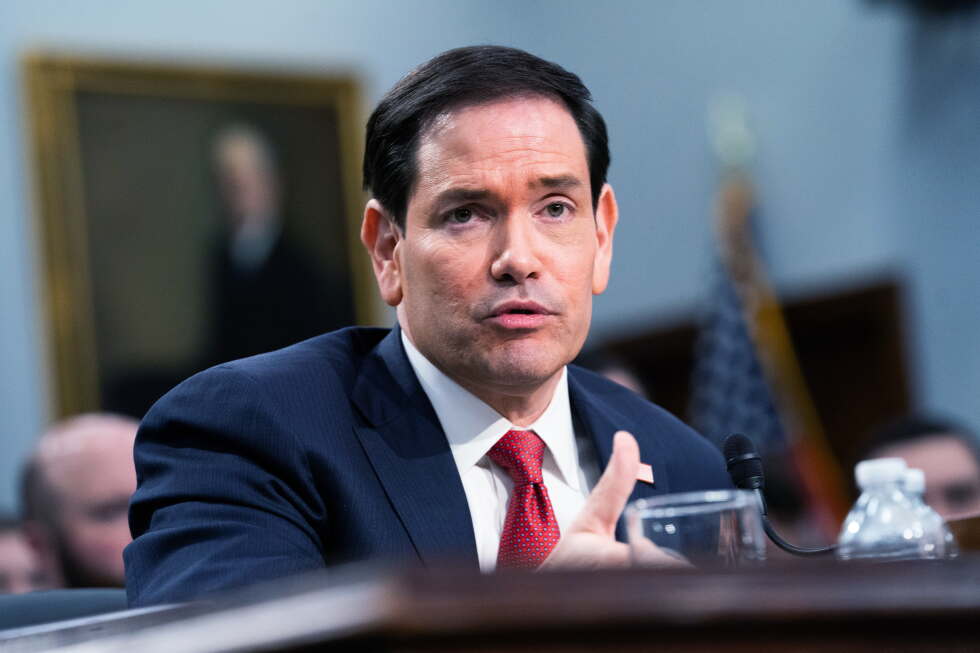
In a private conversation Tuesday, Secretary of State Marco Rubio raised U.S. concerns directly to European Commission President Ursula von der Leyen, with the two leaders discussing coordinated transatlantic responses to the unfolding public health emergency, a State Department official statement confirmed.
“Protecting the health of the American public and stopping the Ebola outbreak from reaching U.S. shores remains this department’s top priority,” the statement read.
Speaking on condition of anonymity to disclose details of the closed-door call, a senior State Department official struck a sharper tone, noting that the U.S. has already moved aggressively to contain the outbreak’s spread and that the broader global community must now match that effort. The official emphasized that concrete action is required immediately, and failure to act will have measurable consequences for travel between Europe and the United States.
The administration is pushing for two key actions from the EU: increased financial commitments to Ebola response efforts, and targeted, common-sense entry restrictions for travelers originating from the affected Central and East African region.
The 2026 World Cup, set to kick off this Thursday in Mexico, will run for nearly six weeks, with the majority of matches hosted across the United States, drawing hundreds of thousands of international visitors including many traveling through European hubs.
The U.S. has already implemented its own strict measures: a blanket entry ban for any traveler who has visited one of the Ebola-impacted countries in the prior 21 days, and mandatory quarantine protocols for U.S. citizens returning home from the affected regions.
Public health data puts the risk of direct importation in context: while there are only a handful of direct daily flights between the affected African nations and the U.S., more than 300 direct flights connect Europe and the United States every day, creating a far higher potential route for infected travelers to reach North America if European entry checks are insufficient.
Since the outbreak was first confirmed last month, the U.S. has committed over $200 million in emergency funding to contain the spread in the DRC and Uganda. Earlier the same day as Rubio’s call, the EU announced it would add an additional 16.5 million euros ($19 million) to its own Ebola response, on top of the 15 million euros ($17.3 million) it contributed to the effort just last month. The EU delegation to Washington has not yet issued a public comment on the call between Rubio and von der Leyen.
The administration’s response to the outbreak has already drawn political criticism. During last week’s congressional hearings, Democratic lawmakers pushed back against Rubio over the Trump administration’s earlier dismantling of the U.S. Agency for International Development, arguing that the restructuring may have weakened U.S. capacity to respond quickly to global health emergencies. Rubio countered that early detection programs previously run by USAID have been integrated into existing public health partnerships with African nations, and insisted the U.S. has mounted a swift, effective response to the outbreak.