
A destructive wildfire, marked by towering, scorching fireballs, tore through a portion of one of California’s renowned wine-growing areas this week, leaving charred terrain in its wake. The blaze, which burned across a 5.4-acre stretch of the Livermore Valley wine region, sparked urgent response efforts from local fire crews, who worked quickly to contain the spread of the flames amid warm, dry conditions that are common in California’s fire-prone landscape. As of the latest update from emergency management officials, no people have been reported injured or harmed as a result of the fire, a relief for both local communities and the region’s wine industry, which draws visitors and produces award-winning vintages annually. While the fire damaged vegetation and some undeveloped land in the affected section, authorities have not yet released full details on the extent of damage to vineyards or winery infrastructure, and investigations into the cause of the blaze are still ongoing. Fire officials continue to monitor the site to prevent any re-ignition of hotspots that could spark new growth of the fire as temperatures remain high in the area.
作者: admin
-
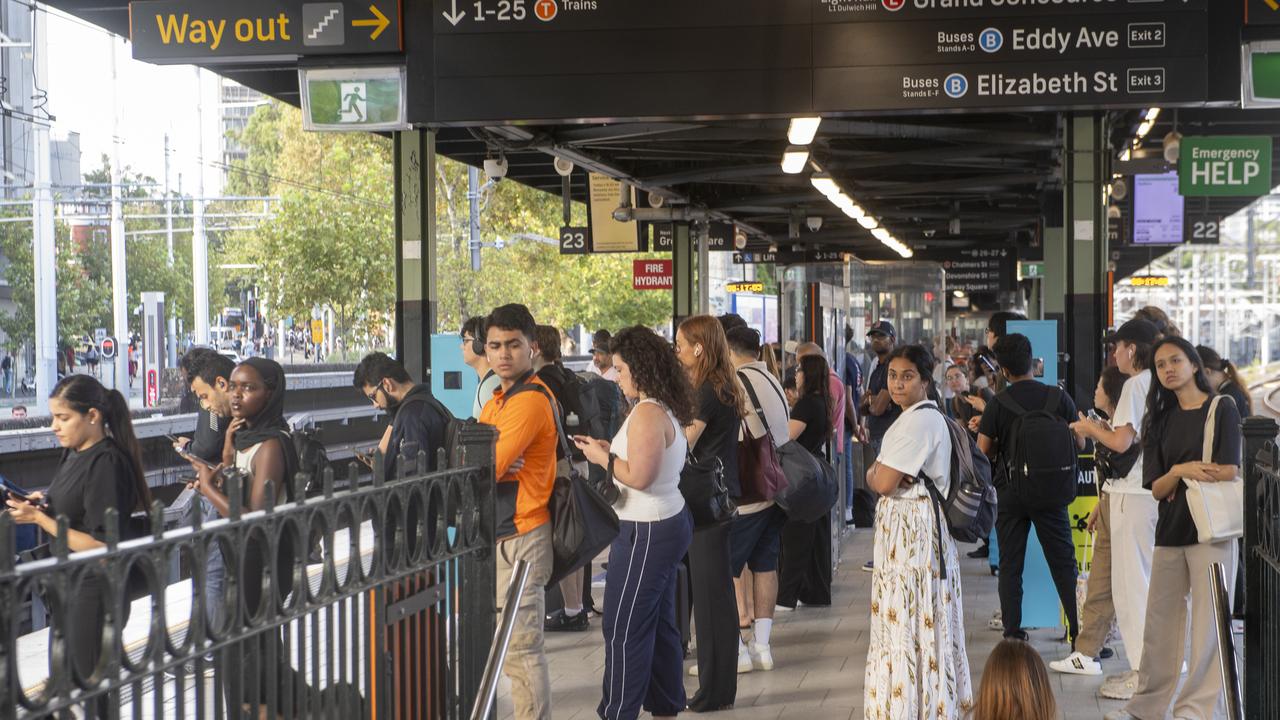
One in five NSW public sector workers spending over half their pay on housing, damning report finds
Across Australia’s New South Wales (NSW), a shocking new survey has laid bare the crippling housing affordability crisis that is pushing even full-time public sector workers to the financial edge. The groundbreaking study, conducted by the Public Service Association (PSA) which surveyed more than 5,100 of its members, paints a grim picture of financial precarity for workers who keep the state’s essential public services running every day.
According to the survey results, 65 percent of respondents qualify as experiencing severe housing stress—defined as spending more than 30 percent of total pre-tax income on rent or mortgage repayments. Most alarmingly, one in five public workers devotes over half of their entire paycheck to covering housing costs, with four respondents confirming they are currently experiencing homelessness. A quarter of all participants reported feeling no security in their current housing, and 94 respondents stated they face imminent risk of eviction or losing their homes.
The crisis does not discriminate by age, but it hits vulnerable groups particularly hard: more than 1,000 women over the age of 45 surveyed spend more than 30 percent of their income on housing, and many workers across all age groups fear they will be trapped in lifelong renting or retire into poverty. Many workers report making extreme personal and professional sacrifices just to keep a roof over their heads, cutting back on basic needs to cover housing costs. The survey found that many workers have skipped meals, delayed critical medical treatment, and put off major life milestones like marriage and starting a family, all due to skyrocketing housing costs.
Elena, one public sector worker who shared her story with reporters, is one of thousands making extreme trade-offs to access home ownership. To save for a down payment on her first home, Elena and her partner moved back into her parents’ home in Newcastle, more than three hours from her workplace in central Sydney. The arrangement meant a grueling seven-hour round-trip commute every single working day, a burden that forced her to accept long-term career sacrifices to keep her public service role. Even after following all the conventional advice—lowering their expectations, buying a smaller starter home outside the city rather than a permanent home in Sydney—Elena said the struggle remained overwhelming. The home they were finally able to purchase in Lake Macquarie needed urgent repairs including a full kitchen replacement and fixing major water leaks, but the couple had no money left to cover the work after the down payment and closing costs. Despite achieving the milestone of home ownership, Elena said the system feels fundamentally unfair. She added that she is far from alone: the early morning 5.55am train from Newcastle to Sydney is consistently packed with other workers making the same sacrifice to afford housing. “It is still such a struggle, it felt like we did everything that people said to me,” Elena explained. “I feel like it’s just reached a point that’s so unfair for everyone, and it’s not even a generational thing anymore, people of all different age groups going through similar things.”
PSA General Secretary Stewart Little emphasized that the survey confirms what many have suspected for months: the housing affordability crisis is no longer limited to low-income earners, and is now impacting even stable, full-time public sector employees. “Public sector workers are doing everything society asks of them, they are working hard, serving their communities and keeping essential services running, yet thousands are being pushed to the financial brink,” Little said. He added that state and federal governments cannot continue to ignore the far-reaching impact of this crisis on the public workforce and the communities that depend on their services. Little is calling for urgent government intervention: increased investment in public and affordable housing, and targeted housing assistance programs specifically for essential public sector workers. “No worker serving the public should be wondering whether they can afford dinner, a doctor’s appointment or a roof over their head,” he said.
-
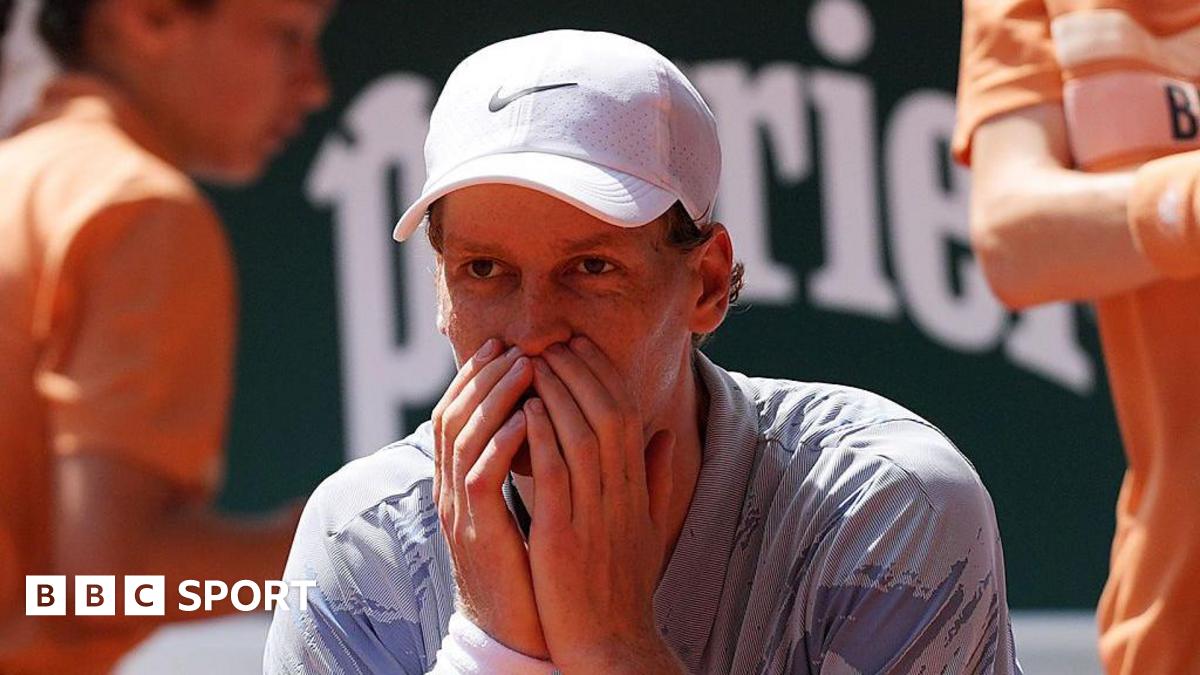
Hampered Sinner out in second round in seismic shock
The 2026 French Open has delivered its most staggering upset just days into the tournament, as men’s world number one Jannik Sinner crashed out in the second round following a crippling fitness collapse against Argentina’s Juan Manuel Cerundolo in sweltering Parisian conditions.
Coming into Roland Garros, the 24-year-old Italian was the overwhelming pre-tournament favorite to claim the title – a status not seen since Rafael Nadal topped the betting in 2009. Sinner, a four-time Grand Slam champion, had arrived in Paris on a historic 30-match winning streak, having claimed five consecutive ATP Masters 1000 titles across hard and clay courts over the previous three months. Most importantly, this tournament marked his best ever chance to complete a career Grand Slam, the only major trophy still missing from his collection, with defending champion Carlos Alcaraz sidelined by injury and 24-time Grand Slam winner Novak Djokovic in the twilight of his career.
For two full sets, the expected narrative unfolded without a hitch. Sinner dominated Cerundolo, ranked 56th in the world, taking the first two sets 6-3, 6-2 and holding just one break point opportunity against his serve. Up 5-1 in the third set, Sinner appeared just moments away from closing out the match and advancing to the third round. That was when the tide turned irreversibly.
Unseasonably extreme heat gripped Paris throughout the match, with temperatures climbing above 34 degrees Celsius – conditions that have long posed problems for Sinner, who suffered severe cramping in near-40C heat at this year’s Australian Open, and only avoided an early exit there when the tournament’s heat rule was enforced mid-match. In a rare scheduling quirk, Roland Garros organizers placed Sinner as the first match on Court Philippe Chatrier, a slot no men’s top seed has opened before the semi-final stage in a decade. While the early start brought milder initial conditions, temperatures climbed rapidly as the match wore on, and Sinner’s old fitness issues flared.
After dropping 11 consecutive points and three straight games to see his third-set lead cut to 5-3, Sinner called for a medical trainer, visibly labored and dejected on court. He told staff he felt intense dizziness and overwhelming nausea, saying he wanted to vomit, before taking an extended mid-game medical timeout. When he returned to court, the Italian was a shadow of his dominant self. Where he once controlled rallies with powerful, accurate strokes from the baseline, his shots suddenly dropped 10 miles per hour in speed. He could barely chase down Cerundolo’s returns, wandering slowly around the court and stopping between points to shake out his fatigued legs.
Cerundolo, to his credit, kept his composure and capitalized on Sinner’s collapse, breaking the world number one’s serve to take the third set 7-5. He dominated the fourth set 6-1, and jumped out to a 4-0 lead in the deciding fifth set. Despite cheers from the Paris crowd and encouragement from his coaching team, Sinner could not turn the tide. He managed only one more service hold to cut the lead to 4-1, but Cerundolo broke again in the next game to close out the historic 3-6 2-6 7-5 6-1 6-1 victory.
The result is one of the most shocking early exits in Grand Slam history, ending Sinner’s undefeated 2025 season and his quest for a career Grand Slam for at least another year. It is Sinner’s first loss since February, and his first clay court defeat of the entire season.
For the remaining men’s draw, the upset has thrown the tournament wide open, handing Djokovic arguably his best chance in years to claim a record-breaking 25th Grand Slam singles title. For Cerundolo, the win sets up a third-round showdown with either Spain’s Martin Landaluce or the Czech Republic’s Vit Kopriva, as he continues his unlikely deep run at the 2026 French Open.
-
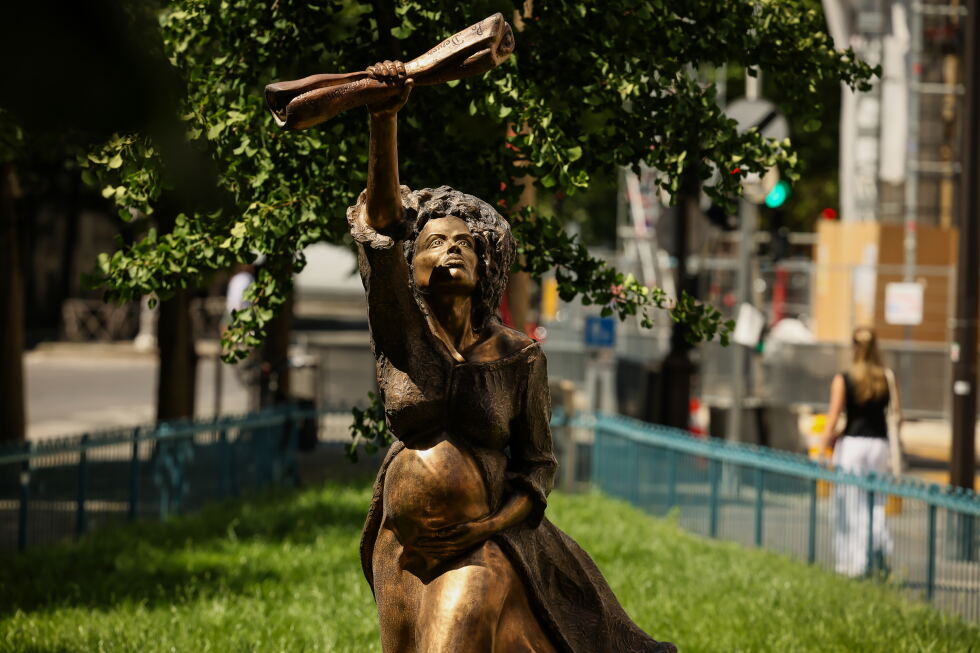
What to know about Code Noir, a shocking French law that oversaw the slavery of 1.4 million Africans
On Thursday, France’s influential lower legislative chamber, the National Assembly, took a landmark step toward reckoning with the nation’s slave-trading colonial history, voting 254-0 to formally repeal the 17th-century slavery edict known as Code Noir, or the Black Code. The bill will next advance to the French Senate for consideration, where backers of the repeal anticipate it will pass, though no official timeline for the upper chamber vote has been announced.
First signed into law by King Louis XIV at the Palace of Versailles in 1685, Code Noir laid out the official legal framework regulating chattel slavery across France’s expanding colonial empire. What began as a set of 60 rules governing enslavement in France’s early Caribbean holdings — Martinique, Guadeloupe, and Saint-Domingue, the territory that would become the independent nation of Haiti after a successful enslaved uprising — was later extended to other French holdings including French Guiana, Louisiana, and the Indian Ocean islands of Réunion and Mauritius. French philosopher Louis Sala-Molins once described the document as “the most monstrous legal text of modern times,” a label that aligns with historical records of its brutal provisions.
Over the course of France’s colonial slave trade, an estimated 1.4 million kidnapped African people were forcibly transported across the Atlantic Ocean in chains, making France the third-largest European slave-trading power behind only Portugal and Britain. The vast majority of enslaved people were forced to work in deadly, backbreaking conditions harvesting cash crops including sugar cane, coffee, cotton, and indigo for French colonial landowners. The labor was so lethal that the death rate among enslaved populations consistently outpaced birth rates, with planters simply replenishing their workforce by purchasing more kidnapped Africans from transatlantic slave traders.
By 1789, Saint-Domingue alone held roughly 500,000 enslaved people — more than any other Caribbean colony of the era. The territory’s massive enslaved labor force produced the majority of the world’s sugar and coffee exports, earning it a reputation as the wealthiest colony on the planet at the time.
While Code Noir was effectively rendered obsolete when France formally abolished slavery across its remaining colonies in 1848, it had never been formally removed from the country’s official legal statutes until the National Assembly’s historic vote this week.
Every provision of the 337-year-old edict enshrined the dehumanization of enslaved people into law. Article 44 explicitly classified enslaved people as “movable property,” granting enslavers full legal right to buy, sell, mortgage, or bequeath enslaved people to their heirs, just like land or household furniture. Article 28 cemented this status by stating that enslaved people “could own nothing that does not belong to their master,” meaning any income or personal belongings an enslaved person acquired legally belonged to their enslaver. For more than a century after the edict took effect, enslaved people were not even granted legal personhood or formal names; starting in 1839, each enslaved person in French colonies was assigned only a serial number and registration code, with formal surnames only granted to people after abolition in 1848.
The code codified extreme, often deadly punishments for people who resisted enslavement. Article 38 mandated punishment for people who attempted to escape bondage: for a first offense, the escapee would have their ears cut off and be branded with a fleur-de-lis, the official symbol of the French monarchy, on one shoulder. A second attempted escape resulted in the severing of a leg tendon and a second branding, while a third attempt carried a death sentence. Article 33 went even further, ordering capital punishment for any enslaved person who struck their enslaver, the enslaver’s wife, or their children hard enough to leave a bruise or draw blood, including any strike to the face.
Many of the edict’s harmful provisions targeted marginalized groups beyond enslaved people as well. The very first article of Code Noir, before it addressed the regulation of slavery at all, ordered all Jewish people expelled from French colonies within a three-month window, labeling them “declared enemies of the Christian name.” Articles 2 and 3 forced all enslaved people to be baptized and raised in the Catholic faith, banning all public practice of any other religion. The edict also enshrined hereditary slavery, ruling that a child’s enslaved status followed the mother: any child born to an enslaved woman was born into slavery, even if the child’s father was a free person. Enslaved children were allocated just half the food rations granted to adult enslaved people.
A small number of provisions were framed as nominal protections for enslaved people, requiring enslavers to provide basic food and clothing, banning excessive torture, and barring the separation of husbands, wives, and young children through sale. But historical research confirms these rules were almost universally ignored by colonial landowners, and enslavers who killed the people they held in bondage were almost never held legally accountable under the existing system.
-
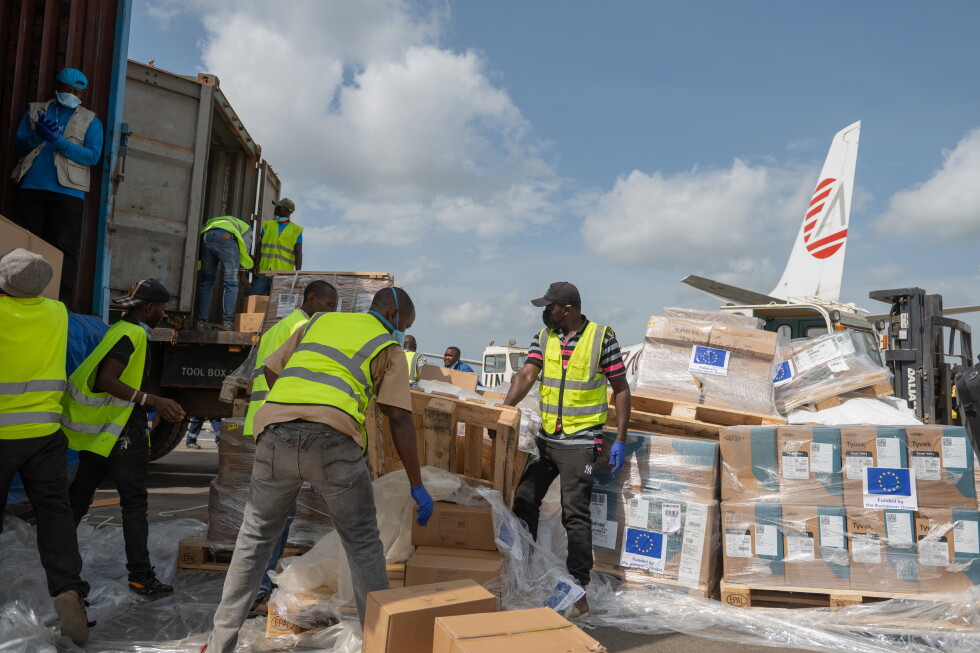
Aid supplies reach heart of Congo’s Ebola outbreak as WHO head travels to Kinshasa
A new shipment of life-saving medical supplies donated by the European Union has arrived in Bunia, the northeastern Congolese town at the center of an unprecedented outbreak of the rare Bundibugyo strain of Ebola, arriving as frontline medical teams battle acute equipment shortages, community distrust, and persistent violence from armed groups across the volatile region.
A white cargo plane touched down at Bunia’s airport early Thursday, unloading pallets of masks, medical gloves, protective boots, and antiviral medications—all supplies that local health facilities have reported running critically low on for weeks. United Nations-marked forklifts moved the sealed aid crates onto waiting trucks, bound for treatment centers across Ituri province, the global epicenter of the outbreak that has already spread beyond Congo’s borders.
On-the-ground reporting from the Associated Press reveals the stark gaps in the current response: emergency treatment centers in Bunia sit largely understaffed and under-resourced, while clinicians in the nearby town of Bambu have been forced to use expired surgical masks when caring for patients showing classic Ebola symptoms.
At least three targeted attacks on Ebola treatment facilities have been recorded in Ituri in recent weeks, sparked by local resident protests over public health measures that conflict with traditional community burial practices. These attacks have amplified the already extreme risk facing local and international health workers deployed to contain the spread.
Jérôme Kouachi, the lead of emergency operations for UNICEF in the Democratic Republic of Congo, confirmed to AP that this initial aid delivery is the first of multiple scheduled shipments that will roll out over the next eight days, part of a scaled-up international response to the crisis.
World Health Organization Director-General Tedros Adhanom Ghebreyesus announced Thursday he is traveling directly to Congo to assess containment efforts on the ground. The Bundibugyo strain at the center of the outbreak has no officially approved vaccine or targeted treatment, and the WHO previously declared the event a Public Health Emergency of International Concern, the body’s highest alert level, to accelerate global aid mobilization.
Since Congolese authorities first declared the outbreak on May 15, officials have confirmed more than 1,000 suspected cases and at least 220 deaths. But public health experts warn the virus circulated undetected for weeks before the official declaration, meaning the actual caseload is far higher than official counts. The outbreak has already spilled across Congo’s northern border into Uganda, where health officials have confirmed seven cases and one fatality. On a small positive note, Congolese authorities announced Wednesday that the first confirmed survivor of the strain has been discharged from a treatment facility after recovering.
Congo’s Foreign Minister Thérèse Kayikwamba Wagner framed the response effort earlier this week as a high-stakes race against time: “We are trying to catch up,” she said.
A new report from international humanitarian organizations released Thursday outlines the wide range of systemic barriers slowing the response, from customs bureaucracy that delays aid shipments, to inadequate cold storage for medical supplies, to poorly maintained rural roads and spotty telecommunications networks that leave remote communities cut off from care.
Tedros issued an urgent appeal this week for an immediate ceasefire across all conflict zones in eastern Congo, a region that has been plagued by interlinked insurgencies and ethnic violence for decades. “We cannot build community trust or isolate the sick while bombs are falling,” he said.
Ituri province, located in northeastern Congo just kilometers from the Ugandan border, has been overwhelmed by repeated attacks from the Allied Democratic Forces, a rebel faction affiliated with the Islamic State, as well as a coalition of ethnic militias. Just two months ago, ADF fighters killed at least 40 local residents and burned dozens of homes in a series of raids across the province.
The outbreak has now spread south from Ituri to two additional Congolese provinces, North Kivu and South Kivu, where the Rwanda-backed M23 rebel group controls major population centers including Goma and Bukavu. Rebel officials have already confirmed two Ebola cases within areas under their control. Goma’s main international airport, a critical logistics hub for all humanitarian aid entering eastern Congo, has remained closed since January 2025, when M23 forces seized control of the city.
Decades of persistent conflict in eastern Congo have created one of the world’s worst humanitarian crises, with more than 7 million people internally displaced across the region, leaving millions more vulnerable to the spread of the virus with limited access to healthcare.
This report was contributed by Ope Adetayo from Lagos, Nigeria.
-
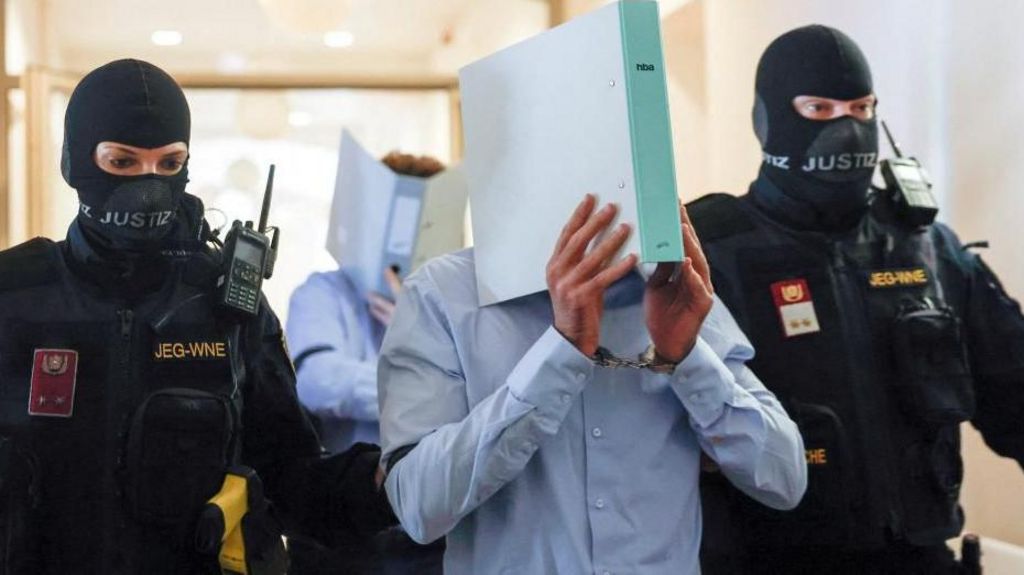
Jury considers verdict for man accused of plotting Taylor Swift concert attack
A jury in Austria has begun closed-door deliberations to reach a verdict in the high-profile trial of two young men linked to the Islamic State (IS) terrorist group, one of whom has confessed to plotting a deadly mass attack on a 2024 Taylor Swift concert in Vienna.
In accordance with Austria’s strict privacy regulations for criminal defendants, the primary accused, a 21-year-old Austrian national, is publicly identified only as Beran A. He has publicly admitted to two core charges: plotting the jihadist attack on the sold-out Taylor Swift shows at Vienna’s Ernst Happel Stadium, and formal membership in a designated terrorist organization. However, he has refuted additional charges connected to an alleged secondary plot targeting the Islamic holy city of Mecca in Saudi Arabia.
Beran A stands trial alongside 21-year-old Slovakian national Arda K, who prosecutors allege was a fellow member of the same IS-aligned cell. Court records confirm Arda K was not involved in planning the Taylor Swift attack, but is accused of complicity in the broader Mecca plot.
The plot was foiled just hours before the first of three scheduled Swift concerts, after counterterrorism authorities received a critical tip from the U.S. Central Intelligence Agency (CIA) that led to Beran A’s arrest. With the threat confirmed, event organizers canceled all three performances, disappointing nearly 200,000 ticketed fans and leaving Swift herself devastated. In a subsequent documentary about her record-breaking Eras Tour, Swift shared that she learned of the planned attack mid-flight en route to Vienna, describing the moment as a near-miss that avoided an outright “massacre situation.”
Prosecutors laid out their case outlining how Beran A became radicalized online and swore a formal oath of allegiance to IS. Court documents show he attempted to illegally obtain weapons including a fully automatic machine gun and a hand grenade, though those efforts ultimately failed. He also allegedly attempted to build an explosive device using step-by-step instructions pulled from an IS propaganda video posted to public online platforms.
A court-appointed psychiatric expert, Peter Hoffmann, testified during the trial that Beran A shows no clinical signs of mental illness, and told the court there is “no psychiatric explanation” for his radicalization into violent extremism.
In closing arguments, lead prosecution counsel pushed the jury to return guilty verdicts on all charges against both defendants, noting Beran A’s own admissions of guilt for the core Taylor Swift plot charges. Prosecutors also emphasized that the two men acted as accomplices in planning multiple additional attacks across Mecca and other unnamed cities months before the Vienna plot.
That broader plot links the two defendants to Hasan E, a former high school classmate who is currently in Saudi Arabian custody facing charges for a stabbing attack that wounded five people, including a security guard, in Mecca. Both Beran A and Arda K admit they traveled to Istanbul and Dubai respectively as part of the early plot planning, but both deny providing material support to Hasan E for his subsequent attack.
The prosecutor told the jury the trial presented a critical opportunity to send a clear message to would-be terrorists: “anyone who prepared a terrorist attack should face consequences.”
Beran A’s defense attorney, Anna Mair, acknowledged her client has admitted guilt to the crimes he committed, but argued he should only face penalties for the acts he actually took part in. She told the court Beran A was not the ringleader of the cell, and had been manipulated by more radicalized actors. “My client is not innocent; he has committed serious crimes. But you can only convict him for what he has done,” Mair stated.
Both young men offered apologies to the court during the trial. Beran A expressed remorse for his actions, while Arda K also said he regretted the plot ever progressed so far, asking the jury for a chance to eventually “integrate into society” if convicted.
If both defendants are found guilty on all charges filed against them, they face a maximum sentence of 20 years in prison.
-
From Arash to Epstein: Iran’s loaded billboard propaganda
In the months since the US-Israel military campaign against Iran launched in late February 2026, large, strategically placed billboards across Tehran’s busiest public corridors have flooded both traditional media and global social platforms. Constantly refreshed to align with shifting on-the-ground events, these outdoor installations are far more than urban decor: they represent a decades-long evolution of Iran’s state-led visual political communication, adapted for a modern digital age.
Iran’s deployment of public space for ideological messaging traces back to the 1979 Islamic Revolution, and expanded dramatically during the 1980s Iran-Iraq War, when murals and billboards were used to display revolutionary iconography, war memorials, and core ideological tenets to domestic audiences. Today, that model has been reimagined for global circulation. Designed from inception to be photographed, shared, and amplified online even amid Iran’s months-long national internet blackout, these contemporary billboards serve a clear dual purpose: to shore up collective national identity and unity during a period of open conflict, and to project the Iranian state’s narrative of power and resistance directly to international audiences. To reach these global targets, many now incorporate Hebrew and English text alongside native Farsi, a deliberate break from the purely domestic focus of past messaging.
Researchers frame these installations as a core component of Iran’s broader state-led visual communications strategy, crafted specifically for viral spread across social media. To unpack the messaging and layered symbolism behind this campaign, we analyze five of the most widely circulated examples from Tehran’s urban landscape:
### 1. The Epstein Missile
One of the most viral billboards in recent months, displayed at Tehran’s Valiasr Square in March 2026, features a cluster of Iranian missiles covered in handwritten symbolic inscriptions. The most prominent message, rendered in bold red Farsi, reads “To the girls of Minab” — a reference to a strike on a Minab girls’ school in the opening days of the war that Iranian authorities confirm killed 175 students and educators, with independent assessments pointing to U.S. forces as the likely perpetrators.Directly beneath that inscription, an English phrase adds a second provocative layer: “Epstein Island victim girls”, referencing the private island owned by convicted sex offender Jeffrey Epstein where hundreds of young women were systematically sexually assaulted. A second missile bears the tribute “the girl with the pink jacket”, a reference to a young Iranian girl killed in a 2024 terrorist attack who was publicly identified by her distinctive pink jacket and heart-shaped earrings.
This layered narrative weaves together seemingly disconnected events around a shared theme: vulnerable young women harmed by foreign violence, exploitation, and unaccountable political power. Rather than framing missiles purely as tools of destruction, the billboard reframes them as symbols of grief, remembrance, righteous revenge, and national defense. In this framing, Iran is not the aggressor in the conflict — it is a wronged power responding to injustice to protect its people.
### 2. “Masters of War”
Displayed at Tehran’s Enqelab Square in October 2024, well before the full-scale war began, this high-impact billboard carried a direct multilingual warning. Above a stylized image of waves of incoming missiles lighting up the night sky over Israel (rendered to resemble a fiery meteor shower), a bold Farsi phrase reads “If you want war, we are masters of war”. Beneath it, a clear Hebrew message states “Israel must be wiped from the face of the earth”.By addressing Hebrew-speaking audiences directly, the billboard acts as both an explicit military warning and a deliberate show of psychological force, turning language itself into a tool of conflict. This multilingual choice signals a key shift in Iran’s urban propaganda strategy: no longer targeted solely at domestic pedestrians and commuters, the state designs these installations from the ground up for instant online circulation, knowing they will reach their intended target audiences across the border in Israel within hours of being erected.
### 3. Trump’s Sutured Mouth
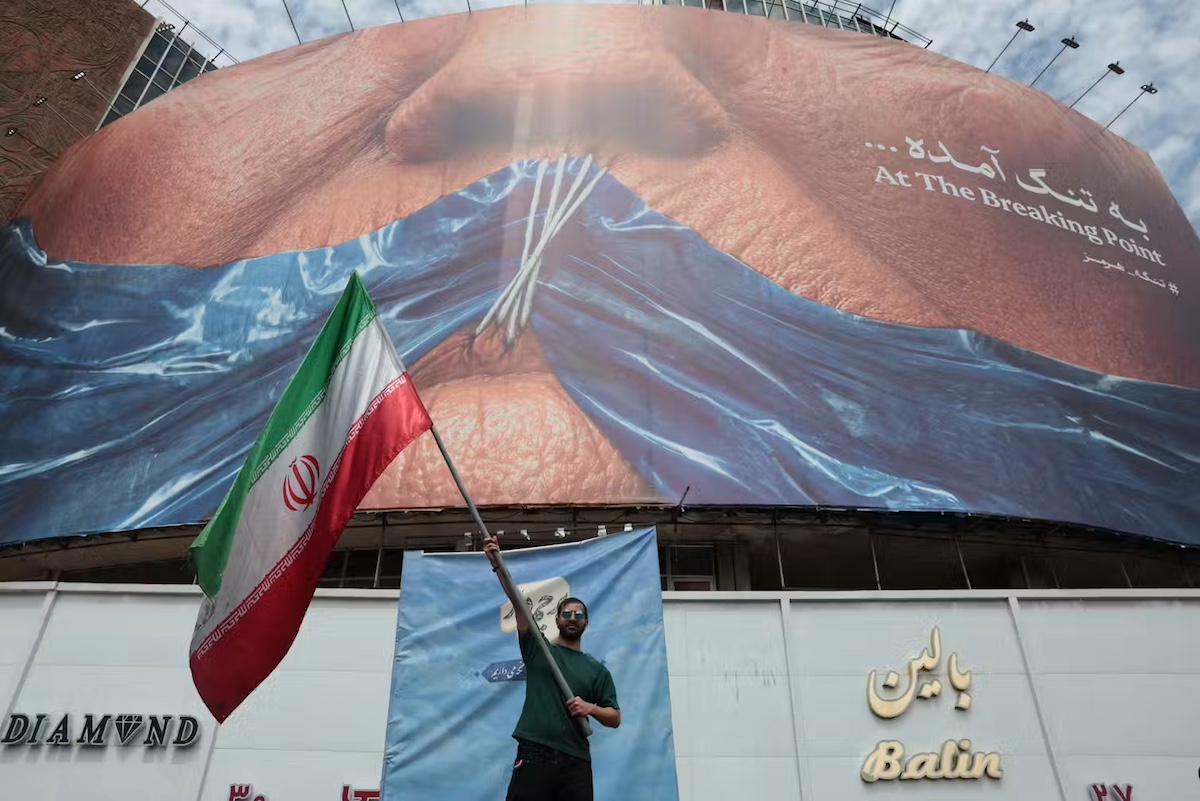
Targeted explicitly at Western, particularly American, audiences, this 2026 Valiasr Square billboard is a sharp, symbolic critique of U.S. policy toward Iran and the Strait of Hormuz. The core image shows U.S. President Donald Trump’s mouth, with a rendering of the Strait of Hormuz stitched (sutured) across its opening, paired with the blunt English headline “The Breaking Point”.The accompanying Farsi text translates to “its patience has run out”, and carries a clever literary pun: the Farsi word tang can mean both “narrowness/constraint” and refers to the “strait” (tangeh) of Hormuz, creating a double meaning that ties growing geopolitical tension over the waterway to the idea of Iran reaching an irreversible psychological and political breaking point. Beyond geopolitics, the image also satirizes Trump’s reputation for relentless public rhetoric and media attention: the sutures across his mouth symbolize the end of his unchecked influence and authority in the region, particularly when it comes to Iran and control of the Strait.
### 4. Arash the Archer
Drawing on millennia of Persian cultural mythology, this July 2025 billboard at Tehran’s Vanak Square reimagines the legend of Arash the Archer for the modern conflict. In the iconic ancient tale, Arash sacrifices his own life to fire a decisive arrow during a mythic war between Iran and neighboring Turan, securing the borders of the Iranian homeland. On the billboard, Arash is depicted drawing his bow in the heat of battle, surrounded by modern Iranian missiles, framing contemporary Iranian soldiers as heirs to this legacy of sacrificial defense.The image also highlights the deep roots of modern Iranian political messaging in the nation’s centuries-old poetic, mythic, and heroic storytelling traditions, anchoring the current conflict in a long history of national struggle for sovereignty.
### 5. The Fishermen
Displayed at Enghelab Square in April 2026, this billboard lays claim to Iranian dominance over the Persian Gulf and Strait of Hormuz through a culturally resonant metaphor. The core image shows a massive fishing net stretched across the Persian Gulf, with captured American aircraft, drones, and naval vessels tangled inside. The Farsi text reads “The entire Persian Gulf is our hunting ground”, a clear assertion that the entire region falls under Iranian control and constant surveillance. The accompanying note “The Strait of Hormuz remains closed” emphasizes Iran’s ability to dictate access to one of the world’s most critical energy chokepoints.Beyond its explicit geopolitical claim, the fishing net carries layered cultural meaning: just as traditional fishing relies on patience, resilience, careful planning, and long-term persistence rather than overwhelming brute force, the billboard frames Iran’s military strategy in the current conflict as rooted in these same deliberate, strategic qualities.
*This analysis is by Hamideh Khaleghi Mohammadi, Lecturer in Media and Communications at the University of Sydney, and Ali Abbasi, Sessional Academic and Researcher in Media and Communications at the University of Sydney, republished with permission from The Conversation under a Creative Commons license.*
-

Williams in discussions about potential return at Queen’s
Four years after what the tennis world assumed was her final competitive match, all-time great Serena Williams is exploring a sensational return to the tour, with early discussions underway for her to compete at next month’s Queen’s Club WTA 500 grass-court event.
The 44-year-old American, who boasts a record 23 Grand Slam singles titles in the Open Era, has been eligible to return to official competition since February 22, after completing a mandatory six-month spell back in the World Anti-Doping Agency testing pool. No final decision has been made on her participation, and Williams would need a wildcard entry to secure a spot in the doubles draw – an opportunity that appears within reach, as two wildcard spots remain up for grabs for the tournament kicking off on June 8.
Rumors of a potential pairing first broke on former men’s world No. 1 Andy Roddick’s *Served* podcast, which claimed Williams would partner 19-year-old Canadian rising star Victoria Mboko. BBC Sport has not yet been able to independently verify this pairing report.
A return at Queen’s Club would come just three weeks before the start of Wimbledon, the most prestigious grass-court tournament where Williams has built an extraordinary legacy: seven singles titles and seven doubles titles, 14 of which came alongside her sister and long-time doubles partner Venus.
Williams has long rejected the term ‘retirement’, describing her 2022 step away from the sport as ‘evolving away’ from competitive tennis. What was widely billed as her farewell match came at the 2022 US Open, where she fell to Australia’s Ajla Tomljanovic in the third round. That capped a remarkable late career stretch: earlier that same year, she reached the semi-finals of the Australian Open, and her last Grand Slam singles title came at the same Melbourne event back in 2017, when she was 35 years old.
Speculation about a possible comeback has built for months, fueled by public comments Williams has made about her dramatic recent weight loss. Last year, she told U.S. broadcaster *Today Show* that she had shed 31 pounds (14 kilograms) over eight months, describing her excess weight as ‘an opponent’ that required intense daily training – including five hours of exercise a day spanning running, walking, cycling and stair climbing – plus an adjusted approach to wellness. She declined to name the specific weight loss medication she used, but shortly after those comments she became a spokesperson for Ro, a digital health company that distributes GLP-1 weight loss medications including Wegovy and Zepbound. Her husband, Reddit founder Alexis Ohanian, is also an investor in the firm. In a January 2025 follow-up interview on the *Today Show*, she left the door wide open for a return, saying simply: ‘I’m going to see what happens.’
The LTA, which governs British tennis, has a long-standing policy of prioritizing domestic players for wildcard entries at UK-based grass-court events. All four singles wildcard spots are widely expected to go to British competitors, but LTA officials have signaled that an exception could be made for Williams in doubles, citing exceptional circumstances.
‘Never say never, and not wanting to speak of any one individual player, but you will have seen over recent years that those wildcard opportunities are afforded to British players – that is absolutely my fundamental personal belief and philosophy,’ LTA chief executive Scott Lloyd told reporters in an April briefing. ‘There might be exceptional circumstances which might influence a unique wildcard, but otherwise those playing opportunities we want to afford to British players.’
Performance director Michael Bourne further hinted that commercial benefits of a Williams appearance could also factor into the decision. ‘It’s also really important to remember that we in the performance team understand that players have to earn that right. We don’t take them for granted. If we didn’t think we had a depth of player where it was right for them to take those opportunities, and there was something else that was good for the business, we would hold our hands up,’ Bourne explained.
If Williams makes her return, she will follow in the footsteps of her older sister Venus, who has continued playing intermittently on the WTA Tour well into her 40s. Venus, 45, has already competed in seven tournaments in 2025 and reached the US Open women’s doubles quarter-finals last year. For context, Martina Navratilova remains the oldest woman to win a Grand Slam singles match in the Open Era, claiming victory at age 47 in 2004. She even reached the US Open doubles semi-finals in 2005 and won the mixed doubles title a year later, just one month before her 50th birthday, proving that elite tennis success is possible for athletes well into their late 40s.
-

EU fines Temu €200m for allowing sale of illegal products
The European Commission has announced a €200 million ($232 million) fine against Chinese-owned e-commerce giant Temu, marking only the second major penalty issued under the bloc’s landmark Digital Services Act (DSA) for regulatory non-compliance. The penalty stems from a months-long investigation that found the platform failed to properly police the sale of illegally unsafe products, ranging from dangerous children’s toys to non-compliant electrical chargers that put consumers at serious risk.
The inquiry into Temu’s practices launched back in October 2024, after regulators raised concerns that the company was not meeting its mandatory obligations as a Very Large Online Platform (VLOP) — a classification for large digital services that requires heightened risk monitoring under EU law. As part of the probe, an independent third-party testing firm conducted a widespread mystery shopping exercise to sample products sold on Temu’s platform. The results were alarming: a large share of the phone and device chargers purchased failed basic global electrical safety standards, and a similarly high proportion of baby toys were found to violate EU safety rules. Many of the infant toys contained toxic chemicals above permitted legal limits, while others included small detachable components that posed immediate choking and suffocation hazards to young children.
In announcing the penalty, EU Technology Commissioner Henna Virkkunen emphasized that the ruling was designed to send an unambiguous, strong message to Temu and other large online platforms operating in the bloc. Regulators found that Temu did not adequately fulfill its legal requirement to diligently identify, analyze, and address the systemic risks that unregulated unsafe products pose to European consumers.
Beyond the financial penalty, Temu is required to submit a comprehensive corrective action plan outlining how it will fix its regulatory gaps by August 28, 2025. After receiving the plan, the European Commission will have two months to review the proposed changes and determine whether they meet EU compliance standards.
In an official response following the announcement, a Temu spokesperson stated that the company disagrees with the commission’s ruling and considers the €200 million fine disproportionate. The spokesperson added that the decision addresses conditions from 2024 and does not reflect updates the platform has already made to its safety and compliance systems. Temu says it is currently conducting a full review of the ruling and evaluating all possible next steps, including potential legal pushback.
This penalty is only the second fine issued for content and product regulatory violations under the DSA, following a €120 million penalty imposed on Elon Musk-owned social media platform X (formerly Twitter) in December 2024. The case signals that EU regulators are ramping up enforcement of the DSA, holding large global digital platforms accountable for meeting strict consumer protection and risk management requirements when operating in the European single market.
-
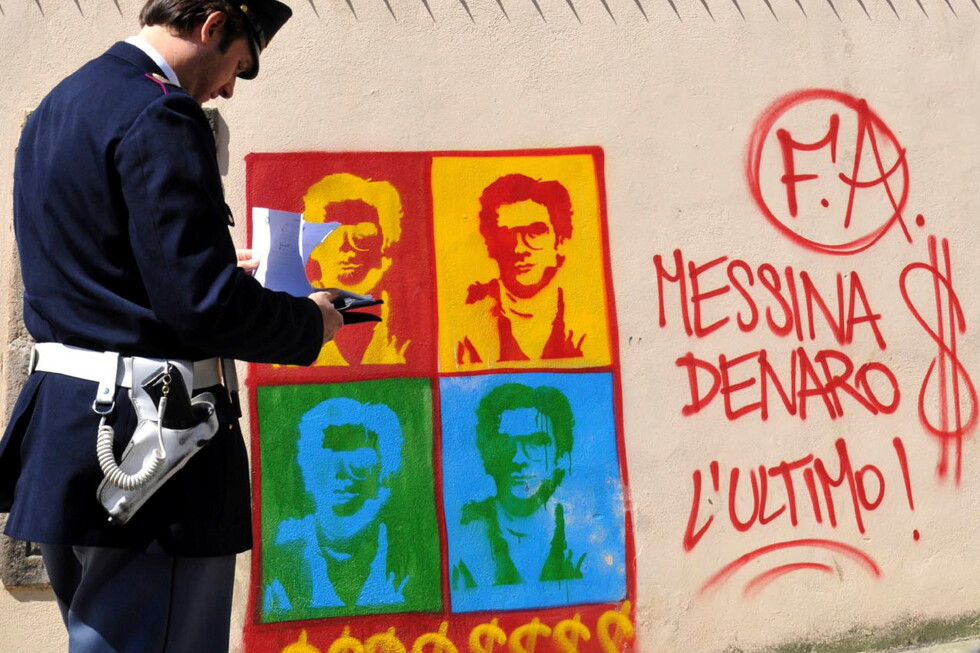
Italy seizes gold, luxury villas and cash tied to Sicilian Mafia drug-trafficking gains
MILAN – In a major strike against the Sicilian Mafia’s efforts to reconsolidate its financial stronghold, Italian law enforcement has confiscated over 200 million euros, equivalent to $232 million, in assets connected to the drug trafficking network of deceased notorious mafia boss Matteo Messina Denaro, anti-mafia prosecutors announced Thursday.
At a press briefing detailing the operation, investigators outlined the wide scope of assets taken into custody: more than 12 kilograms (26 pounds) of high-purity gold bars, millions of euros in untraceable cash, a collection of high-end luxury watches, and approximately 20 upscale residential and commercial properties scattered across the country.
Matteo Messina Denaro, one of Italy’s most wanted fugitives, spent 30 years evading capture before he was finally arrested in January 2023. Just nine months after his arrest, the 61-year-old mafia leader died at a prison hospital while serving multiple life sentences. He had already been convicted in absentia for dozens of high-profile murders, including his role as a mastermind behind the 1992 car bombings that killed Giovanni Falcone and Paolo Borsellino, two of Italy’s most prominent anti-mafia prosecutors.
The landmark asset seizure is part of a long-running investigation into the multidecade money laundering trail that grew out of Messina Denaro’s international drug trafficking operation. Alongside the asset confiscation, law enforcement has already taken three suspects into custody tied to the network, and courts have approved seizure orders for all connected companies, offshore holdings, and financial accounts that make up the 200-million-euro criminal fortune.
More than 150 elite financial police officers participated in coordinated search operations that stretched across Italy and seven offshore jurisdictions: Andorra, Gibraltar, the Cayman Islands, Switzerland, Lebanon, Monaco, and Spain, highlighting the global reach of Messina Denaro’s criminal enterprise.
Giovanni Melillo, Italy’s national anti-mafia chief prosecutor, emphasized that the operation is a key part of a sustained national push to dismantle the Sicilian Mafia’s entire economic backbone. By stripping the organization of its accumulated criminal wealth, authorities aim to block the mafia from rebuilding powerful transnational criminal networks that can exert harmful influence over global finance, local communities, and public institutions through violence, intimidation, and corruption.