Across Australia’s New South Wales (NSW), a shocking new survey has laid bare the crippling housing affordability crisis that is pushing even full-time public sector workers to the financial edge. The groundbreaking study, conducted by the Public Service Association (PSA) which surveyed more than 5,100 of its members, paints a grim picture of financial precarity for workers who keep the state’s essential public services running every day.
According to the survey results, 65 percent of respondents qualify as experiencing severe housing stress—defined as spending more than 30 percent of total pre-tax income on rent or mortgage repayments. Most alarmingly, one in five public workers devotes over half of their entire paycheck to covering housing costs, with four respondents confirming they are currently experiencing homelessness. A quarter of all participants reported feeling no security in their current housing, and 94 respondents stated they face imminent risk of eviction or losing their homes.
The crisis does not discriminate by age, but it hits vulnerable groups particularly hard: more than 1,000 women over the age of 45 surveyed spend more than 30 percent of their income on housing, and many workers across all age groups fear they will be trapped in lifelong renting or retire into poverty. Many workers report making extreme personal and professional sacrifices just to keep a roof over their heads, cutting back on basic needs to cover housing costs. The survey found that many workers have skipped meals, delayed critical medical treatment, and put off major life milestones like marriage and starting a family, all due to skyrocketing housing costs.
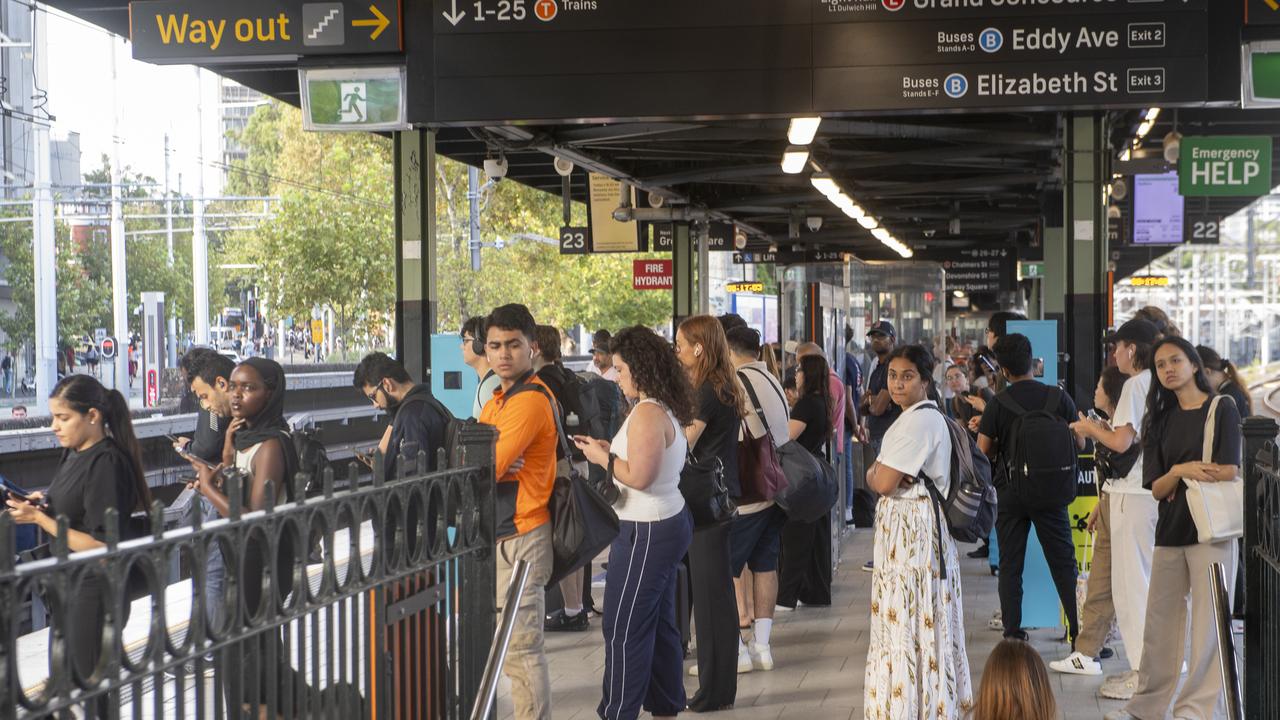
Elena, one public sector worker who shared her story with reporters, is one of thousands making extreme trade-offs to access home ownership. To save for a down payment on her first home, Elena and her partner moved back into her parents’ home in Newcastle, more than three hours from her workplace in central Sydney. The arrangement meant a grueling seven-hour round-trip commute every single working day, a burden that forced her to accept long-term career sacrifices to keep her public service role. Even after following all the conventional advice—lowering their expectations, buying a smaller starter home outside the city rather than a permanent home in Sydney—Elena said the struggle remained overwhelming. The home they were finally able to purchase in Lake Macquarie needed urgent repairs including a full kitchen replacement and fixing major water leaks, but the couple had no money left to cover the work after the down payment and closing costs. Despite achieving the milestone of home ownership, Elena said the system feels fundamentally unfair. She added that she is far from alone: the early morning 5.55am train from Newcastle to Sydney is consistently packed with other workers making the same sacrifice to afford housing. “It is still such a struggle, it felt like we did everything that people said to me,” Elena explained. “I feel like it’s just reached a point that’s so unfair for everyone, and it’s not even a generational thing anymore, people of all different age groups going through similar things.”
PSA General Secretary Stewart Little emphasized that the survey confirms what many have suspected for months: the housing affordability crisis is no longer limited to low-income earners, and is now impacting even stable, full-time public sector employees. “Public sector workers are doing everything society asks of them, they are working hard, serving their communities and keeping essential services running, yet thousands are being pushed to the financial brink,” Little said. He added that state and federal governments cannot continue to ignore the far-reaching impact of this crisis on the public workforce and the communities that depend on their services. Little is calling for urgent government intervention: increased investment in public and affordable housing, and targeted housing assistance programs specifically for essential public sector workers. “No worker serving the public should be wondering whether they can afford dinner, a doctor’s appointment or a roof over their head,” he said.