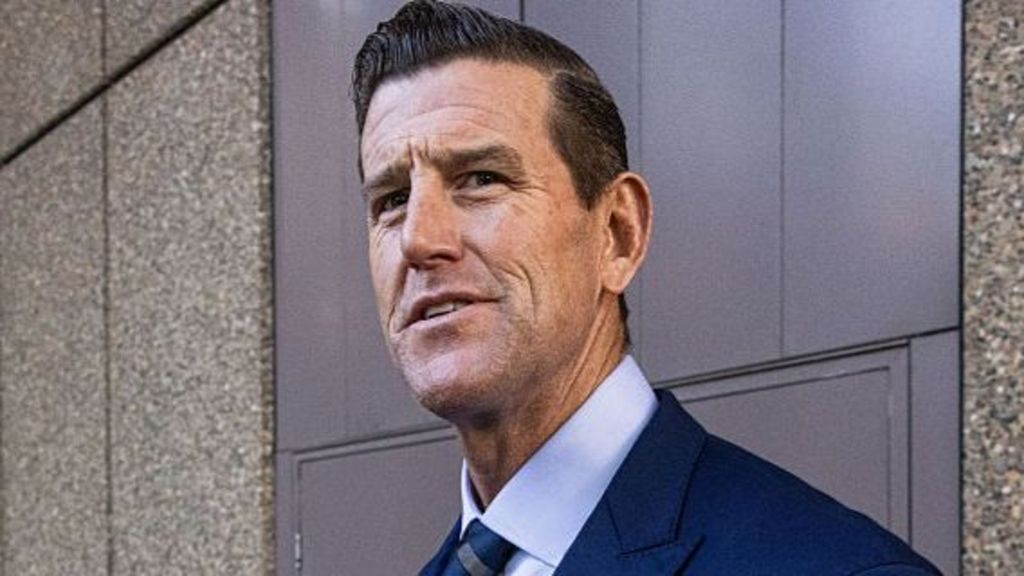
One of Australia’s most high-profile military figures, Victoria Cross recipient and former Special Air Service (SAS) corporal Ben Roberts-Smith, has been approved for bail following his arrest last week on six counts of the war crime of murder. The 45-year-old, who denies all allegations against him, stands accused of involvement in the killings of multiple unarmed Afghan detainees between 2009 and 2012 — allegations that include both personally carrying out fatal acts and ordering subordinates to kill. The case marks an unprecedented moment in Australian legal history, as it is the first time criminal war crime charges have been brought against an Australian special forces soldier for actions in the 20-year Afghan conflict.
Roberts-Smith appeared at his bail hearing via video link from Sydney’s Silverwater Prison on Friday. His legal team argued the extraordinary nature of the case, which is set to involve years of delays and massive volumes of sensitive national security material, made pre-trial detention unfair to his right to mount a proper defense. Leading barrister Slade Howell told the Sydney Local Court that the matter falls into completely uncharted legal territory for Australia, with layers of complexity that will almost certainly slow court proceedings significantly. He noted that if Roberts-Smith remained in custody, he would not be able to access and securely store the sensitive materials needed to build his defense, irreparably compromising his right to a fair trial. Howell also added that the intensity of ongoing global and domestic media scrutiny surrounding the allegations could ultimately undermine the possibility of selecting an impartial jury, and that the evidence presented in the earlier civil defamation case would differ drastically from what will be brought forward in criminal proceedings.
The decision to grant bail came after Judge Greg Grogan ruled that Roberts-Smith’s case was exceptional, and that the strict bail conditions imposed would mitigate any risks raised by prosecutors. The terms of Roberts-Smith’s release require him to report to local police three times weekly, surrender all electronic devices for unrestricted law enforcement access, and forfeit his passport before he can leave custody. Prosecutors had pushed for the former soldier to remain behind bars, arguing that the charges are graver than almost any other criminal matter before Australian courts, and that Roberts-Smith was planning to relocate overseas just days before his arrest, demonstrating a clear flight risk. Prosecutor Simon Buchen SC also highlighted that the allegations had already gone through a full civil trial in 2023, where a judge found the claims of misconduct to be substantially true on the balance of probabilities, meaning the allegations are not untested as his defense has claimed. Prosecutors also raised concerns that Roberts-Smith could seek to interfere with witnesses or tamper with evidence if released.
The current criminal proceedings build on a years-long investigation into alleged Australian special forces misconduct in Afghanistan. In 2018, Nine Entertainment newspapers first published the initial allegations against Roberts-Smith, prompting the decorated soldier to launch a high-profile defamation suit against the publications. While the defamation trial ended with a ruling that substantial truth existed to the reports of war crimes, the criminal proceedings that followed require a higher legal standard: proof beyond a reasonable doubt for a conviction. Legal analysts note the case is expected to take at least several years to reach trial, due to the massive volume of evidence and national security procedural steps that will be required before any jury can hear the matter.