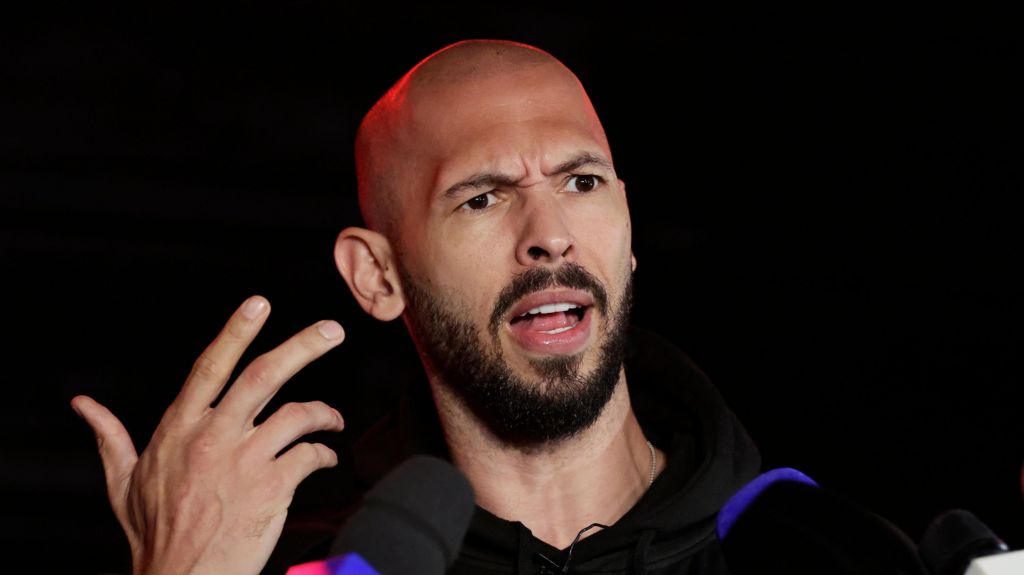
Controversial internet influencer Andrew Tate, whose flashy, ultra-luxurious online persona made him a household name across social media platforms, has built his public image around a narrative of extreme personal wealth. But in a new court submission seeking bail for Tate and his brother Tristan, the pair’s legal representatives have revealed that the luxury yachts, high-end supercars and other symbols of vast fortune shown across the brothers’ social media channels are not actually owned by them. Instead, the legal team argues, the exaggerated lifestyle was a calculated performance to drive online engagement and revenue.
Both Andrew, 39, and Tristan Tate, 38, who hold dual British-U.S. citizenship, are currently detained in a Miami, Florida jail following their arrest last month by U.S. Marshals. The arrest came after the UK’s Crown Prosecution Service (CPS) unveiled 38 new criminal charges against the pair, including rape and sex trafficking offenses. Combined with previous accusations, the brothers now face a total of 59 charges linked to alleged offenses that occurred between July 2010 and August 2017. Both men have repeatedly and categorically denied all wrongdoing, and are currently fighting extradition to the UK, with their legal team pushing for their release on bail while the proceedings move forward.
Prosecutors opposing bail have framed the Tates as a high flight risk. Their argument centers on the brothers’ own social media claims, which painted them as self-made billionaires with unimpeded access to hundreds of millions of dollars in cash, cryptocurrency, and high-value assets including private jets, custom superyachts worth $50 million, and a fleet of rare luxury cars. Prosecutors add that the pair retain substantial financial and social capital through their massive online following, and have demonstrated a willingness to intimidate vulnerable witnesses who have brought accusations against them. They also pointed to past social media posts from Andrew Tate in which he openly mocked prosecutors and suggested he could easily adopt a new identity to avoid capture.
But the Tates’ legal team pushes back against this narrative in their new submission, arguing that the entire luxurious persona the brothers project online is part of their core business model. “The outrageousness of the posts by them and about them is the point. The more hyperbolic and outlandish the post, the more likely it will generate views and likes, which in turn generates income. In short, they are playing a role,” the submission reads. The team also notes that Andrew Tate often used over-the-top claims for comedic effect, never intending for audiences to take the statements as factual.
Specifically addressing the assets prosecutors cite, the legal submission confirms that the $50 million superyacht regularly featured across Andrew Tate’s social media is not owned by the Tate brothers – they were simply paid to promote the vessel. Even the high-end luxury cars that have become synonymous with Andrew Tate’s brand, including Aston Martins and multiple Bugattis, were only rented for content creation, the submission confirms. The core of the Tates’ business, the team explains, centers on programs that teach men how to build wealth and online brands, so projecting an image of extreme wealth is integral to attracting customers and growing their audience.
Andrew Tate first rose to public attention in 2016, when he appeared on the UK edition of the reality television show *Big Brother*. A former professional kickboxer, Tate has long described himself as a misogynist, and has amassed millions of followers across major social media platforms thanks to his unapologetic, controversial takes on gender, wealth, and success. For years, his feed has been dominated by photos and videos of him alongside luxury goods, reinforcing the narrative of vast personal wealth that prosecutors have leaned on to argue he is a flight risk.