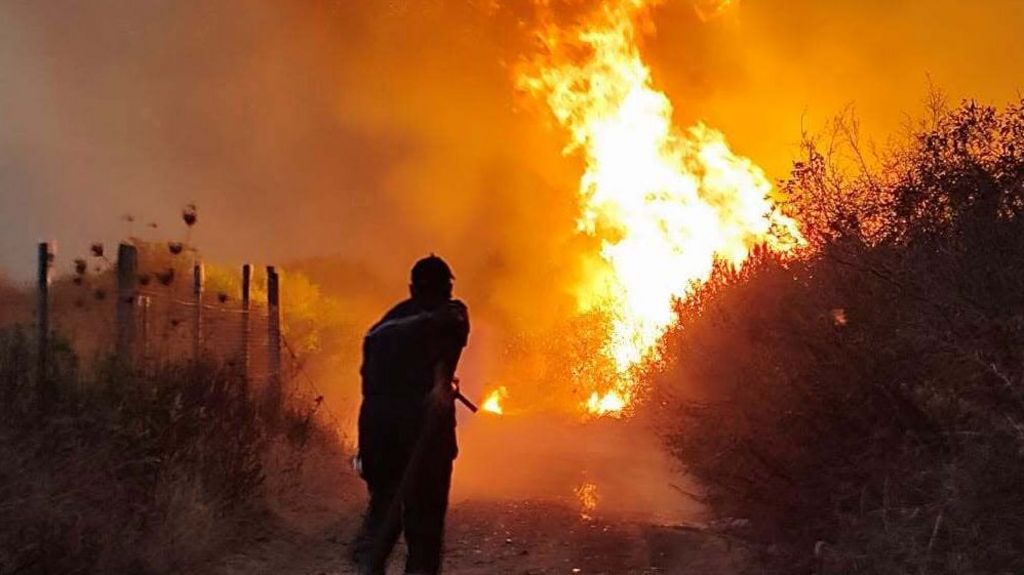
A devastating outbreak of more than 100 wildfires across northeastern Algeria has left at least 12 people dead, dozens injured, and thousands of residents displaced, prompting the country’s president to announce a sweeping policy shift that would reinstate capital punishment for intentional arsonists.
In public remarks following the crisis, President Abdelmadjid Tebboune confirmed he is not ruling out the possibility of deliberate foul play behind the unusually intense wave of fires, which swept through large swathes of northern Algeria amid a record-breaking heatwave across North Africa that has also hit neighboring Tunisia hard. While more than 90 percent of the blazes recorded in the 24 hours leading up to Sunday had been extinguished by civil emergency teams, crews continued to battle active hotspots as of Sunday afternoon.
Tebboune has issued a formal deadline of September 15 for the country’s justice ministry to draft amendments to Algeria’s criminal code that would introduce the death penalty for anyone convicted of intentionally igniting wildfires in forested areas. Currently, the maximum penalty for deliberate arson in Algeria is 30 years imprisonment, with life sentences reserved for the most extreme cases. Though capital punishment remains on the books for a small number of offenses in Algeria’s existing penal code, the country has not carried out any executions since 1993.
Alongside the proposed legal changes, the president has ordered immediate support for affected communities: compensation for impacted families, full repairs to damaged residential properties, and rapid restoration of damaged critical essential services. Official investigations are also set to be launched to fully document the scope of damage and losses caused by the wildfires, as well as to probe the origins of the blazes, particularly given their unexpected intensity.
Wildfires are a regular seasonal occurrence in Algeria during the hot summer months, but scientists and observers note that climate change has steadily amplified the frequency and severity of these events across the Mediterranean region in recent years, increasing the risk of large, destructive outbreaks that are harder for emergency teams to contain.