As Australia’s federal budget delivery on May 12 draws near, emerging reports reveal the Albanese government is actively preparing a landmark overhaul of the nation’s capital gains tax (CGT) regime, a change framed by the administration as a step to correct long-standing intergenerational inequity that hits younger Australians particularly hard.
According to reporting from *The Weekend Australian* on Saturday, the core of the proposed reform would replace the current 50% CGT discount for assets held at least 12 months with an inflation indexation model applied to all new investment holdings. To avoid immediate disruption for existing market participants, the plan is expected to include grandfathering provisions, meaning current investors will not face sudden tax increases on their existing assets under the new framework.
Australia’s current CGT system has been in place for decades, designed to streamline tax administration, incentivize long-term investment, and offset inflation-related gains that do not represent real profit growth. Under the existing rule, any investor holding an asset for 12 months or longer can cut their taxable capital gain in half, with only the remaining portion added to their assessable income and taxed at their individual marginal tax rate. This proposal marks a retreat from an earlier, more radical idea that would have eliminated CGT discounts entirely for property assets, but it still has drawn fierce pushback from key industry groups and opposition politicians.
Days before the budget announcement, four of Australia’s largest housing and construction industry bodies — the Housing Industry Association, Master Builders Australia, the Property Council of Australia, and the Real Estate Institute of Australia — issued a joint open letter to federal parliament warning of severe unintended consequences from the CGT changes. The groups argue that the reform will discourage property investment, reduce the overall supply of new housing, and push up prices for existing dwellings at a time when Australia is already grappling with a severe national housing shortage. They note that private investors currently fund four out of every 10 new homes built across the country, and more than half of all new apartment developments.
“Any increase on capital gains tax to housing and/or a cap on negative gearing, risks material withdrawal from property investment when we need more investment in housing, not less,” the letter read. “If the federal budget is used to actively drive investors into shares rather than financially supporting new housing projects in our cities and towns, Australia’s national housing crisis will deepen.”
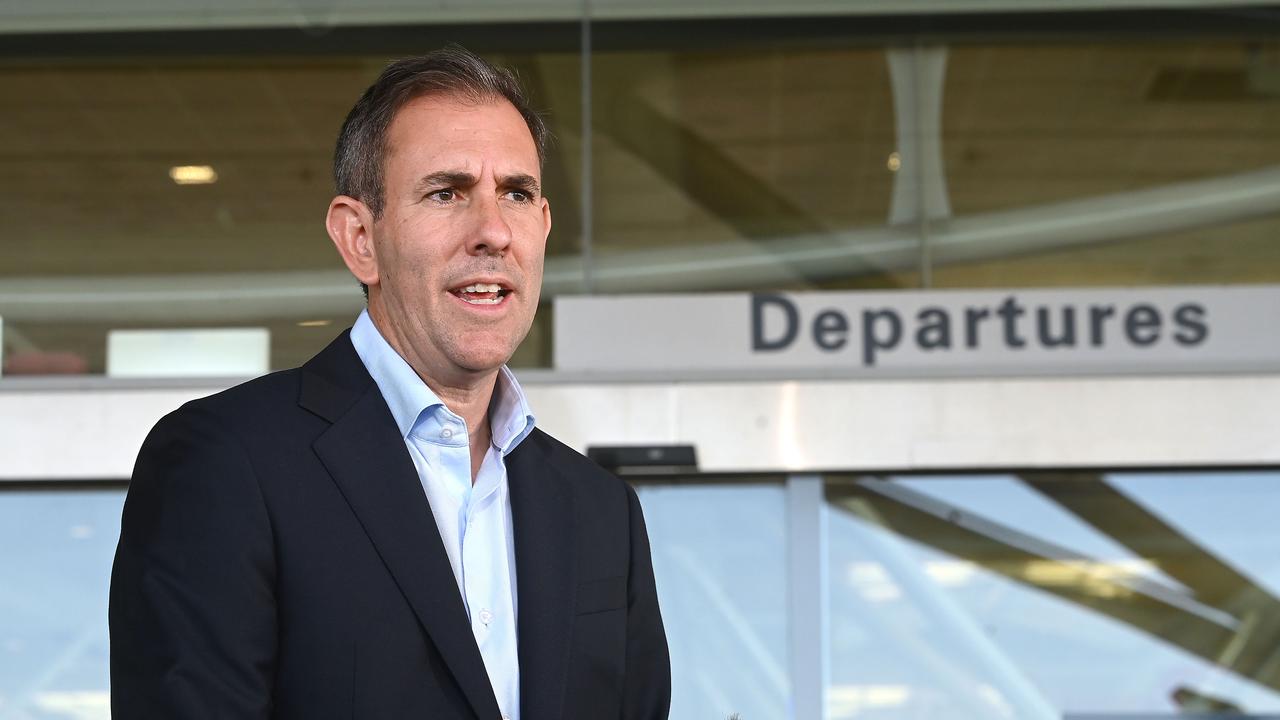
For the Albanese government, the reform is rooted in a stated commitment to rebalancing the tax system and housing market to benefit younger generations. In recent public comments, both Prime Minister Anthony Albanese and Treasurer Jim Chalmers have openly highlighted the intergenerational unfairness embedded in current policy settings.
“We have been really upfront for some time now in saying that we do think that there is intergenerational unfairness in the tax system and in the housing market,” Chalmers told reporters. “I think the housing market is where some of those intergenerational issues are most obvious.”
Opposition figures have already launched fierce criticism of the leaked plan, with Shadow Treasurer Tim Wilson labeling the proposed changes an “aspiration tax” that punishes ordinary savers and people working to build wealth. Wilson also claimed the leak itself reveals deep internal divisions within the government over the policy.
“The Albanese government is launching an assault on aspiration though their new tax on self-starters according to leaks from deep inside their budget inner sanctum,” Wilson said in a statement. “Such a significant leak out of the budget process says even Labor MPs know how toxic the Prime Minister’s aspiration tax would be to those who save and work hard to get ahead. We know there’s deep division between the Prime Minister and the Treasurer on budget matters, and this leak says one of them is trying to kill the other’s proposal.”
Not all policy experts oppose the plan, however. Matt Nolan, senior research manager at progressive economic think tank e61, argues that the proposed inflation indexation model is a fairer and more economically efficient approach to taxing capital gains than the current flat discount.
“By taking into account the unique circumstances of the investor, indexation is a fairer and less distortionary way of taxing capital gains,” Nolan wrote. “This would be a significant reform, and even more so if it becomes the first step toward taxing capital income consistently with other income over time.”
As the May 12 budget release approaches, all sides are continuing to ramp up pressure on the government, with the outcome of the reform expected to have far-reaching impacts on Australia’s property market, share market, and long-term intergenerational equity.