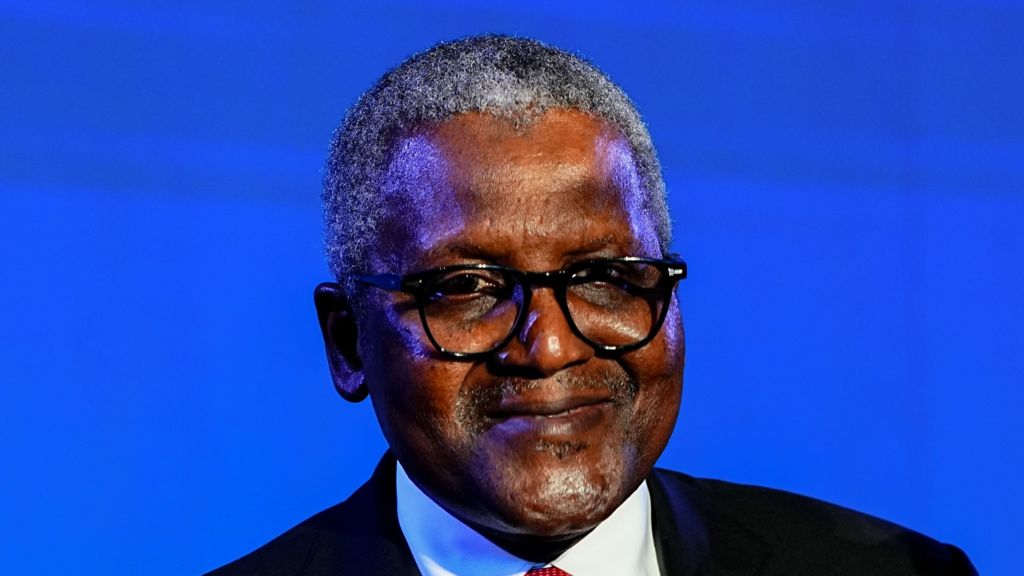
Nigerian billionaire and industry magnate Aliko Dangote has entered a landmark partnership with the governments of Ethiopia and Djibouti to develop a $660 million integrated petroleum pipeline and storage facility, a major infrastructure initiative set to reshape regional energy logistics across the Horn of Africa.
The cross-border project will deliver a 120-kilometer (75-mile) pipeline connecting Djibouti’s Damerjog Port to a purpose-built fuel distribution hub in Dewele, Ethiopia, alongside 400 million liters of strategic storage capacity for refined petroleum products. Developers project the facility will be fully operational within 18 months of construction starting, with the first phase focused on moving high-demand products including aviation jet fuel, diesel, and gasoline.
Addressing attendees at the official groundbreaking ceremony, Ethiopian Prime Minister Abiy Ahmed highlighted the transformative impact the new infrastructure will bring to the country’s fuel supply chain. Currently, fuel shipments delivered through Djibouti’s ports require five days of overland transport to reach Ethiopia’s capital Addis Ababa; the pipeline will cut that transit time down to just one day, eliminating costly delays and bottlenecks.
For his part, Dangote emphasized that the project will directly strengthen Ethiopia’s long-term energy security by building greater resilience into the country’s fuel supply network. As a landlocked nation, Ethiopia is almost entirely dependent on Djibouti’s port infrastructure to handle its imports, including all incoming petroleum products. The new pipeline is expected to significantly reduce congestion on existing overland transport routes, easing operational pressure on key sectors of Ethiopia’s economy ranging from commercial logistics and aviation to agriculture and large-scale construction.
The initiative is not a one-sided investment: Djibouti will also capture substantial economic benefits from the project, including expanded port activity, new local job opportunities during both construction and operations, and increased steady revenue for the national government.
This cross-border infrastructure project is part of Dangote’s broader strategic push to expand his industrial and infrastructure footprint across the entire African continent. Already, Dangote Cement, his core industrial business, boasts an annual production capacity of 55 million metric tonnes distributed across markets in sub-Saharan Africa. In his home country of Nigeria, Dangote’s flagship crude oil refinery currently processes 700,000 barrels of crude per day, with active plans to double that capacity to 1.4 million barrels daily to meet growing regional fuel demand. Just recently, the refinery operation listed 4.1 billion ordinary shares on the Nigerian Exchange Group, moving forward with a capital raising effort targeting roughly $1.63 billion in new investment.
Looking ahead, the Dangote Group is set to break ground next week on another major refinery project in East Africa: a 700,000-barrel-per-day crude oil refining complex in the coastal Kenyan region of Lamu, cementing the company’s position as a leading player in African energy infrastructure.