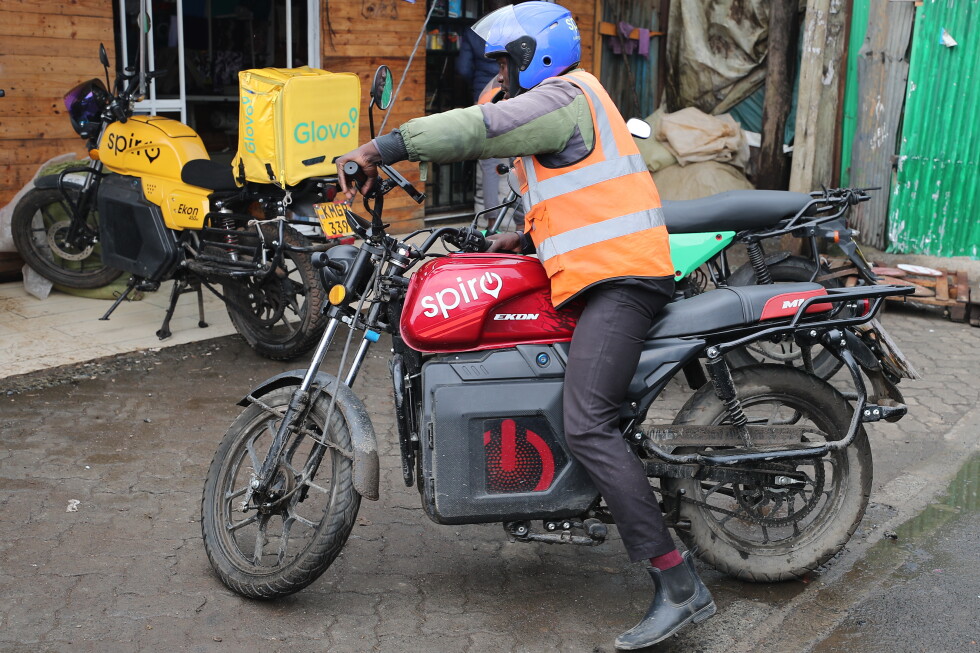
Nairobi, Kenya – African electric mobility startup Spiro has announced it has closed a $215 million equity financing round, with backing from cross-continental institutional investors to fuel its aggressive expansion of battery-swapping infrastructure and electric vehicle operations across the African continent.
The new capital injection, which counts Denmark’s Impact Fund among its lead backers, highlights the rapidly growing global investor interest in Africa’s emerging clean transport and renewable energy sectors, a space that has gained increasing attention as governments across the continent pursue decarbonization and energy security goals.
For Spiro, the fresh funding marks the start of a new high-growth phase after a transformative 12 months for the company. Gagan Gupta, Spiro’s founder and chair of parent firm Equitane, framed the past year as a defining strategic milestone for the business in an official statement. Currently active in seven African markets – Kenya, Rwanda, Uganda, Togo, Benin, Nigeria, and Cameroon – Spiro has already deployed 100,000 electric vehicles and 2,500 smart battery-swapping stations, turning what was once a niche sustainable mobility concept into an affordable, accessible option for daily use across multiple regions. Gupta emphasized that the company’s next chapter will center on bringing affordable clean transport alternatives to millions of riders across the continent.
Spiro did not disclose the company’s valuation tied to this latest financing round. What the startup did outline is its clear roadmap for the new capital: the funds will go toward expanding its existing battery-swapping network, scaling up local manufacturing and vehicle assembly operations, and accelerating entry into two new target markets, the Democratic Republic of Congo and Ethiopia.
This funding round closes at a pivotal moment for African sustainable transport. Many governments across the continent are actively working to cut reliance on costly imported fossil fuels, boost domestic energy security, and modernize overstretched urban transportation systems. These policy shifts come as global fuel prices remain volatile and consumer demand for low-cost mobility options continues to rise alongside rapid urban population growth.
Lars Bo Bertram, CEO of Denmark’s Impact Fund, noted that the investment signals broad confidence in the long-term growth potential of Africa’s electric mobility market. Two-wheeled vehicles, particularly electric motorcycles, have emerged as one of the fastest-growing segments for clean transport in Africa, where motorcycles already dominate urban passenger mobility and last-mile delivery services across most major cities.
Unlike many foreign EV entrants that rely on imported fully assembled vehicles, Spiro has built local production capacity across key markets, operating manufacturing facilities in Kenya, Rwanda, and Uganda, as well as a purpose-built battery recycling plant in Nigeria. The company also highlights tangible cost savings for riders: users of Spiro’s electric motorcycles can cut their daily transport expenses by up to 40%, equal to roughly $2 per day, compared to operating a traditional gasoline-powered two-wheeler.
In addition to expanding its core network, Spiro is also investing in innovative sustainable energy integration, including developing solar-powered battery-swapping stations and second-life battery storage systems that repurpose used EV batteries for stationary energy storage.
While Africa’s overall electric mobility market still lags behind the larger, more mature sectors in China and Europe, industry analysts project rapid continued growth for the segment. That expansion is being driven by two key trends: national governments rolling out policy incentives for clean transport, and homegrown startups like Spiro developing locally tailored business models – such as widespread battery swapping, which eliminates long charging waits and cuts the high upfront cost of EV ownership for riders.