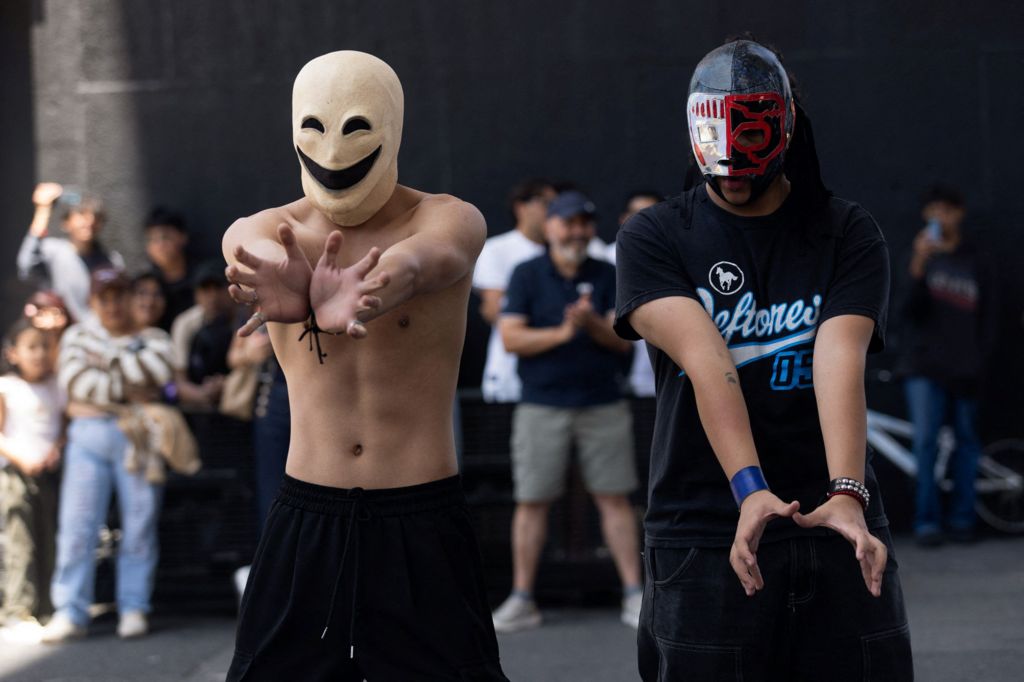
A vibrant new social trend has rapidly captured the attention of young people across Latin America, with informal ‘aura battles’ emerging as one of the most talked-about youth activities in the region. Unlike traditional competitions that measure physical skill, academic performance or artistic talent, these novel contests center entirely on one intangible quality that many believe shapes personal and professional success: charisma.
Participants in aura battles go head-to-head in friendly showdowns, where they work to convince judges and audiences that their personal ‘aura’ — the unique magnetic energy and presence they project — outshines that of their competitors. What began as a niche inside joke shared on social media platforms has quickly snowballed into a widespread cultural phenomenon, with gatherings popping up in major cities from Mexico City to Buenos Aires, and viral challenge clips racking up millions of views across TikTok, Instagram and YouTube.
The sudden popularity of aura battles among Latin American youth reflects a broader cultural shift toward celebrating soft skills and personal authenticity in a post-pandemic world. After years of social distancing and remote interaction that left many young people feeling disconnected, these low-stakes, high-energy competitions offer a playful space for self-expression and connection. Unlike high-pressure competitive activities that focus on formal achievement, aura battles invite participants to embrace their unique personalities, turning the simple act of being oneself into a friendly game.
Cultural observers note that the trend also taps into growing public fascination with the concept of aura and personal magnetism across global social media. What makes the Latin American iteration unique, they add, is how it blends regional cultural values of warm interpersonal connection and expressive communication with the viral mechanics of internet culture, creating a trend that feels both deeply rooted in local culture and perfectly suited for the digital age. As participation continues to grow, many organizers are now planning larger, public aura battle events that draw crowds of hundreds of spectators, cementing the trend’s place in contemporary Latin American youth culture.