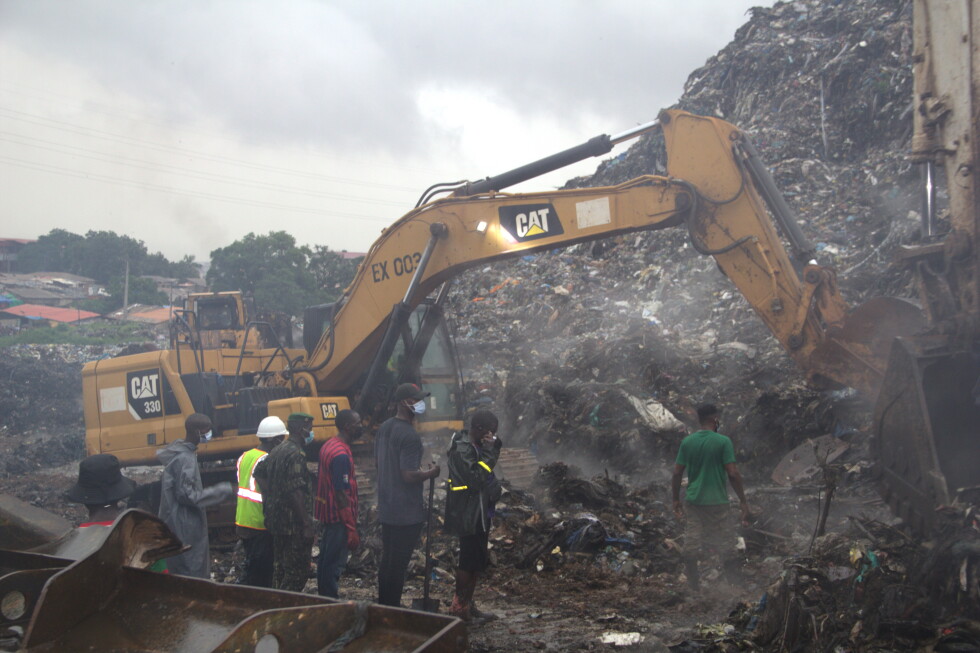
In the early hours of Sunday, a catastrophic collapse of a massive garbage mound at Conakry’s largest municipal landfill left 30 people dead, according to updated casualty figures published by Guinea’s central government. Regional authorities confirmed that persistent heavy rainfall, which began pounding the site around 2 a.m., saturated the compacted waste at the Dar Es Salem open-air dump. This saturation destabilized the mound, triggering a deadly waste landslide that swallowed informal shanty homes built directly adjacent to the site.
Six people were pulled from the debris with severe injuries, and multiple residential structures were completely destroyed in the incident. Search and rescue teams remained deployed at the site in the immediate aftermath, working to locate any additional survivors trapped under the rubble.
New details have emerged that the sprawling open-air waste facility—Conakry’s largest landfill—was officially scheduled to be permanently closed on the very same day the disaster struck, revealed Lieutenant Colonel Baldé Mamadou Bailo, a sanitation officer with the country’s military engineering battalion. Local residents living in informal settlements around the landfill perimeter had previously received formal eviction notices ordering them to leave the high-risk area. While many households complied and moved out ahead of the closure, a large number of families chose to remain on or near the site and were present when the collapse occurred.
Dienabou Touré, Guinea’s Minister of Territorial Administration and Decentralization, visited the disaster site shortly after the collapse and confirmed that the government would move quickly to relocate all remaining families from the surrounding area to safer, designated housing. “We will ensure that the remaining families are relocated elsewhere,” Touré stated during her on-site address.