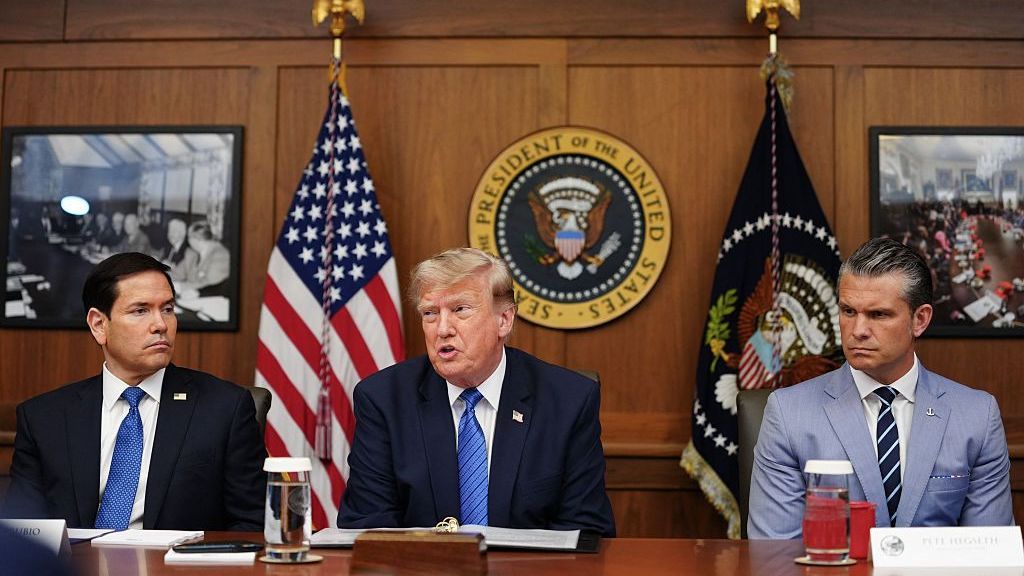
In the wake of the 2026 US midterm elections that delivered a decisive sweeping victory for Democrats, granting them full control of both the House of Representatives and Senate, the White House has publicly pushed back against swirling unsubstantiated rumours of a major post-election leadership shakeup targeting two senior cabinet members: Defence Secretary Pete Hegseth and Secretary of State Marco Rubio. Multiple US media outlets had previously reported internal Republican calls to oust Hegseth, whose stewardship of the now nine-month-long Iran conflict has been widely cited by party figures as a core driver of the GOP’s crushing electoral losses. Adding to the political turbulence, outspoken anti-Trump Republican Representative Thomas Massie has confirmed he will move to introduce an impeachment resolution against Hegseth as early as the start of the coming week, arguing President Donald Trump should replace the defence secretary before the new Democrat-controlled Congress is sworn in this January, to ensure any nominee can be confirmed by the still-GOP-held outgoing Senate. Taking to social media platform X, Massie warned that delaying a personnel change would leave the administration stuck with a controversial defence leader facing certain impeachment proceedings from the opposing party. Hegseth, a staunch proponent of the administration’s America First defence agenda, released a defiant video statement pushing back against the impeachment push, framing the effort as a partisan stunt rather than a legitimate oversight measure. “They attack me, they attack all of us who deliver results, precisely because we are effective – this sham impeachment from a disgruntled, defeated congressman and his Democrat allies will not succeed, and we will never back down,” Hegseth asserted, before listing his department’s key milestones: reversing years of declining military recruitment rates, revitalising long-neglected segments of the US defence industrial base, and eliminating what he described as wasteful, divisive diversity, equity and inclusion programmes across the armed forces. He went on to dismiss his critics as relying on “political theatre disguised as governance” to destroy opponents, since their own policy platforms fail to resonate with voters. While Hegseth faces significant political peril, Secretary of State Marco Rubio has also moved to quash widespread speculation that he plans to step down imminently to launch a 2028 presidential bid. In an interview with The New York Times, Rubio stated that serving out the full remainder of Trump’s presidential term had “always been my plan”, noting he remained deeply engaged with his diplomatic portfolio and joking that rumours of his departure were so frequent he often wondered which alleged “next job” pundits were referring to. Both the White House and US State Department have formally dismissed all reports of Rubio’s impending exit as deliberate “fake news”. Even as he publicly backs his two top cabinet secretaries, Trump acknowledged during a phone interview with ABC News that he had received numerous unsolicited calls from party figures weighing in on Hegseth’s position, but stressed he held “every intention” of retaining the defence secretary. Speaking to reporters at the White House later that Thursday, Trump praised Hegseth’s track record as “fantastic”, highlighting high-profile accomplishments including the January 2025 apprehension of Venezuelan leader Nicolás Maduro and ongoing operations in the Iran theatre. Separate reporting from The Washington Post, however, indicates the Trump administration is weighing potential leadership changes elsewhere in the national security apparatus, with Joint Chiefs of Staff Chair General Dan Caine and US Central Command chief Admiral Brad Cooper – both senior military leaders who played central advisory roles in the planning and execution of the Iran campaign – facing the possibility of being relieved of their posts. Trump and Vice-President JD Vance have both publicly pinned the bulk of the GOP’s midterm electoral defeat on public discontent over the costly, extended Iran war, a rare public break from the administration’s usual unified messaging on national security policy that has left the entire national security team operating in a highly volatile political environment.
White House denies Hegseth and Rubio to leave jobs after Republican election losses