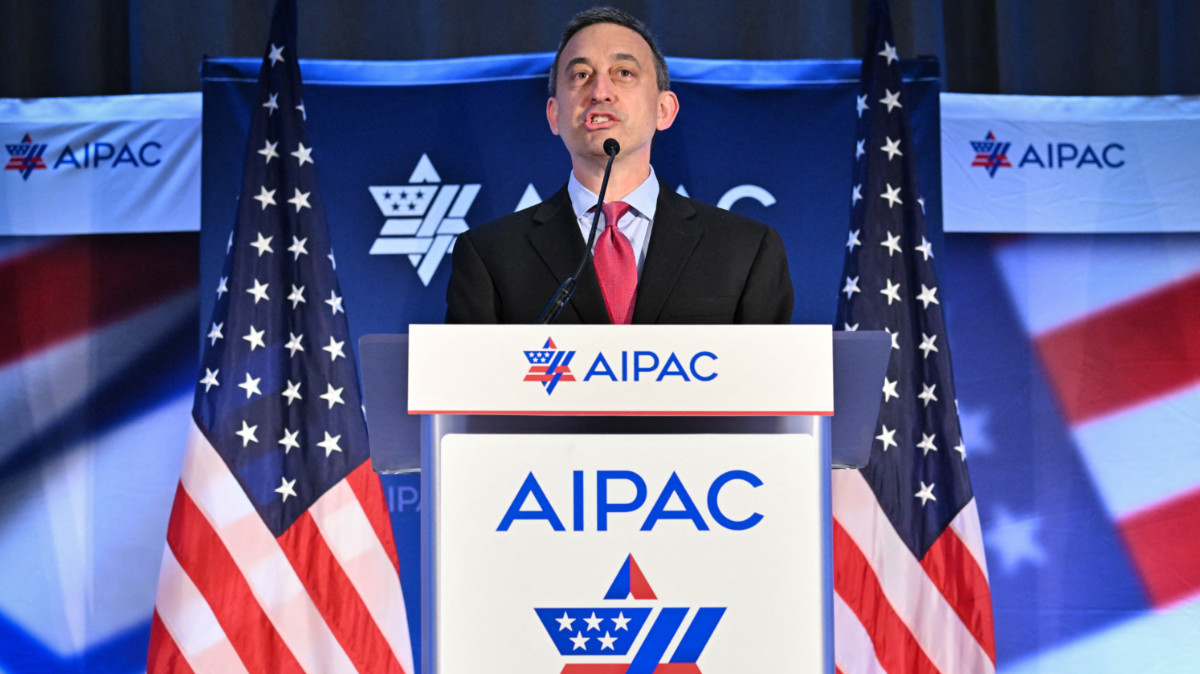
A newly released analysis from independent foreign policy watchdog Responsible Statecraft has laid bare a historically underperforming election cycle for the powerful American Israel Public Affairs Committee (AIPAC), revealing the pro-Israel lobbying group poured more than $84 million into the 2026 U.S. midterm elections, with roughly two-thirds of that massive sum directed at unsuccessful candidates.
Breaking down the spending breakdown, AIPAC’s affiliated Super PACs and allied advocacy networks funneled a staggering $55 million toward campaigns that ultimately ended in defeat. The single largest allocation of these failed funds, totaling approximately $32 million, was deployed in a high-profile bid to unseat Abdul El-Sayed, the progressive Democrat projected to win Michigan’s U.S. Senate seat. This cycle marks one of the worst electoral showings for AIPAC in recent memory, a trend analysts attribute to widespread voter frustration over the U.S.-backed Israeli military campaign against Iran, which many voters tied directly to persistent spikes in national cost-of-living pressures.
The sharp reversal in AIPAC’s electoral fortune stands in stark contrast to its recent track record: during the 2022 midterms, its flagship Super PAC, the United Democracy Project, saw 69% of its total spending go toward victorious endorsed candidates, and that success rate climbed even higher to 87% in the 2024 election cycle, held in the immediate aftermath of Israel’s military offensive in Gaza.
In his triumphant victory address earlier this week, Senator-elect El-Sayed directly called out AIPAC by name, citing a $42 million figure spent against his campaign – a total that accounts for additional independent expenditures from smaller aligned Super PACs beyond AIPAC’s direct reported outlays. “To AIPAC, who spent $42 million against us: Thank you for giving me the opportunity to beat you twice,” El-Sayed declared, referencing AIPAC’s earlier failed attempt to defeat him during the competitive Democratic primary race.
AIPAC also poured significant resources into defeating Daniel Biss, a prominent critic of current Israeli government policies. Biss, the former mayor of Evanston, Illinois, and grandson of Holocaust survivors, secured the Democratic nomination for Illinois’ 9th congressional district earlier this year despite nearly $6 million in AIPAC spending targeting his campaign, before coasting to a general election win in the reliably blue district on election night.
While AIPAC faced high-profile losses of progressive critics, the lobbying organization remains a formidable force in U.S. political circles. AIPAC released a victory statement on Wednesday via its X (formerly Twitter) account, claiming more than 234 candidates endorsed by its members had secured electoral wins, though it did not publish a full public list of those races. For context, thousands of candidates across all party affiliations ran for federal, state and local offices in the 2026 midterms, and AIPAC retains deep ties to Democratic congressional leadership: both Senate Majority Leader Chuck Schumer and House Minority Leader Hakeem Jeffries have received campaign support from AIPAC’s donor network, with the group releasing a separate formal statement congratulating the two leaders on their caucuses’ strong election showings.
Even so, longstanding critics of AIPAC are framing the 2026 midterm results as a landmark turning point in U.S. electoral politics. AIPAC Tracker, an independent project that monitors the lobbying group’s influence across Washington, confirmed that 30 newly elected members of Congress won their races without accepting any financial backing or formal endorsement from AIPAC. Even prominent Republican figures acknowledged the lobbying headwinds the group faced in 2026: Vice President JD Vance noted in a post-election analysis published Wednesday that Republican underperformance on election day was driven in large part by voter backlash to the U.S.-Israeli conflict with Iran, a military campaign AIPAC had openly endorsed as part of its longstanding policy priorities.
This coverage is produced by Middle East Eye, an independent news outlet dedicated to rigorous, unrivaled reporting and analysis of the Middle East, North Africa and surrounding global regions.