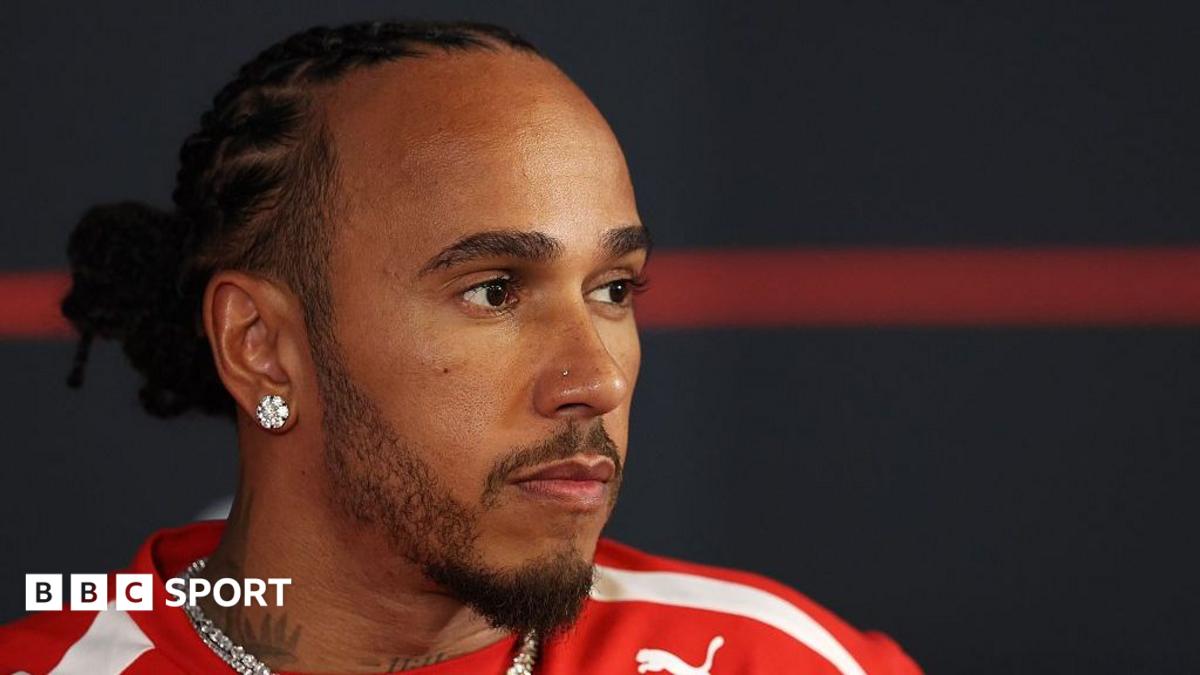
From his post at the US Grand Prix circuit in Austin, Formula 1 veteran and seven-time world champion Lewis Hamilton has publicly addressed mounting human rights concerns surrounding the sport’s newly signed 10-year hosting agreement with Rwanda, set to launch in the early 2030s. The proposed race track, situated near the Rwandan capital of Kigali, has been intentionally engineered to weave through the country’s dramatic natural landscapes, positioning the event as a landmark moment for motorsport’s expansion across the African continent.
Hamilton, a long-time advocate for bringing a Formula 1 grand prix to African soil for over a decade, acknowledged widespread public scrutiny of the Rwandan government’s record, urging critics to avoid rushed judgment. “I do not hold the authority to dictate the F1 calendar’s destinations, and it is an unavoidable truth that social and political challenges persist across every corner of the globe today. I have read the extensive media coverage of the concerns raised, but I firmly believe the only constructive way forward is to approach this initiative with deep humility,” the 39-year-old Ferrari driver stated. He further contextualized regional instability as a lingering consequence of centuries of colonial exploitation and uninvited Western intervention, noting that mainstream British education curricula have historically erased critical African history, leaving many global audiences ill-informed about the continent’s complex realities.
The announcement of the Rwandan grand prix has sparked sharp diplomatic pushback from neighboring Democratic Republic of Congo, which has filed an active case against Rwanda at the International Court of Justice alleging violations of international treaties covering genocide prevention, anti-racial discrimination frameworks, women’s rights protections, and prohibitions on state-sponsored torture. DRC Foreign Minister Therese Kayikwamba Wagner issued a formal public statement last week arguing that granting the high-profile global sporting platform to Rwandan President Paul Kagame would effectively launder the reputation of an authoritarian administration that has directly fueled a prolonged, devastating armed conflict on Congolese territory. Wagner also cited existing U.S. government sanctions against the Rwandan national army and four senior military officials for their documented role in regional destabilization, unauthorized cross-border military operations in the DRC, and direct support, training, and joint combat alongside the M23 rebel insurgency. The DRC government has additionally demanded that Formula 1 implement strict, independent auditing protocols to verify that no portion of the race’s hosting budget is derived from conflict-linked mineral extraction or the illegal exploitation of Congolese natural resources.
Hamilton, whose current F1 contract runs through 2027 and who will turn 42 in January, revealed that the prospect of competing in the historic African grand prix has motivated him to consider extending his professional racing career far beyond his previously anticipated retirement timeline. “This long-held dream of mine to race on African soil is now a tangible reality on the horizon, so I am committed to prioritizing my fitness and performance for as long as I can deliver competitive results on the track,” he explained. He emphasized that the grand prix is far more than a single sporting event for Rwanda: it is an opportunity to showcase the entire African continent’s vibrant cultures, warm communities, and breathtaking landscapes to a global audience of hundreds of millions of F1 fans, inspiring young people across the world to learn more about regions that have long been underrepresented in mainstream international media.
Crucially, Hamilton clarified that his support for the race does not equate to ignoring documented human rights abuses or regional conflicts. He expressed hope that the high-profile global attention drawn by the grand prix would push more people to educate themselves on the long, complex history of colonial harm and ongoing humanitarian crises across the region, sparking constructive public conversations about justice and accountability. The star driver closed his remarks by voicing a broader vision for global peace, calling for collective action to advance freedom and stability for communities in the DRC, Sudan, Syria, and Palestine.