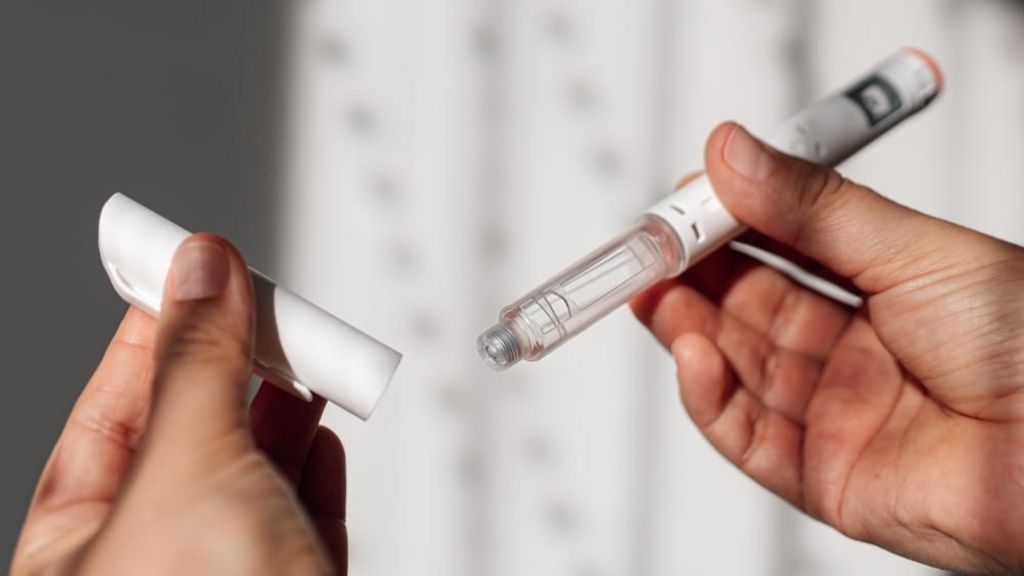
The global beauty industry is facing a new, unexpected shift driven by the exploding popularity of GLP-1 weight loss medications, and one of the world’s largest beauty conglomerates is already adapting its product lineup to meet changing consumer needs.
In recent years, GLP-1 agonists — originally developed to treat type 2 diabetes — have seen a meteoric rise in mainstream use after clinical trials found drugs including Ozempic, Wegovy and Mounjaro deliver dramatic weight loss by suppressing user appetite. What started as a medical treatment has quickly become a widespread cultural and wellness trend, with millions of people around the world turning to the medications to reach weight loss goals.
But while the medications deliver significant health and aesthetic benefits for many users, rapid weight loss often brings an unintended cosmetic side effect: loose, sagging skin, particularly around the face and neck. Though GLP-1s do not directly cause skin laxity, the quick pace of weight loss common with these medications leaves skin unable to retract quickly enough to match a user’s new body contours, leaving many patients searching for solutions to address visible changes to their appearance.
French beauty giant L’Oréal, which owns dozens of household beauty and skincare brands including Maybelline, La Roche-Posay, SkinCeuticals and Kiehl’s, has publicly acknowledged that this growing trend is already shifting consumer spending on beauty and skincare products. During a recent investor call, L’Oréal CEO Nicolas Hieronimus called the rising adoption of GLP-1s “a very important phenomenon for us” that is having a measurable impact on overall beauty consumption, especially in the skincare category.
Rather than seeing the trend as a pure headwind, the company has moved quickly to capitalize on the new consumer demand it has created. Hieronimus confirmed that the company’s premium skincare brands SkinCeuticals and Kiehl’s have already launched specially formulated products designed to complement GLP-1 use and target common side effects like skin sagging linked to rapid weight loss.
L’Oréal has also expanded its footprint in the clinical aesthetics space to better position itself for this growing market. In December 2023, the company increased its stake in leading dermatology and aesthetics firm Galderma to 20%, deepening a partnership focused on developing solutions for GLP-1 users. According to reports from Reuters, the two companies are running separate ongoing clinical trials testing new products on GLP-1 users who report concerns about loose, sagging skin after rapid weight loss.
Galderma, which owns market-leading aesthetic injectables including collagen-stimulating treatment Sculptra and dermal filler Restylane, was one of the first major firms to flag the link between rising GLP-1 use and growing demand for facial aesthetic solutions. Last year, the company released an industry report analyzing the impact of GLP-1 adoption on facial appearance concerns. Its internal survey of weight loss medication users found that an overwhelming majority of respondents had noticed visible changes to their face shape and skin tightness after starting GLP-1 treatment.
Despite the market shift created by GLP-1 adoption, L’Oréal’s recent financial performance has outperformed market expectations. The company announced Thursday that its total sales rose 7.7% year-over-year in the three months ending September 2024, a growth rate that beat forecasts from industry analysts. Hieronimus noted that the global beauty market has remained resilient even amid broader economic uncertainty around the world, and the company’s proactive strategy to adapt to the GLP-1 trend positions it to capture new growth in a shifting market.