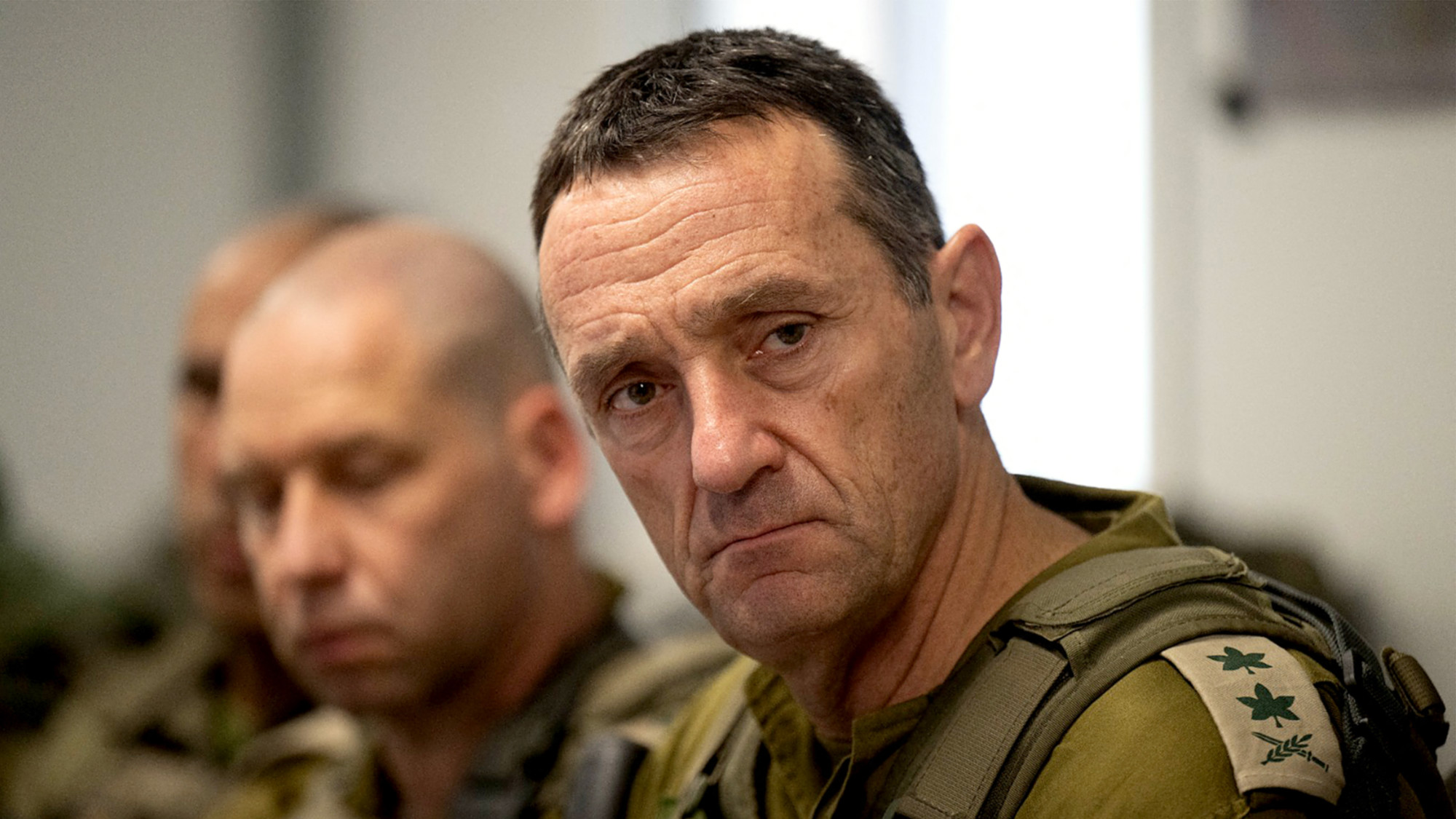
In a rare public disclosure that breaks from longstanding Israeli official policy of deflecting blame for hostage fatalities, former Israel Defense Forces chief of staff Herzi Halevi confirmed during a Sunday conference hosted by Israeli legal advocacy group Shurat Hadin in New York that Israeli aerial bombardments in Gaza have resulted in the deaths of civilian and military captives held by Palestinian armed groups. Halevi framed the massive military pressure campaign waged across Gaza over the past two years as a critical factor that enabled negotiated prisoner swaps to return the majority of the 251 people abducted during the 7 October 2023 Hamas-led cross-border assault on southern Israel to their families alive. But he offered an unvarnished admission of a long-rumored, previously unconfirmed operational tragedy: “Our bombs killed hostages. We did not know they were there.” For nearly two years prior to Halevi’s remarks, Israeli official spokespeople had uniformly rejected all allegations that its military operations had killed detainees held in Gaza, and instead consistently placed full responsibility for all hostage fatalities on Hamas forces. Local Israeli daily Maariv first reported back in October 2025, citing anonymous senior defense officials, that a significant number of captives had been killed by Israeli airstrikes, particularly in the chaotic opening weeks of the ground and air campaign in Gaza. The newly public confirmation also casts new light on the controversial Hannibal Directive, a long-debated Israeli military protocol that permits commanders to use overwhelming lethal force to stop soldiers from being taken captive, even if that action risks killing the service members in question. Multiple Israeli media outlets have previously verified that IDF leadership activated the Hannibal Directive across the entire Gaza-Israel border corridor in the immediate hours after the 7 October 2023 incursion began. Halevi, who stepped down from his post as the top Israeli military commander last year, also explicitly acknowledged that the catastrophic 7 October security breach represented a fully preventable intelligence and operational failure, pushing back against fringe conspiracy theories that have circulated in Israeli right-wing circles claiming the assault was enabled by deliberate internal collaboration. He emphasized that no evidence of a widespread insider network aiding Hamas has emerged in nearly two years of official investigations: “Helping Hamas would require not just one person collaborating, but a very broad network. After three years, not even one such person has been found.”